Here Are the Tariffs Different Countries Will Face: A Comprehensive Guide to Global Trade Barriers
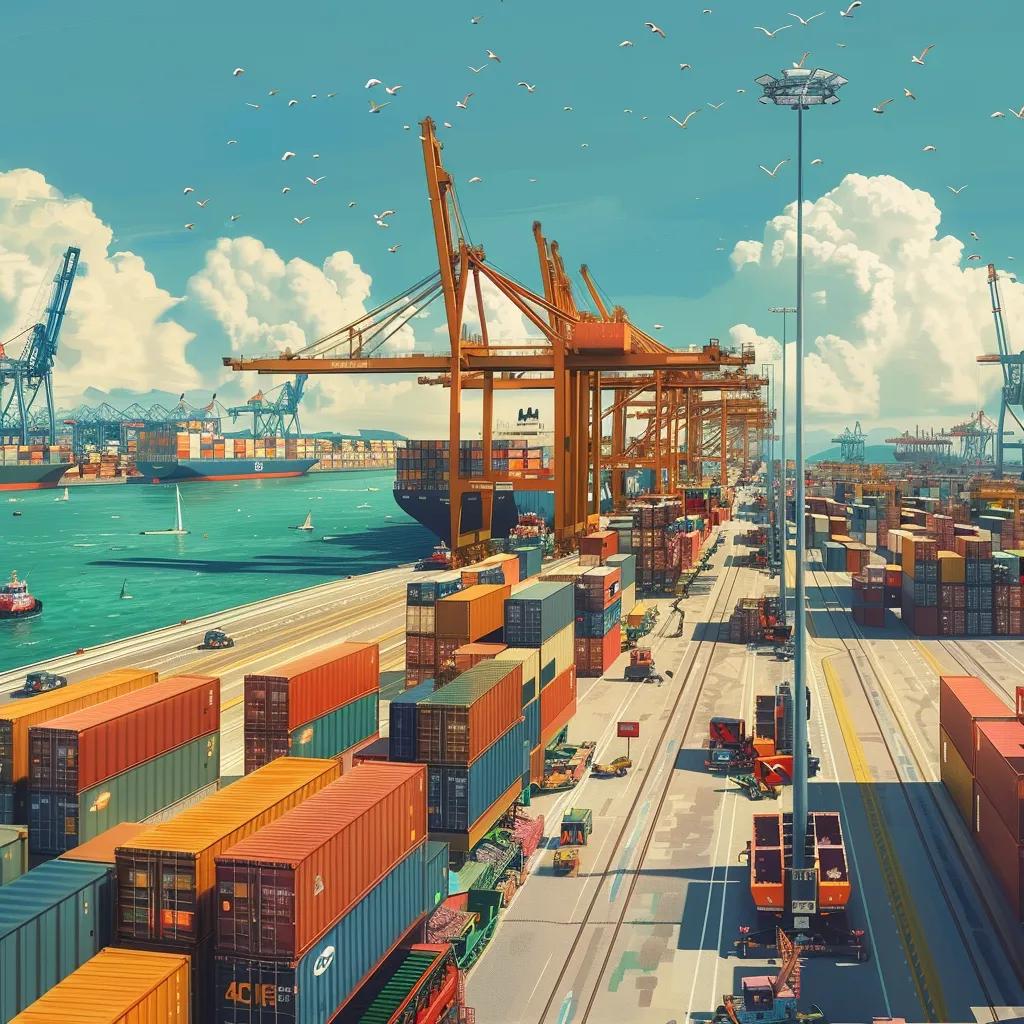
Global trade flows exceeding $18 trillion annually are shaped by tariffs, which different countries impose to balance revenue generation, market protection, and geopolitical strategy. This guide clarifies how import duties work, surveys regional and national tariff regimes, examines economic and consumer impacts, explores international frameworks, and offers practical navigation tips. We’ll cover:
- Fundamentals of tariffs and their policy drivers
- Regional and country-specific tariff schedules
- Economic, industrial, and consumer effects of trade barriers
- Roles of WTO, FTAs, MFN, GATT, and related agreements
- Compliance procedures, negotiation strategies, and dispute resolution
- Emerging trends like carbon border adjustments and digital services taxes
- Comparative data on the highest import duties worldwide
Understanding these dimensions equips businesses, policymakers, and traders to anticipate and manage the tariffs different countries will face.
What Are Tariffs and Why Do Countries Impose Them?
Tariffs are taxes on imported goods designed to raise government revenue, protect domestic producers, and influence trade balances; for example, steel tariffs defend local mills by making foreign steel more expensive. Governments apply levies to discourage certain imports and to respond to trade imbalances, ensuring policy goals like industry viability and regulatory alignment.
What Are the Main Types of Tariffs: Ad Valorem, Specific, and Compound?

Tariffs on imports take three primary forms—ad valorem, specific, and compound—each linking charges to value, quantity, or both to serve fiscal and protective functions.
- Ad Valorem Tariff applies a percentage of the declared value of goods, improving revenue predictability and aligning charges with price fluctuations.
- Specific Tariff charges a fixed fee per unit or weight, providing straightforward assessment and consistent protection for sensitive industries.
- Compound Tariff combines value- and unit-based rates to address products with volatile pricing while safeguarding domestic firms.
Each tariff type balances revenue mechanisms and market access constraints to meet policy objectives.
Types of Tariffs
Tariffs are categorized into ad valorem, specific, and compound types, each designed to serve distinct fiscal and protective functions. Ad valorem tariffs are based on a percentage of the goods’ value, specific tariffs are a fixed fee per unit, and compound tariffs combine both methods to address products with fluctuating prices while protecting domestic firms [1].
This information clarifies the different methods used to apply tariffs and their purposes.
How Do Harmonized System (HS) Codes Classify Goods for Tariffs?
Customs agencies use the Harmonized System to assign standardized six- to ten-digit codes, enabling precise tariff application and trade statistics.
This coding framework underpins tariff schedules and trade reporting, linking classification to duties and compliance.
What Is the Role of De Minimis Thresholds in Tariff Application?
De minimis thresholds exempt shipments below a specified value from duties, reducing administrative burden and facilitating small-scale trade.
- They streamline customs clearance by waiving duties for low-value imports.
- They encourage e-commerce by lowering costs for individual consumers and small businesses.
- They define clear value cutoffs that customs authorities can verify quickly.
By filtering minor transactions, de minimis provisions focus enforcement on higher-value trade flows and cut costs for low-value shipments.
Which Tariffs Will Different Countries Face? Regional and National Overviews
Countries adopt distinct schedules reflecting development levels, trade policy, and strategic priorities; these regimes shape industry competitiveness and consumer costs across regions.
What Are the Current Tariff Policies in the United States and Section 301 Implications?
The United States applies the Harmonized Tariff Schedule with ad valorem rates averaging around 3 percent, supplemented by Section 301 duties on targeted goods. Section 301 actions impose additional tariffs—often 15–25 percent—on imports from specific countries to counter unfair trade practices and protect intellectual property rights.
Tariff Policies in the United States
The United States employs the Harmonized Tariff Schedule with an average ad valorem rate of about 3 percent, alongside Section 301 duties targeting specific countries to counter unfair trade practices and protect intellectual property rights. These Section 301 actions can impose additional tariffs, often ranging from 15 to 25 percent, on imports from particular nations [2].
This citation provides details on the U.S. tariff policies and the use of Section 301 duties.
How Does the European Union Apply Tariffs Across Member States?
The European Union maintains a Common External Tariff, setting unified duty rates on non-EU imports. Ad valorem rates range from 0 percent on raw materials to over 14 percent on finished goods, with preferential quotas and tariff suspensions under various FTAs to facilitate member-state market access.
What Tariffs Are Imposed by the United Kingdom Post-Brexit?
Post-Brexit, the United Kingdom introduced the UK Global Tariff, replacing EU rates with a simplified schedule featuring zero duties on many consumer goods and specific levies—up to 8 percent—on vehicles, textiles, and electronics to support domestic manufacturing.
How Do Asia-Pacific Countries Like China, South Korea, and ASEAN Members Manage Tariffs?
Asia-Pacific economies apply mixed schedules:
- China’s average applied rate is around 7.4 percent, with higher duties on luxury goods and automobiles.
- South Korea uses preferential tariffs in FTAs with the US and EU, cutting duties on semiconductors and machinery.
- ASEAN members maintain variable rates—Indonesia around 19 percent average, Vietnam about 15 percent—to balance import revenue and industrial development.
What Are the Tariff Structures in Africa, the Middle East, and South America?
African, Middle Eastern, and South American nations exhibit broad variability:
- Many African Union members apply Common External Tariffs near 10 percent to protect emerging industries.
- Gulf Cooperation Council states often levy zero tariffs on intra-GCC trade, but apply up to 5 percent on non-member imports.
- South American economies like Brazil average 12 percent, with sector-specific duties above 20 percent on automobiles and electronics.
How Do Tariffs Impact Economies, Industries, and Consumers Globally?

Tariffs reshape market dynamics by altering relative prices, production incentives, and consumption patterns across the global economy.
What Are the Effects of Tariffs on Consumer Prices and Consumption?
Tariffs increase import costs that pass through to retail prices, reducing demand for taxed goods and shifting consumption toward domestic alternatives.
- Higher duties on electronics raise consumer expenditure and delay upgrade cycles.
- Levies on foodstuffs can elevate grocery bills, disproportionately affecting low-income households.
- Tariff-induced price hikes stimulate substitution toward local products, boosting domestic market shares.
These price shifts influence purchasing power and spending patterns across demographic groups.
How Do Tariffs Affect Key Industries Like Steel, Aluminum, Semiconductors, and Agriculture?
Impact of Tariffs on Industries
Tariffs significantly affect key industries, such as steel, aluminum, semiconductors, and agriculture. For example, steel tariffs protect domestic mills, raising construction costs, while agricultural tariffs support farmers but increase consumer prices [3].
This citation highlights the effects of tariffs on various industries and their strategic importance.
What Is the Relationship Between Tariffs, Economic Growth, and Unemployment?
Tariffs can have mixed macroeconomic effects: they may protect local jobs in target industries but undermine growth by raising costs and provoking retaliation. Protectionist duties often preserve employment in a finite set of firms while slowing productivity and overall expansion, potentially leading to higher unemployment elsewhere in the economy.
How Have Trade Wars and Tariffs Contributed to Recessions and Market Volatility?
Escalating duties during trade disputes generate uncertainty, disrupt supply chains, and dampen investment. Historical episodes—such as the US-China tariff escalation—correlate with slowed global GDP growth, stock market swings, and increased price volatility in key commodities.
What Role Do International Organizations and Trade Agreements Play in Tariff Regulation?
International bodies and treaties establish frameworks that constrain unilateral tariff setting and promote dispute resolution.
How Does the World Trade Organization (WTO) Influence Tariff Policies Worldwide?
The WTO enforces bound tariff commitments under the Most Favored Nation principle, monitors national schedules, and adjudicates disputes to ensure members honor agreed duty ceilings and reciprocity clauses.
What Are the Key Provisions of Free Trade Agreements (FTAs) Affecting Tariffs?
FTAs eliminate or reduce tariffs among signatories by establishing preferential duty rates, tariff-rate quotas, and harmonized rules of origin to facilitate tariff-free trade zones for goods meeting eligibility criteria.
What Is the Most Favored Nation (MFN) Principle and Its Effect on Tariff Rates?
The MFN principle requires WTO members to extend identical tariff treatment to all other members, preventing discriminatory duties and creating a level playing field for imports from MFN partners.
How Do Agreements Like GATT and the Trade Expansion Act Shape Tariff Frameworks?
The General Agreement on Tariffs and Trade (GATT) established multilateral reductions and bound rates in 1947, while the US Trade Expansion Act of 1962 granted executive authority to negotiate reciprocal tariff cuts and respond to trade barriers.
How Can Businesses and Traders Navigate Tariffs: Compliance, Policies, and Dispute Resolution?
Firms must master customs protocols, policy variations, and negotiation strategies to manage duties effectively and resolve conflicts.
What Are the Essential Customs Procedures for Managing Tariffs?
Businesses must classify goods accurately under HS codes, declare correct values, and provide certificates of origin; compliance with documentation, pre-arrival filings, and duty payment schedules ensures smooth clearance.
How Do Export and Import Policies Affect Tariff Application?
Export controls, preferential schemes, and import licensing affect duty exposure by granting exemptions, reducing rates under FTAs, or imposing special additional tariffs on sensitive goods through safeguard measures.
What Are the Common Methods for Tariff Negotiation and Dispute Resolution?
Negotiation techniques include leveraging reciprocal concessions, tariff-rate quota adjustments, and binding dispute settlement under WTO or bilateral forums; mediation and panel rulings offer structured pathways to lower or remove contested duties.
What Are the Future Trends and Changes in Global Tariffs?
Emerging policy instruments and geopolitical shifts will redefine tariff landscapes in the coming years.
How Are Emerging Tariff Policies Like Carbon Border Adjustment Mechanisms (CBAMs) Shaping Trade?
Carbon border adjustments impose levies on imports based on embedded emissions, incentivizing low-carbon production abroad and aligning environmental costs across supply chains.
What Are the Expected Impacts of Ongoing Trade Negotiations and Geopolitical Events on Tariffs?
Trade pact renewals and geopolitical tensions—such as regional security disputes—will cause tariff rate fluctuations, with likely increases on strategic goods like technology components and energy products.
How Might Digital Services Taxes Evolve Into New Forms of Tariffs on Digital Goods?
Digital Services Taxes, currently targeting revenue generated by technology platforms, could expand into import-style levies on software, cloud services, and digital media delivered across borders, effectively creating novel tariff categories.
Which Countries Have the Highest Import Tariffs and How Do They Compare?
Tariff peaks reflect protectionist stances and revenue reliance, varying substantially by economy and sector.
What Are Examples of Countries with the Highest Tariff Rates?
Countries such as Argentina, India, and Turkey record average applied tariffs above 10 percent, with peaks exceeding 30 percent on automobiles, textiles, and agricultural commodities.
How Do Tariff Rates Vary by Product and Sector Across Countries?
Textiles often face some of the highest duties—up to 40 percent in certain markets—while raw materials and critical inputs like semiconductors typically attract lower rates below 5 percent to support manufacturing competitiveness.
How Can Interactive Tools and Databases Help Track Tariff Rates Globally?
Online platforms offering searchable tariff databases and real-time rate trackers enable businesses to monitor changes by HS code, country pair, and trade agreement, facilitating proactive cost forecasting and compliance planning.
Tariffs remain an ever-present barrier in global trade, shaping cost structures, industry competitiveness, and consumer choices. Insight into tariff types, regional schedules, economic effects, and regulatory frameworks empowers stakeholders to anticipate shifts and adapt strategies. As environmental and digital levies emerge, continuous monitoring of policy developments will be essential for managing import costs and seizing new market opportunities. Understanding comparative duty regimes ensures that companies and governments alike can make informed decisions in an evolving trade environment.