Historic Win: Zohran Mamdani Elected New York City Mayor, Becoming City’s First Muslim and Youngest Mayor in a Century
Zohran Mamdani: NYC’s First Muslim and Youngest Mayor in a Century
Zohran Mamdani’s triumph in the 2025 New York City mayoral election marks a pivotal moment in the city’s political landscape: he is widely recognized as the city’s first Muslim mayor and among the youngest leaders to assume office in a century. This report aims to provide timely and accurate insights into this significant event, offering diverse content to foster transparency and accountability. It delves into the reasons behind Mamdani’s victory, identifies his key opponents, and scrutinizes the policy agenda he championed, with particular focus on implications for the South Asian and Pakistani diaspora. Readers will find a concise overview of the election’s historic aspects, a brief biography and identity analysis, a detailed policy assessment (including universal childcare and free buses), and a forward-looking evaluation of the political and community impacts expected during his inaugural year. Throughout, our coverage connects local developments to broader urban progressive movements and diaspora reactions, maintaining a focused and evidence-based approach for our global Pakistani readership. The subsequent section elaborates on the historic nature of this election and positions the outcome within New York City’s electoral narrative.
What Made Zohran Mamdani’s 2025 NYC Mayoral Election Historically Significant?
Zohran Mamdani’s election holds historic weight due to its convergence of identity and generational shifts: he is identified as New York City’s first Muslim mayor and one of the youngest individuals to lead the metropolis in the modern era, signaling a new chapter in representation and generational politics. The outcome reflects a progressive coalition that successfully challenged established political figures, leveraging youth and borough-level organizing to secure victory and thereby altering the city’s political equilibrium. Analysts view this result as part of a broader urban trend where progressive municipal platforms gain considerable traction on critical issues such as childcare, transit, and affordability. This broader context explains why the win resonates beyond local politics, suggesting policy innovations that could influence other major cities.
Election results can be effectively summarized by analyzing candidate performance across boroughs and the nature of their endorsements, clarifying comparative strengths and the messages that resonated most with voters. The table below offers a concise comparison of the primary candidates, their profiles, and qualitative performance observations for quick reader reference.
Distinct candidates approached the race with varied platforms and geographical strongholds, a contrast that ultimately guided voters toward a candidate who combined identity-driven representation with a forward-thinking progressive policy agenda.
Who Were Zohran Mamdani’s Principal Opponents in the NYC Mayoral Race?
Key opponents challenged Mamdani from across the ideological spectrum, each highlighting distinct priorities that sharpened voter choices. One prominent adversary championed law-and-order and public-safety messaging, appealing to constituents concerned about crime and municipal services, while another represented centrist or establishment factions, emphasizing managerial competence and continuity. These challengers secured endorsements from traditional local power centers and framed debates around fiscal prudence and relationships with Albany, presenting a clear contrast to Mamdani’s progressive platform. The presence of multiple high-profile challengers helped solidify Mamdani’s appeal among voters seeking generational change and systemic reforms.
The divergence in campaign themes established clear electoral divisions, enabling Mamdani to consolidate a coalition of progressive-leaning voters, young first-time participants, and borough-level organizers, thereby setting the stage for the turnout patterns discussed subsequently.
How Did Voter Turnout Impact the 2025 NYC Mayoral Election?
Voter turnout patterns proved pivotal, with notable surges among younger voters and in specific boroughs shifting the balance towards a candidate who effectively mobilized grassroots networks. Increased engagement from neighborhoods energized by housing and transit proposals translated into votes favoring progressive policy commitments, while targeted digital outreach significantly boosted turnout among demographics typically underrepresented. Turnout dynamics also reflected strategic organizing efforts: coordinated door-to-door canvassing, community forums, and extensive social media reach were instrumental in converting interest into ballots. A comparison of this turnout profile with prior cycles reveals a political environment where mobilization, rather than mere name recognition, determined close races.
Understanding these turnout dynamics clarifies how coalition-building and message discipline transformed policy commitments into electoral success, a pattern that will undoubtedly shape the incoming administration’s mandate and priorities.
Who Is Zohran Mamdani? A Profile of NYC’s First Muslim and Youngest Mayor
Zohran Mamdani’s trajectory from local activism and legislative service to citywide leadership is defined by a blend of identity-driven representation and a progressive policy platform focused on universal childcare, improved transit, and housing affordability. His political ascent followed a clear pattern of grassroots organizing, coalition-building with labor and progressive groups, and cultivating a public profile that emphasized systemic reforms in municipal governance. Observers note that his biography and legislative record positioned him as both an ideologically consistent progressive and a pragmatic coalition-builder adept at navigating complex city politics. This combination of background and approach was crucial in translating symbolic representation into actionable governing priorities.
Mamdani’s public narrative draws heavily on local community ties and a policy-first messaging strategy that directly addressed everyday urban challenges, and his personal story resonated deeply with voters seeking both representation and concrete municipal solutions. This profile elucidates why his identity and politics held such significant sway in tandem.
This section explores Mamdani’s political communication strategies, highlighting his approach to identity politics within a diverse urban environment.
What Is Zohran Mamdani’s Background and Political Journey?

Mamdani’s political journey progressed from community activism to legislative service, characterized by a campaign arc that prioritized progressive policy objectives and direct engagement with borough-level constituencies. His early career involved local advocacy and issue-based campaigns, which established his credibility on housing and transit concerns, while electoral experience in legislative bodies honed his policy skills and public visibility. Endorsements from progressive organizations and key community groups underscored his alignment with organized labor and activist networks, and targeted outreach helped broaden his support base. This trajectory from activist to mayor-elect exemplifies a pathway increasingly prevalent in urban progressive politics.
How Does Mamdani’s Identity Influence His Mayoral Role?
Mamdani’s identity as a Muslim and a member of the South Asian diaspora, combined with his youth, generates both symbolic representation and concrete expectations regarding inclusion and policy outreach. For many residents, his election validates broader civic representation, signaling that traditionally marginalized communities can achieve high office and significantly influence policy agendas. Concurrently, his identity raises legitimate concerns about potential backlash or targeted rhetoric; navigating these dynamics will necessitate deliberate outreach and security-conscious management of public discourse. His identity also shapes diplomatic and cultural visibility—local initiatives on religious inclusion, language access, and community partnerships will be closely scrutinized by diaspora audiences and civic groups alike.
Effectively managing identity-related expectations will constitute a central governance challenge and opportunity, as symbolic milestones must translate into inclusive policies and measurable outcomes for New York City’s diverse communities.
What Are Zohran Mamdani’s Core Policies and Progressive Agenda for NYC?
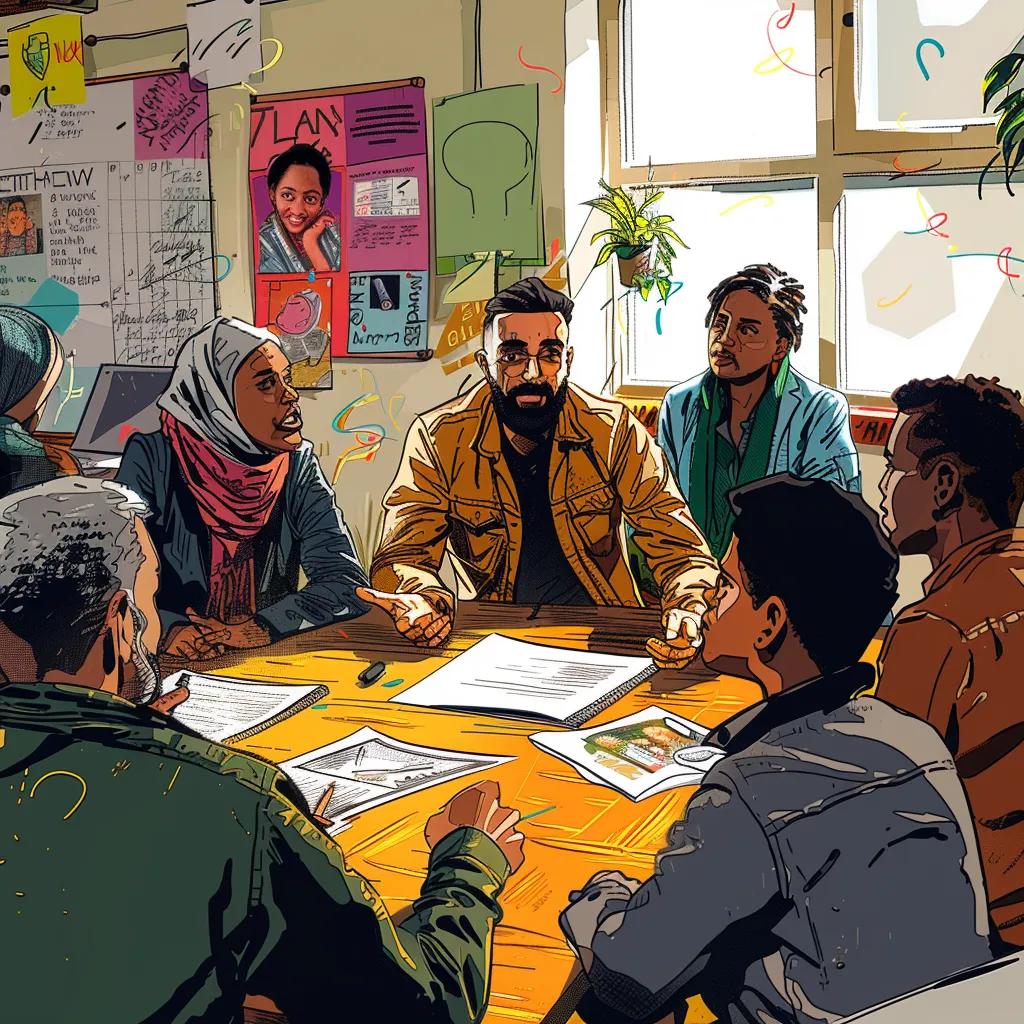
Zohran Mamdani campaigned on a focused set of flagship policies—universal childcare, free buses for specific riders, and comprehensive affordability measures—all designed to fundamentally reshape daily life for families and commuters. These policies aim to alleviate household costs, expand access to essential services, and address structural pressures within housing and transit systems. Proposed mechanisms include public funding reallocation, pilot programs to demonstrate effectiveness, and collaborative efforts with city agencies to ensure phased implementation. Each policy will encounter fiscal and legislative considerations that will determine its scope and timeline, making early budgeting decisions and stakeholder negotiations crucial for initial success.
Below is a direct comparison of three headline policies, clarifying their scope, projected impact, and anticipated implementation timelines for readers assessing feasibility and identifying beneficiaries.
A structured, phased approach will be indispensable for transitioning from campaign commitments to operational programs that tangibly enhance affordability and access across the entire city.
How Will Universal Childcare and Free Buses Affect New York City?
Universal childcare and targeted free bus initiatives are designed to reduce direct living costs and foster greater economic participation; universal childcare will support parents’ labor-force entry and early-childhood outcomes, while free buses will address last-mile mobility and affordability for commuters. The rollout of these programs will involve defining eligibility, implementing phased geographic pilots, and establishing partnerships with city agencies and community providers. Fiscal trade-offs are paramount: securing sustainable funding streams—through budget realignment, state collaboration, or new revenue sources—will dictate program scale and longevity. Operationally, childcare expansion necessitates workforce development for caregivers, while free-bus pilots require close coordination with transit authorities and service planners.
Successful pilots could yield measurable improvements in employment rates, school readiness, and commuter access, but effective implementation will demand concrete fiscal planning and iterative evaluation to scale programs efficiently.
What Solutions Does Mamdani Propose for NYC’s Affordability Crisis?
Mamdani’s platform outlines a dual approach combining short-term relief with long-term structural measures: emergency rent assistance, incentives for new affordable housing development, zoning reforms to encourage denser construction near transit hubs, and expanded subsidies specifically targeting the most rent-burdened households. Short-term measures aim to quickly stabilize households, while structural reforms seek to increase housing supply and curb rent escalation over time. Each proposal must navigate the intricate balance between city authority and state-level control—particularly, zoning and certain tenant protections necessitate broader coordination with Albany. Implementation, therefore, hinges on political negotiation and the administration’s capacity to forge legislative consensus or pilot initiatives locally within existing authority.
This comprehensive approach seeks to provide immediate relief while simultaneously working towards systemic supply-side changes that will reduce long-term housing pressures, acknowledging that measurable improvements in affordability will require sustained multi-year efforts.
How Does Zohran Mamdani’s Election Impact New York City Politics and Communities?
Mamdani’s election fundamentally recalibrates local party dynamics by strengthening the progressive wing within city politics and altering coalition calculations for upcoming local and borough-level contests. This realignment creates new opportunities for progressive policy experimentation while also generating friction with centrist actors and traditional party machines that previously held sway over endorsements and local infrastructure. Community impacts will vary significantly by borough and demographic group: neighborhoods that actively mobilized around housing and transit priorities may experience faster policy attention, while others will require targeted outreach to build new trust. This shift also signals potential changes in candidate pipelines, as citywide success encourages similar progressive candidacies in council and borough races.
Mapping these dynamics across communities clarifies which groups stand to benefit from near-term policy shifts and where the administration must concentrate its efforts on coalition maintenance and outreach to sustain a governing majority.
The table below details expected impacts across key communities, offering granular clarity for readers tracking constituency-level implications.
What Is the Impact on the South Asian and Muslim Diaspora?
For South Asian and Muslim residents, Mamdani’s election carries both profound symbolic and practical implications: it validates their representation in municipal leadership while simultaneously raising expectations for policy attention to community-specific needs such as language access, small-business support, and culturally competent services. Media coverage in diaspora channels frequently emphasizes pride and increased political leverage, while community leaders may press for concrete appointments and outreach initiatives to institutionalize engagement. Concurrently, diaspora communities will closely monitor for substantive policy follow-through rather than mere symbolic gestures, aiming to translate representation into measurable improvements in service delivery and opportunity.
This pattern of reaction—a blend of pride coupled with pragmatic expectations—will likely shape ongoing community engagement and media coverage.
How Does Mamdani’s Win Reflect a Progressive Shift in NYC Politics?
Mamdani’s victory reflects a maturing progressive coalition forged from organized labor, housing advocates, climate activists, and energized youth voters who collectively prioritized structural solutions to pressing urban problems. This pattern aligns with trends observed in other major cities where progressive municipal platforms achieve electoral success by focusing on tangible services and redistributive policies, rather than solely symbolic stances. The durability of this shift will depend on the administration’s ability to deliver successful pilot programs, maintain coalition cohesion, and effectively manage pushback from fiscal conservatives and state-level actors. If early programs yield clear benefits, this progressive realignment could reshape city politics for a generation; conversely, failure risks coalition fragmentation and a renewed centrist resurgence.
Understanding these dynamics is crucial for assessing whether Mamdani’s win represents a singular historic moment or the commencement of a longer-term realignment in urban governance.
What Challenges and Opportunities Await Zohran Mamdani’s Mayoral Term?
Mamdani inherits a complex institutional landscape where city governance intersects with state authority, constrained budgets, and the operational capacity of agencies tasked with service delivery. Key challenges include negotiating with Albany on funding and zoning authority, securing sustainable revenue for major programs, and ensuring city agencies can operationalize new pilots without disrupting existing services. Opportunities include demonstrating swift successes—well-scoped pilot programs for childcare or transit that deliver measurable benefits—to build political capital and broaden support. Early appointments and transparent budgetary actions can generate momentum for larger reform packages, while targeted community engagement will be indispensable for sustaining trust across diverse constituencies.
Below is a prioritized list of likely first-year objectives and measurable indicators that will signal early success for the administration.
- Appoint a diverse leadership team with clearly defined portfolios and measurable targets to operationalize campaign promises.
- Launch phased pilot programs for universal childcare and targeted free-bus routes, accompanied by rigorous evaluation metrics.
- Secure preliminary budget commitments and state engagement to unlock funding for affordability measures and housing initiatives.
What Political Obstacles Could Mamdani Encounter in Albany and City Hall?
Institutional friction with the state government in Albany presents a significant obstacle: zoning authority, rent-regulation frameworks, and certain funding streams necessitate state cooperation, which can impede or alter ambitious municipal plans. Within City Hall and the City Council, securing legislative support for budgetary reallocation and structural reforms will require skillful negotiation with council members representing diverse constituencies and interests. Agency capacity constraints and procurement timelines pose additional operational challenges that can delay program rollout. Overcoming these obstacles demands strategic compromise, evidence from pilot programs to build support, and careful calendar management to align local and state legislative windows.
If the administration can effectively sequence early pilots and secure demonstrable outcomes, it will mitigate resistance and create openings for broader legislative victories.
What Are the Expectations for Mamdani’s Administration During Its First Year?
Public expectations will primarily focus on key appointments, the rollout of pilot programs, and clear budget signals that affirm a commitment to the promises that secured the election. Measurable Key Performance Indicators (KPIs) for year one include the number of childcare slots created in pilot programs, the ridership and route performance of free-bus pilots, progress towards targeted rent relief disbursements, and transparency in budget reallocations. Media and public scrutiny will closely track these indicators, shaping the administration’s narrative and political capital. Delivering visible, data-backed results in these areas will help solidify support and reduce the risk of backlash from skeptics or rivals.
Clear communications and a disciplined implementation timeline are essential to convert an electoral mandate into operational credibility and durable policy change.
How Did Zohran Mamdani’s Victory Resonate Globally and Within the South Asian Community?
This report aims to inform and engage readers with timely and accurate news, current affairs, and diverse content, fostering transparency and accountability. Mamdani’s victory has elicited reactions across South Asian media and diaspora leaders, emphasizing symbolic pride, expectations for policy engagement, and cautious optimism regarding practical impacts. International observers generally frame the result as indicative of generational and demographic shifts in major Western cities, noting the broader resonance of diverse representation in civic leadership. While foreign-policy effects are inherently limited—mayors do not dictate national diplomatic agendas—municipal leadership can influence soft-power ties through cultural exchanges and city-to-city partnerships, attracting diaspora attention and fostering people-to-people connections.
The subsequent subsections categorize representative reactions and assess the realistic diplomatic reach of a mayoral office in bilateral contexts.
What Are the Reactions from Pakistani and South Asian Media and Leaders?
Pakistani and broader South Asian media coverage has prominently highlighted the symbolic nature of the victory and its profound significance for representation, framing the result as a moment of heightened diaspora visibility in global politics. Community leaders and opinion pieces emphasize both pride and practical expectations, advocating for inclusive municipal policies that address language access, small-business support, and equitable service delivery. Commentary in diaspora channels also underscores the necessity for sustained engagement rather than transient celebration, urging Mamdani’s team to institutionalize robust outreach mechanisms.
This consistent pattern of reaction—combining pride with pragmatic expectations—will likely shape ongoing community engagement and media coverage.
Could Mamdani’s Election Influence US-Pakistan Relations?
A city mayor’s institutional capacity to shape national foreign policy is inherently limited, rendering direct effects on US-Pakistan bilateral relations improbable; diplomatic relations remain primarily the purview of national governments and foreign ministries. However, symbolic impacts and soft-power channels can emerge: mayoral initiatives such as sister-city programs, cultural exchanges, and diaspora-focused economic partnerships can enhance visibility and foster people-to-people ties that complement formal diplomacy. Such municipal engagements can amplify mutual understanding and create auxiliary networks beneficial for cultural and business connections, though they do not substitute for state-level diplomatic machinery. This realistic delineation helps manage expectations regarding the international footprint of municipal leadership.
Municipal symbolic power, therefore, complements rather than replaces formal diplomatic channels, offering modest avenues for soft-power collaboration.
This report aims to inform and engage readers with timely and accurate news, current affairs, and diverse content, fostering transparency and accountability.
- Summary of Implications: Mamdani’s victory holds both symbolic and policy-relevant significance, particularly for communities seeking enhanced representation.
- What to Watch Next: Early administrative appointments, pilot program metrics, and Albany negotiations will be crucial in determining near-term success.
- Why It Matters: The election signals potential policy experiments that other cities may closely observe, while diaspora communities gain a new focal point for civic engagement and visibility.
This concluding note reiterates the article’s purpose and the outlet’s editorial mission, while directing readers to the practical benchmarks that will define the administration’s trajectory.
Frequently Asked Questions
What challenges does Zohran Mamdani face as NYC’s first Muslim mayor?
As New York City’s first Muslim mayor, Zohran Mamdani confronts distinct challenges, including navigating potential backlash against his identity and ensuring truly inclusive governance. He must address the expectations of diverse communities while carefully managing public discourse surrounding Islamophobia. Furthermore, Mamdani will need to forge robust coalitions across various political factions to effectively implement his progressive agenda. Balancing these complex dynamics will be paramount for maintaining trust and support among constituents, particularly within a city as diverse as New York.
How does Mamdani’s election impact youth engagement in politics?
Mamdani’s election is poised to inspire heightened youth engagement in politics, given that his campaign successfully mobilized younger voters who resonated with his progressive policies. His victory demonstrates unequivocally that young voices can influence significant political outcomes, thereby encouraging more young people to actively participate in civic activities and local governance. This shift could cultivate a more politically active generation, fostering a culture of engagement that prioritizes critical issues such as climate change, social justice, and economic equity.
What are the implications of Mamdani’s policies for low-income residents?
Mamdani’s policies, particularly those centered on universal childcare and comprehensive affordability measures, are specifically designed to directly benefit low-income residents. By reducing childcare costs and providing targeted rent relief, his administration aims to alleviate significant financial burdens on struggling families. These initiatives are structured to enhance access to essential services and improve overall quality of life, potentially leading to greater economic stability for low-income households across New York City.
How might Mamdani’s administration influence future mayoral candidates?
Mamdani’s success could significantly pave the way for future mayoral candidates who champion progressive platforms and represent diverse backgrounds. His election clearly demonstrates that identity-driven representation can resonate powerfully with voters, thereby encouraging similar candidates to emerge in subsequent elections. This shift may lead to a broader spectrum of voices in local politics, fostering a more inclusive political landscape that accurately reflects the city’s diverse demographics and effectively addresses the needs of its various communities.
What role does community engagement play in Mamdani’s governance?
Community engagement is a foundational element of Mamdani’s governance approach, as he consistently emphasizes the importance of actively listening to constituents and integrating their feedback into policy decisions. By fostering open communication channels and involving community members directly in the decision-making process, his administration aims to build profound trust and ensure that policies genuinely reflect the needs of diverse populations. This participatory approach is expected to enhance civic engagement and strengthen the vital relationship between the mayor’s office and the communities it serves.
How does Mamdani’s election reflect broader trends in urban governance?
Mamdani’s election reflects a discernible and growing trend in urban governance where progressive policies gain substantial traction in direct response to evolving community needs. His victory signifies a clear shift towards prioritizing social equity, environmental sustainability, and inclusive economic growth within city politics. This trend aligns with similar movements observed in other major cities, indicating a potential reconfiguration of urban governance that emphasizes collaboration, grassroots organizing, and heightened responsiveness to the diverse needs of residents.
Conclusion
Zohran Mamdani’s historic election as NYC’s first Muslim and youngest mayor signifies a profound shift in representation and progressive politics. His proposed policies on universal childcare and transit affordability promise to address pressing community needs while fostering greater civic engagement. As the administration embarks on its journey, close monitoring of early initiatives will be crucial for assessing their tangible impact on diverse constituencies. Stay informed about Mamdani’s progress and explore how these transformative changes could reshape urban governance in the years to come.