Home Decor Ideas and Inspiration: Interior Design Trends 2025 and Practical Styling Tips
Fresh, room-by-room guidance helps readers identify which interior design trends for 2025 are worth adopting, how to style small apartments on a budget, and practical DIY and sustainable choices that fit Pakistani homes and lifestyles. This guide explains the mechanics behind each trend—color psychology, texture layering, smart-home integration—and gives clear, actionable steps for living rooms, bedrooms, and kitchens. You will learn renter-friendly furniture choices, lighting plans that enlarge space visually, and affordable projects that deliver big aesthetic returns. The article also highlights how local textiles, artisans, and thrift resources can personalize modern looks without large budgets. Expect trend forecasting, room-specific checklists, step-by-step DIY mini-guides, and comparison tables to help you decide fast. Read on for contemporary styling ideas and practical implementation advice tailored to urban and compact living in 2025.
To provide timely and comprehensive news and current affairs coverage, keeping the audience informed and engaged with diverse content.
What Are the Top Interior Design Trends for 2025?
Interior design trends for 2025 center on earthy palettes, tactile layering, softened forms, sustainability, and stronger personalization that mixes global influences with local craft. These trends work because they combine visual calm (through muted, nature-derived colors) with tactile interest (through bouclé, fluting, and raw plaster), which together increase perceived comfort and longevity of design choices. Adopting these trends improves everyday wellbeing by creating spaces that feel curated and resilient—suitable for both urban apartments and larger family homes. Below we summarize the core trends, provide practical takeaways, and include a comparison table to help you apply each trend in Pakistani contexts.
Which Color Palettes Are Trending in 2025 Home Decor?
Color trends in 2025 favor earthy neutrals, muted greens, jewel-tone accents, and selective bold black details to create depth and modern contrast. Earthy neutrals (warm beige, terracotta, soft taupe) form calm base layers that pair well with Pakistani textiles like block prints or embroidered cushions, while muted greens introduce a restorative, biophilic quality to living spaces. Jewel accents—deep teal, garnet, and mustard—work best as small focal points in accessories or single-feature walls, giving personality without overpowering. Consider using hex-coded accents when shopping or painting to maintain cohesion and match textiles precisely for a balanced scheme.
How Are Textures and Forms Shaping Modern Interiors?
Textures and forms are crucial in 2025 because tactile contrast and curved silhouettes make rooms feel inviting and contemporary without relying on excessive ornament. Materials like bouclé upholstery, fluted wood or plaster panelling, and hand-trowelled plaster introduce layered surfaces that catch light and soften acoustics, improving both comfort and visual interest. Curved furniture—rounded sofas, arched shelving, and circular rugs—break rigid sightlines and create flow in compact layouts, while textured accents (wool throws, woven baskets) add warmth and hide wear in high-traffic areas. When layering textures, balance scale and sheen so no single finish dominates; this keeps the room feeling intentional rather than cluttered.
What Role Does Sustainability Play in 2025 Decor?
Sustainability in 2025 emphasizes durability, low-toxicity finishes, and circular practices such as upcycling and secondhand sourcing to reduce environmental impact while saving money. Choosing reclaimed wood, low-VOC paints, and natural textiles like linen or organic cotton lengthens product life cycles and often improves indoor air quality—practical gains especially relevant to urban families and renters. Small actions such as repairing upholstery, re-staining wood, or swapping cushions can vastly extend furniture life and reduce waste. A simple checklist—buy durable base pieces, prioritize non-toxic finishes, and source locally when possible—helps shoppers make economical, eco-aware choices.
How Is Personalization Influencing Home Styling?
Personalization in 2025 shifts rooms from purely curated magazine looks to layered, story-driven interiors that display family history and local craft. Mixing heirloom pieces, thrifted finds, and contemporary accents produces a distinctive, lived-in aesthetic that supports emotional attachment and long-term satisfaction. Display strategies—gallery walls with uniform frames, curated shelf clusters, or textile draping over benches—allow personal items to feel intentional rather than cluttered. For Pakistani homes, integrating block prints, embroidered cushions, or brassware into a neutral modern palette creates balance between tradition and contemporary design, making spaces both culturally resonant and current.
Different trends deliver distinct effects depending on scale and material, which helps prioritize changes based on budget and lifestyle.
This table helps you match each trend with a clear application and expected benefit, making it easier to decide which to adopt first. Understanding these choices leads naturally to practical small-space implementation strategies in the next section.
How Can You Decorate a Small Apartment with Style and Function?
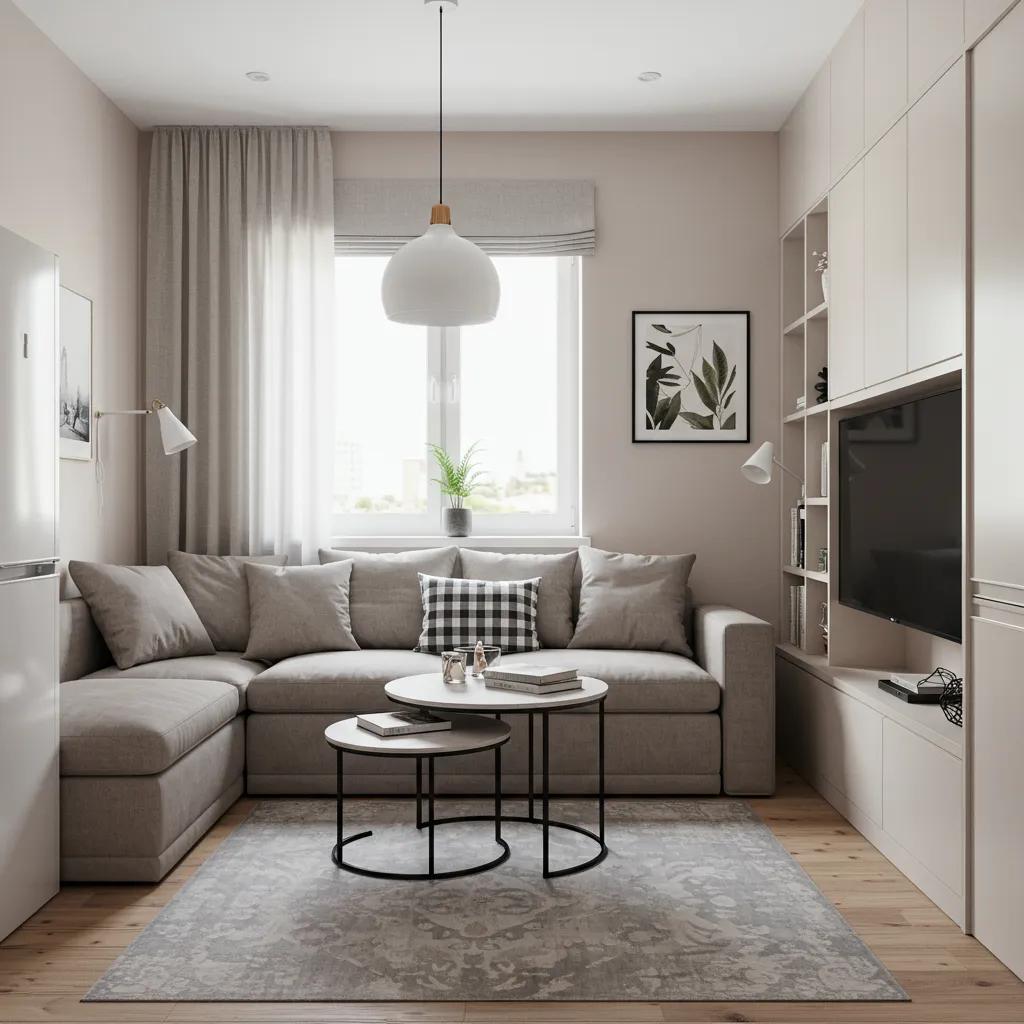
Small apartments succeed when every piece earns its place: multi-functional furniture, layered lighting, and color strategies that expand perceived space are essential. The right combination of compact storage, foldable surfaces, and vertical solutions creates daily functionality without sacrificing style. Below are practical furniture recommendations and quick rules for color and lighting that help make compact homes feel larger and more purposeful.
What Are the Best Furniture Choices for Small Spaces?
Choose multi-functional, modular, and scale-appropriate furniture—sofa beds, nesting tables, slimline storage units, and foldable desks—to maximize functionality while maintaining a clean aesthetic. Sofa beds and daybeds provide daytime seating and guest sleeping options without separate rooms; nesting tables and ottomans offer flexible surfaces that tuck away when not in use. Look for vertical storage like tall bookcases with lower baskets to keep floors clear and apply a simple placement rule: leave a 60–80 cm clear path for visual openness. Prioritize pieces with light frames or low profiles to preserve sightlines and make rooms feel airier.
How Do Color and Lighting Affect Small Apartment Decor?
Color and lighting alter perception: light, warm neutrals on ceilings and upper walls increase perceived height, while a single accent wall adds depth without closing the room. Use a three-layer lighting plan—ambient, task, accent—to avoid a flat, small-space look; ambient light creates general illumination, task fixtures support activities, and accent lighting highlights art or textures. Cooler light can make compact kitchens feel crisp, while warmer tones add coziness to bedrooms; dimmers are a high-impact, renter-friendly upgrade. Balancing paint choices with reflective surfaces—mirrors, glossy tiles—also helps bounce light and visually enlarge space.
What DIY Decor Ideas Work Well in Compact Homes?
Beginner-friendly DIYs that add storage and personality are ideal for renters: floating shelves, removable wallpaper panels, and modular textile hangings require modest time and budget but transform walls and organization. Floating shelves provide display space without floor footprint and can be installed with minimal hardware; removable wallpaper or self-adhesive panels create feature walls without permanent changes. Textile hangings using local fabrics introduce color and texture while remaining reversible for rentals. These small projects increase storage and style while keeping installation straightforward and low-cost.
Practical small-space strategies naturally lead into living room-specific guidance where layout and comfort are prioritized next.
What Are Essential Living Room Decorating Tips for a Stylish Home?
The living room should balance seating comfort, traffic flow, and a cohesive palette that supports both relaxation and entertaining. Proper furniture layout, layered lighting, and curated textiles create a flexible social space, while targeted art and accessories add identity without clutter. Below are selection criteria for furniture, palette options, and lighting recommendations that work in contemporary homes.
How to Choose the Right Furniture for Your Living Room?
Select furniture by scale, function, and proportion: measure room dimensions, plan circulation paths, and choose pieces that meet daily activities while leaving visual breathing room. A five-point checklist helps guide purchases: measure, prioritize function, choose modular or multi-use pieces, match scale to room, and prefer forgiving upholstery that tolerates wear. Low-profile sofas and slender-leg coffee tables preserve sightlines and make the room feel larger, whereas bulky, high-backed pieces can overwhelm compact living rooms. Prioritizing flexibility—modular seating or occasional chairs—ensures the layout adapts to guests or changing needs.
Which Color Palettes Enhance Living Room Ambiance?
Different moods demand different palettes: cozy rooms use warm taupes and rusts, bright social spaces favor light neutrals with jewel accents, and formal living areas benefit from muted greys with black details for contrast. Pair base wall colors with textured textiles—woven rugs, embroidered cushions—to anchor the room and connect contemporary furniture with local craft. Accent colors should be introduced through small items like vases, cushions, or an area rug to allow easy updates over time. For Pakistani homes, integrate traditional block prints or ikat cushions as accent layers within a neutral modern base to blend heritage with modernity.
How to Incorporate Lighting for Comfort and Style?
Layered lighting—ambient ceiling fixtures, task lamps for reading, and accent lighting to highlight art—creates flexible ambiance for daily life and entertaining. Use floor lamps to provide vertical light and table lamps to create intimate pockets, while adjustable wall sconces save space in smaller rooms. Dimmer switches allow a single fixture to serve multiple moods and are a cost-effective improvement for both comfort and energy use. Intentional placement, such as reading lamps beside seating and picture lights above art, aligns function with style and prevents dark corners that shrink perceived space.
How Can Pakistani Art and Textiles Enrich Living Room Decor?
Pakistani art and textiles provide color, pattern, and cultural narrative that enrich contemporary interiors without overwhelming modern lines. Display framed miniature paintings or textiles in uniform frames to create cohesive galleries, and layer embroidered cushions or block-printed throws on neutral sofas for contrast. Small brass or carved-wood accessories offer tactile focal points that reference craft traditions and pair well with earthy color palettes. Curating a few well-placed cultural pieces ensures authenticity while keeping the overall scheme modern and uncluttered.
Regional Textile Products of Pakistan for Interior Furnishings
Pakistan has a rich culture and crafts which are deeply rooted in interior textiles in the form of use of colors, designs, materials, and of course the minds which combine them to a memorable piece. The purpose of the study is to find out the use of fabric as a textile product in the interior and to find out the best type of design, texture, color, and pattern in textiles interiors as a fabric. The data are depicted through pictures taken form homes and interviews of house ladies also helped to find out choices for interior textiles. The survey of household textiles concluded that a variety of color, design, and texture is available in fabrics, household ladies prefer
Exploration of fabric typology for interior furnishings with reference to regional textile products of Pakistan, 2021
Thoughtful living room choices flow naturally into bedroom strategies that prioritize rest and style next.
What Are Creative Bedroom Styling Ideas for Comfort and Aesthetics?
Bedrooms should prioritize rest while reflecting personal style through textures, calming palettes, and practical storage solutions. Choosing the right furniture, textiles, and lighting makes bedrooms both restful and beautiful. The following subsections address furniture balance, relaxing color schemes, trending textiles, and lighting approaches that support sleep and comfort.
How to Select Bedroom Furniture That Balances Style and Comfort?
Balance ergonomics and aesthetics by choosing a supportive mattress and a bedframe with integrated storage or minimal footprint depending on space needs. Consider storage-friendly pieces—beds with drawers, tall wardrobes, and under-bed boxes—to reduce visual clutter while keeping essentials accessible. Select bedside tables sized proportionally to the bed and choose materials that coordinate with other finishes in the room. Prioritize a comfortable headboard for reading and durable upholstery that tolerates daily use to merge comfort with longevity.
Which Color Schemes Promote Relaxation in Bedrooms?
Calming bedroom palettes use cool muted blues, soft greys, and warm neutrals to signal restfulness to the brain and reduce stimulation before sleep. Apply color in layers: base wall color, mid-tone bedding, and deeper accent pillows or throws to create depth without busyness. Soft matte finishes reduce glare and foster a tranquil atmosphere, and small warm accents (wood tones, terracotta) add groundedness. Selecting textiles with natural fibers like linen or cotton supports breathability and a tactile sense of comfort.
What Are Trending Textiles and Soft Furnishings for Bedrooms?
Trending bedroom textiles include textured bouclé cushions, breathable linen sheets, and sustainable organic cotton duvets that combine tactile appeal with practical care. Layering works best when mixing scales—fine linen sheets, chunky knit throws, and patterned cushions—to create depth while maintaining a restful base. Consider care requirements: machine-washable covers and breathable materials help extend freshness and reduce maintenance effort. Proper textile choices support both sleep quality and the room’s overall aesthetic.
How to Use Lighting to Create a Cozy Bedroom Atmosphere?
Use a dimmable main light alongside bedside lamps and soft accent lighting to create tiers of light appropriate for reading, dressing, and winding down. Warm color temperatures (2700–3000K) encourage relaxation, while task lighting focused on bedside tables supports nocturnal reading without bright overhead glare. Install switch locations that are convenient from bed and use layered small lamps and string lights to add ambient warmth. These lighting strategies support circadian-friendly routines and make bedrooms more inviting and restful.
From restful bedrooms we move to kitchen ideas that modernize surfaces and accessories without full renovations.
How Can You Inspire Your Kitchen Decor with Modern Ideas?
Modern kitchen decor updates often focus on surface finishes, mixed-material cabinetry, improved lighting, and accessories that add personality without a full remodel. Small interventions—new hardware, open shelving, or strategically placed art—deliver high visual impact for modest investment. The following subsections outline cabinet and surface trends, lighting strategies, and accessory choices that modernize kitchens while retaining practicality.
What Are the Latest Kitchen Cabinet and Surface Trends?
Two-tone cabinets, matte laminates, and engineered stone countertops lead current kitchen trends because they balance durability with refined texture and low maintenance. Matte finishes hide fingerprints and pair well with warm wood accents or bold lower cabinetry, while engineered stone offers resilience and a premium look for food-prep surfaces. Consider local sourcing for laminates and stone alternatives to control cost and support regional suppliers. Choosing durable surfaces helps kitchens remain functional and stylish for years.
How to Choose Functional and Stylish Kitchen Lighting?
Kitchen lighting needs strong task illumination over work surfaces, ambient light for the room, and accent lighting for shelves or displays to create depth and functionality. Pendant lights above islands and under-cabinet LEDs over counters combine utility with decorative impact; choose fixtures with focused beams for prep zones and wider diffusion for general light. Incorporate dimmers to shift from bright cooking light to softer evening ambiance. Proper placement ensures safety and elevates the kitchen’s visual appeal.
What Accessories and Wall Decor Enhance Kitchen Spaces?
Accessories that combine function and style—wall hooks, magnetic knife strips, framed prints, and potted herbs—personalize kitchens while keeping counters clear and organized. Choose wall decor resistant to humidity: sealed prints, ceramic tiles, or metal accents that tolerate kitchen conditions. Open shelving with neatly styled jars and a small rotated selection of cookbooks can act as both storage and display. Thoughtful accessories complete a kitchen refresh without large expense or disruption.
These kitchen choices are complemented by simple DIY projects and affordable upgrades outlined next.
Which DIY and Budget-Friendly Home Decor Projects Are Easy to Start?
Beginner-friendly projects, thrifting strategies, and targeted upgrades can transform rooms affordably and quickly. Focus on projects that change surfaces or introduce texture—wall art, refurbished furniture, and new hardware deliver outsized visual returns. Below are stepwise guides for simple wall art projects, thrift integration tactics, and top affordable upgrades, plus a comparison table to plan costs and time.
What Are Simple DIY Wall Art Ideas for Beginners?
Low-skill wall art projects—canvas dip-dye panels, framed textile swatches, and simple macramé hangings—create focal points with minimal tools and cost. A basic canvas dip-dye requires a primed canvas, acrylic paints diluted with water, and a steady hand to layer gradients; allow 24 hours drying before framing. Framing locally sourced fabric or embroidered textile pieces highlights craft and adds cultural resonance while keeping the frame removable for renters. These projects take 1–3 hours and cost under modest budgets, yet deliver immediate stylistic impact.
Different DIY projects vary in supplies, difficulty, and cost; the table below helps compare options so you can prioritize based on time, budget, and skill.
How Can Thrifting Add Unique Pieces to Your Home?
Thrifting uncovers unique furniture, frames, and decorative objects that can be refinished for contemporary use and personality. Look for solid-wood frames, brass accessories, and structural furniture in good condition that can be sanded, painted, or reupholstered. Simple refurbishments—cleaning, new hardware, or a coat of paint—can transform vintage finds into modern statements. Integrating thrifted pieces with neutral contemporary bases helps maintain cohesion and prevents a mismatched look.
What Affordable Upgrades Make a Big Impact?
High-impact, low-cost upgrades include replacing hardware, updating light fixtures, repainting cabinets, and switching textiles—each offers a strong visual shift for modest investment. New cabinet handles and door knobs update the kitchen’s perceived quality, while changing lamp shades and cushion covers refresh the mood in living spaces. Paint remains the most transformative tool: a feature wall or repainted furniture piece can alter room perception dramatically. Rank these upgrades by impact-to-cost to plan a phased refresh that fits your budget and schedule.
A compact EAV-style table below summarizes DIY project variables to help you choose the best starter tasks.
These practical comparisons guide cost-effective decisions and encourage starting with projects that deliver visible returns quickly.
How Can Sustainable and Smart Home Decor Improve Your Living Space?
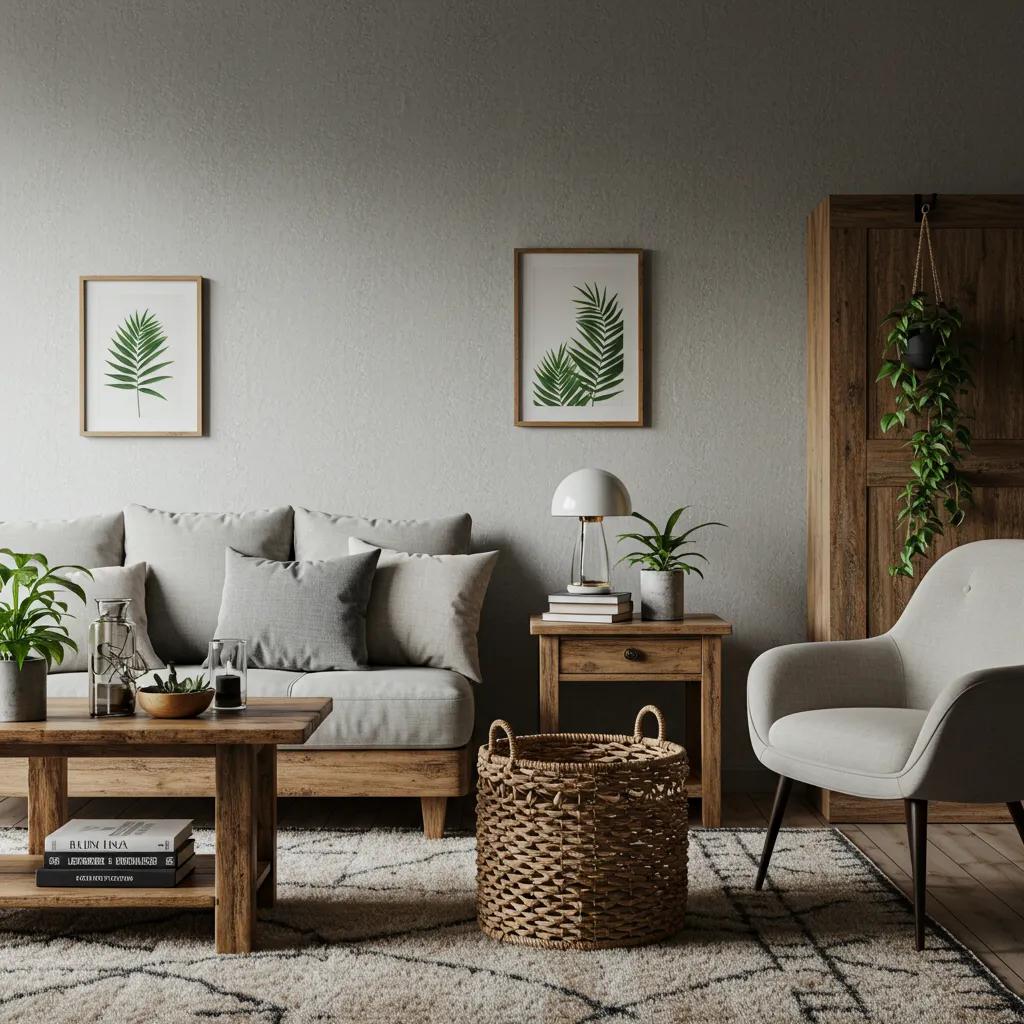
Sustainable and smart-home choices improve comfort, efficiency, and long-term value while supporting healthier indoor environments. Practical swaps—reclaimed wood, low-VOC paints, and natural textiles—reduce environmental impact and improve durability, and discreet smart devices can enhance convenience without compromising style. Below we list actionable sustainable items, integration tips for smart features, and explain why wellness-focused design matters for everyday living.
What Are Practical Sustainable Home Decor Ideas?
Practical sustainable swaps include reclaimed or responsibly sourced wood furniture, low-VOC or water-based paints, natural fiber textiles, and secondhand furniture refurbished for longevity. These choices lower embodied carbon and often reduce exposure to harmful chemicals, improving indoor air quality. Local sourcing and repairs further reduce waste and support regional craft economies, which is particularly valuable when integrating Pakistani artisans and textiles. Prioritize durable base pieces, and use accessories to experiment with trends rather than replacing core furniture frequently.
To provide timely and comprehensive news and current affairs coverage, keeping the audience informed and engaged with diverse content.
How to Integrate Smart Home Features with Stylish Decor?
Integrate smart lighting, thermostats, and discreet voice assistants by selecting devices with simple forms or hiding them in cabinetry and behind decorative panels to preserve aesthetics. Smart bulbs in familiar lamp fixtures allow scene control without visible tech, while wall-mounted thermostats with minimalist faces blend with modern decor. For budget-conscious setups, start with smart plugs and bulbs to gain automation benefits before investing in integrated systems. This staged approach keeps style central while adding measurable convenience.
Why Is Wellness-Focused Design Important in Modern Homes?
Wellness-focused design—good light, airflow, and non-toxic materials—directly supports sleep quality, comfort, and mental wellbeing, making daily life healthier and more productive. Biophilic touches, such as indoor plants and natural textures, reduce stress and improve perceived air quality; ventilation and low-emission materials further support respiratory health. Implement simple steps: add plants suited for indoor conditions, prioritize opening windows daily, and choose soft lighting for evenings. These changes are practical, measurable, and align with broader sustainability goals, improving both comfort and long-term wellbeing.
This final section connects sustainable and smart choices to tangible benefits and local opportunities, completing a practical roadmap for modern, culturally resonant home styling.
Conclusion
Embracing the latest interior design trends for 2025 can transform your living space into a stylish and functional haven. By integrating earthy palettes, layered textures, and sustainable choices, you not only enhance your home’s aesthetic but also promote a healthier environment. Explore our curated selection of decor ideas and practical tips to elevate your home today. Start your journey towards a beautifully designed space that reflects your unique style and values.