Human Rights Violations in Pakistan: Understanding Key Issues and Legal Implications
Human rights violations in Pakistan encompass a range of abuses that affect civil liberties, minority protections, and custodial justice, shaping political life and public trust across regions. This article explains the principal violations, relevant laws, regional patterns, and practical avenues for redress, with an emphasis on recent legal changes such as the Torture and Custodial Death (Prevention and Punishment) Act, 2022, and statutory shifts through 2024.
About ARY News: “To provide timely and comprehensive news and current affairs coverage, keeping the audience informed and engaged with diverse content.”
Readers will gain clear definitions, regional context (including Balochistan), legal frameworks, and step-by-step actions citizens and organizations can take to document and respond to abuses. The guide integrates plain-language legal explainers, EAV-style comparison tables, and actionable lists so activists, lawyers, journalists, and concerned citizens can move from understanding to practical advocacy. Each H2 section below addresses a focused question, followed by concise H3 subsections that unpack definitions, mechanisms, examples, and remedies.
What Are the Main Human Rights Violations in Pakistan?
Main human rights violations in Pakistan include enforced disappearances, custodial torture and deaths, restrictions on freedom of expression, attacks on religious and ethnic minorities, and gender-based violence; each harms communities, undermines rule of law, and produces long-term social trauma. These issues result from a mix of legal gaps, weak oversight, and security-driven policies that prioritize stability over accountability, and they vary in prevalence across provinces such as Balochistan, Khyber Pakhtunkhwa, Sindh, and Punjab. Understanding these violations requires concise definitions, prevalence markers, and one-line impacts to clarify how violations manifest in daily life. The list below defines primary violations and their immediate effects for featured-snippet clarity, while the following table provides a compact EAV comparison to aid quick reference and reporting.
The core violations and quick definitions include:
- Enforced disappearances — People are taken by state or state-linked actors without accountability, causing fear and family displacement.
- Custodial torture and deaths — Physical abuse in detention that leads to injury or death and erodes trust in criminal justice institutions.
- Restrictions on freedom of expression — Laws and tactics that censor media, block internet access, or criminalize dissent.
- Attacks on minorities — Religious and ethnic minorities face violence, discrimination, and barriers to justice that lead to social marginalization.
- Gender-based violence — Women and transgender persons encounter domestic violence, honor-based crimes, and legal exclusion that limit their rights.
These categories set the stage for a focused EAV comparison that helps journalists, lawyers, and advocates prioritize documentation and legal strategy.
Different violations show distinct patterns across regions and systems:
Which types of violations affect Pakistan most frequently?
Enforced disappearances, custodial torture, suppression of free speech, assaults on religious minorities, and gender-based violence recur most frequently and shape civil liberties in Pakistan. Each category intersects with legal instruments and security policies that can either enable or constrain rights, and the frequency of incidents often correlates with regional conflicts and political cycles.
Data compiled by domestic commissions and international observers consistently highlight Balochistan for disappearances and urban detention centers for custodial abuse, while legal changes in 2024 have intensified debates over expression and assembly rights.
These patterns inform where monitoring resources and legal assistance should be concentrated to prevent further abuses.
How do enforced disappearances impact Pakistani society?
Enforced disappearances produce profound social and political consequences: families face long-term uncertainty, communities experience fear that curtails dissent, and civic participation declines where trust in institutions collapses. The social cost includes trauma, economic hardship for affected households, and political polarization as victims’ relatives mobilize for accountability; these dynamics feed cycles of grievance and instability, especially in conflict-affected provinces. Public protests and documentation efforts often arise as families demand answers, yet those efforts can invite further repression in fragile regions. Understanding these social impacts helps shape protective strategies and targeted legal interventions.
What is the current situation of custodial torture and deaths?
Custodial torture and deaths remain pressing concerns across police and detention facilities, with oversight shortfalls and sporadic prosecutions undermining accountability. The Torture and Custodial Death (Prevention and Punishment) Act, 2022, introduced legal definitions and mechanisms intended to criminalize torture and improve investigations, but implementation challenges—such as limited forensic capacity and institutional resistance—hinder effective enforcement. Documented cases include both severe injuries and deaths in custody, which civil society groups systematically record to press for prosecutions and reforms. Building forensic, legal, and monitoring capacity is essential to translate statutory protections into real deterrence and redress.
How Are Enforced Disappearances Addressed in Pakistan?
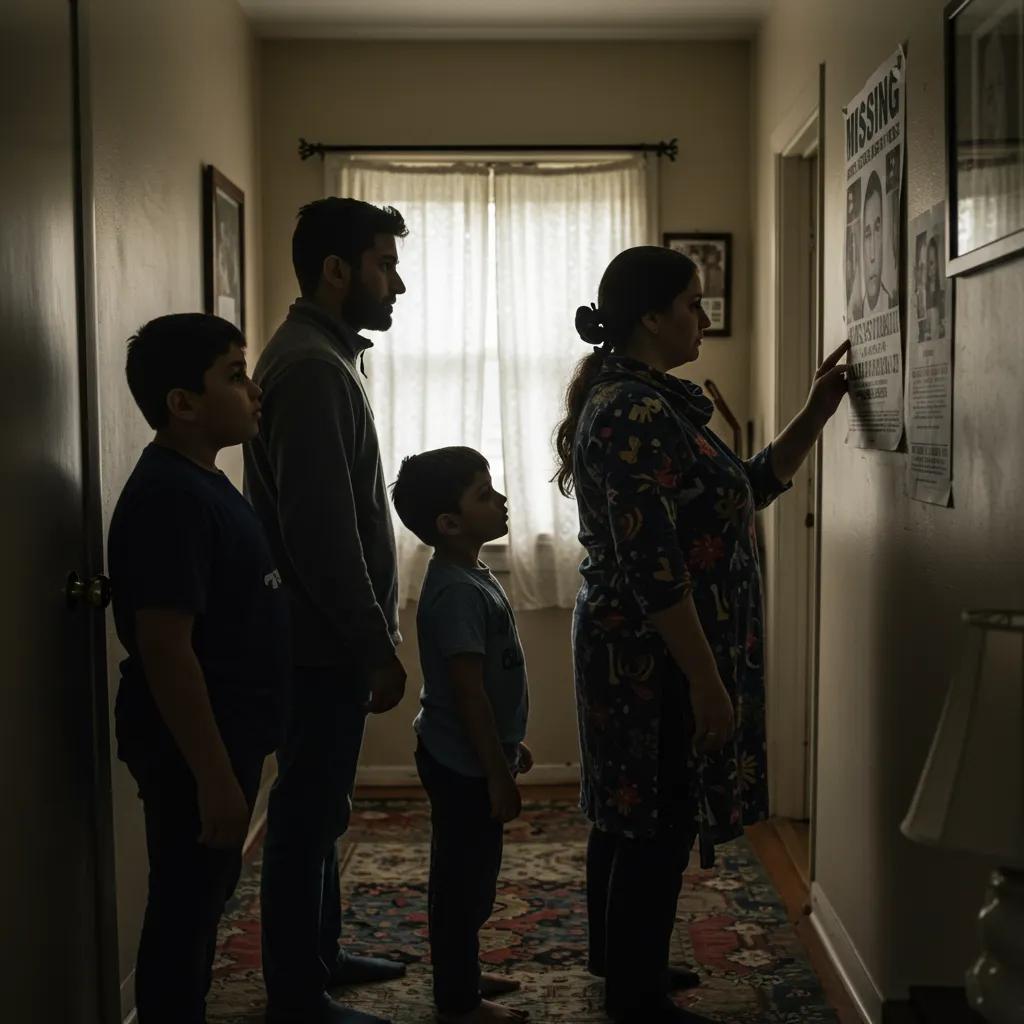
Enforced disappearances are formally addressed through a mix of judicial mechanisms, missing persons commissions, national laws, and NGO documentation efforts, yet institutional weaknesses and contested security narratives limit effectiveness. The legal framework includes broad criminal provisions and the Torture and Custodial Death (Prevention and Punishment) Act, 2022, as a component of custodial justice, while commissions and human rights organizations document cases and pursue litigation or international advocacy. Civil society plays a critical role in compiling testimonies, sustaining family networks, and bringing cases to national courts and international fora. The table below compares laws, commissions, and NGOs by role and limitations to show where gaps impede resolution and what reforms advocates recommend.
The following table compares legal bodies and civil society responses to missing persons, clarifying responsibilities and common obstacles.
What regions in Pakistan are most affected by enforced disappearances?
Balochistan is a primary hotspot for enforced disappearances, with historical patterns tied to insurgency, militarized responses, and weak local protections that create higher incidence rates than many other provinces. Other regions experience cases linked to counter-insurgency operations and political suppression, particularly in areas with active security interventions. Local NGO and UN observations consistently point to concentrated patterns in specific districts, where disappearances have long-term impacts on local governance and community cohesion. Mapping these regional trends informs monitoring priorities and legal strategies tailored to local contexts.
Which laws govern enforced disappearances and missing persons?
Enforced disappearances are primarily situated within criminal law, constitutional protections, and specific statutes like the Torture and Custodial Death (Prevention and Punishment) Act, 2022, that touch on custodial harms; Pakistan’s international treaty obligations also frame state responsibilities. In practice, gaps between legal text and investigative capacity, witness protection, and independent oversight create barriers to accountability. Civil society frequently invokes both domestic law and UN recommendations to press for inquiries and prosecutions, while lawyers use habeas corpus and related remedies to secure information or releases. Recognizing where national law falls short helps guide reform proposals and litigation strategies.
What is the role of the Torture and Custodial Death (Prevention and Punishment) Act, 2022?
The Torture and Custodial Death (Prevention and Punishment) Act, 2022, establishes criminal liability for torture and custodial deaths, mandates investigative procedures, and seeks to align domestic law with international standards on custodial protections. Key provisions specify offenses, responsibility of custodial authorities, and penalties aimed at deterrence, while also setting out investigatory obligations for medical and law-enforcement bodies. Implementation has been uneven due to resource limitations, forensic shortfalls, and institutional reluctance to pursue internal accountability; nonetheless, the Act provides a legal tool advocates use to press for prosecutions and reforms. Sustained monitoring and capacity-building are needed to make the statute an effective deterrent and remedy.
How do local organizations and activists respond to disappearances?
Local organizations and activists document cases, provide legal aid to families, organize public demonstrations, and pursue national and international advocacy to keep cases in the spotlight and pressure authorities for answers. NGOs use systematic case databases, forensic partnerships, and strategic litigation to create evidentiary records that can withstand legal scrutiny and attract media attention. Families’ collectives often sustain campaigns over years, and international partners amplify cases with UN experts and human rights groups. These combined strategies create pressure points that can lead to inquiries, law reforms, or international recommendations when domestic mechanisms fail.
What Are the Challenges to Freedom of Expression in Pakistan?

Challenges to freedom of expression in Pakistan encompass legal restrictions, administrative controls like internet shutdowns, licensing or pressure tactics against media outlets, and threats—both legal and physical—against journalists and activists. Recent provincial laws, widely discussed in 2024, introduced mechanisms perceived by critics as chilling free speech, and enforcement actions such as blocking platforms or prosecuting dissenters have intensified concerns. These pressures operate through a mix of formal legal instruments and extralegal intimidation that together create a constrained civic space. The section below summarizes the legal mechanisms, technical controls, and frontline threats that shape expressive freedoms.
The primary channels restricting speech are both statutory and operational:
- Statutory restrictions — New provincial acts and defamation provisions criminalize certain speech and raise penalties that deter public debate.
- Technical controls — Internet shutdowns and platform blocking impede information flow and emergency communications during unrest.
- Extralegal pressure — Harassment, threats, and economic leverage pressure media houses and individual journalists to self-censor.
Together, these mechanisms produce a layered chill on public discourse that undermines accountability and makes reporting on rights violations riskier for civil society actors.
How do laws like the Punjab Defamation Act, 2024, restrict free speech?
The Punjab Defamation Act, 2024, introduced criminal defamation provisions with penalties and procedural mechanisms that critics argue widen grounds for prosecuting journalists, critics, and political opponents, thereby creating a deterrent effect on investigative reporting. By expanding definitions and increasing potential sanctions, such laws can be used selectively to target dissent, encourage self-censorship, and burden media outlets with legal risk. Legal commentators and civil society warn that without safeguards—such as proportional penalties, strong defenses for public-interest reporting, and independent oversight—defamation statutes can impair democratic debate. Monitoring strategic litigation and public-interest defenses is essential to preserve space for scrutiny.
What impact do internet shutdowns and media censorship have?
Internet shutdowns and media censorship disrupt essential communication, hamper emergency responses, and limit citizens’ access to timely information, making them blunt tools that affect journalists, businesses, and protest coordination. Shutdowns fragment the public sphere, hinder fact-finding in crisis moments, and reduce transparency around state actions, while censorship and platform blocking limit investigative reporting and whistleblower disclosures. International observers and domestic advocates argue that such measures should be narrowly tailored, time-limited, and subject to judicial review to prevent disproportionate harm to rights and public safety. Restoring access and transparency after shutdowns is critical to rebuilding trust and enabling independent reporting.
How do journalists and activists face censorship and threats?
Journalists and activists confront a spectrum of threats: legal suits and arrests under expansive laws, physical attacks and intimidation, economic pressures such as withdrawal of advertising or licensing, and digital surveillance that compromises sources. These pressures encourage self-censorship, reduce investigative capacity, and push critical voices into exile or silence, weakening accountability. Protection mechanisms—such as legal defense funds, safety training, and international advocacy—mitigate risks but are unevenly available and sometimes insufficient against coordinated suppression. Strengthening independent media institutions and legal protections for reporters is necessary to sustain public-interest journalism.
How Are Minority and Religious Rights Protected in Pakistan?
Protection of minority and religious rights in Pakistan combines statutory safeguards, criminal laws like blasphemy provisions, and NGO programs, yet systemic discrimination and the misuse of certain statutes create persistent vulnerabilities for religious minorities. Minority communities face discrimination in access to justice, public services, and security, which is compounded when blasphemy allegations trigger vigilante violence or quick mobilization of hostile actors. Domestic human rights organizations and international observers document patterns of forced conversions, targeted attacks, and institutional failure to provide timely redress. Understanding both legal protections and their implementation gaps clarifies where policy and advocacy can improve minority safety.
Legal frameworks provide formal rights but struggle in practice due to social pressures, weak investigations, and politicization; remedies therefore require both legal reform and community-level protection measures. The sections below detail the common abuses minorities encounter, how blasphemy laws are applied, and the practical protections available through statutes and NGO programs.
What human rights issues do religious minorities face?
Religious minorities in Pakistan experience discrimination, violent attacks, property disputes, and obstacles to fair prosecution of crimes against them, producing social exclusion and migration pressures from affected communities. Barriers to reporting include fear of reprisals, biased local authorities, and slow judicial processes that deter victims from seeking redress. Such dynamics erode minority confidence in state protection and often push community leaders to rely on NGOs and international advocacy for safety and legal assistance. Addressing these systemic issues requires both administrative reforms and strengthened accountability mechanisms.
How does blasphemy law affect minority communities?
Blasphemy laws carry severe legal penalties and create social conditions where accusations can prompt mob violence, extrajudicial attacks, and protracted legal limbo for the accused; the real-world consequences thus extend beyond court outcomes to community security and interfaith relations. While intended to protect religious sanctities, the law’s broad application and social fervor around accusations make it prone to misuse for personal or property disputes and to intimidate minorities. Civil society calls for procedural safeguards, anti-abuse provisions, and protective measures for accused persons and complainants who retract allegations, but reform discussions are sensitive and politically charged.
What measures exist to protect minority rights and religious freedom?
Protective measures include statutory non-discrimination provisions, targeted police protection for threatened communities, NGO-run legal aid and shelter services, and international recommendations urging structural reforms; however, enforcement gaps and resource shortfalls limit effectiveness. Human rights organizations propose practical steps such as improved police training, witness protection, speedy trials for hate crimes, and educational programs to reduce intolerance. External monitoring by UN experts and international NGOs can apply pressure for reforms, but sustainable protection relies on internal accountability and community-level prevention strategies.
What Is the Status of Women’s and Gender Rights in Pakistan?
Women’s and gender rights in Pakistan are shaped by a mosaic of protective laws, social norms, and service gaps; violence and discrimination against women and transgender persons remain widespread despite progressive statutes on paper. Key issues include domestic violence, honor killings, restricted economic opportunities, and discrimination in legal and health services for transgender individuals. Implementation challenges—such as limited reporting, inadequate shelters, and slow prosecution—reduce the protective value of existing laws. Addressing gendered harms requires coordinated legal reforms, improved victim services, and targeted outreach to marginalized gender groups.
The next subsections explore prevalent forms of violence, legal effectiveness, and specific challenges faced by transgender communities to provide a grounded assessment of needs and reform priorities.
What types of violence and discrimination affect women and transgender persons?
Women and transgender persons face domestic abuse, honor-related violence, sexual assault, workplace discrimination, and social exclusion that limit economic and civic participation, and these harms are frequently underreported due to stigma and weak support structures. Transgender communities encounter barriers to identity recognition, healthcare access, and protection from violent attacks, compounding their marginalization. Statistical indicators and NGO reports reveal persistent gaps in conviction rates and shelter availability, which indicate systemic barriers to justice. Improving reporting mechanisms, expanding shelters, and strengthening legal remedies are critical steps to reduce harm and support survivors.
How effective are current laws in protecting women’s rights?
While Pakistan has enacted laws addressing domestic violence, sexual offences, and rights protections, enforcement remains inconsistent, with prosecutors and police often lacking training or resources to implement reforms fully; this gap undermines the laws’ deterrent effect. Judiciary backlogs, weak witness protection, and socio-cultural pressures further limit real-world effectiveness, resulting in low conviction rates in many cases. Policy recommendations emphasize capacity-building for frontline responders, streamlined prosecution procedures, and survivor-centered services to translate legislative advances into tangible protection. Monitoring progress through transparent data collection is essential to measure impact.
What challenges do transgender communities face regarding human rights?
Transgender communities confront legal recognition challenges, healthcare discrimination, social exclusion, and targeted violence, along with economic marginalization that restricts livelihoods and safety options. Even when identity recognition mechanisms exist, access to services and protections against hate crimes is often inconsistent, and social stigma can deter reporting and participation in civic life. NGOs and community groups provide critical support networks and legal assistance, but scaling those efforts requires state commitment to inclusive policies, anti-discrimination enforcement, and targeted social programs that ensure dignity and safety.
How Do Counter-Terrorism Laws Impact Human Rights in Pakistan?
Counter-terrorism laws intersect with human rights when broad definitions, arrest powers, and special procedures enable arbitrary detention, surveillance, and constraints on assembly and expression; the Anti-Terrorism Act, 1997, and subsequent measures have been criticized for such overreach. These laws often prioritize security objectives that can conflict with civil liberties, producing situations where ordinary criminal conduct is framed as terrorism or where dissenting voices are suppressed under security pretexts. The following analysis examines the human rights concerns tied to these laws, their effects on civic space, and region-specific abuses that illustrate broader patterns.
The table below maps prominent counter-terrorism laws and policies to their reported human rights impacts, providing a compact reference for legal advocacy and policy reform discussions.
What are the human rights concerns related to the Anti-Terrorism Act, 1997?
The Anti-Terrorism Act, 1997, is criticized for overbroad definitions of terrorism, expedited procedures, and special courts that can erode due process guarantees and enable arbitrary detention; such features raise concerns about discrimination in enforcement, particularly against marginalized groups and political dissenters. Civil society and UN experts have urged revisions to ensure clear definitions, judicial oversight, and safeguards for defendants’ rights. Reform proposals emphasize narrowing scope, strengthening evidence standards, and ensuring independent review to prevent misuse while preserving tools to address genuine threats.
How do counter-terrorism measures affect freedom of expression and assembly?
Counter-terrorism measures often curtail freedom of expression and assembly through preventive detention, bans on protests, and pressure on organizers, limiting civic engagement and public debate; these constraints reduce government accountability and erode democratic participation. Authorities may restrict gatherings citing security risks, but excessive or prolonged bans can suppress lawful dissent and impede humanitarian and journalistic activities. Ensuring proportionality, time limits, and independent judicial review of restrictive measures helps balance security needs with civil liberties.
What are the reported abuses in regions like Balochistan under counter-terrorism policies?
In regions like Balochistan, counter-terrorism policies have been associated with enforced disappearances, extrajudicial killings, and restrictions on movement that disproportionately affect local populations and activists; such practices are documented by domestic and international observers and have generated calls for independent inquiries. Security narratives often frame dissent as a security threat, which complicates peaceful political expression and community grievances. Addressing these abuses requires transparent investigations, accountability for violations, and policies that integrate human rights safeguards into security operations.
How Can Citizens and Organizations Promote Human Rights in Pakistan?
Citizens and organizations can promote human rights through documentation, legal action, public awareness campaigns, strategic litigation, and engagement with national and international mechanisms to pressure for accountability and reform. Effective advocacy combines grassroots documentation with media exposure, targeted legal challenges, and coalition-building across civil society and professional networks to create momentum for policy change. For those seeking practical steps, the list below provides prioritized actions to report violations, seek legal remedies, and mobilize public support, followed by an overview of institutional roles and case studies of successful advocacy.
Practical steps citizens and organizations can take include:
- Document incidents carefully: Record dates, locations, witness names, and medical or photographic evidence to build credible case files.
- Use legal remedies: File habeas corpus petitions, criminal complaints, and civil suits where appropriate, and seek pro bono legal assistance when available.
- Engage media responsibly: Share verified information with independent journalists and human rights outlets to raise public awareness without endangering victims.
- Build coalitions: Partner with NGOs, human rights groups, and community networks to amplify demands and provide mutual protection.
These actions create layered pressure that combines legal, social, and media strategies to demand accountability and deter future violations.
The Human Rights Commission of Pakistan and NGOs play critical roles in documenting abuses, providing legal aid, and pushing for policy reforms, while public awareness campaigns and strategic litigation have led to targeted improvements in several cases. For example, combined documentation and media exposure have persuaded authorities to open inquiries or release detainees in particular incidents, demonstrating the power of coordinated civic action. The next list summarizes concrete engagement avenues with institutions that support victims and advocacy.
- Contact HRCP and local NGOs for reporting and case referral.
- Seek legal clinics or pro bono lawyers for habeas corpus and criminal complaints.
- Use public-interest litigation and international reporting channels when domestic remedies stall.
For media and advocacy organizations, amplifying verified evidence and maintaining rigorous documentation standards increases the credibility of cases and the likelihood of remedial action. Finally, ARY News, as an information hub operating as an “Ai Reporting Yard,” can support amplification by providing timely reporting and public visibility for documented cases; “To provide timely and comprehensive news and current affairs coverage, keeping the audience informed and engaged with diverse content.” This information role complements legal and grassroots strategies by ensuring that credible evidence reaches wider audiences and decision-makers.
What role do the Human Rights Commission of Pakistan and NGOs play?
The Human Rights Commission of Pakistan documents violations, publishes reports, and provides legal and advocacy support, while NGOs deliver frontline services such as legal aid, medical referrals, and shelter; together they form a monitoring and response ecosystem that sustains accountability campaigns. HRCP’s investigative reports and NGO case files create the evidence base used in courts, media, and international advocacy. Citizens can engage these bodies for case intake, referrals, and training on documentation standards to strengthen legal outcomes and public campaigns.
How can public awareness and legal reforms improve human rights protections?
Public awareness campaigns and legal reforms complement each other: awareness mobilizes public opinion and political will, while reform changes incentives and institutional responsibilities to prevent abuse. Targeted reforms include stronger oversight of security agencies, transparent investigative processes, improved forensic capacity, and anti-abuse safeguards in speech and assembly laws. Digital campaigns tailored to younger audiences and data-driven reporting increase visibility and pressure for bipartisan policy change. Coordinated strategies that combine evidence, media, and litigation produce durable improvements.
What recent case studies highlight successful human rights advocacy?
- Documentation-led inquiry: Detailed case files prompted judicial review and an official probe.
- Coalition litigation: Multiple NGOs filed coordinated petitions leading to procedural changes.
- Media amplification: Sustained reporting spurred rapid administrative responses and victim support.
These examples show that well-documented, legally grounded, and publicly visible campaigns are most likely to deliver accountability and reforms that reduce future violations.
Conclusion
Understanding the complex landscape of human rights violations in Pakistan is crucial for fostering accountability and reform. By recognizing the key issues—such as enforced disappearances, custodial torture, and restrictions on freedom of expression—citizens and organizations can take informed action to advocate for change. Engaging with local NGOs and the Human Rights Commission of Pakistan can amplify efforts to document abuses and seek justice. Join the movement for human rights by exploring ways to support advocacy initiatives and stay informed about ongoing developments.