Humanitarian Aid and Relief in 2025: Exploring Global Needs, Key Organizations, and Effective Solutions
Humanitarian aid serves as a vital lifeline, delivering critical assistance to communities grappling with crises. This includes emergency medical support, food security initiatives, shelter provisions, and WASH (Water, Sanitation, and Hygiene) programs, all aimed at alleviating suffering and upholding human dignity. As 2025 unfolds, the scale of global need remains unprecedented: hundreds of millions face severe food insecurity, displacement, and health risks, while a persistent funding gap continues to hinder the delivery of essential services. This comprehensive article explores the driving forces behind global humanitarian needs, how international responders coordinate relief and recovery, which leading agencies spearhead operations, and why funding and policy decisions are crucial for tangible outcomes on the ground. Readers will discover concise country profiles, clear explanations of the preparedness-response-recovery cycle, data-driven comparisons of organizations and funding shortfalls, and practical guidance for individuals and communities looking to support relief efforts responsibly. Throughout, we integrate a regional perspective relevant to Pakistan and its diaspora, clarify displacement dynamics, and highlight innovations such as anticipatory action, cash assistance, and digital monitoring that are shaping humanitarian assistance systems in 2025.
Understanding the Key Global Humanitarian Crises Impacting Aid Efforts in 2025
In 2025, humanitarian crises are a complex tapestry woven from armed conflicts, climate-driven disasters, and economic collapses, leading to widespread demands for emergency relief and protection. Conflict zones devastate markets and essential services, climate shocks intensify food and water scarcity, and fragile states struggle under the weight of displaced populations and crumbling infrastructure. The convergence of these factors creates escalating vulnerabilities, necessitating integrated responses across health, shelter, food security, protection, and logistics. Below, we outline the headline crises that are defining priorities for aid organizations and donors this year.
Which Countries Face the Most Pressing Humanitarian Needs in 2025?
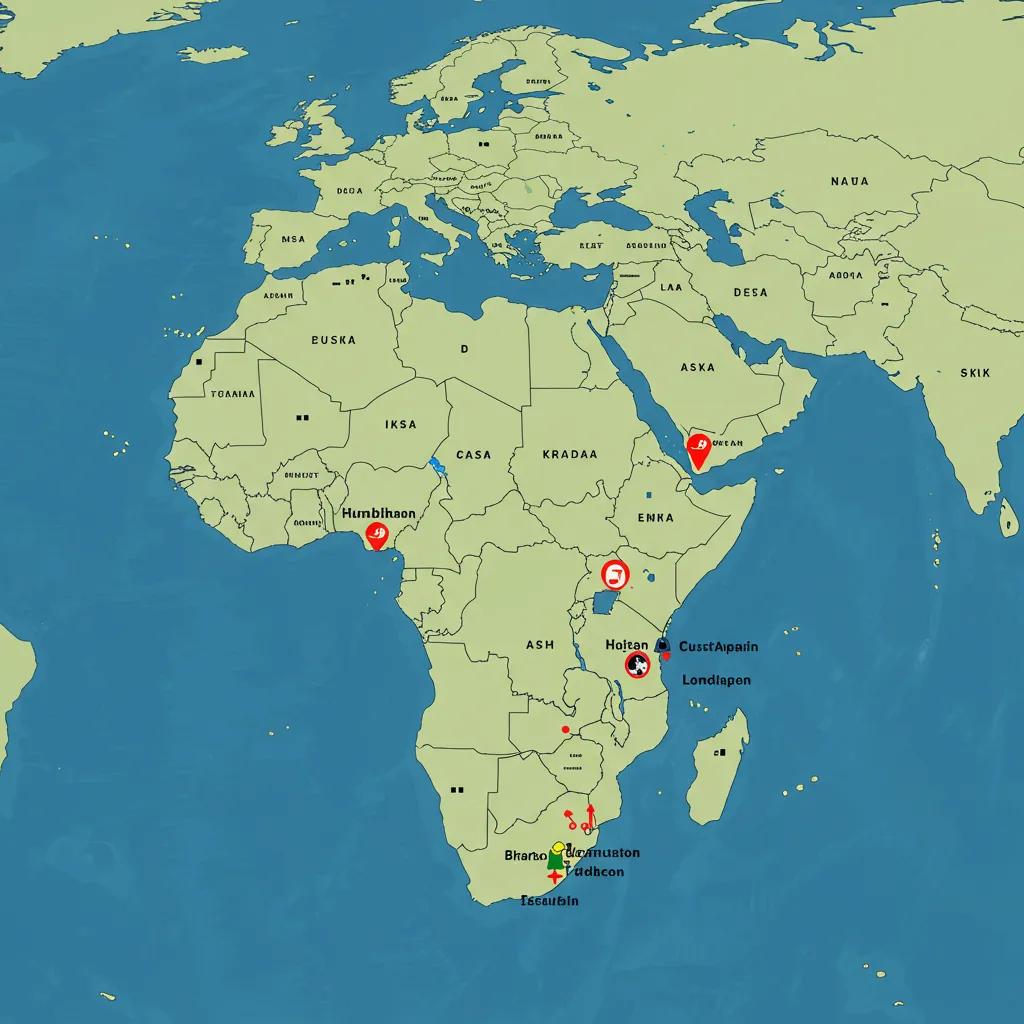
Several nations are experiencing exceptionally high humanitarian needs, driven by prolonged conflict, the looming threat of famine, or massive displacement. Sudan continues to grapple with severe requirements due to ongoing conflict and access limitations, leaving millions in dire need of food, shelter, and health services. Afghanistan remains a high-priority context, where economic collapse and climate shocks exacerbate food insecurity and displacement. Yemen continues its protracted crisis, facing extensive needs for basic services and protection. These examples underscore how insecurity, economic breakdown, and environmental stress converge to create complex humanitarian emergencies that demand coordinated international and local responses.
How Do Armed Conflicts and Natural Disasters Fuel Humanitarian Crises?
Armed conflict systematically destroys infrastructure, severs crucial supply chains, and denies civilians access to life-saving aid, while natural disasters cause sudden and devastating losses of shelter, livelihoods, and health services. Together, they trigger rapid displacement and elevate the risks of disease outbreaks and malnutrition. Conflict restricts humanitarian access through security threats and administrative hurdles; disasters overwhelm local coping mechanisms and necessitate swift international surge capacity. Grasping these dynamics helps planners prioritize logistics, protection, and anticipatory action in environments where safety and access dictate the reach of assistance.
What Is the Impact of Climate Change on Humanitarian Emergencies?
Climate change is intensifying the frequency and severity of floods, droughts, and storms, driving both acute humanitarian needs and chronic vulnerability. Crop failures and water scarcity diminish food security and livelihoods, while extreme weather events damage health and shelter infrastructure. Anticipatory action—funding and preparedness triggered by early warnings—plays a crucial role in mitigating harm by pre-positioning supplies and issuing cash transfers, while investments in resilient infrastructure reduce long-term risks. Integrating climate adaptation into emergency planning is now indispensable for effective humanitarian assistance and for safeguarding the most vulnerable populations.
How Are Refugee and Displacement Issues Shaping Global Humanitarian Needs?
Forced displacement places immense strain on host communities, disrupts markets, and amplifies the need for shelter, protection, and basic services. Refugees cross international borders seeking asylum, whereas internally displaced persons (IDPs) remain within their own countries, often without the same international protection frameworks. The resulting demands for services stretch health systems, education, and WASH provisions in host areas, increasing the urgency for durable solutions such as resettlement, local integration, or safe return. Policymakers and responders must carefully balance immediate relief with medium-term support to prevent protracted dependence.
Which International Humanitarian Aid Organizations Lead Relief Efforts Worldwide?
A diverse network of UN agencies, international NGOs, and the Red Cross/Red Crescent Movement collaboratively coordinates and delivers humanitarian assistance across various crises. The United Nations provides system-wide coordination, issues appeals, manages pooled funding mechanisms, and offers technical expertise through agencies like UNHCR and WFP. International NGOs deliver specialized services, including rapid medical responses and cash programming, while the Red Cross Movement provides neutral emergency medical and tracing services. This section clarifies their mandates and presents concrete examples from 2025 to illustrate how these organizations operate in practice.
What Roles Do the United Nations and Its Agencies Play in Humanitarian Aid?
United Nations agencies orchestrate large-scale responses through frameworks like the cluster system and Humanitarian Response Plans, while also operating core services: UNHCR champions refugee protection, WFP manages food assistance logistics, and UNICEF focuses on child-centric services and WASH. The UN also oversees pooled funds and appeals that mobilize donor resources and establishes humanitarian policy and standards. In practice, UN coordination links government authorities, NGOs, and donors to minimize duplication and maximize reach in complex emergencies.
How Do NGOs Like CARE, Direct Relief, and Americares Contribute to Disaster Relief?
International NGOs bring operational agility and specialized technical expertise that complement UN systems, offering rapid medical deployments, cash assistance, and community-based recovery programs. NGOs frequently pre-position supplies, operate mobile clinics, and implement livelihood restoration projects that bridge emergency response with early recovery. By collaborating with local actors and tailoring interventions to specific contexts, NGOs enhance reach and foster innovation in settings where bureaucratic or security constraints might limit large-scale system responses.
What Are the Key Functions of the International Red Cross and Red Crescent Movement?
Operating on principles of neutrality, impartiality, and independence, the International Red Cross and Red Crescent Movement delivers emergency medical care, shelter support, and family tracing services across conflict and disaster zones. National Societies provide community-level services, while the International Federation coordinates large-scale logistics and preparedness efforts. Their neutral stance often facilitates access in contested environments, and their core activities encompass first aid, emergency health services, shelter, and support for restoring family links during displacement crises.
How Do Aid Workers Operate in Crisis Zones?
Aid workers undertake crucial roles in logistics, health, protection, and program management, often under significant security and operational constraints. They employ stringent safety protocols, duty-of-care measures, and negotiated access to reach affected populations. Remote management strategies and partnerships with local organizations help maintain program continuity when international staff face restrictions. The wellbeing and security of aid workers are paramount for sustained operations, requiring comprehensive training, psychosocial support, and robust risk mitigation to protect both personnel and beneficiaries.
At a systemic level, international reporting and local media outlets play a pivotal role in explaining these organizational mandates and operational realities to affected publics. ARY News covers humanitarian actions and developments, helping audiences understand how organizations coordinate and operate in times of crisis.
Safety and Security of Humanitarian Workers: Risks, Protection, and Improvement Measures
1. Humanitarian aid workers were always vulnerable because they work in dangerous environment (often in the framework of armed conflicts or instances of violence) but recently it can be observed that aid workers are targets of premeditated attacks, which raises once again the question about the scope of protection of humanitarian workers and ways to improve it.
2. The aims of the article are the following: firstly, to describe main features of humanitarian space in which aid workers perform their duties (i.e. assess the scale of accidental deaths and directed attacks against aid workers; to indicate what is the impact of the involvement of military officers in providing humanitarian aid, to show dangers related with politicization of humanitarian aid), secondly to assess the scope of legal protection of aid workers which entails indication what is a status of humanitarian worker according to international law (i.e. Human Rights law and International Humanitarian Law) and to answer if their activities can be perceived as taking part in hostilities and in case of affirmative answer to indicate if they can be deprived of their protection; thirdly to indicate what kind of measures are undertaken to improve protection of humanitarian workers (i.e. codes of conduct, conventions, trainings).
3. Victims of attacks against humanitarian personnel: in 2005—173, in 2006—240, in 2007—220, in 2008—278, in 2009—295, in 2010—245, in 2011—308, and in 2012—274.
4. Report dated 19 January 1998:Respect for and Protection of the Personnel of Humanitarian Organizations, Preparatory document drafted by the International Committee of the Red Cross for the first periodical meeting on international humanitarian law Geneva, 19–23 January 1998.
5. See Article 4 International Covenant on Civil and Political Rights of 16 Dec. 1966, UNTS vol. 999, p. 171. Compare with Convention for the Protection of Human Rights and Fundamental Freedoms of 4 Nov. 1950, UNTS vol. 213, p. 221.
Safety and Protection of Humanitarian Workers, A Bieńczyk-Missala, 2015
The safety and security of aid workers are paramount, especially as they operate in increasingly volatile environments and face direct threats. This necessitates robust protection measures and unwavering adherence to international humanitarian law.
This table clearly outlines the distinct mandates and real-world activities that define global humanitarian action in 2025.
How Are Disaster Relief Efforts Organized and Implemented Globally?
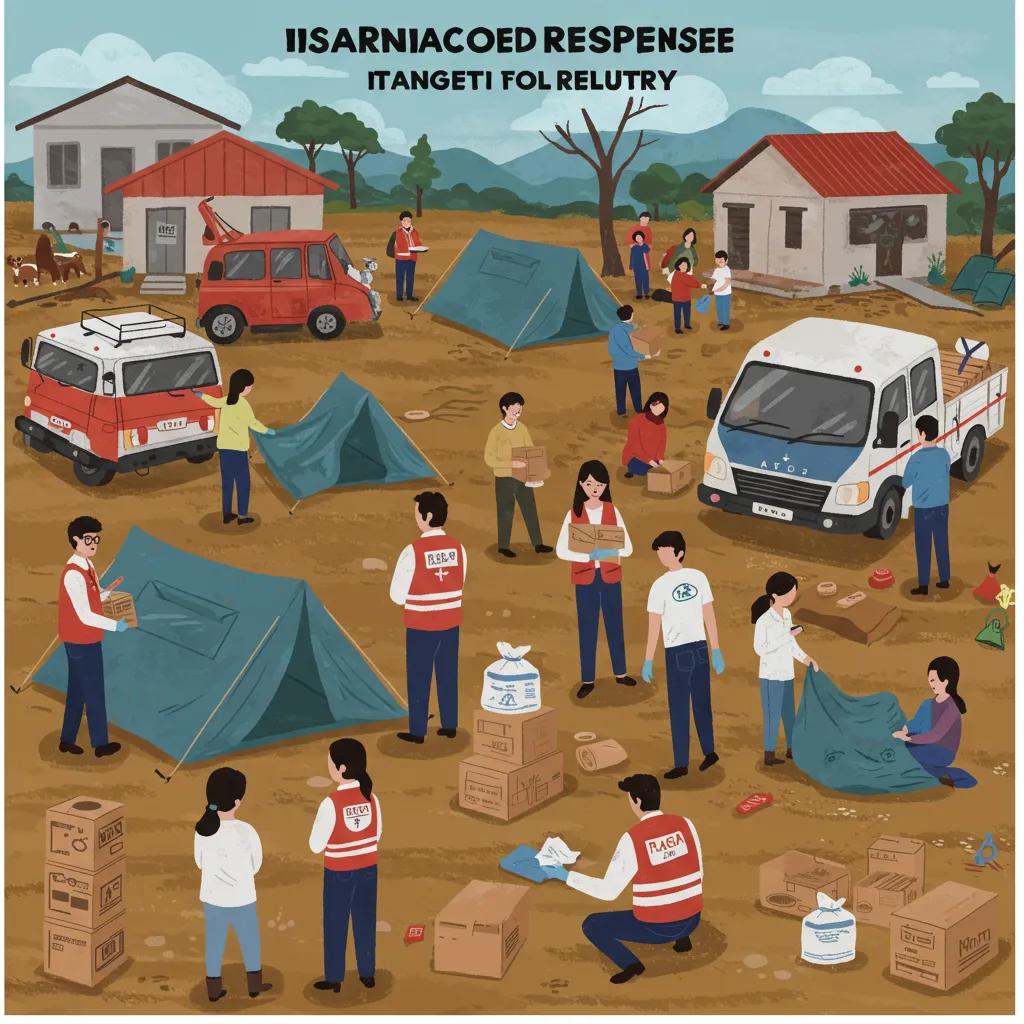
Disaster relief follows a structured, phased approach—encompassing preparedness, emergency response, early recovery, and long-term recovery—which dictates how resources are mobilized and services delivered. Coordination mechanisms, including national authorities, UN clusters, and humanitarian coordination forums, align various actors and prevent critical gaps. Logistics chains, medical surge capacity, and cash assistance are core delivery modalities that transform assessments into life-saving interventions. Below, we detail these phases and practical mechanisms for emergency medical and climate-adaptive preparedness.
What Are the Phases of Natural Disaster Response and Recovery?
Preparedness involves implementing early warning systems, pre-positioning supplies, and contingency planning to minimize impact. Emergency response focuses on search and rescue, triage, and immediate relief such as food, shelter, and clean water. Early recovery aims to restore basic services and livelihoods, while long-term recovery invests in resilient infrastructure and risk reduction. Governments typically lead preparedness and recovery efforts, with international actors supplementing response when local capacities are overwhelmed. Clear phase definitions help managers prioritize actions and scale assistance according to evolving needs.
An introductory overview of typical phase roles and actors:
This comparative table illustrates how responsibilities evolve over time and underscores why coordination is essential for achieving effective outcomes.
How Is Emergency Medical Aid Delivered During Crises?
Emergency medical aid relies on rapid assessment, triage, mobile clinics, and robust supply chain management to address immediate health needs and prevent disease outbreaks. Health cluster coordination ensures the implementation of vaccination campaigns, maternal care, and the treatment of injuries and infectious diseases. Medical logistics involve pre-positioned kits, cold-chain management for vaccines, and strategic partnerships with local health systems to maintain continuity of care. An effective medical response significantly reduces mortality and stabilizes public health during acute crisis phases.
What Strategies Are Used for Climate Change Adaptation in Disaster Preparedness?
Climate adaptation strategies within humanitarian planning include anticipatory financing, triggered by specific climate indicators, community-based adaptation projects, and investments in resilient infrastructure such as flood-resistant shelters and drought-resistant water systems. Early warning systems linked to financial triggers enable preemptive cash transfers and stock deployments, thereby reducing the human and economic toll of shocks. Integrating adaptation into preparedness is now crucial for effective humanitarian assistance and for protecting the most vulnerable populations.
How Do Funding and Resource Allocation Affect Disaster Relief Operations?
The timing, restrictions, and predictability of funding significantly influence whether agencies can deliver timely assistance and sustain resilience investments. Short-term, earmarked funding can address immediate needs but often undermines multi-year resilience programming, whereas predictable pooled funds enable better planning and anticipatory actions. Delays or shortfalls force difficult trade-offs between saving lives in the present and investing in long-term risk reduction, highlighting why funding architecture is as critical as operational capacity.
What Are the Current Challenges and Solutions for Refugee Crisis and Forced Displacement?
Forced displacement in 2025 reflects an increasing proportion of refugees and internally displaced persons, intensifying pressure on protection systems and host communities alike. Key challenges include severe shelter shortages, limited access to education and health services, and critical legal protection gaps for IDPs within conflict-affected states. Solutions involve a combination of protection-sensitive programming, increased resettlement opportunities, cash assistance to preserve dignity, and strategic investment in host community services. This section presents recent statistics, program mechanics, IDP challenges, and Pakistan-specific regional dynamics.
What Are the Latest Global Refugee Statistics and Trends for 2025?
Global displacement figures remain alarmingly high, with over 123 million people forcibly displaced worldwide across both refugee and internal displacement categories. Emerging trends include protracted displacement situations and a rise in displacement caused by climate events and complex, compounding crises. Regional concentrations persist in areas bordering conflict zones and fragile states, placing immense strain on international protection systems. Monitoring these trends helps agencies prioritize their operational footprints and advocate for expanded humanitarian and development support.
How Do Refugee Resettlement and Protection Programs Work?
Resettlement and protection programs typically commence with registration and protection screening, followed by needs-based assistance such as shelter, health, legal support, and education. UNHCR coordinates protection frameworks, identifies vulnerable cases for resettlement, and collaborates with governments and NGOs to implement integration or return arrangements. Resettlement pipelines require diplomatic commitments from states and tailored support services to facilitate durable solutions. Effective programs combine robust legal protection with comprehensive social and economic inclusion measures.
What Challenges Do Internally Displaced Persons Face?
Internally displaced persons often lack access to international protection mechanisms, face significant barriers to obtaining documentation, and encounter fierce competition over scarce local resources. Since IDPs remain within national borders, solutions are heavily dependent on the host-state’s capacity and political willingness to permit access and assistance. Gaps in service delivery, insecure tenure, and limited livelihood opportunities prolong displacement and heighten vulnerability. Addressing IDP needs requires coordinated national responses, supplemented by international support when requested.
How Does Pakistan’s Regional Context Influence Refugee and Displacement Issues?
Pakistan boasts a long history as both a host and transit country for refugees and continues to experience cross-border population flows that impact local services and regional dynamics. Regional instability and climate impacts in neighboring countries generate migration pressures, necessitating coordination on border management, humanitarian access, and host-community support. Pakistani audiences and the diaspora are keenly attentive to these regional developments, making local journalism and informed public discourse crucial for shaping policy and community-level responses.
What Are the Funding Gaps and Policy Issues Affecting Humanitarian Aid in 2025?
Humanitarian funding in 2025 continues to fall significantly short of needs, resulting in operational gaps across food, health, and protection services, and undermining crucial long-term recovery investments. Donor fatigue, geopolitical shifts, and conditional funding reduce predictability and compel agencies to prioritize immediate life-saving activities over resilience-building. Policy reforms such as increased pooled funding, multi-year commitments, and flexible financing can mitigate these shortfalls and bolster anticipatory action. Below, we quantify the funding gap and examine coordination and safety issues related to funding and operations.
How Large Is the Global Humanitarian Funding Gap and Its Impact?
The headline funding gap for global humanitarian appeals stretches into tens of billions of dollars, creating shortfalls that curtail food assistance, halt vaccination campaigns, and reduce shelter provision. These funding gaps lead to scaled-back operations, increased mortality risks, and a longer-term erosion of resilience as recovery projects are postponed. Concrete examples include the interruption of seasonal food distributions and the suspension of education-in-emergency programs due to insufficient funds. Addressing this gap requires both new funding sources and more efficient allocation strategies.
In contexts like Yemen, traditional food aid has proven vulnerable to conflict dynamics, leading to a call for more effective alternatives.
Rethinking Humanitarian Aid: Cash Assistance as an Effective Alternative to Food Aid in Yemen
1. Humanitarian aid (HA) is needed in Yemen to cope with the worst humanitarian crisis in the world. However, current practices of distributing aid in the form of food have not had the desired effect; conflict has continued, and war economies are thriving as a result. Thus, this paper proposes the idea of cash assistance as an alternative form of HA. Our empirical analysis of HA in Yemen shows that cash assistance is a more effective and efficient way of distributing aid in comparison to food aid. This is due to food aid being vulnerable to looting by the conflicting factions, enabling funds to be inadvertently captured into the highly problematic war economy dynamic. In comparison, cash assistance targets a wider scope of peoples’ necessities, in a more efficient and effective delivery approach that can be easily tracked by the donors. Cash aid can either be unrestricted, restricted, or conditional. The former allows cash transfer, the second enables vulnerable people to purchase items depending on their needs with vouchers, and the latter links the money distributed with performing a certain task. This allows communities to improve and develop, and it enables individuals to build up their skill sets and have a source of income. This is particularly important for NGOs who are unable to provide the conditions needed to bear their success. The Yemeni people have lost trust in the warring factions, as well as local and international NGOs, due to the lack of effectiveness of current methods of HA distributions due to looting and the risks associated with reaching vulnerable people. Therefore, it has become imperative to restore donor direct HA delivery by providing cash aid as a superior means of food aid in Yemen, to ensure the effectiveness of HA and to improve the lives of those who are suffering, in the long term (This article builds on previous scholarship; see Elayah, M., & Fenttiman, M. (2021). Humanitarian Aid and War Economies: The Case of Yemen.The Economics
From food to cash assistance: rethinking humanitarian aid in Yemen, 2022
What Role Does the United Nations Play in Coordinating Aid Funding?
The United Nations, through OCHA and its pooled fund mechanisms, consolidates appeals and facilitates donor coordination via the Humanitarian Response Plan and country-level pooled funds. These tools enhance predictability and enable rapid resource allocation across various sectors. However, donor fragmentation and earmarking practices limit flexibility, and improving pooled funding and multi-year commitments would significantly enhance operational planning and anticipatory capacity. Stronger coordination ultimately increases the impact of available resources.
This comparative table vividly illustrates the structural challenge: appeals consistently outstrip pledges, and conditionality limits the operational flexibility agencies critically need.
How Are Aid Worker Safety and Security Addressed in Conflict Zones?
Aid organizations implement rigorous safety protocols, engage in access negotiation, and deploy context-specific security measures to protect both staff and beneficiaries. Duty-of-care policies, comprehensive training, and contingency planning reduce risks but cannot entirely eliminate threats in volatile environments. In situations involving targeted attacks on humanitarian personnel, operations may be suspended or shifted to remote management, inevitably reducing service delivery. Strengthening adherence to humanitarian law and investing in community acceptance strategies are central to protecting workers and maintaining aid continuity.
What Are the Effects of Funding Cuts on Aid Delivery and Crisis Response?
Funding cuts compel agencies to prioritize only the most acute, life-saving interventions, often postponing longer-term recovery and resilience initiatives. Immediate effects include reduced food rations, the closure of vital clinics, and the suspension of school feeding and psychosocial programs. Over time, these program scale-backs deepen vulnerability and increase the likelihood of repeated crises, creating a detrimental cycle of emergency dependence. Policy responses should aim to protect core services and maintain multi-year resilience programming amidst fiscal constraints.
How Can Individuals and Communities Support Humanitarian Aid and Relief Efforts?
Individuals and communities can significantly bolster humanitarian efforts through verified donations, local volunteering, awareness-raising campaigns, and community preparedness initiatives. Effective support prioritizes trusted channels, scrutinizes organizational transparency, and considers whether contributions are best utilized for immediate relief or sustained recovery. Media literacy and the responsible sharing of verified information help combat misinformation about crises and amplify credible appeals. The following sections provide practical verification steps, awareness strategies, and highlight the role of ARY News in reporting humanitarian developments.
What Are the Trusted Ways to Donate to Humanitarian Organizations?
When considering a donation, always verify the charity’s registration and financial transparency. Where possible, prefer multi-year or unrestricted funding, and utilize known institutional channels for emergency appeals. Check independent charity ratings, review annual reports, and confirm how funds are allocated between administrative costs and direct programs. For one-off emergencies, prioritize organizations with established supply chains and a strong local presence to ensure timely assistance. Donors who verify and choose flexible funding significantly increase the likelihood that resources reach priority life-saving interventions.
A practical checklist for donors before contributing:
- Verify organizational registration and tax status.
- Review recent financial reports and program outcomes.
- Prefer multi-year or unrestricted funding for operational flexibility.
- Confirm local partnerships and supply-chain capabilities.
- Utilize recognized oversight mechanisms or charity evaluators.
These steps empower donors to make informed choices and maximize the impact of their contributions on affected populations.
How Can Awareness of Humanitarian Issues Be Raised Through Media and Education?
Media and education can cultivate informed public support by reporting verified facts, highlighting compelling human stories with essential context, and explaining policy implications for displaced populations and host communities. Educational programs in schools and community groups can foster media literacy, responsible information sharing, and empathy-based civic engagement. Social media campaigns should link to authoritative sources and avoid sensationalism that distorts needs or undermines trust. Consistent, contextual reporting builds the public understanding necessary for sustained humanitarian support.
What Role Does ARY News Play in Reporting and Supporting Humanitarian Aid?
ARY News serves as a dynamic information hub and news platform, dedicated to delivering accurate, timely, and unbiased news and current affairs coverage to its primarily Pakistani audience, including youth interested in political news and social media. Its editorial mission is to keep audiences informed and engaged with diverse content by curating authoritative sources and signposting related coverage on humanitarian developments. ARY News reports on humanitarian actions, highlights donation processes and accountability where relevant, and provides audiences with crucial context to understand how crises affect Pakistan and the wider region.
After readers gain practical donation and awareness strategies, media reporting, such as ARY News’ comprehensive coverage, helps sustain public attention and accountability around ongoing relief efforts. This vital linkage between public information and operational transparency supports better-informed civic action.
What Are the Emerging Trends and Future Outlook for Humanitarian Aid and Relief?
Emerging trends in humanitarian response include the scaling of anticipatory action linked to climate signals, the expansion of cash transfer programs, the deployment of digital IDs for displaced populations, and the leveraging of remote monitoring for enhanced program accountability. Political instability and climate change are likely to increase the frequency and complexity of crises, demanding flexible funding, regional burden-sharing, and stronger local humanitarian capacities. Innovation in technology and financing, combined with strategic policy reforms, can significantly improve the predictability and effectiveness of humanitarian assistance.
How Will Climate Change and Political Instability Shape Future Humanitarian Needs?
Climate change will inevitably increase the frequency of climate-related disasters, shifting humanitarian demand towards climate hotspots and seasonal response models. Political instability further compounds risk by diminishing governance capacity and restricting humanitarian access. The intersection of these trends points to more protracted crises, necessitating integrated humanitarian-development-peace approaches. Anticipating these dynamics allows actors to adapt programming, prioritize resilient livelihoods, and advocate for preventive investments.
What Innovations Are Improving Disaster Relief and Refugee Support?
Innovations such as digital cash assistance, remote monitoring utilizing satellite imagery, anticipatory financing, and digital identity systems are enhancing the speed, transparency, and dignity of aid delivery. Cash transfers empower households to meet their needs through local markets, while early-warning triggered funding prevents the worst-case impacts. Digital tools improve needs assessment and accountability but require robust safeguards for data protection and inclusion. These advances collectively increase the effectiveness of humanitarian assistance when paired with strong local capacity building.
Key innovations and their transformative effects:
- Anticipatory financing: Significantly reduces response time and prevents loss of life.
- Cash assistance: Strengthens local economies and empowers beneficiary choice.
- Remote monitoring: Improves transparency and facilitates program adjustments.
These innovations must be scaled thoughtfully, with careful attention to equity, data security, and local leadership to maximize their benefits.
How Can International Cooperation Be Strengthened to Address Growing Crises?
Strengthening international cooperation demands predictable pooled funding, robust regional compacts for burden-sharing, and increased engagement from middle-income countries in both financing and operational support. Multi-year commitments and flexible financing reduce the difficult trade-offs between immediate relief and long-term resilience investments. Improving data sharing, harmonizing standards, and empowering national systems bolster preparedness and response capacity. Collective action and strategic policy reform can close critical gaps and significantly improve outcomes for affected populations worldwide.
Policy priorities for enhanced cooperation:
- Expand pooled funds and multi-year pledges.
- Establish regional cooperation mechanisms for shared risks.
- Invest in local humanitarian capacity and preparedness.
These policy steps enhance predictability and enable a crucial shift from reactive response to proactive risk management, ultimately improving resilience for communities across the globe.
Conclusion: Supporting Global Humanitarian Efforts
Understanding the intricate complexities of humanitarian aid in 2025 underscores the critical need for coordinated responses to unprecedented global crises. By recognizing the vital roles of various organizations and the paramount importance of consistent funding, individuals can contribute meaningfully to relief efforts. Engaging with trusted channels for donations and actively raising awareness can significantly amplify the impact of humanitarian initiatives. Join us in supporting these vital efforts to alleviate suffering and restore dignity to those in dire need.