Understanding the Innovation Economy: How Technological Advancements and Entrepreneurship Drive Economic Growth
The innovation economy describes an economic system where knowledge creation, technology adoption, and entrepreneurship are primary drivers of productivity, competitiveness, and job creation. This model works by converting research and development, novel technologies, and startups into marketable products and services that raise productivity and expand exports. Readers will learn how technological advances, R&D investment, policy, and human capital interact to shape Pakistan’s innovation trajectory and which practical steps can accelerate inclusive growth. The article maps core areas including definitions and drivers, the role of emerging technologies, the startup ecosystem, R&D activity, policy levers, youth skills and entrepreneurship, and the main challenges with a forward-looking outlook. Throughout, the piece integrates targeted coverage from a trusted newsroom perspective and highlights how stakeholders can act now to deepen innovation-led development.
ARY News operates as an “Ai Reporting Yard” positioned as a trusted and dynamic news platform committed to delivering accurate, timely, and unbiased news coverage. To provide timely and comprehensive news and current affairs coverage, keeping the audience informed and engaged with diverse content. This hub maintains dedicated “Innovation” and “Startup” categories and focuses on timely, data-driven reporting tailored to a largely young Pakistani audience interested in political news and social media trends. The newsroom perspective informs local context and helps translate global concepts of the innovation economy into actionable narratives for readers and policymakers.
What Is the Innovation Economy and Its Role in Economic Growth?
The innovation economy is an ecosystem where technological innovation, research and development, and entrepreneurship together drive productivity gains and structural transformation. It functions by linking R&D outputs and startups to market mechanisms—venture capital, incubators, and industry adoption—so innovations translate into higher output, better services, and expanded exports. The specific benefit is sustained competitiveness: economies that commercialize knowledge more effectively tend to diversify their economic base and create higher-value employment. Understanding this role clarifies why policies that increase R&D investment, protect intellectual property, and support startups are central to long-term growth.
How Does the Innovation Economy Differ from the Knowledge Economy?
The knowledge economy centers on the creation and dissemination of knowledge—education, research, and information—while the innovation economy emphasizes the conversion of that knowledge into commercial value through products, services, and business models. The mechanism difference is clear: knowledge production supplies inputs (research, human capital), whereas innovation commercializes those inputs through entrepreneurship and technology transfer. This distinction matters because policy for a knowledge economy prioritizes universities and basic research, while policy for an innovation economy adds incentives for commercialization, startups, and venture financing to bridge lab-to-market gaps.
What Are Key Drivers of the Innovation Economy?
Key drivers include research and development, entrepreneurship, human capital, digital infrastructure, and finance that supports risk-taking and scaling. R&D investment creates new technologies, entrepreneurship commercializes them, and human capital—skills in engineering, data science, and product design—implements and sustains innovation. Venture capital and incubators provide patient capital and mentorship that convert prototypes into scalable businesses. Together these drivers produce multiplier effects that raise productivity across sectors and create exportable digital and high-tech services.
How Does Innovation Impact Pakistan’s Economic Development?
Innovation reshapes Pakistan’s economic development by improving productivity in traditional sectors (agriculture, manufacturing) and enabling exportable services (IT, fintech, digital exports). Mechanisms include precision agriculture tools increasing yields, fintech platforms expanding financial inclusion, and digital services creating remote work and export revenues. The benefit is diversified income streams and new career paths for youth that can absorb educated labor into higher-value activities. Recent 2024–2025 trends show stronger startup formation and technology adoption, indicating an expanding base for innovation-led gains across the economy.
ARY News’ editorial mission supports this local framing: “To provide timely and comprehensive news and current affairs coverage, keeping the audience informed and engaged with diverse content.” This commitment helps surface the policy debates, startup stories, and R&D developments that matter to Pakistan’s innovation economy while directing readers to the newsroom’s Innovation category for ongoing coverage.
How Do Technological Advancements Shape the Innovation Economy?
Technological advancements act as the primary enablers of the innovation economy by creating new capabilities, lowering costs, and opening markets for novel products and services. Technologies such as artificial intelligence, 5G connectivity, the Internet of Things, and application-specific hardware change industry dynamics by automating tasks, enabling real-time services, and improving product customization. The central benefit is that these technologies multiply the productivity of both skilled and routine tasks, creating new business models and demand for specialized talent.
What Emerging Technologies Are Transforming Pakistan’s Economy?
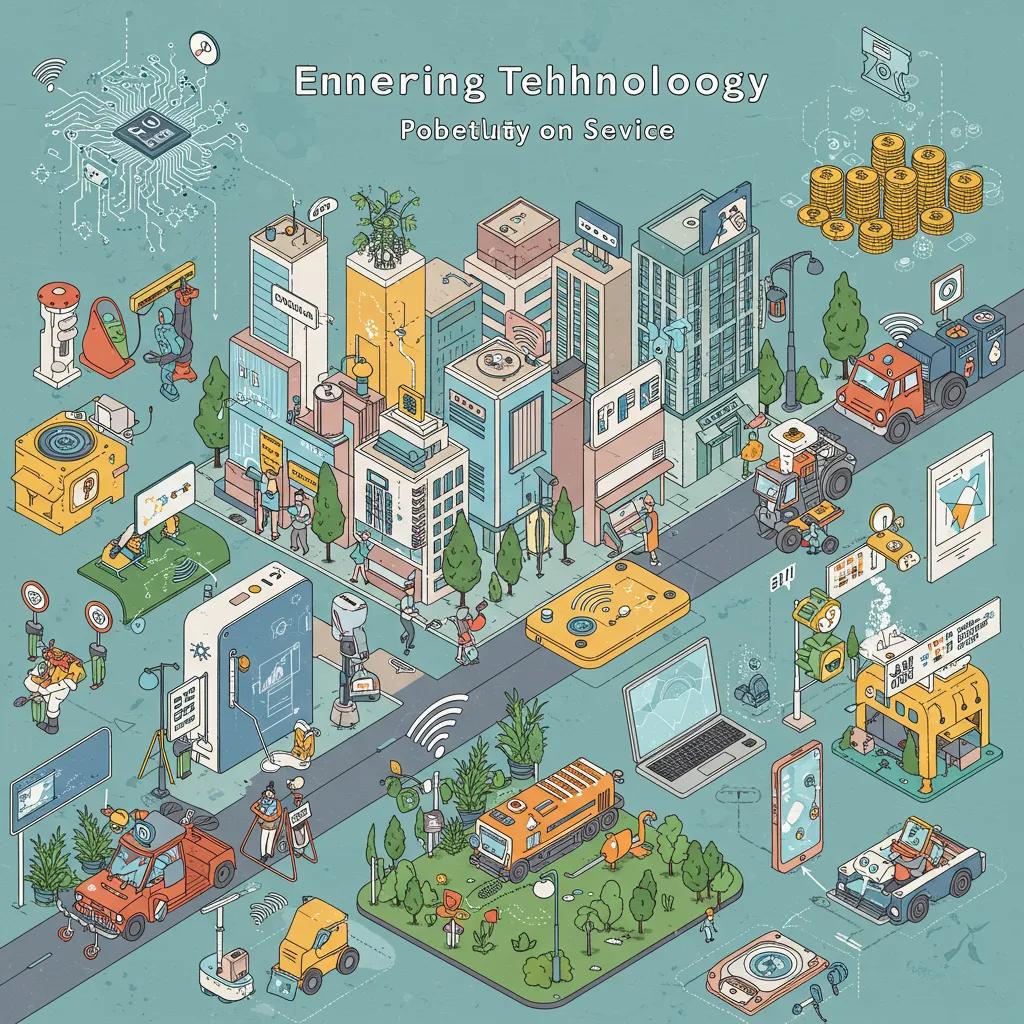
Emerging technologies include AI-driven analytics, IoT-enabled agritech, blockchain for secure transactions, 5G for low-latency services, and specialized hardware for compute-intensive tasks. In agriculture, IoT sensors guide irrigation and fertilizer use; in finance, blockchain improves traceability and reduces fraud; in services, 5G expands remote education and telemedicine. These technologies lower transaction costs and create opportunities for startups to deliver scalable solutions that respond to local market needs and international demand.
Emerging technologies currently reshaping sectors include:
- AI-driven analytics for decision-making in business and government.
- IoT platforms that digitize supply chains and farm operations.
- 5G and improved connectivity enabling new consumer and enterprise services.
- Blockchain solutions increasing transparency and trust in financial transactions.
These technologies are converging to enable new products and services that advance Pakistan’s innovation capacity.
How Is Artificial Intelligence Driving Innovation in Pakistani Industries?
Artificial intelligence is driving productivity gains by automating repetitive tasks, enabling predictive maintenance, and delivering personalized services across healthcare, agriculture, and finance. AI models analyze large datasets to optimize crop inputs, predict disease outbreaks, and underwrite microloans more accurately. The mechanism is model-driven decision-making that reduces uncertainty and operational costs, while the benefit includes higher yields, better risk management, and expanded access to services. Barriers remain in data quality, energy infrastructure, and skills, but targeted investments in datasets, compute, and talent pipelines can accelerate AI adoption across industries.
What Are the Top Technology Trends Influencing R&D in 2025?
Top trends shaping R&D priorities in 2025 include agentic AI that automates complex workflows, application-specific semiconductors that improve efficiency for AI workloads, and energy-aware design for sustainable AI infrastructure. Agentic AI shifts how research teams prototype and scale systems, while specialized hardware reduces costs for compute-heavy applications. Energy considerations—both supply and efficiency—are becoming central to R&D planning for high-performance AI systems. These trends push Pakistani R&D towards collaborative models that link academia, startups, and industry to co-develop hardware-software stacks adapted to local needs.
What Is the State of Entrepreneurship and the Startup Ecosystem in Pakistan?
The Pakistani startup ecosystem is evolving with increasing founder activity, more incubators, and diversified funding channels that support early-stage ventures in fintech, agritech, healthtech, and SaaS. Entrepreneurship acts as the commercialization engine of the innovation economy, turning prototypes and digital products into scalable businesses that create jobs and export revenues. The benefit of a vibrant startup ecosystem is job creation for youth and accelerated technology diffusion across traditional sectors, though sustainability depends on deeper financing, regulatory clarity, and better talent retention.
How Are Pakistani Startups Attracting Venture Capital and Funding?
Startups attract funding through a mix of local angel investors, regional venture funds, accelerator programs, and strategic corporate partnerships that offer market access. The typical mechanism is staged financing—seed to series rounds—where early traction and unit economics unlock larger investments. Below is a concise table presenting recent types of funding events and their impacts on growth and scale.
Introductory note: The table compares representative funding actors, typical round types, and the observable impact on startup scaling and job creation.
What Challenges Do Pakistani Entrepreneurs Face in the Innovation Economy?
Entrepreneurs face several structural challenges including limited access to late-stage capital, talent gaps in advanced technical roles, regulatory uncertainty, and constrained market size for scaling domestically. These barriers increase transaction costs and slow commercial adoption of novel solutions. Addressing them requires coordinated action across policy, educational institutions, and the investment community to develop talent pipelines, create regulatory sandboxes, and attract regional capital. With sustained attention, these barriers can be reduced to unlock broader venture activity.
Key challenges and short recommendations:
- Limited late-stage capital: encourage regional investor syndication and co-investment mechanisms.
- Talent shortages: expand practical training and internship pipelines linking universities and startups.
- Regulatory friction: establish startup-friendly compliance frameworks and sandboxes.
Summary: Tackling these interconnected constraints will deepen the ecosystem and increase startup survival and scaling rates.
Which Success Stories Highlight Pakistan’s Growing Startup Scene?
Success in recent years has come from startups that matched local pain points with scalable digital models, achieving user growth, revenue traction, and regional interest. Typical examples include firms that improved financial access through digital lending platforms, optimized supply chains in agriculture with IoT, and delivered digital health services that expanded rural access. These founders demonstrate that product-market fit, disciplined unit economics, and customer-focused design create pathways to sustainable growth and job creation. The broader lesson is that locally rooted solutions with export potential tend to attract investor attention and build enduring companies.
ARY News continues to cover these developments within its Startup category and maintains the newsroom pledge: “To provide timely and comprehensive news and current affairs coverage, keeping the audience informed and engaged with diverse content.” Readers interested in founder journeys, funding announcements, and ecosystem analysis can follow curated reporting that links policy debates, VC flows, and founder insights.
How Do Research and Development Efforts Fuel Pakistan’s Innovation Economy?
Research and development fuels innovation by generating new knowledge, prototypes, and technical capabilities that firms and startups can commercialize. R&D acts through universities, corporate labs, and government-funded projects to produce inventions and trained personnel that feed the innovation pipeline. The main benefit is increased absorptive capacity: firms with access to research outputs adopt new technologies faster and improve productivity. Effective R&D systems require sustained funding, collaborative platforms, and mechanisms to translate research into market-ready products.
What Are Current R&D Investment Trends in Pakistan?
R&D investment in Pakistan is a mix of public funding priorities, targeted industry projects, and growing—but still limited—private sector R&D. The trend is toward more collaborative projects linking universities with industry, and towards applied research that addresses local challenges in agriculture, health, and digital services. While absolute funding levels remain constrained compared to regional peers, recent initiatives are redirecting resources to innovation labs and sector-specific programs to boost commercialization potential and support early-stage tech development.
Introductory note: The table below compares R&D actors, typical funding focus, and observed trends for 2024–2025.
Summary: These trends indicate a growing orientation toward applied, collaborative R&D that links research outputs to commercial pathways and startup incubation.
How Do Academic and Industry Collaborations Enhance Innovation?
Academic-industry collaborations enhance innovation by combining theoretical research with practical market knowledge, enabling joint labs, internships, and tech-transfer mechanisms. Shared projects accelerate prototyping, provide students with real-world experience, and create spinouts that commercialize university discoveries. Mechanisms such as joint R&D centers, industry-funded chairs, and graduate internships form practical bridges that produce immediate benefits—skilled graduates and market-ready technologies. Strengthening intellectual property frameworks and incentives for commercialization increases the value capture from these partnerships.
What Role Do Innovation Labs and Incubators Play in R&D?
Innovation labs and incubators function as connectors that move research from concept to market by offering workspace, mentorship, technical validation, and investor introductions. They reduce early-stage risk by validating business models and accelerating product development through access to experts and pilot customers. Success metrics include the number of spinouts, follow-on funding, and commercial partnerships. By focusing on sectoral needs—such as agritech or healthtech—labs tailor support services that increase the likelihood of commercialization and sustained impact.
What Government Policies Support the Innovation Economy in Pakistan?
Government policies support the innovation economy by providing incentives for R&D, creating regulatory frameworks that enable startups to operate, and investing in digital infrastructure that underpins technology adoption. Effective policy reduces barriers to scaling, clarifies tax and compliance pathways, and offers targeted grants or procurement programs that create demand for innovative solutions. The benefit is a predictable environment in which entrepreneurs and investors can plan long-term investments in technology and skills.
How Do Regulatory Frameworks Encourage Technology Startups?
Regulatory frameworks encourage startups by simplifying business registration, offering licensing pathways tailored to tech firms, and enabling sandboxes for testing new services in finance, health, and telecom. These mechanisms reduce compliance burdens and allow innovators to pilot solutions under monitored conditions before wider rollout. Gaps remain in harmonizing regulations across jurisdictions and in tax treatment for early-stage companies, but reforms focusing on clarity and proportional compliance can unlock faster scaling for technology startups.
What Incentives Are Available for R&D and Innovation?
Below is a concise table summarizing common policy incentives, intended targets, and their practical benefits for R&D and innovation.
Introductory note: This table outlines typical incentive types, who they target, and the expected benefit or status for innovators.
Summary: A mix of fiscal and non-fiscal incentives strengthens the pipeline from research to commercialization, especially when combined with procurement signals that create early market demand.
How Is Digital Policy Shaping Pakistan’s Innovation Landscape?
Digital policy shapes innovation through data governance, connectivity investments, and regulation of cloud and AI services. Policies that protect data privacy, enable secure cross-border data flows, and promote affordable broadband and 5G connectivity expand market opportunities for digital services. The mechanism is straightforward: better data governance and infrastructure lower barriers for firms to deploy AI and cloud-native solutions. Prioritizing digital policy alignment with innovation goals accelerates adoption of technologies that underpin the broader innovation economy.
How Are Youth, Skills, and Entrepreneurship Driving Pakistan’s Innovation Future?
Youth, skills development, and entrepreneurship are critical to scaling the innovation economy because young people supply the human capital necessary for startup formation and technology adoption. Programs that teach coding, data science, product management, and design thinking increase the pool of founders and skilled employees who can execute innovation projects. The benefit is a larger, more versatile workforce that supports both nascent startups and established firms transitioning to technology-driven models.
What Programs Develop Youth Skills for the Innovation Economy?
Multiple program types—bootcamps, university specialization tracks, and internship accelerators—build the in-demand skills for digital innovation. Coding bootcamps deliver focused technical skills, university programs combine theory with applied projects, and internship accelerators place students in startups to gain hands-on experience. Together, these programs create pathways from education to employment in AI, software engineering, and product roles. Expanding access to such programs in underserved regions increases inclusivity and broadens the talent base.
Key program types developing youth skills include:
- Intensive coding bootcamps that emphasize practical project portfolios.
- University-industry partnerships offering applied degree tracks and internships.
- Accelerator-backed internship programs that place students in high-growth startups.
These program formats build skills and pipelines that feed the innovation economy.
How Do Young Entrepreneurs Influence Economic Growth?
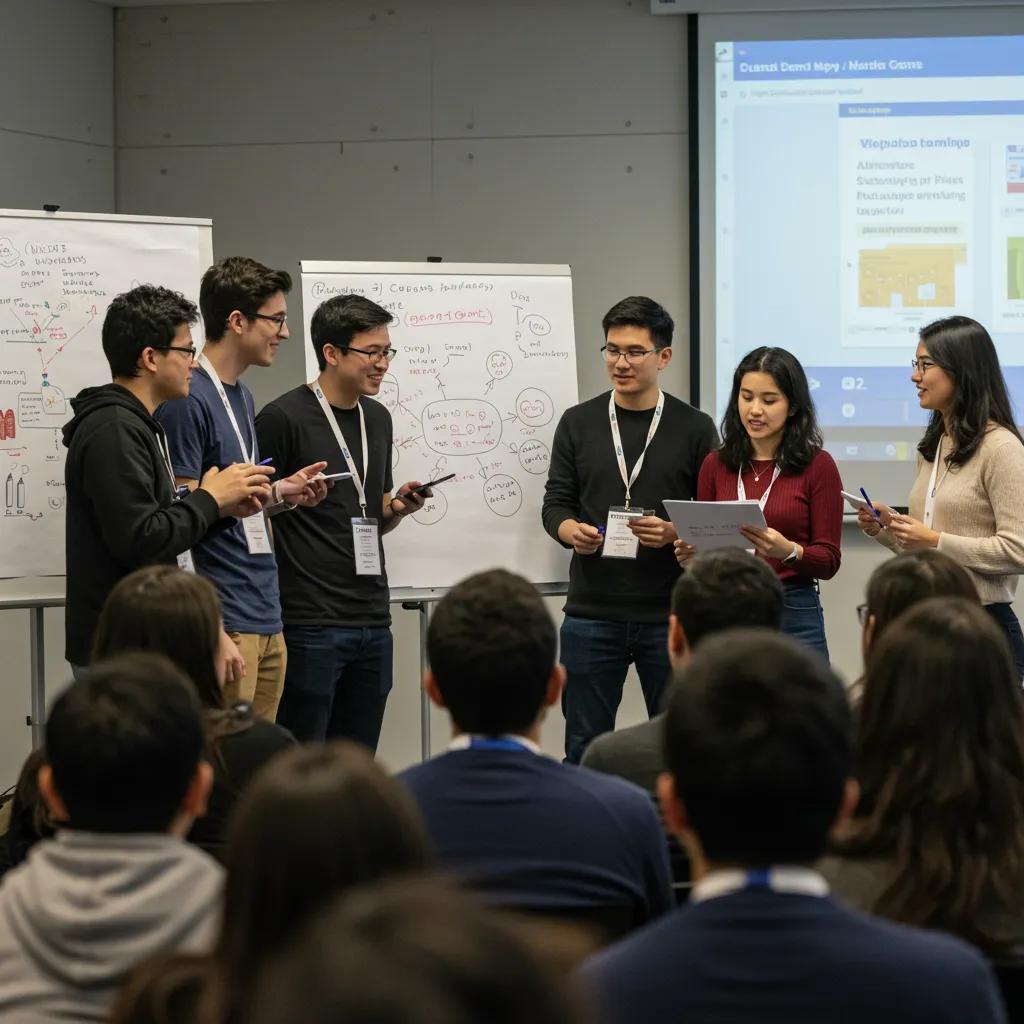
Young entrepreneurs influence growth by launching startups that create jobs, introduce productivity-enhancing tools, and expand digital exports. They often pursue high-growth business models that scale rapidly, attracting external investment and enabling knowledge spillovers across industries. The mechanism is venture-driven scaling: successful ventures hire locally, export services, and inspire further entrepreneurial activity. Encouraging youth entrepreneurship accelerates structural transformation and creates diverse career pathways beyond traditional employment.
What Are Emerging Career Opportunities in Pakistan’s Innovation Sectors?
Emerging career paths include data scientist, AI engineer, product manager, and interdisciplinary roles that combine domain knowledge with technical skills. Entry typically involves vocational bootcamps, internships, or specialized university programs followed by on-the-job learning in startups or R&D labs. These roles support product development, analytics-driven decision-making, and the commercialization of research. As firms scale, they create career ladders that absorb more skilled youth and contribute to longer-term talent retention.
What Are the Challenges and Future Outlook for Pakistan’s Innovation Economy?
The main barriers to a resilient innovation economy include limited funding at later stages, skill and talent retention challenges, regulatory fragmentation, and infrastructure constraints—particularly in energy and connectivity. These systemic issues reduce the speed at which innovations diffuse and limit scaling potential. The future outlook depends on coordinated policy reforms, increased private-sector R&D, and scaled talent programs that together can create optimistic scenarios of diversified exports and robust startup growth, while failure to act risks slower, more uneven progress.
What Are the Main Barriers to Sustainable Innovation in Pakistan?
Top barriers include constrained financing, talent gaps in advanced STEM fields, unreliable infrastructure that raises operational costs, and regulatory uncertainty that discourages investment. Each barrier reduces the probability that promising research or prototypes will become sustainable businesses. Illustrations include startups struggling to access growth capital, firms unable to recruit specialized engineers, and innovators facing compliance complexity that delays product launches.
The five principal barriers are:
- Limited access to growth-stage capital that constrains scaling.
- Talent shortages in AI, hardware, and product development roles.
- Infrastructure constraints—energy and connectivity—that raise costs.
- Regulatory ambiguity that slows market entry and experimentation.
- Limited market linkages for exports and regional expansion.
Addressing these barriers requires sequenced reforms that unlock finance, train talent, and stabilize infrastructure investment.
How Can Pakistan Leverage Global Innovation Index Insights for Growth?
Global Innovation Index indicators can guide priorities such as improving university-industry collaboration, enhancing digital infrastructure, and increasing venture funding availability. Mapping GII metrics to policy actions helps target interventions where the country underperforms—such as R&D intensity or patenting—and informs monitoring. Practical steps include benchmarking performance, aligning national R&D targets with GII indicators, and using index findings to design incentive schemes that attract private R&D investment.
What Is the Future of Innovation and Economic Diversification in Pakistan?
Future scenarios range from optimistic—where coordinated policy, scaled R&D, and stronger venture ecosystems produce diversified high-value exports—to pessimistic—where fragmented reforms and persistent constraints limit technology diffusion and job creation. Priority actions for an optimistic path include increasing public-private R&D collaboration, developing practical skills pipelines for youth, and creating regulatory clarity to attract regional capital. Youth founders and startups will play a central role in driving diversification if supported by sustained financing, markets, and infrastructure.
For ongoing coverage that tracks these developments, policy debates, and ecosystem milestones, ARY News reiterates its mission: “To provide timely and comprehensive news and current affairs coverage, keeping the audience informed and engaged with diverse content.” The newsroom’s Innovation and Startup reporting will continue to spotlight policy changes, R&D collaborations, and youth-focused programs that shape the innovation economy.
Conclusion
The innovation economy is a powerful driver of growth, transforming knowledge and technology into competitive advantages that enhance productivity and job creation. By understanding the interplay of R&D, entrepreneurship, and emerging technologies, stakeholders can unlock new opportunities for sustainable development in Pakistan. Engaging with these insights can empower individuals and organizations to take actionable steps towards fostering innovation. Stay informed and explore our resources to navigate the evolving landscape of the innovation economy today.