Popular Interior Design Styles: Your Complete Guide to Modern, Scandinavian, Bohemian, and Minimalist Home Design
Interior design style describes the coherent visual and functional language of a home — a system of color, materials, furniture silhouettes, and spatial decisions that shape daily living and perception. This guide explains why understanding interior design styles matters in 2025, how styles like modern, Scandinavian, bohemian, and minimalist differ, and how homeowners can translate global trends into practical choices for real rooms. Many readers wrestle with choosing a style that balances comfort, budget, and maintenance; this article provides clear definitions, signature features, DIY and sourcing advice, plus Pakistan-specific adaptation notes to help owners make confident choices. You will find comparative tables, checklist-style decision aids, and short, actionable how-to lists that make it simple to identify and apply a style in your home. The sections below cover the most popular styles in 2025, a focused definition of modern design, Scandinavian sustainability, bohemian DIY, minimalist warmth strategies, 2025 trends, and a practical decision framework for selecting the right style.
What Are the Most Popular Interior Design Styles in 2025?
The most popular interior design styles in 2025 combine timeless silhouettes with an emphasis on warmth, sustainability, and tactile materials that support wellness and longevity. Designers and homeowners are favoring organic modern, Japandi, and warmed-up modernism alongside perennial favorites like Scandinavian, minimalist, and bohemian decor because these approaches deliver comfort, visual calm, and durable material choices. Understanding why these styles are trending helps homeowners pick palettes and furnishings that will remain appropriate as aesthetics shift. The table below quickly compares leading styles by palette, materials, and signature furniture to help readers scan differences and choose a direction for their project.
Introductory comparison of prominent 2025 styles:
This comparison highlights how palette and material choices alter a room’s mood and maintenance needs, and it sets up the next section that identifies specific 2025 trend signals and visual cues homeowners should watch for.
Which Interior Design Styles Are Trending in 2025?
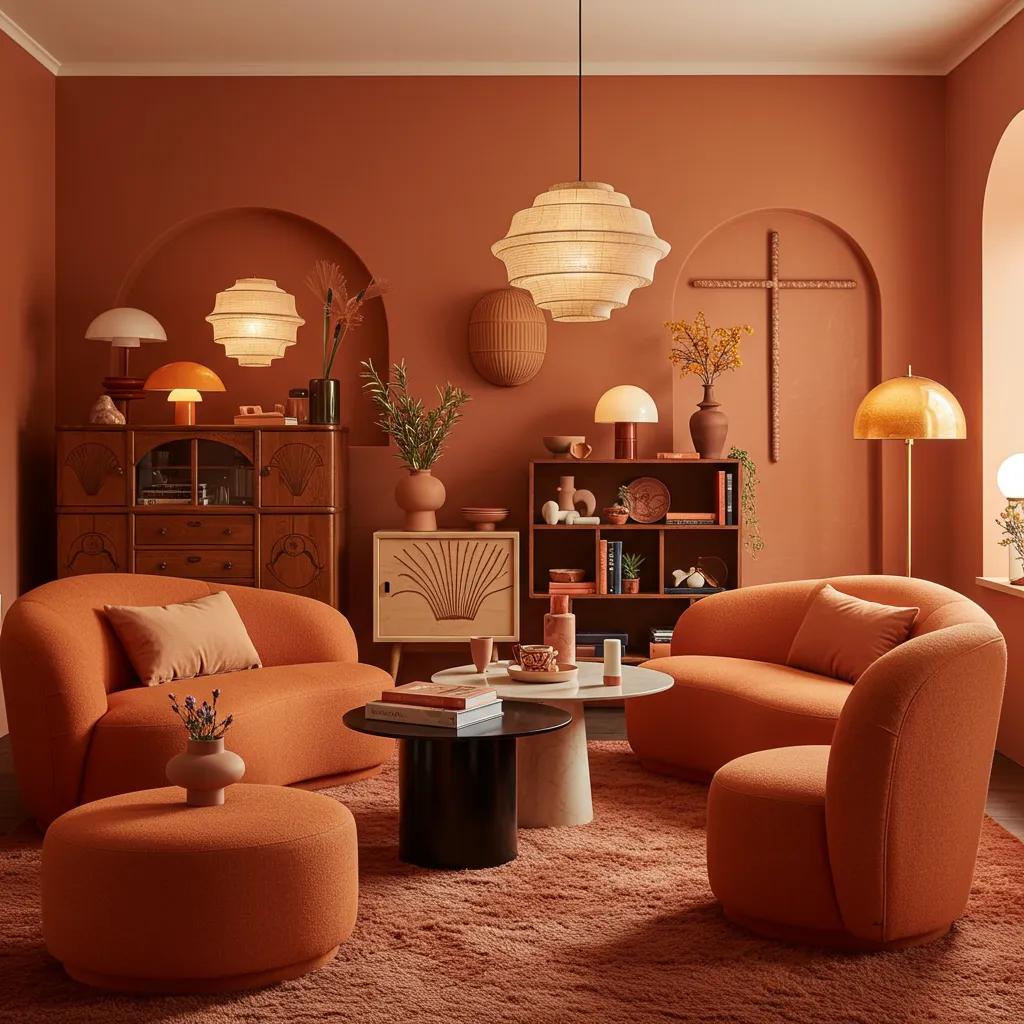
Emerging and accelerating styles for 2025 emphasize warmth, tactility, and human scale rather than stark minimalism or ultra-industrial finishes. Organic modern and Japandi blend Japanese restraint with Scandinavian warmth, producing rounded furniture shapes and layered neutrals. Vintage and handcrafted elements are resurging as people seek uniqueness and sustainability, bringing reclaimed woods and artisanal ceramics back into focus. Finally, statement lighting is growing in importance as a primary focal point, with sculptural pendants and cluster fixtures that create ambiance and define zones. These trends reflect a shift from cold minimalism to curated comfort, and they inform practical purchases and DIY projects for homeowners.
How Do Popular Styles Differ in Color Palettes and Materials?
Color palettes and materials act as reliable shorthand for identifying and reproducing a style. Scandinavian interiors favor pale, light-reflective hues paired with pale oak and linen to maximize daylight. Modern design relies on a neutral tonal base — warm grays, beiges, and accent blacks — with engineered woods and metal detailing. Bohemian spaces layer saturated textiles, natural dyes, and woven fibers like jute and kilim rugs. Minimalism uses pared-back palettes and tactile neutrals, prioritizing materials that age well like stone and matte plaster. These material and palette choices determine maintenance, cost, and thermal performance, so matching materials to local climate and household patterns is essential.
What Are the Key Characteristics of Each Popular Style?
Each style has a set of visual signatures that make it recognizable and functional in everyday life. Modern design emphasizes clean lines, open plans, and functional furniture with minimal ornamentation. Scandinavian stresses light, multi-functionality, and comfort through textiles that create Hygge-like warmth. Bohemian prioritizes eclectic layering, artisanal pieces, and pattern mixing to express personality. Minimalism focuses on negative space, proportion, and “less but better” objects to reduce visual clutter. Recognizing these signature traits helps homeowners assemble cohesive schemes and avoid mixed signals that dilute the intended effect.
How to Define and Identify Modern Interior Design?
Modern interior design is a disciplined aesthetic that emphasizes clean lines, functional layouts, and a visual focus on proportion and utility. The style works because it reduces visual noise, allowing materials and form to take center stage while supporting practical daily use; its benefit is a calm, adaptable backdrop that accommodates changing decor through accent swaps. Historically rooted in 20th-century design movements that favored industrial materials and honest construction, modern design today blends warm finishes with streamlined silhouettes to avoid cold minimalism. Below are key features, palette guidance, and practical steps to achieve modern aesthetics in a home.
What Are the Key Features of Modern Interior Design?
Modern design features include uncluttered open plans, simple geometric furniture silhouettes, and an economy of decorative detail, all oriented toward functionality. Materials often include engineered wood, glass, and metal, while furniture tends to hover low with horizontal emphasis, producing stable sightlines. Functional storage and integrated systems support the style’s utility, minimizing ad-hoc furniture that interrupts flow. These characteristics make modern rooms easy to maintain and adapt, which is why many homeowners choose the style for flexible living spaces.
Which Color Palettes and Materials Are Used in Modern Design?
Modern interiors usually start with a neutral foundation — warm greys, beige, and off-white — then add measured accent colors for drama and contrast. Durable, low-maintenance materials like engineered wood, powder-coated metal, and tempered glass are common because they match the style’s functional ethos. Accent finishes might include matte black hardware or warm metallics to add depth without ornament. Choosing resilient surface finishes also reduces upkeep in climates with dust or humidity, a practical consideration for many homeowners.
How Can You Achieve a Modern Look in Your Home?
Achieving a modern look is best done in calibrated steps: simplify layouts, invest in a few high-impact pieces, and update lighting to emphasize clean geometry. Start by decluttering and consolidating storage, then introduce a low-profile sofa or streamlined media console as an anchor piece. Swap ornate light fixtures for simple pendant or recessed lighting that clarifies volume and shadow. Finally, use textiles sparingly — a single statement rug or throw cushion — to maintain calm while adding texture. These steps create quick visual returns while remaining budget-friendly.
How Is Modern Interior Design Adapted for Pakistani Homes?
Adapting modern design for Pakistani homes focuses on balancing minimalism with local climate and textile traditions to maintain comfort and cultural resonance. Use durable, dust-resistant finishes and ventilation-friendly layouts to suit warm seasons and urban conditions, and introduce local textiles in measured doses — cushion covers or wall hangings — to add pattern and warmth without visual clutter. Space-saving furniture that doubles as storage answers common compact-plan constraints, while neutral palettes with warm accents harmonize with regional light. For local sourcing and relevant editorial context, ARY News’s LifeStyle coverage can point readers to stories and reports on regional material availability and design features that perform well in Pakistani living conditions.
What Makes Scandinavian Interior Design Unique and Sustainable?
Scandinavian interior design combines light, functionality, and a deep interest in materials that age gracefully, which aligns closely with sustainable design principles. The approach works by maximizing daylight, using durable natural materials, and favoring repairable furniture — practices that reduce consumption and support longevity. Hygge, the Scandinavian concept of cozy conviviality, informs soft layering, warm lighting, and the creation of small cozy corners for reading or conversation. Design choices include soft throws, subtle task lighting, and grouping seating to encourage intimacy; these elements create psychological warmth even in minimalist spaces. The Hygge sensibility privileges experiences over excess, nudging homeowners to choose fewer, better-quality pieces that foster domestic ease. Emphasizing Hygge can make minimal schemes feel inviting rather than austere.
What Are the Core Elements of Scandinavian Design?
Scandinavian design centers on pale palettes, purposeful furniture, and uncluttered layouts that prioritize comfort and light. Pale woods like birch or ash and natural textiles such as wool and linen create reflective surfaces and soft tactile layers. Furniture is often multi-functional, compact, and designed for straightforward repair or re-upholstery to extend useful life. The result is airy, calming interiors that emphasize human-scale proportion and reduce the impulse for frequent replacement.
How Does Hygge Influence Scandinavian Interior Style?
Hygge directs Scandinavian interiors toward comfort through intentional layering of textiles, warm ambient lighting, and the creation of small cozy corners for reading or conversation. Design choices include soft throws, subtle task lighting, and grouping seating to encourage intimacy; these elements create psychological warmth even in minimalist spaces. The Hygge sensibility privileges experiences over excess, nudging homeowners to choose fewer, better-quality pieces that foster domestic ease. Emphasizing Hygge can make minimal schemes feel inviting rather than austere.
What Sustainable Practices Are Common in Scandinavian Interiors?
Sustainability in Scandinavian interiors shows up as a preference for renewable materials, durable construction, and low-toxicity finishes that support indoor air quality and long life cycles. Designers favor reclaimed or responsibly sourced wood, natural fiber textiles, and finishes that can be maintained rather than discarded. Repairability and modularity — furniture that can be reupholstered or repurposed — reduce waste and lower lifetime cost. These practices also align with wellness-focused trends that prioritize materials with minimal off-gassing and proven longevity.
How to Incorporate Scandinavian Style in Pakistani Living Spaces?
In Pakistani homes, Scandinavian style can be adapted by maximizing daylight and ventilation, choosing light-toned finishes where possible, and integrating local textiles for warmth and pattern. Select locally available light-wood finishes or neutral stains to replicate the visual lightness while using breathable fabrics that perform well in warmer conditions. Layering small rugs and throws with traditional motifs can bridge Scandi restraint and local craft traditions for a culturally resonant result. ARY News’s LifeStyle reporting can help readers identify regional stories about material sourcing and artisan communities that support this adaptation.
How to Embrace Bohemian Decor Style for a Vibrant Home?
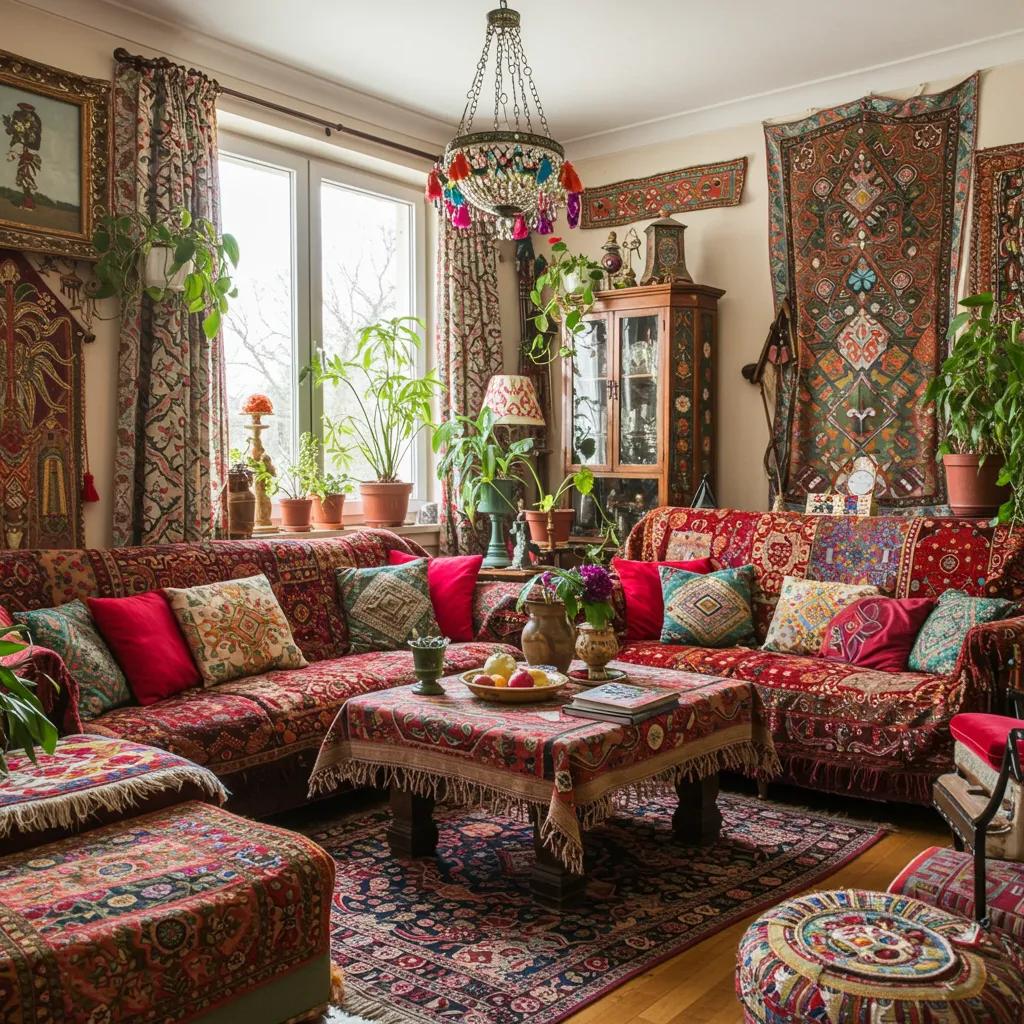
Bohemian decor celebrates eclectic, collected interiors that prioritize personality and artisanal craft over strict rules; it works by layering textures, patterns, and vintage finds to create visually rich, lived-in spaces. The value of boho is expressive individuality and flexibility: homeowners can add or remove elements without breaking a core aesthetic, making it ideal for renters or those who enjoy frequent stylistic updates. This section defines boho, presents practical DIY projects tailored to accessible materials, weighs pros and cons, and shows how boho mixes with other styles for coherent hybrids.
What Defines Bohemian Interior Design?
Bohemian interior design is defined by eclectic layering, a mix of global textiles, and a casual, collected-over-time feel that privileges artisanal and vintage objects. Key visual markers include mixed patterns, textured wall hangings, mismatched seating, and plants used as living décor. The style often uses warm, saturated tones and handcrafted materials that convey history and personality. Boho’s informal logic allows for creative freedom while requiring a curatorial eye to avoid visual chaos.
How to Create DIY Bohemian Decor Ideas for Pakistani Homes?
DIY bohemian projects for Pakistani homes focus on accessible materials and local craft techniques that are budget-friendly and high-impact. Simple projects include upcycling fabric into cushion covers, creating macramé wall hangings with natural cord, or distressing a second-hand wooden stool for character. Source fabrics from local markets and layer them strategically to anchor seating and floor areas. These hands-on projects allow homeowners to adapt boho’s eclectic palette to local resources and workshops.
Bohemian DIY ideas often use local artisans and materials that provide authenticity and durability.
What Are the Pros and Cons of Bohemian Style?
Boho offers clear benefits — expressive individuality, easy layering, and a welcoming, relaxed atmosphere — but it also carries trade-offs such as potential clutter and higher maintenance for many textiles. Pros include adaptability and strong personal expression; cons include the need for more frequent cleaning and careful curation to prevent a muddled look. Mitigation strategies involve designated storage, curated color anchors, and selecting durable, washable textiles to preserve the style without sacrificing practicality.
How Does Bohemian Style Connect with Other Interior Design Styles?
Bohemian pairs well with modern and traditional elements, producing hybrids like boho-modern that merge clean lines with rich textiles, or boho-traditional that highlights local crafts against classic furniture. Successful blends use color and scale to maintain cohesion: choose one dominant language (e.g., modern silhouettes) and layer boho accents (rugs, throws, art) to inject personality. This approach retains structural simplicity while allowing eclectic touches to read as intentional rather than accidental.
What Are the Essentials of Minimalist Home Design?
Minimalist home design centers on “less but better”: it reduces objects to those that serve a clear function while emphasizing proportion, quality, and negative space to create calm interiors. The style succeeds by prioritizing durable, multifunctional pieces and careful editing, which reduces visual stress and simplifies maintenance. Minimalist interiors can risk feeling cold unless warmth is intentionally introduced through texture and material choices. Below we define minimalism, recommend furniture and lighting, and provide strategies to keep spaces warm and adaptable for Pakistani households.
How Is Minimalism Defined in Interior Design?
Minimalism is a philosophy that privileges essential function, clarity of form, and a reduced object count to produce tranquil, ordered environments. It is characterized by uncluttered surfaces, restrained palettes, and a focus on proportion and craftsmanship. This aesthetic reduces decision fatigue in daily life and can improve perceived spatial clarity in compact homes. Minimalism’s discipline centers on choosing enduring pieces that provide multiple functions and visual calm.
What Furniture and Lighting Suit Minimalist Interiors?
Furniture for minimalist interiors features slim profiles, hidden storage, and neutral tactile finishes that support form and utility. Pieces like modular sofas, platform beds with integrated storage, and simple console tables keep sightlines clean. Lighting should be minimal but warm — recessed or track lighting plus simple pendant fixtures that emphasize form without ornament. Selecting pieces with quality finishes ensures longevity, which aligns with minimalist principles of mindful consumption.
How to Achieve Minimalist Style Without Losing Warmth?
Inject warmth into minimalist interiors through texture, warm wood tones, and focused accents that anchor a space without adding clutter. Use layered textiles in neutral tones — wool throws, linen cushions — and introduce a single statement rug or piece of art to create a focal point. Natural wood or terracotta elements add tactile warmth while keeping the palette restrained. These techniques maintain minimalism’s clarity while making rooms feel inviting and lived in.
The following list highlights simple warmth strategies for minimalist rooms:
- Layer textures: Add one or two tactile textiles in neutral tones.
- Introduce warm wood: Use small wood accents to soften cool palettes.
- Use ambient lighting: Choose warm-LED ambient sources over stark fluorescents.
A curated approach to warmth preserves minimalism’s benefits while enhancing comfort.
How Can Minimalism Be Adapted for Pakistani Homes?
Adapting minimalism in Pakistan requires practical storage solutions, low-maintenance materials, and sensitivity to cultural preferences for occasional ornament. Integrate built-in storage to manage smaller footprints and choose local, low-maintenance materials like sealed woods and washable textiles that withstand dust and heat. Allow small doses of color or traditional motifs in cushions or framed textiles to respect cultural aesthetics while maintaining overall restraint. ARY News’s LifeStyle coverage can direct readers to regional advice and stories about cost-effective local options for minimalist interiors.
How Are Interior Design Trends Evolving in 2025?
Interior design trends in 2025 reflect a collective move toward warmer palettes, organic shapes, and material choices that prioritize longevity and sustainability. Drivers include a cultural turn toward home-centered comfort, supply-chain shifts that favor local sourcing, and a renewed interest in handcrafted vintage goods as counterpoints to mass production. For homeowners, these trends translate into practical choices: invest in durable statement pieces, layer tactile materials, and prioritize lighting and ergonomics. The table below maps top trends to drivers and homeowner implications to help readers plan meaningful updates.
Introductory table of 2025 trend drivers and implications:
This mapping helps homeowners prioritize updates that align with cultural drivers and yield lasting visual impact.
What Are the Emerging Styles and Color Trends for 2025?
Key 2025 shifts include earthy palettes supplanting cool grays, rounded furniture forms that favor comfort, and organic modern or Japandi hybrids that blend restraint with warmth. Pantone and design forecasters have signaled warmer neutrals and mocha-like hues emerging as dominant anchors, encouraging complementary accents in terracotta and deep greens. These visual cues make rooms feel rooted and approachable, and they inform paint, upholstery, and accessory choices for homeowners planning updates. Embracing these palettes can refresh a room without wholesale replacement of major furnishings.
How Are Vintage and Handcrafted Elements Influencing Modern Interiors?
Vintage and handcrafted pieces reintroduce patina, storytelling, and lower embodied carbon into modern interiors; they act as tactile counterpoints to sleek mass-produced items. Mixing a refurbished sideboard or artisanal ceramic with contemporary seating creates layered authenticity and supports local crafts economies. Sourcing locally reduces shipping emissions and often yields better value through repairable, long-lasting pieces. For homeowners, blending vintage with new allows gradual style evolution and aligns with sustainable consumption practices.
What Role Does Statement Lighting Play in Current Designs?
Statement lighting functions as both sculptural art and primary scene-setting element in contemporary rooms, guiding perception and defining zones within open plans. Fixtures with rounded or geometric profiles create focal points and can complement rounded furniture trends; clustered pendants or oversized sculptural shades are common. Practical considerations include proportion — a fixture should scale to the room and seating group — and choosing fittings with accessible replacement parts for longevity. Well-chosen lighting elevates modest furnishings and clarifies a room’s spatial hierarchy.
How Is Sustainability Shaping Interior Design Choices?
Sustainability is shifting decisions from disposable aesthetics to long-term value: homeowners choose renewable materials, low-VOC finishes, and repair-first strategies that extend a product’s life. This trend encourages buying fewer, higher-quality pieces and supports local artisans who produce durable, repairable furniture. Material choices like reclaimed wood, natural fiber textiles, and low-toxicity paints reduce environmental impact and often improve indoor air quality. These sustainable practices align with wellness priorities and make design decisions more future-proof.
ARY News, as an information hub, frames these trend reports within broader cultural and economic reporting, helping readers understand how material availability, local markets, and consumer behavior are shaping design choices in 2025.
How to Choose the Right Interior Design Style for Your Home?
Choosing the right interior design style requires a framework that balances lifestyle, budget, permanence, and local conditions; the right approach begins with targeted questions and ends with a tested blending strategy. This section provides a checklist to identify preferences, methods to blend traditional and modern elements, benefits of mixing styles, and pointers to discover local resources and Pakistani interior design startups through journalistic coverage. Use the checklist and the practical table below to map styles to rooms and local adaptation tips.
Quick decision table to map styles to rooms and practical considerations:
What Questions Help You Find Your Interior Design Style?
A short reflective checklist helps determine a suitable style: consider lifestyle, how rooms are used, maintenance willingness, budget, and cultural preferences. Ask whether you prefer low-maintenance surfaces or rich textiles, whether you entertain frequently or prioritize private relaxation, and how permanent you want furnishings to be. These answers point toward styles that fit daily life: minimalists suit low-maintenance routines, boho suits expressive collectors, and Scandinavian suits those valuing light and utility. Interpreting these responses steers the next step: sampling small changes and assessing their impact.
Use this checklist to evaluate style fit:
- How do you use this room daily? Determine primary functions first.
- How much time will you dedicate to upkeep? Match materials to maintenance capacity.
- Do you prefer timeless pieces or frequent updates? Decide permanence level.
Applying this checklist to a room prevents costly mismatches and improves long-term satisfaction.
How to Blend Traditional and Modern Styles Effectively?
Blending styles requires establishing a dominant language and using consistent anchors — color, scale, or material — to harmonize accents from another tradition. Start by choosing one dominant style, then introduce heritage pieces or patterned textiles as accents rather than structural elements. Maintain cohesion through unified color palettes and balanced scale: a modern sofa can host traditionally patterned cushions, or a vintage chest can sit beside streamlined cabinetry. Thoughtful restraint and repetition of materials across pieces preserve visual unity while allowing hybrid expression.
What Are the Benefits of Mixing Multiple Interior Design Styles?
Mixing styles yields personalization, flexibility, and resilience — homeowners can combine the best functional aspects of different traditions while creating unique interiors. Benefits include the ability to repurpose inherited or vintage items, increased longevity through varied material choices, and the freedom to evolve a home’s look gradually. The key is selective combination, ensuring that at least one unifying element (color family, repetition of material) runs through the scheme to prevent discordant results and maintain visual flow.
Where to Find Local Resources and Pakistani Interior Design Startups?
Finding local resources is best done through markets, artisan hubs, and journalistic coverage that profiles emerging designers and startup offerings without relying on advertisements. Look for LifeStyle and Startup reporting that highlights regional craft clusters, market guides, and vendor spotlights to discover makers and suppliers. Social platforms offer visual discovery, but pairing visual inspiration with editorial validation helps vet vendors for quality and reliability. ARY News’s role as an information hub means its coverage can point readers toward relevant stories about local artisans and practical buying guides rather than acting as a marketplace.
Conclusion
Understanding popular interior design styles empowers homeowners to create spaces that reflect their personality while ensuring comfort and functionality. By exploring modern, Scandinavian, bohemian, and minimalist aesthetics, you can make informed choices that enhance your living environment. Embrace the opportunity to blend styles and adapt them to your unique context, ensuring a harmonious and inviting home. Discover more insights and resources to guide your design journey today.