Unveiling International Relations: Your Comprehensive Guide to Global Diplomacy, Foreign Policy, and Geopolitical Analysis
International relations delves into the intricate dance between states, global organizations, and non-state players as they navigate conflicts, safeguard interests, and tackle shared challenges across borders. This essential guide illuminates core concepts like diplomacy, sovereignty, the balance of power, and international law, revealing how foreign policy decisions and geopolitical shifts profoundly impact trade, security, and humanitarian efforts. Discover regional dynamics spanning South Asia, the Middle East, East Asia, and Europe, alongside critical global issues—from trade disputes and climate negotiations to the rise of cyber warfare. We’ll also uncover the institutions and key actors shaping state behavior, explore the influence of digital diplomacy and media, and examine how evolving technologies reshape public perception and diplomatic practice. Finally, this guide outlines current diplomatic endeavors, anticipated future trends such as multipolarity and climate migration, and offers practical answers to common questions, empowering policymakers, students, and engaged citizens to confidently interpret international events.
Unpacking the Essentials: Core Concepts and Vital Importance of International Relations
International relations stands as the pivotal study of how sovereign states and other global players interact, meticulously examining diplomacy, the intricate distribution of power, and the legal frameworks governing cross-border conduct. This dynamic field seamlessly blends theory with practice: realism underscores security and the delicate balance of power, liberalism champions institutions and collaborative efforts, while constructivism zeroes in on the norms and identities that mold behavior. These foundational concepts steer foreign policy instruments—negotiation, sanctions, treaties—leading to predictable and strategic outcomes for nations. The profound practical significance of international relations is evident in national security, trade accessibility, humanitarian partnerships, and climate diplomacy, where harmonized responses are crucial to avert escalation and adeptly manage shared global risks.
At ARY News, we are dedicated to delivering timely and comprehensive news and current affairs, ensuring our audience remains informed and deeply engaged with a diverse array of content.
Defining International Relations: Its Role in Politics and Global Affairs
International relations meticulously outlines the rules and practices that guide political actors in managing their cross-border interactions, seamlessly weaving together diplomacy, international law, and economic connections. Nations routinely engage in summit diplomacy, intricate treaty negotiations, and strategic alliance-building as essential mechanisms to resolve disputes and advance their national interests. Consider historical precedents like post-war treaty frameworks or recent multilateral trade negotiations that have fundamentally reshaped tariffs and market access. Grasping these vital mechanisms illuminates how everyday policy decisions evolve into significant long-term geopolitical shifts and broader global governance structures.
The Indispensable Role: Why International Relations is Crucial for National and Global Stability
International relations holds paramount importance because cross-border interactions directly shape security frameworks, economic prosperity, and our collective responses to humanitarian crises, making global stability a direct outcome of both astute policy and robust institutions. For instance, trade agreements profoundly influence market access and domestic industries, while security pacts and peacekeeping missions significantly mitigate the risk of armed conflict spilling across borders. Within regional contexts, cooperative frameworks are vital for managing refugee movements and shared resources, demonstrating how effective foreign policy can substantially reduce domestic vulnerabilities. For nations like Pakistan, connecting global dynamics to national outcomes—such as trade balances, security partnerships, and migration pressures—powerfully underscores why insightful IR analysis is indispensable for informed political decision-making.
The Architects of Global Interaction: How Diplomacy and Foreign Policy Shape International Relations
Diplomacy encompasses the sophisticated toolkit—including negotiation, dialogue, public outreach, and discreet back-channel discussions—employed to execute foreign policy, while foreign policy itself articulates a state’s overarching strategic ambitions such as security, prosperity, and global influence. These diplomatic instruments yield tangible outcomes like treaties, sanctions, or crucial confidence-building measures, meticulously aligning immediate tactics with broader, long-term strategic objectives. Economic statecraft, featuring trade incentives and targeted sanctions, is increasingly pivotal to foreign policy, especially given today’s profound global interdependence and intricate supply-chain connections. This dynamic interplay between diplomatic tools and strategic goals vividly illustrates why mastering both the art of diplomacy and the science of policy design is absolutely essential for impactful international engagement.
Having established these foundational terms and the compelling reasons behind international state actions, we now pivot to explore how regional diplomatic patterns intricately weave into broader global consequences.
Regional Ripples, Global Waves: How Diplomacy and Geopolitical Dynamics Shape International Relations
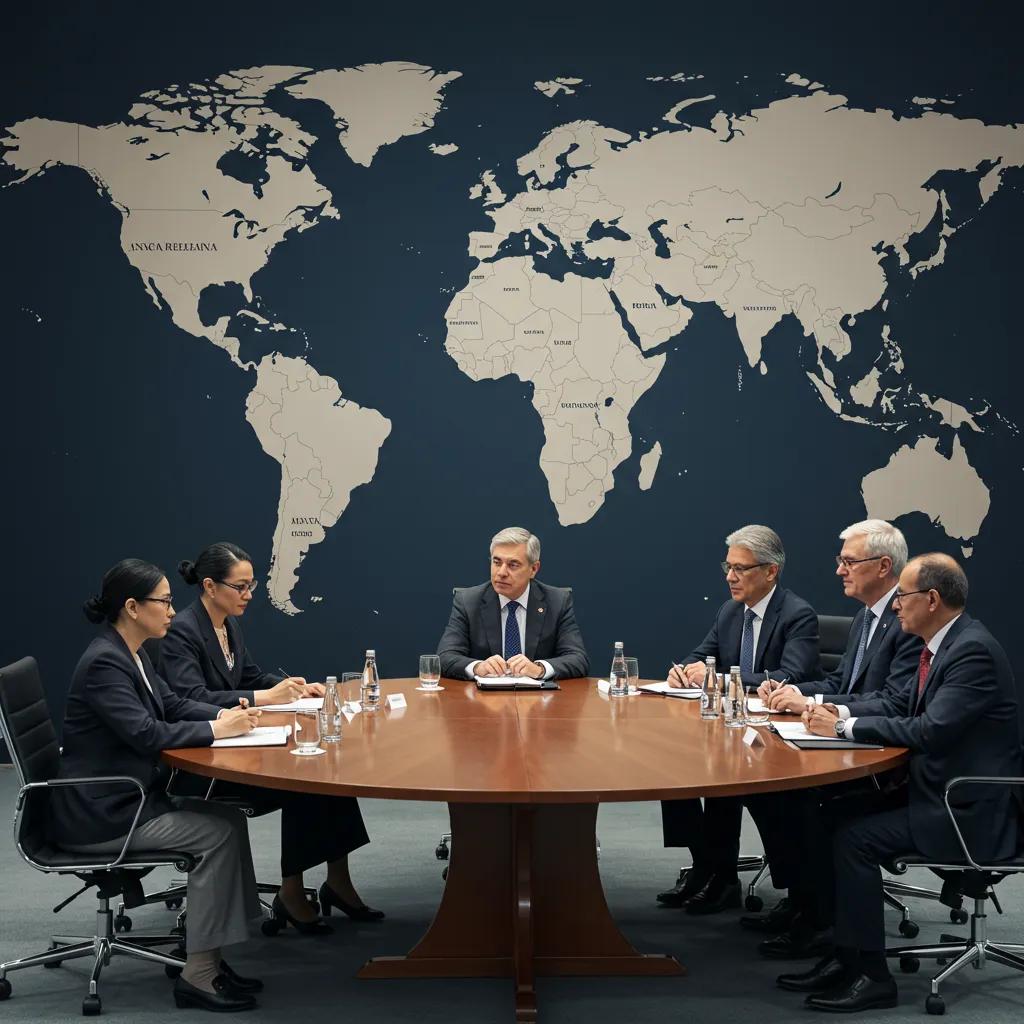
Regional diplomacy serves as a crucial conduit, transforming local disputes and alignments into far-reaching global outcomes by meticulously shaping alliances, vital trade corridors, and strategic security postures that profoundly impact wider geopolitical balances. Even localized flashpoints possess the power to ignite great-power involvement, thereby altering global governance priorities and critical resource flows. The intricate regional dynamics—from the vibrant landscapes of South Asia to the strategic hubs of East Asia and the Middle East—dictate how states forge blocs, negotiate trade agreements, and navigate crises that inevitably cascade into global markets and security frameworks. A concise regional breakdown offers readers a swift overview of key hotspots and recent developments, illuminating their profound influence.
Each region, with its unique complexities, generates distinct drivers that profoundly impact the global stage:
- South Asia: Persistent border tensions and significant refugee flows critically influence regional stability and strategic alliance decisions.
- Middle East: The intricate interplay of resource politics, deep-seated sectarian tensions, and evolving Gulf diplomacy profoundly impacts global energy markets and crucial security partnerships.
- East Asia: Escalating US-China trade frictions and heightened tensions across the Taiwan Strait are fundamentally reshaping global supply chains and military postures.
- Europe: Robust EU policy and a strengthened NATO posture are actively driving sanctions, deterrence strategies, and regulatory responses to regional aggression.
These intricate regional patterns vividly illustrate how localized diplomatic efforts can swiftly escalate into systemic geopolitical shifts, underscoring why precisely targeted policy responses are absolutely vital for effective global governance.
A Regional Snapshot: The table below offers a concise summary of key regions, their central issues, and recent diplomatic developments, providing a rapid comparative overview of global hotspots.
This insightful snapshot powerfully illustrates how each region’s unique challenges translate into distinct diplomatic responses, collectively shaping the intricate tapestry of international relations.
Building upon the regional patterns we’ve explored, our focus now shifts to the pervasive, cross-cutting global issues—including conflicts, trade wars, climate diplomacy, and international law—that profoundly influence diplomatic efforts worldwide.
South Asia’s Diplomatic Landscape: Key Issues for Pakistan, India, and Afghanistan
South Asia’s intricate diplomacy revolves around critical issues such as border security, vital counterterrorism cooperation, economic connectivity, and effective refugee management, with persistent bilateral tensions frequently dictating regional policy. The complex relationship between Pakistan and India is characterized by evolving military postures and intermittent diplomatic dialogues that significantly impact broader South Asian stability and trade potential. Meanwhile, developments in Afghanistan continue to generate profound humanitarian challenges and cross-border security concerns, necessitating robust multilateral coordination. These multifaceted dynamics powerfully underscore that regional diplomacy must strategically integrate security measures with comprehensive economic and humanitarian initiatives to effectively mitigate spillover effects.
Middle East Diplomacy: Reshaping Conflicts and Alliances
Middle East diplomacy consistently reconfigures alliances through its dynamic interplay of shifting economic ties, strategic security pacts, and evolving normalization efforts, with these profound changes reverberating across global energy markets and strategic balances. Recent diplomatic breakthroughs include significant reconciliation among Gulf states and selective normalization processes that are actively realigning regional blocs. Persistent proxy conflicts and escalating humanitarian crises frequently trigger international mediation attempts and intensify great-power competition for influence. The region’s inherent diplomatic volatility demands that global actors meticulously calibrate their policy tools—including sanctions, mediation, and incentives—to adeptly manage both immediate crises and the intricate architecture of long-term alliances.
East Asia’s Geopolitical Crossroads: Navigating US-China Trade Tensions and the Taiwan Strait
East Asia stands at a critical juncture, grappling with intense competing pressures stemming from profound economic interdependence and escalating strategic rivalry, most notably seen in US-China trade tensions and heightened military competition surrounding the Taiwan Strait. Trade measures and tariffs send significant ripples through global supply chains, while assertive military posturing dangerously elevates the risk of miscalculation and accelerates regional arms buildups. Regional diplomacy diligently strives to stabilize trade flows through intricate negotiations and robust frameworks, even as security dialogues work tirelessly to prevent escalation. The complex interplay between economic and security concerns in East Asia vividly illustrates just how deeply intertwined modern geopolitics has become.
Europe’s Strategic Compass: How Foreign Policies Shape NATO and EU-Russia Relations
European foreign policies are meticulously shaping NATO strategy and the EU’s nuanced approaches to Russia through a powerful combination of sanctions, robust defense cooperation, and strategic regulatory alignment, all aimed at deterring aggression and steadfastly upholding international law. Recent pivotal policy shifts have significantly intensified collective responses to emerging security threats, encompassing coordinated sanctions and substantially enhanced deterrence measures across NATO member states. Diplomatic isolation and potent legal mechanisms are deployed in tandem with crucial humanitarian assistance and proactive energy diversification policies. Europe’s comprehensive approach powerfully demonstrates how regional policy can effectively reinforce global governance norms and strengthen collective security architectures.
Navigating the Global Agenda: Latest Issues Shaping International Relations
Pervasive global issues—including armed conflict, escalating trade wars, the urgent challenge of climate change, and the dynamic evolution of international law—are powerfully driving diplomatic agendas and necessitate coordinated, robust responses across multilateral institutions. Conflicts inevitably spark humanitarian crises that rigorously test the capacity of international organizations and bilateral partners to deliver vital aid and broker crucial ceasefires. The reality of profound economic interdependence means that trade policies and sanctions wield far-reaching impacts on global markets and domestic politics. Meanwhile, climate diplomacy introduces critical new negotiation arenas—encompassing finance, adaptation strategies, and migration—all demanding long-term cooperative frameworks under the umbrella of global governance.
Explore below the primary global issues profoundly shaping contemporary diplomacy, complete with concise explanations of their far-reaching effects and why they hold such critical importance.
- Conflict and Humanitarian Crises: Wars and civil strife compel urgent diplomatic mediation and robust international relief operations, vital for preventing widespread regional destabilization.
- Economic Interdependence and Trade Wars: Strategic tariffs and targeted sanctions fundamentally reshape global supply chains, leveraging economic policy as a potent tool of statecraft.
- Climate Diplomacy: Critical negotiations on emissions, climate finance, and adaptation strategies are increasingly defining bilateral and multilateral agendas worldwide.
- International Law and Human Rights: Landmark legal rulings, pivotal UN resolutions, and growing normative pressure are actively shaping state behavior and strengthening accountability mechanisms.
Addressing these complex issue areas demands integrated diplomatic strategies that meticulously balance urgent short-term crisis management with visionary long-term institution-building, all aimed at fostering enduring global stability.
Global Challenges at a Glance: The following table offers a comparative overview of major issues, the regions or actors most profoundly affected, and the typical diplomatic or policy responses, vividly illustrating how states and institutions navigate these challenges.
This insightful comparison illuminates how diverse global problems necessitate distinct diplomatic approaches and tailored policy instruments to effectively manage complex transnational challenges.
The Diplomatic Imperative: How International Conflicts and Humanitarian Crises Shape Global Engagement
Conflicts inevitably compel robust diplomatic engagement by generating powerful incentives for mediation, crucial third-party intervention, and vital humanitarian coordination, all aimed at stabilizing affected regions. International actors strategically deploy peace processes, targeted sanctions, and essential relief assistance, often reflecting broader geopolitical interests and intricate alliance politics. The establishment of humanitarian corridors and critical protection initiatives hinges entirely on diplomatic access and seamless cooperation, fundamentally shaping how crises are managed on the ground. Therefore, truly effective diplomacy must seamlessly integrate security, legal, and humanitarian tools to safeguard civilians while simultaneously pursuing durable political solutions.
The Economic Lever: How Interdependence and Trade Wars Reshape World Affairs
Profound economic interdependence transforms commercial links into potent strategic leverage, where tariffs, targeted sanctions, and stringent export controls emerge as formidable instruments of foreign policy, directly influencing partner behavior. Trade disputes between major global powers send significant ripples through regional economies, compelling third-party states to either meticulously adjust their supply chains or strategically choose alignment. For numerous nations, striking a delicate balance between ensuring market access and navigating geopolitical alignment presents a complex diplomatic challenge that profoundly impacts domestic industries and employment. Consequently, modern foreign policy is increasingly and seamlessly integrating economic statecraft alongside traditional military and normative tools.
Climate Diplomacy: A Rising Global Priority on the International Stage
Climate diplomacy is powerfully elevating critical negotiations on emissions reduction, vital finance for adaptation, and the complex issue of cross-border migration driven by environmental change onto the highest diplomatic agendas worldwide. Landmark COP meetings and crucial bilateral climate accords are designed to mobilize essential finance and technical support for vulnerable nations, simultaneously establishing robust compliance mechanisms. The escalating reality of climate-driven displacement is prompting urgent early efforts to construct comprehensive legal and humanitarian frameworks for cross-border migration. As climate impacts relentlessly intensify, climate diplomacy is rapidly becoming a central and indispensable dimension of both foreign policy and global governance.
The escalating urgency of climate change imperatively demands coordinated international action, powerfully underscoring the critical and indispensable role of climate diplomacy in shaping global security and policy.
Climate Diplomacy: A Growing Foreign Policy Challenge for Global Security
Managing climate change is a global problem, the solution of which mandates the unified efforts of the entire international community. And this is where climate diplomacy comes at play. The efforts of climate diplomacy need to be focused on two primary directions. The first priority is limiting global warming under 2°C compared to the pre-industrial levels and taking actions to reduce the harmful emissions of greenhouse gases. The second priority is about taking adequate measures to handle climate change consequences, amongst which the so-called climate migration.
Evolving Frameworks: Key Developments in International Law and Human Rights
Significant developments in international law and human rights—encompassing landmark tribunal decisions, pivotal UN resolutions, and rigorous investigative reports—profoundly shape diplomatic responses by establishing crucial norms and outlining potential legal liabilities for states. Robust legal mechanisms can trigger targeted sanctions, lead to diplomatic isolation, or impose reparative obligations that directly impact bilateral and multilateral relations. Powerful human rights advocacy actively molds public agendas and often constrains policy options, compelling states to meticulously manage reputational risks alongside their strategic interests. Consequently, diplomats are increasingly and seamlessly integrating expert legal counsel and comprehensive rights analysis into their sophisticated negotiation strategies.
The Global Architects: Key Actors and Institutions Shaping International Relations Today
The intricate world of international relations is driven by pivotal actors, including sovereign states, influential regional blocs, and robust international organizations that meticulously establish rules, convene critical negotiations, and, in certain instances, enforce crucial decisions. Powerful state actors such as the United States and China profoundly shape global economic and security systems through their formidable military presence, expansive trade networks, and strategic diplomatic initiatives. Institutions like the United Nations, NATO, and the European Union offer indispensable platforms for fostering cooperation, adept conflict management, and vital norm-setting, though their ultimate effectiveness hinges on unwavering member support and strong political will. Closely tracking these key actors provides invaluable clarity on how policy choices and recent actions dynamically reshape the international landscape.
At ARY News, we are dedicated to delivering timely and comprehensive news and current affairs, ensuring our audience remains informed and deeply engaged with a diverse array of content.
Key Global Players: The table below provides an insightful snapshot of several major actors, detailing their pivotal roles and recent diplomatic actions, enabling readers to readily compare their responsibilities and trajectories on the world stage.
This comprehensive comparative snapshot empowers readers to grasp how diverse global actors skillfully employ a range of distinct tools to strategically advance their interests and adeptly respond to unfolding crises.
The UN’s Mandate: Its Pivotal Role in Global Diplomacy and Peacekeeping
The United Nations stands as an indispensable forum for critical negotiation, vital norm-setting, and coordinated humanitarian response, while its peacekeeping operations diligently strive to stabilize conflict zones under a collective mandate. The influential Security Council, the expansive General Assembly, and numerous specialized agencies provide robust mechanisms for targeted sanctions, crucial development assistance, and legal resolution, though the exercise of veto powers and persistent political disagreements can, at times, constrain certain actions. UN peacekeeping has achieved notable successes in stabilizing post-conflict transitions, yet criticisms often highlight resource constraints and mandate limitations. A thorough understanding of the UN’s comprehensive toolkit and inherent limits is absolutely essential for realistic assessments of international conflict management.
US Foreign Policy: Shaping Global Strategic Alliances and Geopolitical Landscapes
US foreign policy meticulously shapes global alliances through its robust defense commitments, strategic economic partnerships, and influential diplomatic leadership, which collectively underpin vital institutions like NATO and profoundly impact Indo-Pacific alignments. American policies concerning trade, targeted sanctions, and crucial security assistance powerfully motivate partner states’ strategic calculations, often prompting significant realignments or the adoption of countermeasures. Recent pivotal shifts in policy increasingly emphasize strategic competition with rising global powers and the imperative of adapting alliances to confront emerging threats such as cyber warfare. The United States’ capacity to effectively lead coalition responses frequently hinges on achieving domestic consensus and fostering seamless diplomatic coordination with its allies.
China’s Ascendant Role: Economic Statecraft and Security Influence on the Global Stage
China strategically projects its formidable influence through sophisticated economic statecraft—encompassing massive infrastructure finance, expansive trade partnerships, and significant global investment—while simultaneously and steadily expanding its security cooperation and naval presence in key regional waters. Ambitious initiatives that fund ports, roads, and energy projects meticulously cultivate dependencies that seamlessly translate into potent diplomatic leverage and the emergence of alternative governance models. China’s rapidly growing role is fundamentally reconfiguring global supply chains and diplomatic alignments, compelling other international actors to respond through tailored trade policy, strategic partnerships, or competitive investments. This intricate and powerful blend of economic and security tools is profoundly shaping contemporary multipolar dynamics.
Pakistan’s Diplomatic Footprint: Shaping Regional and Global Engagements
Pakistan’s foreign policy meticulously balances pressing regional security concerns, vital economic ties, and strategic global partnerships to adeptly manage its complex strategic environment and critical domestic priorities. Its robust diplomatic efforts encompass carefully managing relations with neighboring states, actively engaging in influential multilateral forums, and vigorously pursuing economic cooperation to bolster national development and trade. Pakistan’s pivotal role in regional mediation, crucial humanitarian coordination, and impactful bilateral dialogues directly influences migration flows, security arrangements, and key regional economic initiatives. Grasping Pakistan’s nuanced approaches offers domestic audiences invaluable insight into how global events intricately connect to national interests and pivotal policy choices.
These comprehensive actor profiles vividly clarify who wields significant influence in international relations and precisely how their recent actions are dynamically redirecting diplomatic agendas toward critical emerging priorities such as trade realignment, climate diplomacy, and the establishment of cyber norms.
The Digital Frontier: How Diplomacy and Media Are Reshaping International Relations

Digital diplomacy harnesses the power of social media, sophisticated data analytics, and targeted online campaigns to meticulously shape narratives, actively engage diverse publics, and conduct impactful soft-power outreach with unprecedented speed and scale. These dynamic digital platforms empower states to communicate directly with foreign publics, swiftly announce policy positions, and seamlessly coordinate messaging during critical crises. However, they also inherently create vulnerabilities to pervasive misinformation and the risk of rapid escalation. The intricate media ecosystems—encompassing both traditional outlets and burgeoning digital channels—profoundly influence public perception, often constrain policymakers, and can either amplify or dampen diplomatic initiatives. Furthermore, innovative tools such as AI are dramatically accelerating reporting and analysis, fundamentally altering how information flows dictate diplomatic timing and public understanding.
At ARY News, we are dedicated to delivering timely and comprehensive news and current affairs, ensuring our audience remains informed and deeply engaged with a diverse array of content.
ARY News, proudly operating as ‘ARY News – Ai Reporting Yard’ and distinguished by its commitment to being ‘Powered With Ai Accurate, Fast, and Reliable,’ strategically positions its digital reporting to seamlessly combine unparalleled speed with profound analytical depth.
Digital Diplomacy Unpacked: Its Transformative Impact on Global Communication
Digital diplomacy comprehensively encompasses state-run social media accounts, meticulously targeted digital campaigns, and dynamic real-time engagement, fundamentally reshaping how governments convey policy and swiftly respond to critical incidents. Compelling case studies include embassy Twitter accounts adeptly managing crisis narratives and innovative public diplomacy campaigns fostering robust cultural ties. While digital tools empower diplomats to rapidly mobilize support, they demand exceptionally careful messaging to avert missteps that could dangerously escalate tensions. Truly effective digital diplomacy seamlessly blends strategic communication, rigorous verification, and astute offline negotiation to translate online traction into tangible diplomatic outcomes.
The pervasive and undeniable influence of digital platforms in modern statecraft presents a profound double-edged sword, enabling direct and instantaneous communication while simultaneously creating fertile ground for the rapid and widespread dissemination of disinformation.
Digital Diplomacy and Disinformation: Reshaping Global Public Opinion
Digital diplomacy has revolutionized global communication by leveraging social media, artificial intelligence (AI), and real-time engagement, yet it simultaneously amplifies the risks of disinformation, reshaping public opinion in destabilizing ways. This paper examines the dual-edged nature of digital diplomacy, analysing how states and non-state actors exploit platforms like Twitter, Facebook, and TikTok to foster connectivity while spreading disinformation. Through historical precedents—from Cold War propaganda to AI-driven deepfakes—the study underscores disinformation’s evolution into a tool of hybrid warfare, eroding trust in institutions and polarizing societies. Case studies of Russian election interference, Chinese influence operations, and domestic disinformation crises (e.g., the 2020 U.S. Capitol riot) highlight the transnational and psychological impacts of manipulated narratives. The paper argues that combating disinformation requires interdisciplinary strategies,
The Shadow of Misinformation: Its Impact on International Relations and Public Perception
Pervasive misinformation profoundly distorts public understanding, dangerously fuels polarization, and can readily provoke significant diplomatic friction by propagating false narratives that severely complicate negotiation and erode trust-building efforts. Baseless claims regarding incidents, troop movements, or policy intentions may compel governments to expend valuable diplomatic capital on clarification, diverting resources from substantive negotiation. Effective countermeasures encompass robust verification initiatives, comprehensive digital literacy campaigns, and enhanced cooperation between states and digital platforms to rigorously limit harmful disinformation. Consequently, adeptly managing misinformation has become an integral and indispensable component of modern diplomatic strategy, as public perception frequently dictates policy windows and the crucial public support for international actions.
AI in the Newsroom: Ensuring Timely and Reliable Global Coverage
AI-powered reporting dramatically accelerates data processing, expertly summarizes complex documents, and swiftly flags emerging trends, empowering journalists and analysts to identify critical developments with unparalleled speed and efficiency. These advanced capabilities significantly enhance situational awareness and enable near-real-time coverage, which is vital for bolstering diplomatic responsiveness. However, they also introduce inherent risks such as algorithmic bias and potential errors, necessitating robust editorial oversight. Establishing stringent standards for verification, implementing human-in-the-loop review processes, and ensuring complete transparency about AI usage are absolutely essential to preserve accuracy and maintain public trust in reporting. When seamlessly combined with expert human analysis, AI tools can profoundly enhance the depth and speed of international coverage, all while demanding the most rigorous safeguards.
This insightful discussion of digital tools and their profound media effects naturally leads us to examine how current diplomatic initiatives are adeptly responding to immediate crises and strategically addressing the long-term trends that are fundamentally reshaping the international system.
Diplomacy‘s Horizon: Current Efforts and the Future Outlook in International Relations
Contemporary diplomatic initiatives skillfully blend urgent crisis mediation, vital multilateral convening, and intricate long-term negotiation on pivotal issues such as climate finance and cyber norms, all aimed at adeptly managing immediate threats and mitigating systemic risks. Robust multilateral organizations actively facilitate crucial coordination, while focused bilateral and regional talks meticulously address specific disputes and essential economic linkages. Emerging global trends encompass the significant growth of multipolarity, a heightened emphasis on robust cyber security, and escalating transboundary migration driven by climate stress—all demanding highly adaptive diplomatic frameworks. Consequently, policymakers are increasingly and strategically blending both hard and soft power tools—including targeted sanctions, compelling incentives, potent legal mechanisms, and influential public diplomacy—to effectively address today’s complex, profoundly interdependent challenges.
At ARY News, we are dedicated to delivering timely and comprehensive news and current affairs, ensuring our audience remains informed and deeply engaged with a diverse array of content.
Recent Diplomatic Initiatives: Explore below a curated list of contemporary diplomatic efforts actively addressing regional conflicts and fostering cooperation, complete with concise evaluations of their strategic aims.
- Mediation and Talks: Crucial third-party mediation and agile shuttle diplomacy diligently pursue ceasefires and enduring political settlements.
- Sanctions and Legal Measures: Coordinated sanctions and robust international legal steps are strategically deployed to deter rights violations and compel changes in state behavior.
- Climate Finance and Adaptation Accords: Innovative funding mechanisms and vital bilateral aid empower vulnerable countries to proactively prepare for escalating environmental shocks.
- Cyber Norms Dialogues: Influential multilateral discussions are actively working to define critical red lines and establish clear procedures for responsible state conduct in the digital realm.
These multifaceted approaches powerfully illustrate how diplomacy seamlessly blends immediate, decisive action with strategic institution-building, all aimed at significantly reducing future risks and forging clear pathways for enduring cooperation.
The Vital Role of International Organizations: These entities are indispensable for facilitating conflict resolution, adeptly managing humanitarian responses, and establishing crucial normative standards. However, inherent limitations in their mandates and resources necessitate ongoing reforms and unwavering political commitment from member states.
This insightful table powerfully underscores how international organizations strategically combine diverse tools, achieving optimal effectiveness when member states demonstrate unwavering commitment of resources and political will towards collective action.
Addressing Regional Conflicts: A Look at Recent Diplomatic Initiatives
Recent pivotal initiatives encompass robust mediation efforts, intricate ceasefire negotiations, and crucial confidence-building measures, all spearheaded by influential regional powers and multilateral institutions to effectively de-escalate conflicts. The degree of success profoundly varies, contingent upon the willingness of belligerents, the incentives offered by external sponsors, and the presence of credible enforcement mechanisms. While short-term agreements can swiftly open vital humanitarian access and significantly reduce violence, achieving enduring long-term peace necessitates comprehensive political settlements and sustained reconstruction support. Therefore, astute diplomatic strategies must seamlessly pair immediate crisis management with robust frameworks for reconciliation and sustainable economic stabilization.
Global Catalysts: How International Organizations Drive Conflict Resolution and Cooperation
International organizations serve as indispensable, neutral platforms for critical talks, deploy vital peacekeeping forces, and establish crucial channels for humanitarian relief, all of which are instrumental in stabilizing crises and coordinating robust donor responses. They are pivotal in facilitating collective action where individual states are unable to effectively address complex transnational problems, and they offer potent legal and policy tools to hold actors accountable. However, inherent limitations frequently arise from intricate member-state politics, persistent funding shortfalls, and the formidable challenge of aligning diverse national interests. Ongoing reform debates are sharply focused on enhancing rapid response capabilities, strengthening accountability, and bolstering capacities for preventive diplomacy to proactively address crises before they dangerously escalate.
The Shifting Landscape: Predicted Trends in Global Power and Multipolarity
Anticipated trends unequivocally point toward an accelerating growth of multipolarity, characterized by rising regional powers wielding increasingly significant influence in both economic and security spheres, fostering dynamic shifts in alliances, and diversifying global governance models. Potent economic influence, strategic infrastructure investment, and innovative alternative financial arrangements are empowering non-Western actors to profoundly shape regional orders. This pervasive diffusion of power inherently complicates consensus-building within global institutions and heightens the imperative for flexible, adaptive coalitions. Consequently, diplomats must proactively adapt to a complex landscape where power is strategically distributed across numerous influential actors, rather than being concentrated in the hands of a single hegemon.
Future Frontiers: How Cyber Warfare and Climate Migration Will Reshape Diplomacy
The escalating realities of cyber warfare and climate-driven migration will inevitably compel diplomacy to confront entirely new security, legal, and humanitarian frontiers. This will necessitate robust norm-building, the establishment of mutual restraint agreements, and the development of comprehensive migration frameworks. Cyber incidents urgently require clear attribution protocols, crucial confidence-building measures, and agile incident response mechanisms to meticulously avoid dangerous escalation. Similarly, climate migration will demand robust legal protections, equitable regional burden-sharing, and substantial long-term adaptation finance to effectively mitigate displacement drivers. Therefore, proactive policy preparedness, seamless cross-sector coordination, and continuous legal innovation will be absolutely central to adeptly managing these complex and rapidly emerging global challenges.
These insightful, forward-looking analyses now set the stage for practical, concise answers to frequently asked questions, empowering readers to seamlessly apply core concepts to real-world international scenarios.
Your Essential Guide: Frequently Asked Questions About International Relations
This comprehensive FAQ section addresses common queries regarding diplomacy, vital communication channels, influential institutions, and pivotal key concepts, all presented in clear, accessible language. Each insightful response meticulously defines the term, elucidates its profound importance, and provides a concise, practical example to firmly ground the concept for readers seeking an accessible and practical entry point into the intricate world of international relations.
Diplomacy Defined: Its Indispensable Role in International Relations
Diplomacy is the sophisticated practice of meticulously managing relations between sovereign states and other global actors through strategic negotiation, expert representation, and precise communication, all aimed at preventing conflict and vigorously pursuing common interests. Its profound importance stems from providing structured, vital channels for adeptly resolving disputes, forging crucial alliances, and seamlessly coordinating international action. Consider compelling examples such as intricate treaty negotiations that significantly reduce tariffs, or pivotal multilateral talks that successfully broker ceasefires and establish essential humanitarian corridors. Diplomacy‘s indispensable value lies in its unique ability to skillfully translate competing interests into carefully negotiated compromises that steadfastly preserve stability and powerfully enable cooperation.
Global Dialogue: How Nations Communicate and Cooperate on World Issues
Nations engage in vital communication through a diverse array of channels, including focused bilateral talks, high-level summit diplomacy, expansive multilateral forums, and discreet backchannel negotiations, leveraging both formal and informal avenues to meticulously coordinate policy and adeptly manage crises. Robust mechanisms such as international treaties, influential international organizations, and specialized technical working groups enable sustained and effective cooperation on critical issues like trade, global health, and climate change. Crucially, backchannels and envoy-led mediations frequently facilitate pivotal breakthroughs when public discussions reach an an impasse, creating essential space for compromise. These sophisticated, layered communication methods collectively ensure that urgent global problems can be swiftly addressed while comprehensive long-term frameworks are meticulously negotiated.
Guardians of Global Order: The Role of International Organizations in Politics and Peace
International organizations meticulously establish vital forums for negotiation, expertly coordinate crucial humanitarian and development aid, and strategically deploy peacekeeping or monitoring missions to adeptly manage conflicts and rigorously enforce international norms. They are instrumental in facilitating collective action in scenarios where individual states are unable to effectively address complex transnational problems, and they provide potent legal and policy tools to hold actors accountable. However, inherent limitations frequently stem from intricate member-state politics and persistent resource constraints, underscoring the absolute necessity of strong political will for truly effective action. Nonetheless, these organizations remain indispensable for convening diverse actors, providing invaluable expertise, and sustaining long-term global cooperation.
Mastering the Fundamentals: Key Concepts in International Relations
An indispensable, concise glossary of essential International Relations concepts is provided below, meticulously clarifying common terms for rapid reference and in-depth study.
- Sovereignty: The supreme legal authority of a state over its defined territory and internal domestic affairs.
- Balance of Power: A strategic distribution of power among states, meticulously designed to prevent the overwhelming dominance of any single actor.
- Diplomacy: The sophisticated formal and informal practices skillfully employed to negotiate and adeptly manage relations between states.
- Soft Power: Influence gracefully derived from a nation’s culture, political values, and compelling attraction, rather than through overt coercion.
- Sanctions: Targeted economic or political measures strategically imposed with the intent to alter a state’s behavior.
These pivotal key concepts collectively form the indispensable vocabulary required to confidently interpret complex international events and understand critical policy choices.
At ARY News, we are dedicated to delivering timely and comprehensive news and current affairs, ensuring our audience remains informed and deeply engaged with a diverse array of content. ARY News proudly stands as a premier information hub and an indispensable editorial resource for readers actively seeking the latest updates and profound analysis on the intricate international relations topics meticulously discussed throughout this comprehensive guide.
This comprehensive guide has meticulously unpacked foundational concepts, explored intricate regional dynamics, illuminated major global issues, profiled pivotal key actors, and delved into the transformative digital context shaping modern diplomacy. It further offers concise, practical answers to frequently asked questions, providing readers with an invaluable orientation into the complex world of international affairs.
Conclusion
Mastering international relations is absolutely essential for confidently navigating the intricate complexities of global diplomacy, security, and economic interdependence. By firmly grasping pivotal key concepts and understanding dynamic regional dynamics, readers will gain a profound appreciation for how current events meticulously shape international policies and strategic alliances. Actively engaging with this vital information empowers individuals to remain thoroughly informed and to confidently participate in crucial discussions about pressing global issues. We invite you to explore our extensive resources to further deepen your knowledge and stay continuously updated on the very latest developments in international relations.