Essential Interview Skills and Techniques: How to Prepare, Answer Questions, and Impress Employers
Interview skills are the combination of preparation, communication, and situational strategy that determine how effectively a candidate presents fit for a role, and they directly influence hiring decisions by demonstrating competence, cultural fit, and potential. Mastering interview skills reduces anxiety, improves answer structure, and increases the likelihood of progressing to offers by clarifying achievements and intent. This article teaches practical preparation steps, model answers for common interview questions, advanced techniques to stand out, etiquette rules, and post-interview follow-ups so you can approach interviews with confidence. You will learn how to research employers, tailor your resume and cover letter, use the STAR method for behavioral prompts, handle virtual interviews, and negotiate professionally. Sections cover preparation, question-response techniques, advanced strategies, etiquette, post-interview actions, localized guidance for Pakistani youth, and recommended tools and resources. Throughout, targeted keywords such as job interview, interview questions, interview skills, online interview best practices, and STAR method examples appear in context to help you apply these tactics effectively.
How Do You Prepare Effectively for a Job Interview?
Preparing effectively for a job interview means researching the employer, tailoring application documents, planning presentation cues, rehearsing answers, and verifying technical setup so you can deliver concise, evidence-backed responses. The mechanism that makes preparation successful is alignment: matching your examples, language, and priorities to the role and organization so interviewers quickly see relevance. The benefit is higher clarity during the interview, reduced anxiety, and stronger perceived fit that can tip hiring decisions in your favor. Effective preparation also primes you for common formats—behavioral, technical, panel, or virtual—so you can adapt your delivery and anticipate follow-ups.
What Are the Best Company Research Techniques Before an Interview?
Company research means gathering mission, recent initiatives, role expectations, and cultural signals to craft targeted answers and questions. Start by reviewing the employer’s official job description and public communications, then scan recent news or announcements and professional profiles of potential interviewers to identify shared priorities. Translate findings into three interview-ready points: one about mission alignment, one about a recent initiative you can reference, and one suggestion where you can add value. Practically, create a one-page research brief with three bullets you can rehearse aloud before the interview to ensure you reference specifics smoothly.
- Research the job description and extract three priority skills.
- Scan recent organization announcements or news headlines.
- Review interviewer profiles to note shared language or interests.
These steps let you convert surface-level research into evidence-based answers that demonstrate both role knowledge and cultural awareness.
How Can You Optimize Your Resume and Cover Letter for Interviews?
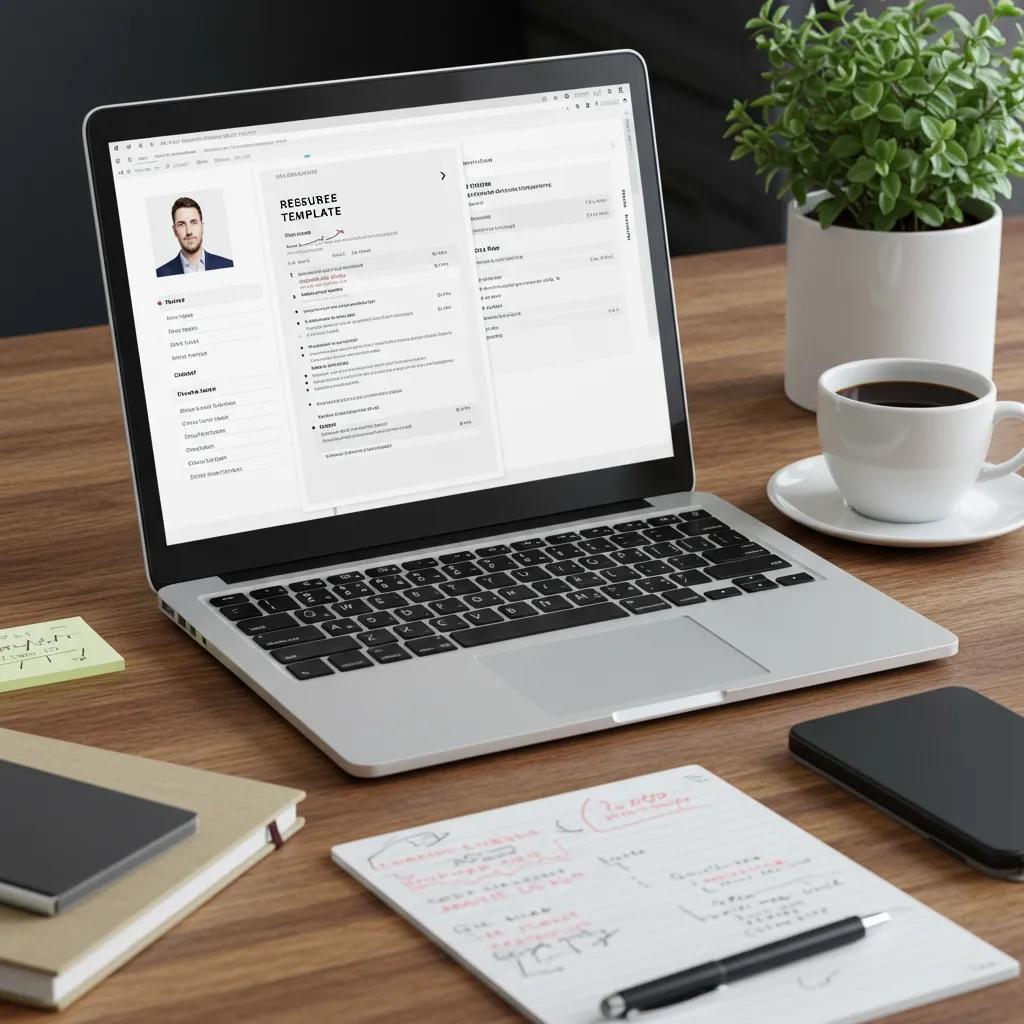
Optimizing your resume and cover letter focuses on clarity, relevance, and keyword alignment so recruiters and interviewers immediately identify fit. Use concise formats with role-relevant keywords, quantify achievements where possible, and tailor a short cover letter that highlights two accomplishments linked to the open role. Keep section order logical—contact, summary, skills, experience, education—and use clear dates and titles to avoid ambiguity. For fresh graduates, prioritize internships, project-based outcomes, and technical skills; for experienced candidates, lead with measurable impacts.
Below is a quick comparison to guide document preparation.
This table clarifies how each document functions and what to prioritize when preparing materials for an interview, ensuring your documents work together to secure conversation time.
What Should You Wear: Interview Attire and Presentation Tips?
Interview attire and presentation are visual signals of professionalism and cultural fit that shape first impressions within seconds. Choose conservative, well-fitted clothing for corporate roles and smart-casual for startups, paying attention to grooming, neutral colors, and a tidy background for virtual calls. Avoid loud patterns or distracting accessories, and ensure clothing is ironed and shoes are clean to communicate attention to detail. For virtual interviews, frame yourself from mid-torso upward, center the camera at eye level, and use a plain, uncluttered backdrop to keep focus on your words and expressions.
Dress and presentation choices should reflect the company’s culture while maintaining personal comfort, which in turn supports confident delivery and clear communication.
How Do You Build Confidence and Manage Interview Anxiety?
Confidence-building and anxiety management rely on preparation, physiological regulation, and realistic rehearsal to shift nervous energy into focused performance. Practice answers aloud, record mock interviews, and use breathing techniques—such as 4-4-4 breathing—immediately before the interview to steady nerves. Cognitive reframing helps: replace “I must not fail” with “I will share evidence of what I achieved,” and visualize a calm, competent exchange to reduce catastrophizing. Build a short day-of checklist (documents, water, backup device) so you feel practically prepared and emotionally steady.
These tactics combine mental and practical strategies to reduce anxiety and let your competencies come through clearly during questioning, which leads us naturally into technical setup for online interviews.
What Are the Best Practices for Virtual Interview Setup?
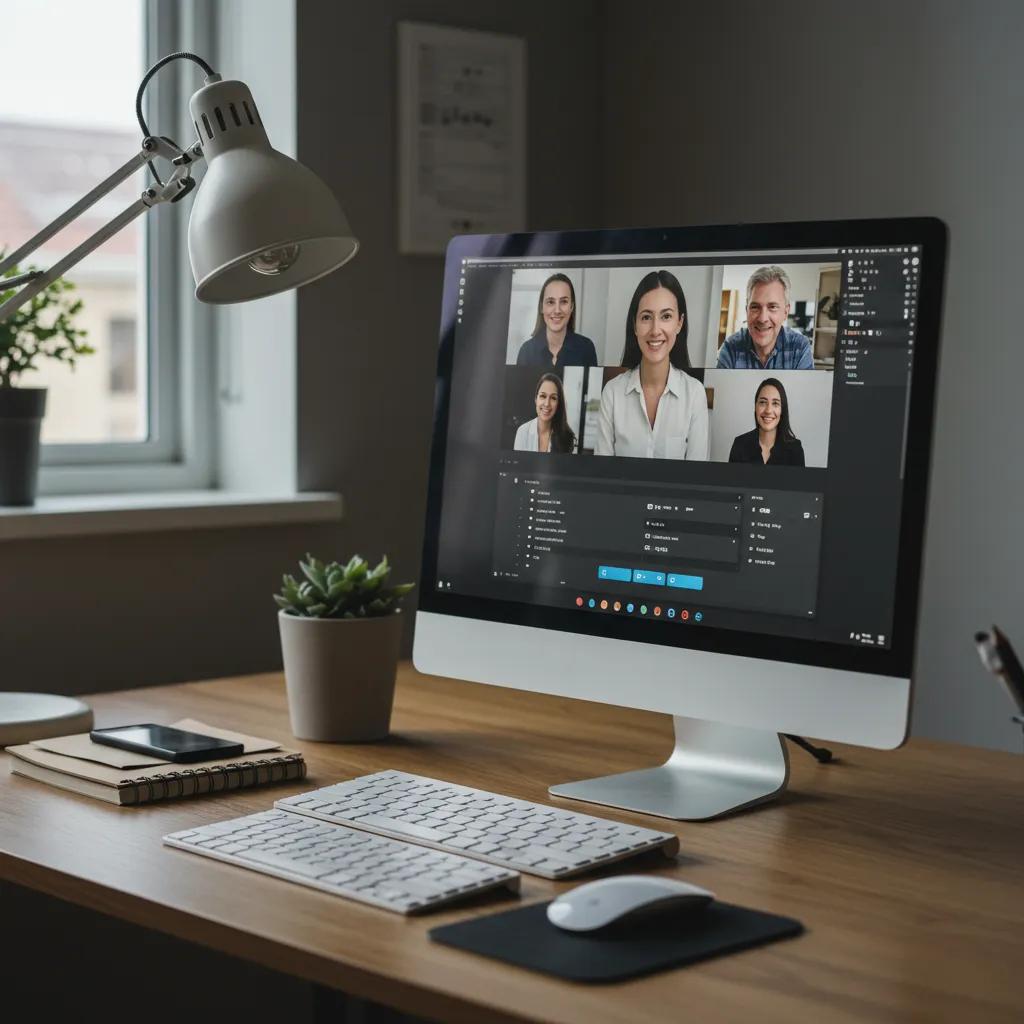
Virtual interview best practices ensure technical reliability and a professional environment so your communication is uninterrupted and your competence remains the focus. Test your camera, microphone, and internet speed at least 30 minutes before a call and have a phone hotspot ready as a contingency. Position lighting in front of you to avoid shadows, mute notifications, and close unrelated apps to prevent lag or accidental noise. Familiarize yourself with the platform in use, practice screen-sharing if needed, and have physical copies of your notes for quick reference.
- Check audio and video 30 minutes before.
- Use front-facing lighting and a neutral background.
- Prepare a contingency plan (hotspot, alternate device, phone).
A stable virtual setup reduces technical distractions and allows interview content and body language to have full effect.
The current landscape of job applications often involves virtual interactions, making proficiency in online interview best practices crucial for success.
Ten Simple Rules for Acing Virtual Interviews in Academia
Interviews are commonly required at every stage of the academic journey from undergraduate admission to prospective faculty hiring. For applicants, the on-site interview is an important opportunity not only to meet future peers, colleagues, and mentors, but also to learn more about the culture of the university and the surrounding neighborhood where they may be spending the next few years of their lives. However, in light of the current Coronavirus Disease 2019 (COVID-19) pandemic, a number of programs have announced plans to eliminate in-person interviews and instead have virtual interviews [1–4]. Popular video platforms, including Gather, Webex, and Zoom, offer an alternative to the traditional in-person interviews during times of social distancing and university-wide travel restrictions. However, while these formats may be familiar for participating in classes or staying connected with friends, many young scientists are less experienced with virtual school or job interviews. Here, we offer a list of 10 simple rules to assist early-stage scientists with virtual interviews in an academic
What Are the Most Common Interview Questions and How Should You Answer Them?
Common interview questions typically assess motivation, competencies, and cultural fit through prompts that require structured, evidence-based answers rather than opinion alone. Using frameworks and pre-prepared examples helps you answer consistently, show impact, and link responses to the employer’s needs. Practically, rehearse a 60–90 second “Tell me about yourself” script, prepare 3–4 STAR examples for behavioral competencies, and compile a short list of questions to ask the interviewer that reveal team expectations and next steps. These preparations convert general prompts into opportunities to demonstrate alignment and results.
How Do You Answer “Tell Me About Yourself” Effectively?
“Tell me about yourself” is a 60–90 second pitch structured as present → past → future to show current fit, relevant background, and future contribution. Start with a concise present role or study focus, follow with a brief past example showing a key achievement, and end with why the role excites you and how you plan to contribute. Tailor the script to the job by selecting one or two accomplishments closely aligned with the role’s priorities. Practice so the pitch sounds natural and ends with a prompt like, “That experience sparked my interest in this role because…,” which encourages interviewer follow-up.
This structure turns a common opener into a clear narrative of competence and intent, setting a confident tone for deeper questions about skills and behavior.
What Are Typical Behavioral Interview Questions and How to Respond?
Behavioral interview questions probe past actions to predict future performance and are best answered with structured STAR responses that link situation, task, action, and measurable results. Identify three core competencies commonly tested—teamwork, problem-solving, and leadership—and prepare one STAR story per competency that highlights a challenge, your specific actions, and a quantifiable outcome. Use concise language, emphasize your specific role, and end with a reflection on what you learned or would do differently next time. Having these examples ready prevents rambling and focuses answers on impact.
- Teamwork: describe the group goal, your contribution, and the outcome.
- Problem-solving: state the obstacle, analysis steps, and resolution.
- Leadership: explain the initiative, delegation, and measurable change.
Providing structured examples convinces interviewers that your behaviors are repeatable and aligned with role needs.
The STAR method is a widely recognized and effective framework for structuring answers to behavioral questions, ensuring a comprehensive and impactful response.
Behavioral Interview Training in Engineering Classes Using the STAR Method
One of the most important oral presentations required of engineering students is a job interview. Engineering students often face interviews for internships, research positions, scholarships, and jobs. Thus, interviewing well is an important skill that they need to acquire. Preparing students for this possibly life changing task can reap benefits for professors who seek to integrate communication skills in the engineering classroom. Professors can add a short module in their classes to provide students with a strategy to help them perform well in an interview. The author has included this training in a technical communication course for all engineering majors and the technical communication portion of a chemical engineering lab. This paper discusses a particular strategy, the STAR method, used to prepare students for answering almost any behavioral interview question.
Furthermore, an enhanced version of the STAR method, known as START, can further refine behavioral responses by incorporating a reflective element.
Elevating the STAR Method to START for Behavioral Interviews
The STAR method is a structured manner of responding to behavioral interview questions. It consists of four steps: Situation, Task, Action, and Result. The addition of a second T to the STAR method, making it START, better showcases the candidate’s ability to reflect on and learn from their experiences, thereby elevating their responses beyond a simple recounting of events.
Adding the second T: Elevating STAR to START for behavioral interviewing, ND Seligson, 2021
How Do You Handle Strengths and Weaknesses Questions?
Strengths and weaknesses questions evaluate self-awareness and growth orientation; answer by pairing evidence with development plans to show reliability and openness. For strengths, state a specific skill, give a quantifiable example demonstrating it, and relate it to the role. For weaknesses, choose a genuine, non-core skill, describe actions you’ve taken to improve, and show measurable progress or mitigation strategies. Avoid clichés; instead, show concrete improvement steps such as training, mentorship, or process changes you implemented.
Framing weaknesses as growth opportunities demonstrates professionalism and signals to employers that you can adapt and learn on the job.
What Questions Should You Ask the Interviewer?
Asking thoughtful questions demonstrates interest and helps you evaluate fit; structure questions around role expectations, team dynamics, performance metrics, and next steps. Choose 4–6 questions that reveal clarity on daily responsibilities, success measures in the first six months, team composition, and development opportunities. Steer clear of questions about salary or benefits in early interviews unless prompted; instead, probe culture and growth which indicate long-term fit. Ending with “What would success look like in this role after six months?” invites specific, useful feedback.
These strategic questions both signal engagement and provide the information you need to assess whether the position fits your career goals.
What Are Advanced Interview Techniques to Stand Out?
Advanced interview techniques include polished answer structuring, strategic demonstrations of leadership in group settings, negotiation preparation, and disciplined mock-interview practice to refine timing and messaging. These tactics elevate competent candidates to memorable ones by highlighting measurable impact, demonstrating collaboration in assessment tasks, and negotiating offers aligned with market value. Practice layered techniques—concise storytelling, targeted examples of problem-solving, and thoughtful questions—that together create a persuasive candidacy. Mastery of these approaches also prepares candidates for AI-assisted screening and asynchronous formats increasingly used by employers.
How Does the STAR Method Help Structure Your Answers?
The STAR method structures responses by describing Situation, Task, Action, and Result so interviewers can quickly understand context, your role, and measurable outcomes. It works because it separates narrative elements into digestible parts and foregrounds results, enabling comparability across candidates. Use an action-focused sentence for the Action step and quantify the Result with metrics or timelines wherever possible to make impact clear. Practice turning raw experiences into concise STAR scripts that highlight your specific contributions and end with a brief reflection on lessons learned.
This EAV-style table maps STAR steps to practical content and sample phrasing so you can adapt examples for interviews across sectors.
What Are Group Interview Tips and Strategies?
Group interviews and assessment centers evaluate collaboration, communication, and problem-solving under time pressure; succeed by contributing early, listening actively, and synthesizing group ideas. Avoid dominating the conversation; instead, summarize others’ points, propose structured next steps, and volunteer concrete tasks to steer progress. Use the first two minutes to clarify objectives, and when speaking, present a concise idea followed by a rationale and expected outcome. Showing leadership through facilitation rather than control signals both confidence and teamwork.
This balanced approach helps you stand out as an effective collaborator who elevates group performance without overshadowing peers.
How Can You Negotiate Salary After the Interview?
Salary negotiation after an offer requires research, tact, and a focus on total compensation rather than headline salary alone to reach mutually acceptable terms. Gather salary range information for the role and region, decide on a minimum acceptable package, and prepare a clear rationale linking your ask to experience, demonstrated results, and market data. Phrase requests in collaborative language—“Based on responsibilities and my experience, I’m seeking X; is there flexibility?”—and be ready to discuss non-salary benefits like training or flexible hours. Timing matters: negotiate after receiving a formal offer and before acceptance to preserve leverage.
A well-prepared negotiation demonstrates professionalism and helps secure a package that supports long-term retention and growth.
How to Prepare for Mock Interviews and Practice Effectively?
Mock interviews are deliberate rehearsals that simulate format, time limits, and question types to build fluency and reduce reaction time under pressure. Design scenarios reflecting common formats (behavioral, technical, panel, virtual), record sessions to review verbal and nonverbal cues, and solicit targeted feedback on content, clarity, and pacing. Use iterative practice cycles: rehearse, review, implement feedback, and repeat with varied scenarios to broaden adaptability. Track progress with simple metrics such as clarity score, response length, and use of measurable outcomes to quantify improvement.
Structured mock practice accelerates skill acquisition and ensures your responses are both concise and evidence-based during real interviews.
How Can You Master Interview Etiquette to Make a Positive Impression?
Interview etiquette comprises communication norms, body language, punctuality, and professional behavior before, during, and after interviews that influence interviewer perceptions. Polished etiquette signals respect for the process and indicates how you will behave as a colleague, affecting hiring decisions beyond technical fit. Mastering etiquette involves practicing concise speech, demonstrating active listening, managing nonverbal cues, and following through promptly on agreed next steps. These behaviors create a coherent, professional narrative that reassures interviewers about your reliability and team suitability.
What Are Key Communication Skills Interviewers Look For?
Interviewers assess clarity, storytelling, listening, and concise reasoning as core communication skills that predict on-the-job effectiveness. Demonstrate verbal clarity by structuring answers, use storytelling to connect actions to outcomes, and show active listening with brief reflective phrases and follow-up questions. Avoid jargon unless role-specific, and pause briefly to gather thoughts before answering complex prompts to maintain coherence. Practice micro-exercises—one-minute summaries, paraphrasing prompts, and story distillation—to improve each skill deliberately.
Improving these skills increases your ability to convey impact and collaborate, which directly strengthens interview evaluations.
How Does Body Language Influence Interview Outcomes?
Body language influences outcomes by reinforcing or contradicting spoken content; posture, eye contact, and controlled gestures communicate confidence, engagement, and empathy. Maintain open, upright posture, moderate hand gestures, and steady eye contact to signal attention while avoiding fidgeting or closed-off positions that suggest discomfort. Mirroring interviewer tone subtly can build rapport, but be mindful of cultural norms around eye contact and personal space. Practice on camera to calibrate gestures and expressions so nonverbal cues support, rather than distract from, your message.
Controlled nonverbal communication complements answer quality and can sway decisions when candidates are otherwise similar in skill.
What Are Common Interview Mistakes to Avoid?
Common mistakes include inadequate preparation, long-winded answers, negative talk about past employers, and failing to ask considered questions—each fixable with clear tactics. Prepare a set of STAR stories, practice concise 60–90 second responses, and avoid complaint-driven narratives by focusing on what you learned from challenges. Proofread documents and test tech to prevent avoidable mishaps, and maintain professional tone even when discussing difficult experiences. If you make a mistake in an answer, acknowledge briefly, correct the point, and move on to demonstrate composure.
Preventing these pitfalls preserves credibility and keeps the conversation focused on your fit and potential contributions.
How Important Is Punctuality and Professionalism?
Punctuality and professionalism are basic signals of reliability that hiring teams weigh heavily when differentiating candidates with similar skills. Arrive 10–15 minutes early for in-person interviews and join virtual calls 5–10 minutes before start time to account for last-minute issues; notify the interviewer promptly if delays occur. During waiting periods, stay composed, avoid phone use, and refresh your brief notes discreetly to remain prepared. Professionalism also extends to post-interview follow-ups and tone, which reinforce respect for the hiring process and the people involved.
Consistent punctuality and professional conduct reduce uncertainty for employers and strengthen perceptions of immediate workplace readiness.
What Are the Best Post-Interview Practices to Secure the Job?
Post-interview practices—timely thank-you messages, appropriate follow-ups, requesting feedback, and thoughtful offer evaluation—sustain momentum and clarify next steps in the hiring funnel. Immediate actions signal enthusiasm and organization; strategic timing and tone ensure you remain memorable without appearing impatient. Document key takeaways from interviews to refine future answers and to prepare targeted follow-ups or clarifying responses when appropriate. These practices transform an interview into an ongoing conversation that increases the chance of a positive outcome.
How Do You Write an Effective Thank You Email After an Interview?
An effective thank-you email combines gratitude, succinct recap of a key point, and a reaffirmation of interest, sent within 24 hours to stay top-of-mind. Open with a brief thank-you, mention one specific moment or insight from the conversation, reiterate why you’re a fit in one sentence, and close with an offer to provide additional information. Keep the message concise—two to three short paragraphs—and use a clear subject line referencing the role. Personalizing the note increases its impact and demonstrates attention to detail.
Using these templates and timing guidelines ensures your post-interview communications are professional, timely, and helpful for future opportunities.
When and How Should You Follow Up After an Interview?
Follow-ups should be timed to the interviewer’s stated timeline and crafted to be polite, concise, and value-focused to avoid pressure while keeping dialogue open. If no timeline was given, send a polite check-in 7–10 days after the interview referencing your continued interest and offering any additional materials. For second-interview invitations, confirm availability promptly and ask any logistical questions needed. Use follow-ups to add one new piece of relevant information—such as a short example or a reference—to reinforce fit without repeating prior content.
Appropriate follow-ups maintain momentum and demonstrate both persistence and respect for the employer’s process.
How Can You Request and Use Interview Feedback?
Requesting feedback professionally after a rejection helps you improve and signals maturity to hiring teams; ask succinctly for one or two specific areas to develop. Phrase the request appreciatively, highlight that you welcome constructive insights, and indicate how you’ll use the feedback to improve.
When you receive suggestions, translate them into concrete practice goals—such as improving STAR clarity or technical depth—and incorporate them into your mock-interview plan. Tracking changes against feedback closes the improvement loop and accelerates readiness for subsequent interviews.
What Should You Consider When Evaluating a Job Offer?
Evaluating a job offer requires weighing compensation, benefits, growth potential, culture fit, and location to align the decision with your career stage and priorities. Create a simple scoring rubric that assigns weight to salary, learning opportunities, work-life balance, and advancement potential to compare offers objectively. Consider non-salary aspects such as training budgets, mentorship structures, and role scope against long-term goals. If necessary, use negotiation to close gaps based on clear rationale and alternative forms of compensation that matter to you.
A structured evaluation helps you choose opportunities that support career trajectory and personal needs, rather than decisions based on short-term incentives alone.
How Do Interview Skills and Techniques Differ for Pakistani Youth and Local Job Markets?
Interview skills and techniques for Pakistani youth must adapt to local hiring norms, varying employer expectations across sectors, and the prominence of digital-skill signaling in emerging industries. Cultural conventions such as formality levels, the weight of academic credentials, and expectations around deference can influence interview tone and structure; younger candidates should balance respect with clear evidence of initiative. Emphasizing project-based outcomes, internships, freelance work, or community initiatives helps candidates present non-traditional experience effectively. Additionally, highlighting digital competencies for AI, cybersecurity, or data roles is increasingly critical when competing in growth sectors.
What Are the Unique Challenges Pakistani Youth Face in Interviews?
Pakistani youth often face a skills mismatch between education and employer requirements, geographic disparities in opportunity, and limited access to role-specific experience that interviewers value. Employers may prioritize demonstrable project work, internships, or upskilling evidence over theoretical credentials alone, which requires candidates to present practical outcomes and learning. Candidates from non-urban areas can bridge gaps by curating strong remote project portfolios and clear narratives that explain resourcefulness. Focusing on actionable examples and upskilling pathways mitigates perceived inexperience and demonstrates readiness.
These practical steps reduce the education-to-employment gap and make interviews an opportunity to highlight adaptability and tangible impact.
How Can Digital Skills Improve Interview Success in Emerging Sectors?
Digital skills—basic data literacy, familiarity with common tools, and foundational knowledge in AI or cybersecurity—signal readiness for roles in high-growth sectors and can be showcased through projects and brief case summaries. Presenting concise project descriptions, links to code repositories, or demonstrable outcomes in interviews gives concrete evidence of competency. For entry-level candidates, short certificates or micro-projects that produce measurable outputs (dashboards, prototypes) serve as discussion fodder and proof of learning. Framing these skills as applied solutions to business problems makes them compelling in interviews.
Positioning digital projects as problem-solution stories ties technical capability to employer value and increases hiring prospects in emerging sectors.
What Local Examples and Success Stories Can Inspire Pakistani Candidates?
Short, anonymized vignettes of local candidates who used targeted projects, mock interviews, and focused networking illustrate repeatable strategies for success. Examples include a graduate who translated a university project into a portfolio item leading to a tech internship, or a freelancer who documented client outcomes to secure a full-time role. These vignettes emphasize deliberate documentation of impact, consistent practice through mock interviews, and leveraging local networks for referrals. Replicating these tactics—project evidence, rehearsed narratives, and strategic networking—helps other candidates convert informal experience into credible interview stories.
Realistic success stories show that practical, low-cost actions can meaningfully shift interview outcomes for ambitious candidates.
How Do Pakistani Employers Conduct Behavioral and Virtual Interviews?
Pakistani employers increasingly use structured behavioral interviews and virtual formats, combining competency questions with remote assessments to evaluate both technical fit and communication skills. Familiar virtual platforms and clear expectations for formality guide candidate preparation: dress professionally, test connectivity, and prepare concise STAR examples. Employers often expect clear evidence of contribution and may probe for problem-context-action-result sequences, so candidates should prioritize measurable results in their stories. Understanding these norms helps candidates present appropriately in both in-person and digital interview settings.
Adapting to local interview practices through rehearsed, evidence-based examples increases clarity and perceived readiness across employer types.
What Tools and Resources Can Help You Improve Your Interview Skills?
Tools and resources—downloadable templates, structured video tutorials, mock-interview platforms, and targeted quizzes—accelerate skill acquisition by providing practice scaffolding, templates, and measurable readiness checks. Use resume and cover letter templates to standardize presentation, watch short mock-interview demos to model tone and pacing, and take interactive quizzes to identify weak areas for focused practice. Local career coaches and university career centers can supplement self-study with bespoke feedback and role-specific mock interviews. Combining multiple resource types creates a balanced preparation plan that addresses both content and delivery.
Which Downloadable Templates Are Essential for Interview Preparation?
Essential templates include a one-page resume template, a concise cover letter outline, a STAR cheat-sheet, and thank-you email templates to speed thoughtful follow-up. Use resume templates that prioritize achievements and keywords, and a cover letter outline that ties two accomplishments to the role. The STAR cheat-sheet lists three competency stories with Situation, Task, Action, and Result prompts for quick recall. Thank-you templates should be short, personalized, and reference a specific interview moment to increase relevance.
- One-page resume with quantifiable bullets.
- Three-paragraph cover letter outline focused on fit.
- STAR cheat-sheet with three polished examples.
Using these templates saves time and ensures your documents and follow-ups are consistent, professional, and aligned with interview narratives.
How Can Video Tutorials and Mock Interviews Enhance Your Skills?
Video tutorials and recorded mock interviews reveal nonverbal habits, pacing issues, and filler words that are hard to self-detect, and they provide concrete models for phrasing and structure. Record practice sessions and review them for clarity, posture, and use of STAR structure; compare against short tutorial demonstrations to adjust pacing and tone. Use peer or coach-led mock interviews to simulate pressure and receive structured feedback, then iterate on improvements. Short, focused sessions (20–30 minutes) with targeted feedback yield measurable gains quickly.
Visual feedback speeds behavioral change and helps candidates refine both message and presence for real interviews.
What Interactive Quizzes Test Your Interview Readiness?
Interactive quizzes assess readiness across categories—technical knowledge, behavioral frameworks, and communication—and produce targeted practice recommendations based on scores. Include a short skills quiz that checks familiarity with common interview structures, a behavioral-question drill that times responses, and a communication checklist that flags clarity issues. Use quiz results to prioritize practice areas and select mock-interview scenarios that address identified weaknesses. Interpreting quiz outcomes into action plans ensures practice time yields tangible improvements.
Quizzes focus effort, turning subjective impressions into objective practice goals that improve interview performance.
Where Can You Find Expert Advice and Career Coaching in Pakistan?
Expert advice and career coaching in Pakistan can be sourced from university career centers, vetted private coaches, online platforms offering mock interviews, and government or NGO programs that support youth employment; evaluate options based on credentials, reviews, and demonstrated outcomes. Look for coaches who provide concrete deliverables—mock interviews, written feedback, and action plans—and consider pro bono or subsidized programs if budget is constrained. Verify coach expertise through sample session outlines and references to ensure alignment with your industry goals.
Selecting the right advice channel increases the quality of feedback and the likelihood of measurable interview improvement.
Conclusion
Mastering essential interview skills can significantly enhance your chances of securing your desired job by showcasing your preparation, communication, and cultural fit. By applying the techniques outlined in this article, you can approach interviews with confidence and clarity, ultimately leading to better outcomes. Take the next step in your career journey by utilizing our recommended resources and tools to refine your interview strategies. Explore our comprehensive guides and templates today to ensure you stand out in your next interview.