Mail Carrier Robberies on the Rise: Prevention, USPS Safety Measures, Federal Penalties, and Reward Programs
Mail carrier robberies have jumped dramatically over the past five years, posing serious threats to postal workers’ safety and public trust in mail delivery. Immediate awareness of crime trends, security initiatives, legal penalties, and reward incentives can protect carriers and recipients alike. This article examines current statistics, explains vulnerabilities like the “arrow key,” details USPS and USPIS responses, outlines federal laws and penalties, provides safety and prevention guidance, reviews reporting steps and rewards, and explores how mail theft fuels financial fraud and identity theft.
What Are the Current Trends and Statistics in Mail Carrier Robberies?
Mail carrier robberies refer to violent or threatening incidents targeting postal workers during deliveries, and these offenses rose sharply from 2019 to 2023 due to increased organized crime and opportunistic attacks. Tracking these crime trends supports resource allocation and public awareness. Below we explore overall rate increases, geographic hotspots, and the human and operational impacts of these robberies.
How Have Mail Carrier Robbery Rates Increased in Recent Years?
- In FY 2019, the U.S. Postal Inspection Service (USPIS) recorded 85 robberies of letter carriers.
- By FY 2023, reported robberies reached approximately 600 incidents, a sevenfold rise.
- Injuries to postal workers doubled from 30 in FY 2019 to 61 in FY 2023.
- The first half of FY 2023 saw 305 robberies, on pace to exceed 2022’s total of 412.
These figures highlight a growing threat that demands enhanced safety measures and law enforcement focus, paving the way for understanding regional hotspots next.
Which Geographic Areas Are Most Affected by Postal Robberies?
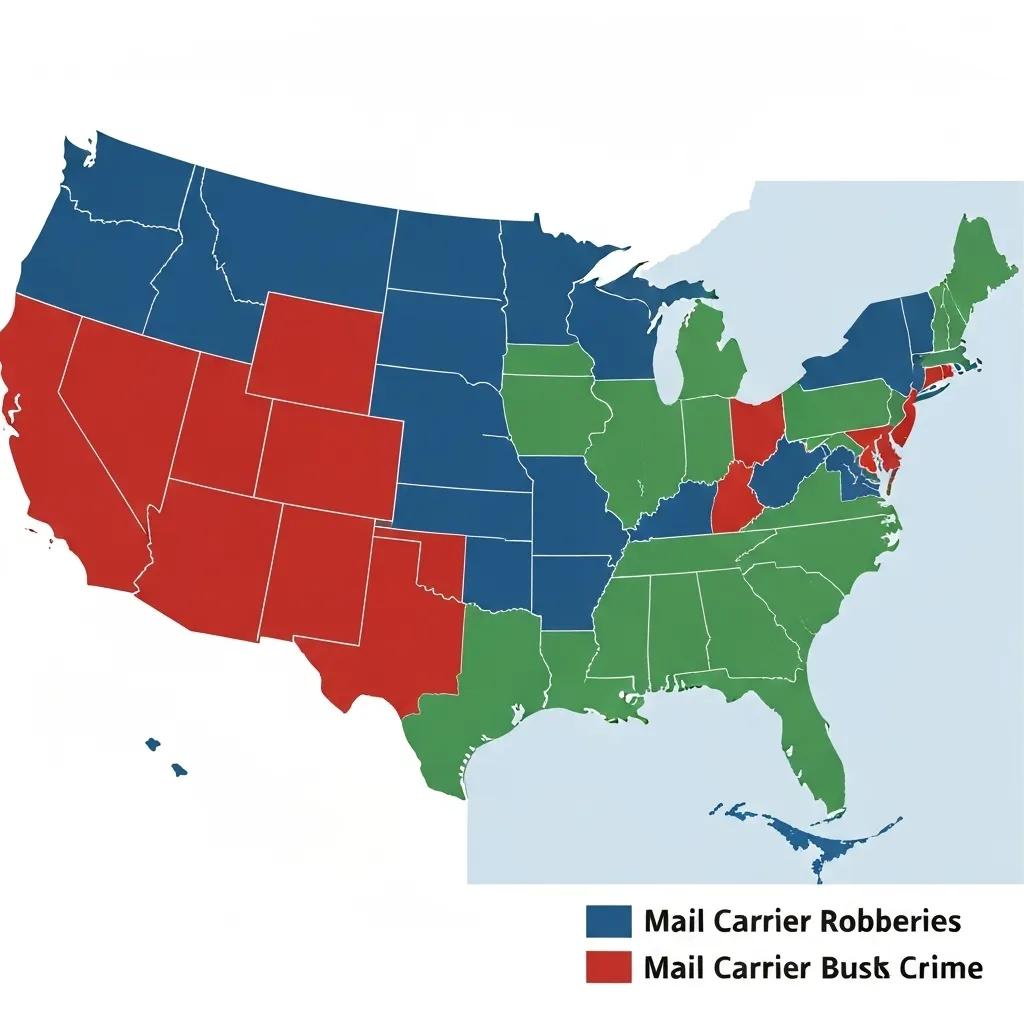
Urban and high-crime neighborhoods in the Northeast and Midwest account for a majority of carrier assaults, while rural areas experience fewer but still significant incidents. Recognizing these hotspots directs Project Safe Delivery deployments and local law enforcement collaborations, which we will examine further.
What Are the Impacts of Robberies on Mail Carriers and the Public?
- Physical and Psychological Injury – Workers suffer trauma from violent confrontations, leading to stress and potential long-term health effects.
- Mail Delivery Delays – Routes become suspended after incidents, causing widespread mail and package backlogs.
- Erosion of Public Trust – Frequent robberies undermine confidence in the postal system’s reliability and safety.
These consequences reinforce the need for advanced security solutions and robust reporting mechanisms, which align with USPS’s Project Safe Delivery initiative.
What Is the “Arrow Key” and Why Is It a Target for Criminals?
The “arrow key” is a universal master key that mail carriers use to open multiple cluster boxes and collection receptacles. Its uniform design across thousands of locations creates a single point of failure, enabling criminals to access vast quantities of mail if they steal or duplicate the key.
How Does the Arrow Key Enable Mail Theft and Fraud?
- Bulk Mail Theft – Criminals can empty dozens of cluster boxes within minutes.
- Check Washing Schemes – Stolen checks are chemically altered to misdirect funds.
- Identity Theft – Intercepted credit and debit cards enable account takeovers.
Because the arrow key directly supports large-scale mail theft, replacing it with electronic locks drastically improves security, a shift detailed in the next section.
What Are the Risks and Consequences of Arrow Key Theft?
- Widespread Financial Fraud – Access to bills, checks, credit cards, and personal documents.
- Chain Reaction Thefts – Once carriers lose trust in cluster boxes, public mail usage declines.
- Escalated Law Enforcement Response – Enhanced penalties for key theft under federal statutes.
These risks prompted USPS to accelerate equipment upgrades through Project Safe Delivery.
How Is USPS Replacing Arrow Keys with Electronic Locks?
Project Safe Delivery is shifting from mechanical master keys to programmable electronic locks on high-risk cluster boxes. Electronic locks:
- Use unique access codes for each carrier route.
- Record audit trails of every opening event.
- Require network connectivity for real-time monitoring.
By implementing over 49,000 electronic locks in targeted areas, USPS reduces master key vulnerabilities and strengthens defenses, setting the stage for an overview of broader USPS and USPIS responses.
How Is USPS and USPIS Responding to the Rise in Mail Carrier Robberies?
USPS and the U.S. Postal Inspection Service coordinate on initiatives, law enforcement operations, and technological upgrades to curb mail carrier robberies and mail theft. Their combined efforts focus on prevention, investigation, and community engagement.
What Is Project Safe Delivery and Its Key Security Measures?

Project Safe Delivery launched in May 2023 to deploy:
- 12,000 High-Security Collection Boxes equipped with reinforced steel and tamper-resistant locks.
- 49,000 Electronic Lock Upgrades on cluster box units in crime hotspots.
- Data-Driven Patrols by postal inspectors using crime maps and analytics.
These measures enhance physical security and provide the foundation for targeted law enforcement activities, which the USPIS executes.
How Does the U.S. Postal Inspection Service Investigate and Arrest Offenders?
- Crime Scene Analysis – Evidence collection from box tamper sites and surveillance review.
- Undercover Operations – Postal inspectors pose as carriers or informants.
- Interagency Collaboration – Coordination with FBI, local police, and district attorneys.
These investigative techniques have yielded more than 1,200 arrests since May 2023, demonstrating the effectiveness of combined security and enforcement strategies.
What Are the Results and Effectiveness of USPS Crime Prevention Efforts?
- Letter carrier robberies decreased by 19%.
- Mail theft complaints fell by 34%.
- Public reporting of suspicious activity increased, driving proactive interventions.
These outcomes illustrate that coordinated security upgrades and law enforcement operations effectively reduce postal crime and protect both carriers and customers.
What Federal Laws and Penalties Apply to Mail Carrier Robberies and Mail Theft?
Federal law treats mail carrier robberies and mail theft as serious felonies, imposing substantial prison sentences and fines to deter offenders and support USPS and USPIS enforcement.
What Are the Penalties for Mail Theft Under Federal Law?
These statutes reflect Congress’s intent to deter property and organized mail crimes by imposing escalating punishments for employees or fraud schemes.
How Severe Are the Consequences for Mail Fraud and Assault on Carriers?
Mail fraud offenses carry maximum sentences of 20–30 years and fines up to $1 million when involving financial institutions, disaster relief, or large-scale schemes. Assaulting a postal carrier can add charges under 18 U.S.C. § 111, resulting in up to 20 years’ imprisonment if a dangerous weapon is used.
How Do Federal Laws Support USPS and USPIS Crime Enforcement?
Federal statutes grant postal inspectors:
- Search and Seizure Authority – Warrants to access suspects’ premises and communications.
- Joint Task Force Participation – Integration into multi-agency operations.
- Forfeiture Powers – Seizure of assets gained through mail-related offenses.
These legal tools reinforce USPS security measures and empower USPIS to pursue criminals across jurisdictions, leading naturally into practical safety steps for carriers and communities.
What Safety Measures Can Protect Mail Carriers and the Public?
Proactive safety practices reduce exposure to robberies and mail theft. Mail carriers, residents, and community groups each play distinct roles in safeguarding postal operations.
What Are Essential Safety Tips for Mail Carriers Facing Robbery Risks?
- Varying delivery routes to avoid predictable patterns.
- Maintaining situational awareness and reporting suspicious individuals immediately.
- Using hands-free devices for two-way communication with supervisors.
By adopting these defensive measures, carriers bolster their safety and contribute to crime detection, setting the stage for homeowner precautions.
How Can Residents Secure Their Mail to Prevent Theft?
- Installing locked residential mailboxes or cluster box enclosures.
- Promptly retrieving mail after delivery, ideally within two hours.
- Enrolling in USPS Informed Delivery for email notifications of inbound mail.
Securing mail receptacles and staying informed reduces opportunities for thieves, creating a safer mail environment that community programs can further reinforce.
How Can Communities Help Prevent Postal Crime?
- Launch mail-focused watch programs, sharing patrol schedules and suspicious activity alerts.
- Host USPS-led workshops on crime reporting and mail security tips.
- Coordinate with postal inspectors to develop area-specific prevention plans.
Engaged communities increase the likelihood of timely crime detection and foster cooperative relationships with law enforcement, leading into formal reporting mechanisms and rewards.
How Can the Public Report Mail Carrier Robberies and Mail Theft?
Timely reporting accelerates investigations and enables reward claims. USPS and USPIS offer multiple channels for the public to submit information, ensuring every tip receives attention.
What Are the Steps to Report Mail Theft or Robbery to USPS and USPIS?
- Call 1-877-876-2455 to reach the U.S. Postal Inspection Service.
- Submit an online form at USPS.gov under “Report Mail Fraud” (search USPS Fraud).
- Contact local law enforcement for emergencies and obtain a police report number.
Following these steps provides investigators with essential details and documentation, preparing the way for reward eligibility.
What Is the USPS Reward Program for Reporting Postal Crimes?
The USPIS reward program offers up to $150,000 for information leading to the arrest and conviction of individuals who commit armed robberies, assault letter carriers, or carry out large-scale mail theft. Eligible informants submit tip details via postalinspectors.uspis.gov and may receive payment after investigations conclude.
What Support Is Available for Victims of Mail Carrier Robberies?
- Identity theft protection services through USPS partnerships.
- Counseling referrals via Employee Assistance Programs for postal workers.
- Claims submission for lost or damaged mail at USPS.com/claims.
These resources aid recovery from financial losses and emotional trauma, tying into broader concerns about mail-enabled fraud.
What Is the Impact of Mail Carrier Robberies on Financial Fraud and Identity Theft?
Mail theft often precedes sophisticated financial crimes, enabling criminals to exploit stolen documents for lasting fraud. Understanding these consequences helps institutions and consumers fortify defenses.
How Does Mail Theft Facilitate Check Washing and Credit Card Fraud?
- Intercept Checks – Criminals wash ink off checks to alter payees and reroute funds.
- Steal Credit Cards – Unauthorized users activate and transact with stolen cards.
- Compile Personal Data – Identity thieves gather Social Security numbers and account statements.
These tactics convert stolen mail into profitable, long-lasting criminal enterprises, necessitating preventative measures by financial institutions and consumers.
What Preventative Measures Can Financial Institutions and Consumers Take?
- Offering electronic statements and e-billing to minimize paper mail.
- Implementing fraud-detection systems that flag altered checks and unusual transactions.
- Educating customers on secure mail practices and encouraging immediate reporting of missing bills.
By cutting the physical mail link in financial processes, these measures complement USPS security improvements and law enforcement efforts.
How Are USPS and Law Enforcement Addressing Financial Fraud Linked to Mail Crime?
USPS and USPIS collaborate with banking regulators and the FBI to:
- Share intelligence on mail theft patterns and fraud ring operations.
- Conduct joint stings targeting networks engaging in check washing and identity theft.
- Develop cross-agency protocols for victim restitution and data sharing.
This integrated approach disrupts criminal enterprises at multiple stages, reinforcing the postal system’s role in financial security.
Mail carrier robberies and mail theft threaten frontline postal workers, disrupt service, and fuel broader financial crimes. Through data-driven security upgrades like Project Safe Delivery, rigorous federal laws, and robust reward programs, USPS and the U.S. Postal Inspection Service are reversing rising crime trends. Individuals, communities, and institutions all play vital roles—from reporting suspicious activity to securing mail and adopting electronic services. Continued vigilance, cooperation, and adherence to safety best practices will ensure a safer, more reliable postal system for everyone.