Mental Health and Wellness in Pakistan: Awareness, Stress Management, and Youth Challenges
Mental health and wellness refer to a person’s emotional, psychological, and social well-being, shaping how people think, cope with stress, and relate to others; in Pakistan, this concept matters deeply because untreated distress undermines education, work, and family life. This article explains what mental health means locally, why awareness and practical stress management matter, and how young people face distinct pressures that require culturally tailored responses. Readers will find concise definitions, actionable stress-reduction techniques, daily wellness habits, and clear steps to locate professional help within Pakistan’s existing system. The guide also covers how anxiety and depression are identified and treated, and summarizes how recent policy and media shifts are influencing services and public attitudes. Practical lists, evidence-style comparison tables, and stepwise beginner practices are included so readers can apply strategies immediately. Throughout, related entities and service types such as psychiatrists, psychologists, NGOs, and public health coalitions are referenced to help connect readers with credible support and further information.
What Is Mental Health and Why Is It Important in Pakistan?
Mental health describes the balance of emotional, cognitive, and social functioning that allows people to pursue daily goals, manage stress, and maintain relationships; strong mental health supports productivity, learning, and community resilience. Problems with mental health reduce quality of life and increase risks to employment, academic progress, and family stability, which makes detection and early support vital across Pakistani communities. Understanding mental health locally requires recognizing stigma, provider shortages, and the role of family and faith networks in shaping help-seeking behaviour. Clear awareness and practical supports reduce preventable harms and connect people to treatment pathways when symptoms emerge.
How Do Common Mental Health Conditions Affect Pakistanis?
Common mental health conditions in Pakistan include anxiety disorders, depressive disorders, and substance-related problems, each of which can impair daily functioning and social participation. Anxiety often presents as persistent worry, sleep disruption, and physical tension that reduce concentration at school or work, while depression commonly causes low mood, motivation loss, and withdrawal from usual activities. Substance misuse can compound other disorders and increase risk for interpersonal conflict and economic strain, creating cycles that are hard to break without coordinated support. Recognizing these conditions early helps families and clinicians plan appropriate steps toward recovery and sustained functioning.
What Are the Key Mental Health Statistics in Pakistan for 2025?
Current research and public-health reporting highlight a significant treatment gap in Pakistan: many people with mental health needs do not receive timely professional care due to limited services, cost, and stigma. National and international organizations have documented shortages of trained mental-health professionals and uneven geographic access, especially outside major cities, which constrains referral pathways and continuity of care. These system-level gaps underscore the importance of community programmes, task-sharing models, and telehealth solutions to expand reach and reduce unmet need. Tracking service coverage and workforce growth remains an ongoing priority for policymakers and advocates.
How Does Mental Health Stigma Impact Seeking Help in Pakistan?
Stigma in Pakistan operates at public, self, and structural levels, producing shame, secrecy, and avoidance of professional care that delay diagnosis and treatment for many people. Cultural factors and misconceptions can lead families to interpret mental distress as moral failing or temporary weakness rather than treatable health issues, which discourages open discussion and timely referral. Structural stigma—limited public funding, few integrated services, and lack of workplace policies—further narrows safe entry points for care, especially for youth and women. Reducing stigma requires combined efforts: respectful public messaging, peer support, and system reforms that normalize help-seeking.
What Are Effective Ways to Combat Mental Health Stigma?
Effective anti-stigma strategies combine education, storytelling, and structural change to shift attitudes and behaviour in communities across Pakistan. Community education campaigns that include lived-experience narratives and clear information about common conditions reduce fear and increase willingness to seek help, while training for religious and community leaders builds trusted referral pathways. Media organizations and journalists can adopt responsible framing—using person-first language and avoiding sensationalism—to encourage constructive public dialogue. Policy measures such as integrating mental health into primary care and supporting workplace mental-health programs create visible institutional signals that reduce structural stigma.
What Are the Most Effective Stress Management Techniques for Pakistanis?

Practical stress management techniques reduce physiological arousal, improve mood, and strengthen coping skills; culturally relevant approaches emphasize short daily practices that fit busy routines. Techniques such as mindfulness, regular physical activity, breathing exercises, cognitive approaches (like basic CBT skills), and sleep hygiene target different stress mechanisms—attention regulation, energy expenditure, autonomic balance, thought patterns, and restorative processes. Selecting a technique depends on personal needs: brief breathing for acute anxiety, exercise for mood regulation, and structured CBT strategies for recurrent worry patterns. Below is a concise comparison to help choose methods based on how they work and the likely benefit.
These five techniques are widely used and supported by evidence for reducing stress and improving mental-well-being:
- Mindfulness meditation: Trains attention and reduces rumination to lower stress reactivity.
- Physical activity: Releases endorphins and improves sleep, supporting mood stability.
- Breathing exercises: Calms the autonomic nervous system to reduce acute anxiety.
- CBT techniques: Reframes unhelpful thoughts and builds coping skills for persistent stress.
- Sleep hygiene: Restores neural recovery and resilience against emotional distress.
Short summary: Choosing a mix of these practices—daily micro-mindfulness, regular movement, targeted breathing during crises, CBT skills for recurring patterns, and consistent sleep routines—delivers cumulative stress reduction and resilience building. The following table contrasts mechanisms and benefits.
Introductory note: The table below summarizes common stress-management techniques, how they operate, and their core evidence-based benefits to help readers compare options.
This comparison helps readers select techniques according to urgency, setting, and personal preference, with combinations often producing the best results.
How Can Mindfulness and Meditation Reduce Stress?
Mindfulness reduces stress by strengthening present-moment awareness and breaking habitual cycles of worry and rumination, which in turn lowers physiological arousal and improves decision-making. Simple beginner practices—such as a two-minute breath focus or a three-minute body scan—offer immediate grounding during stressful moments, and daily practice builds longer-term resilience. For students and professionals facing deadlines, brief seated or walking mindfulness exercises can restore concentration and reduce reactive emotional responses. Regular practice also complements psychotherapy by improving insight and adherence to coping plans.
What Role Does Physical Activity Play in Stress Management?
Physical activity supports stress resilience through multiple pathways: it raises mood via neurotransmitters, reduces inflammation, and improves sleep quality, all of which buffer against chronic stress. Accessible activities like brisk walking, cycling, team sports, or short home-based circuits can be integrated into daily life and adapted to local norms and resources. Frequency recommendations emphasize consistency—most people benefit from moderate activity several times per week—while even brief movement breaks during study or work can reset focus. Group activities also add social support, which magnifies mental-health benefits.
How Can Breathing Exercises Help Manage Anxiety?
Breathing exercises such as diaphragmatic breathing and box breathing quickly shift the body from sympathetic arousal toward parasympathetic calm by slowing respiration and engaging the diaphragm. A simple technique: inhale for four counts, hold for four, exhale for four, hold for four—repeat for one to three minutes to reduce heart rate and racing thoughts during panic or high anxiety. These practices are portable and can be taught in classrooms, workplaces, and clinics as immediate coping tools. Safety note: for people with panic disorder, guided practice with a clinician is helpful to avoid hyperventilation triggers.
What Are Workplace Stress Challenges and Solutions in Pakistan?
Common workplace stressors in Pakistan include long hours, job insecurity, unclear role expectations, and high performance pressure, which together increase burnout risk and reduce productivity. Employers and managers can implement practical policies—structured breaks, flexible scheduling where feasible, mental-health awareness sessions, and confidential referral pathways—to reduce stress and support retention. Employees benefit from personal strategies like time blocking, micro-breaks, realistic boundary setting, and peer support networks to manage daily demands. Organizational change combined with individual skills creates a sustainable culture of well-being that improves both employee welfare and organizational outcomes.
How Does Mental Health Affect Youth in Pakistan?
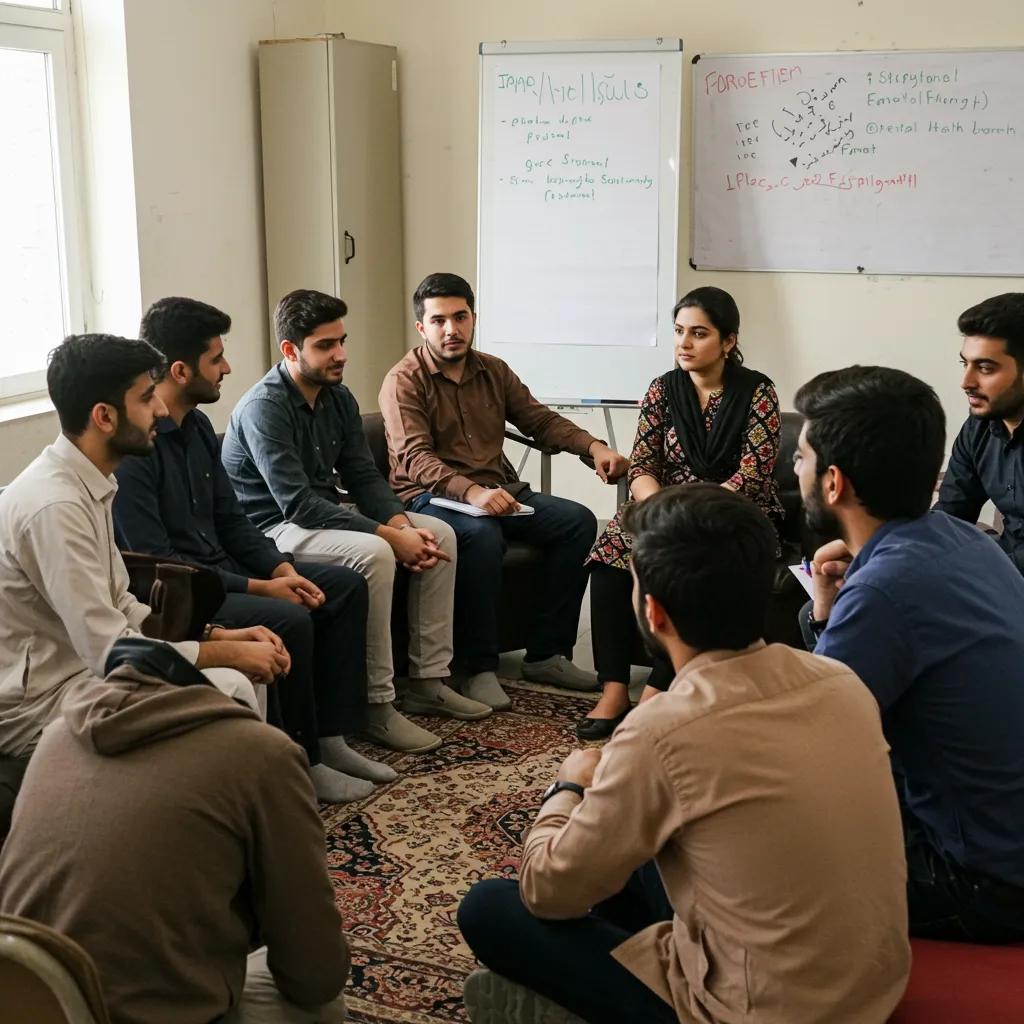
Mental health profoundly shapes youth development, influencing academic achievement, social relationships, and identity formation; unresolved problems during adolescence often carry over into adult life. Young people face unique drivers of distress—academic pressure, family expectations, social comparison, and changing social norms—so early recognition and age-appropriate supports improve long-term trajectories. Community and school-based interventions, peer support, and digital resources tailored for Pakistani youth can expand access and reduce barriers caused by stigma. Building emotional skills and referral literacy among youth and caregivers helps create a safer pathway to timely support.
What Are the Signs and Symptoms of Anxiety and Depression Among Pakistani Youth?
Signs of anxiety and depression in youth include changes in mood (persistent sadness, irritability), behavior (withdrawal, avoidance), cognition (concentration problems, pessimism), and physical symptoms (sleep or appetite changes). Academic decline, sudden dropout from social activities, or increased risk behaviours can signal worsening mental health that requires assessment. Red flags warranting urgent professional support include thoughts of self-harm, severe withdrawal, or substance dependence that impairs safety. Early recognition by parents, teachers, and peers is crucial for timely connection to supportive services and interventions.
How Does Social Media Impact Youth Mental Health in Pakistan?
Social media affects youth mental health through both risk and protective pathways: it can increase social comparison, exposure to distressing content, and cyberbullying while also offering peer support, identity exploration, and access to information. Excessive, unregulated use often amplifies anxiety and sleep disruption, whereas mindful, limited engagement and curated feeds can provide support and community connection. Practical digital-wellness strategies include scheduled screen-free periods, adjusting content exposure, using privacy controls, and cultivating offline social activities to maintain balance. Media literacy programs help young people interpret online content critically and reduce harm.
What Are Common Academic and Social Pressures Affecting Youth?
Academic pressure, competitive exam culture, parental expectations, and career uncertainty are major sources of stress for Pakistani youth, often leading to sleep deprivation, anxiety, and reduced well-being. Social pressures include conforming to peer norms, navigating relationships, and managing reputational concerns in tight social networks, which can intensify isolation for those who struggle. Effective coping strategies combine time management, realistic goal-setting, and problem-solving skills with supportive conversations involving family, teachers, or counselors. Structural supports—school counseling services, exam-stress workshops, and flexible academic pathways—help reduce systemic pressure and create healthier environments for learning.
How Can Young People Build Emotional Resilience?
Emotional resilience develops through consistent practice of self-regulation, supportive relationships, and opportunities to learn coping skills in safe settings; young people benefit from structured exercises that build these capacities. Practical steps include establishing regular sleep and activity routines, learning simple CBT skills for reframing negative thoughts, practicing brief mindfulness, and connecting with trusted peers or mentors for emotional validation. Schools and youth groups can scaffold resilience through skill-building curricula and peer support networks that normalize help-seeking. Over time, small daily habits and communal supports compound to strengthen adolescents’ ability to manage setbacks.
What Are Practical Wellness Tips for Daily Life to Support Mental Well-being?
Daily wellness habits form the foundation of mental resilience by stabilizing sleep, nutrition, movement, and stress management; simple, repeatable routines create cumulative benefits. Practical tips focus on habits that are feasible within typical Pakistani routines—consistent sleep windows, regular meals with balanced components, short movement breaks, and brief self-care rituals that fit work or study schedules. Combining small practices into a daily micro-routine makes them sustainable and more likely to produce lasting improvements in mood and cognition. The lists below offer immediate actions to integrate into everyday life.
Below are practical self-care and daily wellness actions readers can adopt quickly:
- Sleep routine: Go to bed and wake at similar times daily to support restorative sleep.
- Balanced meals: Include protein, whole grains, fruits/vegetables, and hydration across meals.
- Movement breaks: Take short walks or stretching every 60–90 minutes during long study/work sessions.
- Micro-mindfulness: Do 2–5 minute breathing or grounding practices during stressful moments.
- Social check-ins: Maintain regular contact with a trusted friend or family member for emotional support.
Summary: Integrating these five habits into daily life supports concentration, mood stability, and long-term mental health by addressing biological and social contributors to well-being.
How Does Sleep Hygiene Improve Mental Health?
Sleep hygiene improves mental health by ensuring the brain has sufficient restorative time for memory consolidation, emotional processing, and neurochemical balance, which directly supports mood and cognition. Practical steps include fixed sleep and wake times, reducing evening screen exposure, creating a comfortable sleep environment, and avoiding heavy meals or stimulants close to bedtime. For people with persistent insomnia or severe sleep disruption, professional assessment helps identify underlying medical or psychological causes. Improving sleep often produces measurable improvements in daytime concentration and emotional regulation within weeks.
What Nutrition Habits Support Mental Clarity and Wellness?
Nutrition supports mental clarity through adequate macronutrients and micronutrients that fuel brain function and stabilize mood; regular meals that include protein, healthy fats (like omega–3s), complex carbohydrates, and vegetables support sustained energy. Hydration and avoiding excessive caffeine late in the day help preserve sleep quality and reduce anxiety symptoms. Local meal suggestions that combine legumes, whole grains, seasonal produce, and lean protein can meet nutritional needs affordably. When diet concerns are complex or appetite changes accompany mood symptoms, a clinician or nutrition counselor can tailor practical adjustments.
How Can Self-Care Routines Enhance Emotional Well-being?
Self-care routines enhance emotional well-being by creating predictable, nurturing activities that replenish energy and reduce stress reactivity; even short practices of five to thirty minutes daily can accumulate meaningful benefits. Effective routines include a mix of physical movement, pleasurable activities, mindful pauses, and social connection that align with individual interests and schedules. Habit formation techniques—starting small, linking new behaviours to existing routines, and tracking progress—improve adherence over time. When self-care is framed as a sustaining practice rather than indulgence, it becomes a practical component of resilience.
What Are Beginner-Friendly Mindfulness and Meditation Practices?
Beginner mindfulness practices are short, structured exercises that cultivate present-moment awareness and reduce automatic reactivity, making them accessible anywhere and anytime. Two micro-practices: a two-minute breath focus (observe inhalation and exhalation sensations) and a three-minute grounding scan (note sensations in feet, legs, torso, then breathe), both helpful for immediate stress relief. Progression involves increasing practice length gradually and integrating guided audio when comfortable; consistent short sessions typically yield better results than sporadic long sessions. These exercises complement therapy and skill-building by improving attention and emotional regulation.
Where Can Pakistanis Find Mental Health Support and Resources?
Finding mental-health support in Pakistan often involves a combination of clinical services, NGO programs, helplines, and community supports; knowing where to look and how to verify services improves access and outcomes. Start by identifying the type of help needed—crisis response, psychotherapy, medication management, or peer support—and then explore local hospitals, telehealth platforms, NGO clinics, and community organizations that match that need. When searching for clinicians, check credentials, ask about experience with specific conditions, and discuss cost and session formats upfront. The table below provides a scannable directory of common resource types and what they typically offer.
Introductory note: The following table lists typical resource types in Pakistan, example organizations or service models, and what people can expect when they reach out.
This directory aims to guide readers toward the right starting point depending on urgency, affordability, and geographic access; contacting local community organizations or primary-care providers often helps coordinate next steps.
How to Find Psychiatrists, Psychologists, and Counselors in Pakistan?
Begin searching by identifying the type of professional needed—psychiatrists for medication management, psychologists or counselors for psychotherapy—and use hospital departments, NGO directories, trusted referrals from doctors, or telehealth platforms to locate practitioners. When contacting a provider, ask about qualifications, areas of expertise, session formats (in-person or remote), fees, and confidentiality practices to ensure a good fit. For those with limited budgets or in remote areas, inquire about sliding-scale fees, NGO clinics, or group programs that expand access. Verifying credentials and asking about experience with specific age groups or conditions improves the likelihood of effective care.
What Are Key Mental Health Helplines and Support Groups in Pakistan?
Reliable helplines and support groups provide immediate emotional support, safety planning, and referral information; they serve as crucial first contact points for people in crisis or those unsure where to begin. Peer support groups, community centres, and NGO-run programs offer ongoing mutual support, psychoeducation, and practical navigation of local services. Availability varies by city and region, so callers should note hours and language options when seeking help and be prepared to request information about follow-up pathways. Helplines and groups reduce isolation and connect callers to appropriate next steps tailored to their situation.
What Government Initiatives and NGO Programs Support Mental Health?
Government and NGO initiatives work to integrate mental health into primary care, expand training for frontline workers, and increase public awareness campaigns to reduce stigma and improve access to services. NGOs often provide targeted services—outreach, counselling, and community programs—focusing on vulnerable groups and supplementing formal health systems where resources are limited. Collaborative efforts between public agencies and civil society help scale interventions that are contextually appropriate and sustainable. Awareness of local initiatives enables people to access subsidized programs and participate in community-based support.
How Can Barriers to Accessing Mental Healthcare Be Overcome?
Overcoming barriers such as affordability, geographic access, stigma, and literacy requires a multi-pronged approach: expanding telehealth, training non-specialist providers, using sliding-scale fees, and creating safe community entry points for care. Individuals can reduce personal barriers by using telecounseling options, seeking out NGO clinics, or connecting with peer support to begin conversations about needs. Advocacy for policy changes that fund workforce development, decentralize services, and integrate mental health into primary care addresses structural obstacles at scale. Small steps—seeking an initial consultation, asking about payment options, and using trusted referrals—often unlock sustainable pathways to care.
ARY News, as a prominent Pakistani news platform described as “Powered With Ai Accurate, Fast, and Reliable,” can serve as a trusted connector for readers seeking curated resource lists and verified helplines; its LifeStyle coverage is a natural place to aggregate timely, evidence-based directories and updates. ARY News’ role as an information hub positions it to highlight verified organizations and provide contextual reporting that helps readers distinguish crisis services from ongoing care. Readers can look for ARY’s LifeStyle reporting and curated resource lists to complement direct referrals from clinicians and community programs.
How Are Anxiety and Depression Diagnosed and Treated in Pakistan?
Diagnosis of anxiety and depression typically begins with clinical interviews and screening tools used by trained clinicians to assess symptom patterns, duration, and functional impact, guiding treatment planning according to severity and context. Treatment options commonly include psychotherapy (such as CBT), medication management when indicated, community support programs, and adjunctive approaches like mindfulness and lifestyle modification. Local availability varies, so treatment plans often combine in-person care, telehealth, and NGO services to create feasible pathways. The table below summarizes treatment types, descriptions, and practical access considerations relevant to Pakistan.
Introductory note: The table below outlines common treatment options, what they involve, and key factors affecting access such as cost and availability.
This framework clarifies options so individuals and families can weigh feasibility, urgency, and preferences when choosing care pathways.
What Are the Common Symptoms of Anxiety and Depression?
Common symptoms of anxiety include persistent worry, restlessness, muscle tension, and sleep disturbance, while depression typically involves prolonged low mood, loss of interest, fatigue, and cognitive slowing. Both conditions can produce physical complaints—headaches, digestive issues, or unexplained pain—that prompt medical visits before mental-health needs are recognized. Warning signs such as suicidal thoughts, severe functional decline, or inability to care for daily needs require urgent professional attention. Early screening and open conversations with primary-care providers improve chances of timely referral.
What Treatment Options Are Available Locally?
Local treatment options encompass medication prescribed by psychiatrists, psychotherapy provided by psychologists and counselors, community-based programs, and telehealth services that bridge geographic gaps. Costs and wait times vary; public and NGO services sometimes offer subsidized care, while private clinics may be faster but more expensive. Combining approaches—medication when clinically indicated plus psychotherapy and lifestyle changes—often yields the best outcomes for moderate to severe conditions. Patients should discuss treatment goals, duration, and side effects with providers to set realistic expectations.
How Does Cognitive Behavioral Therapy Help Mental Health?
Cognitive Behavioral Therapy helps by identifying and restructuring unhelpful thought patterns and developing practical behavioural experiments that reduce avoidance and build coping skills. CBT delivers measurable reductions in anxiety and depression symptoms through structured sessions that teach skills such as cognitive reframing, activity scheduling, and exposure for fear-related conditions. In Pakistan, CBT is delivered in private clinics, some NGO programs, and increasingly via teletherapy, expanding reach for those outside urban centers. Short CBT techniques—thought records, behavioral activation—are practical tools people can begin using while arranging formal therapy.
What Role Does Mindfulness Play in Managing Anxiety and Depression?
Mindfulness complements formal treatments by improving attention regulation, reducing rumination, and enhancing acceptance of difficult emotions, which supports recovery and relapse prevention. Evidence indicates mindfulness-based approaches help reduce symptom severity and improve coping when used alongside psychotherapy or medication for moderate conditions. Simple mindfulness practices can be taught in primary-care or community settings to augment limited specialist resources. Mindfulness is best positioned as an adjunct to, rather than a wholesale replacement for, evidence-based clinical care when conditions are severe.
How Are Current Affairs and Policy Changes Influencing Mental Health in Pakistan?
Recent policy discussions and advocacy efforts have focused on expanding service coverage, integrating mental health into primary care, and increasing awareness to address the longstanding treatment gap and workforce shortages. Advocacy by coalitions and civil society has elevated mental health on the policy agenda, prompting pilot programs and commitments to scale community-based interventions in some regions. Media coverage plays a dual role: responsible reporting raises awareness and mobilizes support, whereas sensationalized framing can reinforce stigma; balanced journalism fosters informed public dialogue. Staying informed about policy developments helps readers understand evolving access pathways and points of engagement.
What Recent Government Policies Affect Mental Health Care?
Recent policy moves emphasize integrating mental health into broader health planning, expanding training for primary-care workers, and piloting community mental-health models that can reach underserved areas. Implementation timelines and funding commitments vary by region, and policymakers continue to refine scope, workforce development, and referral systems to improve coverage. Monitoring policy implementation and advocating for sustained resources remain priorities for stakeholders who seek scalable and equitable services. These measures aim to reduce treatment gaps and create more predictable access routes for people seeking care.
How Is the Pakistan Mental Health Coalition Advocating for Change?
The Pakistan Mental Health Coalition and similar advocacy groups coordinate stakeholders to push for legal, funding, and service-delivery reforms that expand access and protect rights. Their activities include policy briefs, stakeholder convenings, public awareness campaigns, and technical support to pilot programs that demonstrate feasible models of care. By uniting professional societies, NGOs, and community groups, coalitions help translate evidence into policy and promote accountability in implementation. Such collective efforts are central to sustained change in service availability and quality.
What Is the Impact of Media Coverage on Public Mental Health Awareness?
Media coverage shapes public understanding of mental health by setting narratives, normalizing conversations, and influencing stigma; balanced, evidence-based reporting encourages help-seeking and informed debate. Responsible stories that prioritize lived experience, expert commentary, and practical guidance reduce fear and misinformation, while sensationalist or stigmatizing content can deter people from seeking care. Journalists and outlets that follow best practices for mental-health reporting contribute to a healthier public environment and can partner with clinicians and advocates to amplify accurate messages. Media literacy among the public further improves how such coverage is interpreted.
How Can Individuals Stay Informed About Mental Health Developments?
Individuals can stay informed by following reputable news coverage, public-health updates, and NGO announcements that summarize policy changes, available services, and educational resources; prioritizing outlets with a track record of accurate reporting helps filter noise. Subscribing to reliable feeds and checking updates from recognized health coalitions and professional organizations supports timely awareness of service changes and local programmes. ARY News’ LifeStyle reporting and evidence-focused coverage can be a practical resource for curated updates and verified listings as news and policy evolve. Regularly checking multiple reputable sources and participating in community forums improves situational awareness and helps people navigate evolving services.
ARY News, noted for its commitment to accurate, fast, and reliable reporting, can play a valuable role in aggregating verified helplines, NGO programmes, and policy developments within its LifeStyle and Health coverage. By curating resource lists and highlighting trustworthy organizations, ARY News can help readers find appropriate local supports while reinforcing responsible media practices that reduce stigma and encourage help-seeking.
Conclusion
Understanding mental health and wellness in Pakistan is crucial for fostering resilience and improving the quality of life for individuals and communities alike. By raising awareness, implementing effective stress management techniques, and providing accessible resources, we can empower youth and families to seek help and support. Taking proactive steps towards mental well-being not only enhances personal health but also strengthens societal bonds. Explore our comprehensive resources and connect with local support networks to take the next step in your mental health journey.