Mexican President Sheinbaum Presses Charges After Being Groped on Street; Calls for Safety Review
Mexican President Sheinbaum Files Charges After Alleged Groping Incident: Full Report and Calls for Women’s Safety Review
Mexican President Claudia Sheinbaum has formally filed assault charges following an incident where she was allegedly groped on a Mexico City street, sparking immediate demands for a comprehensive review of security and women’s safety protocols. This report details the incident, identifies the alleged assailant, and outlines the legal actions initiated, all while situating the event within the broader context of gender-based violence and policy discussions in Mexico. Readers will gain insight into a clear timeline of events, the legal framework governing sexual harassment and assault prosecutions, and emerging proposals for legislative reform and security reviews. We will also outline public and media reactions, address ethical considerations in reporting on sexual assaults, and present expert recommendations for practical security measures for public figures and communities. Our coverage incorporates semantic analysis and structured EAV tables to illustrate trends and proposed policy changes, alongside a brief newsroom note detailing Geo News’ reporting approach to ensure transparency and ongoing commitment.
Details of the Alleged Groping Incident Involving President Claudia Sheinbaum
The alleged groping incident involving President Claudia Sheinbaum occurred as a public assault during a street appearance in Mexico City, where an individual reportedly made non-consensual contact, prompting an immediate police response. Bystanders and security personnel swiftly detained the alleged assailant and reported the act to local authorities, leading to an arrest and the formal filing of assault charges. This event underscores the critical intersection of gender-based violence, public safety protocols for political figures, and the legal avenues available for victims seeking accountability. Understanding the identity of the accused and the incident’s location clarifies the immediate legal and security implications that have arisen.
Who is Uriel Rivera Martínez and What Are the Charges?
Public reports identify the alleged assailant as Uriel Rivera Martínez, who has been detained and now faces assault-related charges under Mexico City authorities. The charges stem from non-consensual physical contact in a public setting and are being pursued through criminal complaint procedures, which initiate prosecution and potential court hearings. Legally, such a complaint typically triggers an investigative phase led by prosecutors, potential formal charging decisions, and a timeline for arraignment or preliminary hearings, depending on local criminal procedure. These steps establish the prosecutorial pathway and potential penalties upon conviction, while upholding the presumption of innocence pending due process.
Where and When Did the Incident Occur in Mexico City?
Reports pinpoint the incident to a public street in Mexico City during a public appearance, highlighting the urban environment and the presence of supporters, security staff, and the general public. The timing, during a highly visible public engagement, raises significant questions regarding route security, crowd control, and the proximity of the president to members of the public during accessible events. Immediate police action reportedly followed, resulting in the alleged assailant’s detention and the initiation of a complaint, marking the commencement of formal criminal procedures. Precisely identifying the location and circumstances helps frame subsequent demands for protocol adjustments and the scope of any security review.
President Sheinbaum’s Response to the Sexual Harassment Incident

President Sheinbaum responded by publicly condemning the assault and formally pressing charges through the criminal justice system, while simultaneously advocating for a comprehensive review of safety protocols for public figures and broader measures to protect women in public spaces. Her response combined legal action—filing a complaint and urging prosecution—with public statements that framed the incident as part of a wider imperative to address gender-based violence and enhance preventive security. Her remarks underscored both individual accountability and institutional responsibility, calling upon relevant agencies to assess operational and legislative shortcomings that permit such assaults. This dual approach of legal pursuit and policy critique signals an effort to translate a singular incident into systemic review and potential reform.
What Legal Actions Has President Sheinbaum Taken Against the Assailant?
The President has lodged a formal complaint, leading to the arrest and initial charging procedures against the alleged assailant, prompting prosecutors to launch an investigation and, where applicable, establish prosecutorial timelines. These legal actions encompass documenting the complaint, securing custody or formal detention of the accused, and transferring case files to the appropriate prosecutorial body handling sexual assault or public-order offenses. Such procedural steps pave the way for potential arraignment and judicial proceedings, aiming to ensure evidence collection, witness statements, and due legal process. Tracking these actions clarifies how a victim can activate criminal mechanisms and how authorities respond under existing statutes.
How Has President Sheinbaum Called for a Safety and Security Review?
Sheinbaum has urged a structured review of security protocols, directing responsible agencies to scrutinize event planning, crowd-control measures, and preventative safeguards designed to protect public officials and civilians alike. The proposed review encompasses operational audits of security deployment, assessments of protective measures during open appearances, and potential legislative recommendations to strengthen deterrents against public sexual assaults. By prioritizing institutional review, the President frames the incident as symptomatic of broader safety deficiencies requiring coordinated administrative and legal responses. Such a review could yield concrete operational changes and contribute to wider law-reform discussions addressing gender-based violence prevention.
Geo News (Jang Media Group) newsroom note: Our mission is to inform and engage readers with timely and accurate news, current affairs, and diverse content, fostering transparency and accountability through comprehensive reporting. This newsroom note outlines our reporting mission and situates this coverage within an ongoing commitment to follow developments and explain implications for public policy and safety.
The Current Landscape of Women’s Safety and Gender Violence in Mexico
Women’s safety in Mexico remains a critical public policy and social concern, marked by ongoing worries about femicide, sexual harassment, and underreporting that significantly impact the daily risks faced by many women. The persistent nature of gender violence is driven by complex socioeconomic factors, gaps in law enforcement and judicial capacity, and regional disparities in how crimes are classified and prosecuted. This structural context profoundly influences victims’ experiences in seeking justice and explains why high-profile incidents frequently catalyze renewed demands for harmonized legal standards and more robust enforcement. Understanding these statistical trends and systemic challenges is crucial to grasping why an incident involving a national leader resonates so deeply across policy and civil-society debates.
Introductory EAV table: The following table summarizes qualitative trends in femicide and sexual harassment reporting across selected regions, illustrating differential patterns without asserting specific numeric claims. The table utilizes regional labels and trend descriptors to avoid unsupported statistics while clarifying areas where improvements or urgent action are most frequently reported.
This table highlights geographic variation in trends and indicates that regional context shapes both reporting and policy responses, which will be important when considering targeted reforms and enforcement improvements.
How Does the Femicide Crisis Affect Women’s Safety in Mexico?
The femicide crisis profoundly impacts women’s perceptions of safety and their willingness to engage in public life, as systemic impunity and inconsistent prosecutions can foster environments where threats feel pervasive. The link between femicide rates and everyday safety lies in the effectiveness of law enforcement and judicial follow-through; where investigations falter or penalties are lenient, deterrence weakens, and social alarm intensifies. Examples of this impact include reduced mobility at night, changes in public event attendance, and calls for community-based protection measures to compensate for institutional gaps. Highlighting these consequences underscores why policymakers and civic groups advocate for integrated strategies combining prevention, investigation, and victim support.
Challenges Within Mexico’s Sexual Harassment Laws
Challenges within sexual harassment laws include inconsistent criminalization across states, varied penalty structures, and enforcement gaps that impede uniform protection for victims nationwide. These disparities arise because Mexico’s legal framework often divides responsibilities between federal guidelines and state-level statutes, resulting in fragmented coverage and differing prosecutorial practices. This legal fragmentation leads to uneven reporting incentives and complicates national policy coordination, which advocates argue should be addressed through harmonization and clearer prosecutorial standards. Understanding these legal obstacles frames the debate over proposed reforms and the pathways available to strengthen victim protection.
Short inset: Geo News (Jang Media Group) is committed to providing ongoing coverage and aggregated resources from hub pages focused on gender violence and women’s rights. Our editorial mission is to inform and engage readers with timely and accurate news, current affairs, and diverse content, fostering transparency and accountability. This mission guides our reporting and the thematic hub structure that connects incident reporting to legal explainers and policy analysis.
Proposed Law Reforms and Policy Changes Following the Incident
Policy responses proposed after the incident primarily focus on harmonizing state laws concerning sexual harassment, ensuring criminalization where gaps persist, and enhancing enforcement mechanisms to close accountability loopholes. The implementation of these reforms typically involves legislative proposals at both state and federal levels, administrative directives to justice institutions, and budgetary commitments to victim services and investigative capacities. A comparative review of proposed changes across states helps identify areas of momentum and where political or procedural barriers might impede adoption. Examining proposals in a comparative table clarifies which jurisdictions are moving toward criminalization and which are suggesting alternative administrative sanctions.
Introductory EAV table: The following table outlines a qualitative comparison of proposed legal changes across selected states, indicating current classification and the focus of proposed reforms without asserting rigid timelines.
This comparative view reveals common reform themes—criminalization, harmonization, and enforcement strengthening—that policymakers and advocates are prioritizing in the wake of high-profile incidents.
Which Sexual Harassment Laws Are Under Review Across Mexican States?
Several states are reportedly reviewing sexual harassment statutes, with proposals ranging from the criminalization of groping to stiffer penalties and clearer definitions, reflecting a varied landscape of reform activity nationwide. The strategic impetus for these reviews is to align statutes with international human-rights standards and to reduce ambiguity that hinders prosecution. Lawmakers in jurisdictions experiencing recent public pressure have accelerated drafting sessions and public consultations, while other states contend with legislative inertia that slows progress. Mapping these reviews helps pinpoint where reform momentum could lead to meaningful legal harmonization and improved victim outcomes.
How Is the Mexican Government Addressing Gender Violence and Women’s Rights?
Federal responses include signaling inter-agency coordination, proposing funding for victim services, and emphasizing preventive programs led by ministries responsible for women’s rights, though implementation effectiveness varies regionally. The mechanism of federal action often involves budget allocations, national campaigns, and directive guidance to state prosecutors, with NGOs and human-rights organizations serving as watchdogs and advisors. Critics argue that without uniform enforcement and clear institutional accountability, policies risk remaining merely declaratory rather than transformative, which is why expert evaluation and civil-society monitoring are crucial for assessing impact and determining next steps.
Public and Media Reactions to the Sheinbaum Incident
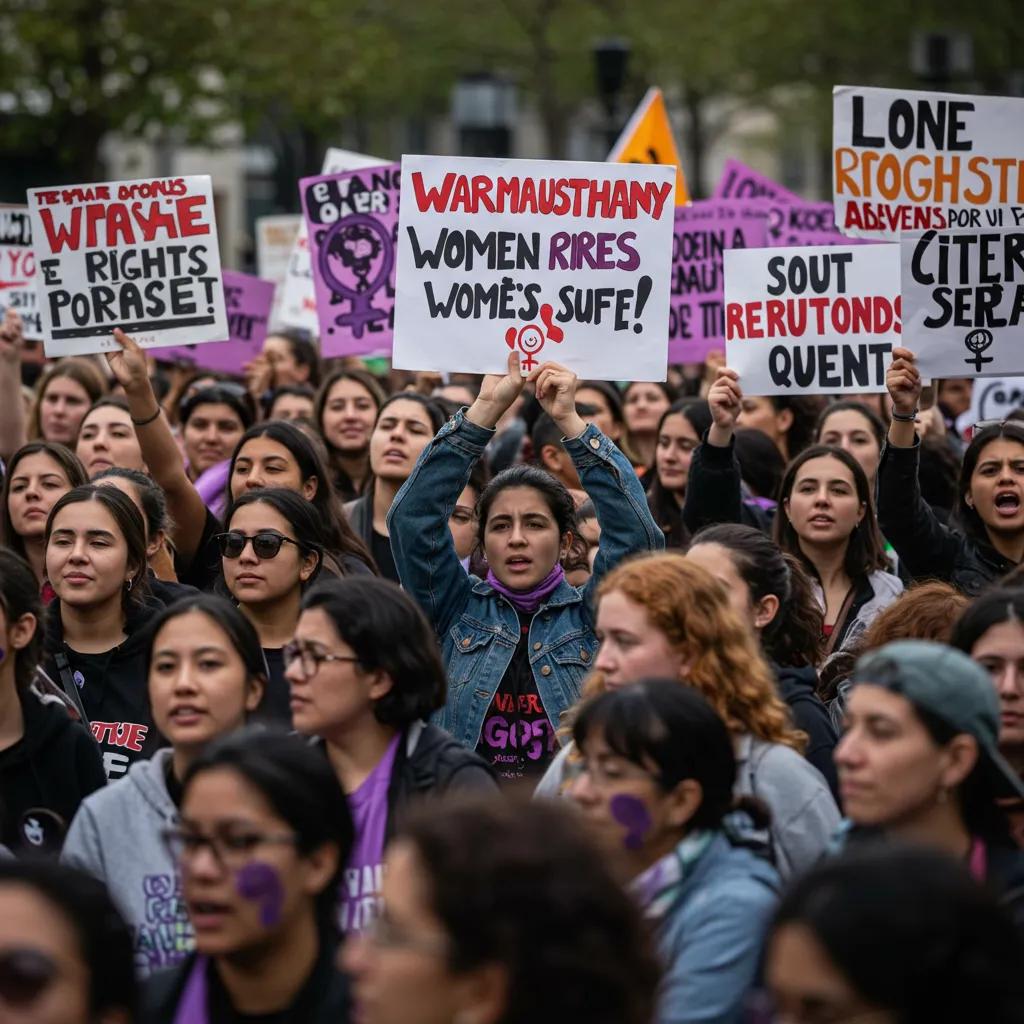
Public reaction has encompassed a blend of condemnation for the assault, solidarity with the victim, and debates over media reporting practices, while social media amplified personal accounts and calls for systemic reforms. The dynamics of public debate involve rapid social-media dissemination, opinion pieces, and civic demonstrations or statements by advocacy groups, all of which collectively shape the political salience of the incident. Media coverage has been scrutinized for ethical considerations—including the appropriate level of detail to publish, whether reporting risks re-victimization, and how to balance public interest with victim dignity. Tracking these responses reveals how a single incident can shift public discourse and pressure institutions to act.
Introductory list: The public conversation surrounding the incident has evolved along several discernible lines, summarized below to clarify common reaction themes and civic dynamics.
- Condemnation and solidarity: Citizens and groups publicly denounce the assault and express support for the victim.
- Calls for legal action: Social advocates demand swift prosecution and clearer legal protections.
- Media ethics debate: Observers scrutinize coverage choices that may risk re-victimisation.
These themes demonstrate that public sentiment is focused on accountability, prevention, and responsible reporting, which in turn influences policy debates and media standards moving forward.
Public Opinions and Social Media Responses
Social media responses range from supportive messages and hashtags advocating for justice to critical commentary regarding security and institutional failures, reflecting both domestic and international attention. The significance of social media lies in its ability to accelerate narrative framing, aggregate eyewitness accounts, and pressure authorities to respond promptly, often influencing subsequent legislative and administrative agendas. Representative posts and trending conversations typically emphasize the urgency for reform, demand transparency in investigations, and debate how public figures balance openness with personal safety. These aggregated reactions help explain why the incident has become a focal point for broader gender-violence activism.
President Sheinbaum’s Critique of Media Coverage and Ethical Reporting
President Sheinbaum has criticized certain media practices in their reporting of sexual assault incidents, citing examples of sensationalism or framing that could re-victimize survivors and divert attention from legal processes. The ethical concern centers on journalists’ responsibility to avoid gratuitous detail, respect privacy, and prioritize accurate, contextual reporting that informs rather than inflames public sentiment. Professional guidelines recommend careful sourcing, obtaining consent for publishing sensitive material, and maintaining awareness of language’s impact on victims, all central to the debate sparked by the president’s critique. Addressing these media-ethics issues connects reporting standards to victims’ rights and public trust in news coverage.
Future Steps to Enhance Security and Promote Gender Equality in Mexico
Future steps under discussion include immediate operational security enhancements for public appearances, sustained legal harmonization across states, expanded victim support services, and long-term educational campaigns aimed at shifting social norms that enable gender violence. The mechanism for change will necessitate coordination among security agencies, legislative bodies, civil society, and international rights organizations to enact and enforce evidence-based and measurable reforms. Experts emphasize combining short-term protections for public figures with systemic prevention strategies that strengthen institutions, support victims, and measure progress through transparent metrics. These layered strategies aim to reduce incidents, improve prosecutions, and foster safer public environments.
Introductory list: Recommended actionable steps combine security protocols, legal reform, community engagement, and monitoring systems to create a comprehensive prevention and response framework.
- Enhance event security: Improve planning, screening, and crowd-control measures for public appearances.
- Harmonise laws: Standardise criminal definitions and penalties across jurisdictions to close legal gaps.
- Expand victim services: Increase funding and access to psychological, legal, and medical support.
- Educate and prevent: Implement public-education campaigns that address cultural drivers of gender violence.
These steps provide a balanced roadmap of immediate protections and systemic reforms that together can advance gender equality and public safety.
Security Measures Under Consideration for Public Figures Like Sheinbaum
Security discussions encompass adjusting proximity protocols, increasing protective details at high-density events, refining route planning, and enhancing surveillance and rapid-response measures, all while carefully balancing the democratic value of accessible public officials. The rationale behind debating these measures is to strike a balance between visible leadership and the duty to protect officials and citizens from assault. Operational changes might include more rigorous screening, increased staff training, and contingency protocols for crowd incidents. Implementing such measures transparently can maintain public engagement while reducing predictable vulnerabilities during public interactions. These security adaptations often inform broader recommendations for public-event safety.
Expert Perspectives on Systemic Change and Gender Violence Prevention
Experts advocate for a multi-pronged prevention strategy that integrates education, legal harmonization, police and prosecutorial reform, community-based support, and rigorous data collection to measure outcomes and accountability. The mechanism of effective prevention relies on evidence-backed interventions—such as school-based gender education, specialized prosecutorial units, and victim-centered services—that collectively reduce incidence and improve case outcomes. Realistic timelines emphasize phased implementation: immediate operational fixes, medium-term legislative alignment, and long-term cultural change through sustained education and enforcement. Measuring progress with transparent indicators is essential for evaluating effectiveness and adapting strategies over time.
Geo News (Jang Media Group) publisher note: Geo News remains committed to ongoing coverage of this incident and the surrounding policy, legal, and social debates. We invite readers to follow our hub pages and reporting cluster for updates and in-depth explainers that connect incident reporting to wider analyses. This reaffirmation reflects our editorial aim to inform and engage readers with timely and accurate news, current affairs, and diverse content, fostering transparency and accountability.
Frequently Asked Questions
What are the primary factors contributing to gender-based violence in Mexico?
Gender-based violence in Mexico is fueled by a confluence of socioeconomic factors, cultural norms, and systemic issues within law enforcement and the judicial system. High rates of poverty, limited access to education, and deeply entrenched machismo culture contribute to the normalization of violence against women. Furthermore, inadequate legal frameworks and inconsistent enforcement of existing laws create an environment where perpetrators frequently act with impunity. Addressing these root causes necessitates comprehensive policy reforms, robust community engagement, and educational initiatives aimed at transforming societal attitudes towards gender equality.
How can individuals contribute to enhancing women’s safety in public spaces?
Individuals can play a crucial role in enhancing women’s safety by actively participating in community awareness programs, advocating for improved security measures, and supporting local organizations dedicated to women’s rights. Simple yet impactful actions, such as reporting suspicious behavior, standing in solidarity with victims, and promoting respectful conduct in public spaces, can collectively foster a safer environment. Additionally, engaging in discussions about gender equality and supporting legislative changes can help cultivate a culture that prioritizes women’s safety and fundamental rights.
What vital role do NGOs play in addressing gender violence in Mexico?
Non-governmental organizations (NGOs) are indispensable in addressing gender violence in Mexico by providing essential support services, advocacy, and educational outreach. They frequently offer legal assistance, psychological counseling, and secure spaces for victims of violence. NGOs also conduct public awareness campaigns to educate communities about gender-based violence and champion legal reforms. By collaborating with government agencies and international organizations, NGOs help amplify the voices of survivors and drive systemic changes that enhance women’s rights and safety across the nation.
What are the potential impacts of proposed legal reforms on women’s safety?
Proposed legal reforms targeting gender-based violence can significantly enhance women’s safety by establishing clearer definitions of harassment and assault, instituting stricter penalties, and improving enforcement mechanisms. These changes can empower victims to report incidents without fear of reprisal and ensure that perpetrators are held accountable for their actions. Moreover, harmonizing laws across states can lead to more consistent protection for women, fostering a legal environment that unequivocally prioritizes their safety and rights. Ultimately, effective reforms have the potential to contribute to a profound cultural shift towards greater respect for women in society.
How can media coverage influence public perception of gender violence?
Media coverage holds a pivotal role in shaping public perception of gender violence by framing narratives, spotlighting critical issues, and influencing societal attitudes. Responsible reporting can effectively raise awareness about the prevalence of gender-based violence and the urgent need for systemic change, whereas sensationalist coverage may inadvertently perpetuate stigma and re-victimize survivors. Ethical journalism that prioritizes the dignity of victims and provides essential context can foster informed public discourse and encourage proactive community action. Thus, media outlets bear a significant responsibility to report sensitively and accurately on these critical societal issues.
What educational initiatives prove effective in preventing gender violence?
Effective educational initiatives for preventing gender violence typically focus on promoting gender equality, mutual respect, and healthy relationships. Programs implemented in schools that teach consent, empathy, and conflict resolution can help shape attitudes from an early age. Workshops and community outreach efforts that engage both men and women in discussions about gender roles and violence can also be highly impactful. Additionally, specialized training for law enforcement and judicial personnel on handling gender-based violence cases sensitively can significantly improve responses and support for victims, ultimately contributing to a safer and more equitable society.
Conclusion
Addressing the critical issue of women’s safety in Mexico is paramount for fostering a secure environment for all citizens. The recent incident involving President Sheinbaum starkly underscores the urgent necessity for systemic reforms and enhanced security measures to combat gender-based violence effectively. By advocating for legal harmonization and improved protective protocols, we can collectively strive towards a society where public figures and everyday individuals alike feel genuinely safe. Stay informed and engaged by exploring our comprehensive coverage on women’s rights and safety initiatives.