Mindfulness and Meditation: Your Complete Guide to Benefits, Techniques, and Stress Management
Mindfulness and meditation are practical mental health practices that reduce stress, sharpen focus, improve sleep, and strengthen emotional regulation through attention training and simple relaxation techniques. This guide explains how mindfulness meditation works, summarizes the most reliable benefits supported by recent research, and maps concrete techniques beginners and busy young adults can use daily. Many readers face persistent news-cycle stress, exam pressure, and social media overload; mindfulness offers evidence-based tools that address physiological arousal and rumination while building resilience. The article covers core benefits and mechanisms, step-by-step beginner routines, major meditation types and their strengths, short daily exercises for stress management, local relevance for Pakistani youth, expert recommendations from recent studies, and practical stress-management habits readers can adopt. Throughout, you’ll find short practice scripts, quick troubleshooting tips, comparison tables to choose a style, and actionable lists optimized for busy schedules and digital consumption. Keywords like mindfulness, meditation, stress relief, guided meditation, and breathing exercises are woven in to help you practice and find reliable resources.
What Are the Key Benefits of Mindfulness and Meditation?
Mindfulness and meditation deliver measurable benefits by training attention systems, reducing automatic reactivity, and engaging relaxation physiology to lower stress and improve cognitive control. These practices act through attention regulation, reduced rumination, improved autonomic balance, and greater emotional awareness, producing outcomes such as reduced perceived stress, improved focus, and better sleep. Understanding these mechanisms helps translate research findings into daily choices about which technique to use and when to practice. The following subsections unpack how these effects occur and offer practical implications for applying them.
How Does Mindfulness Reduce Stress and Anxiety?
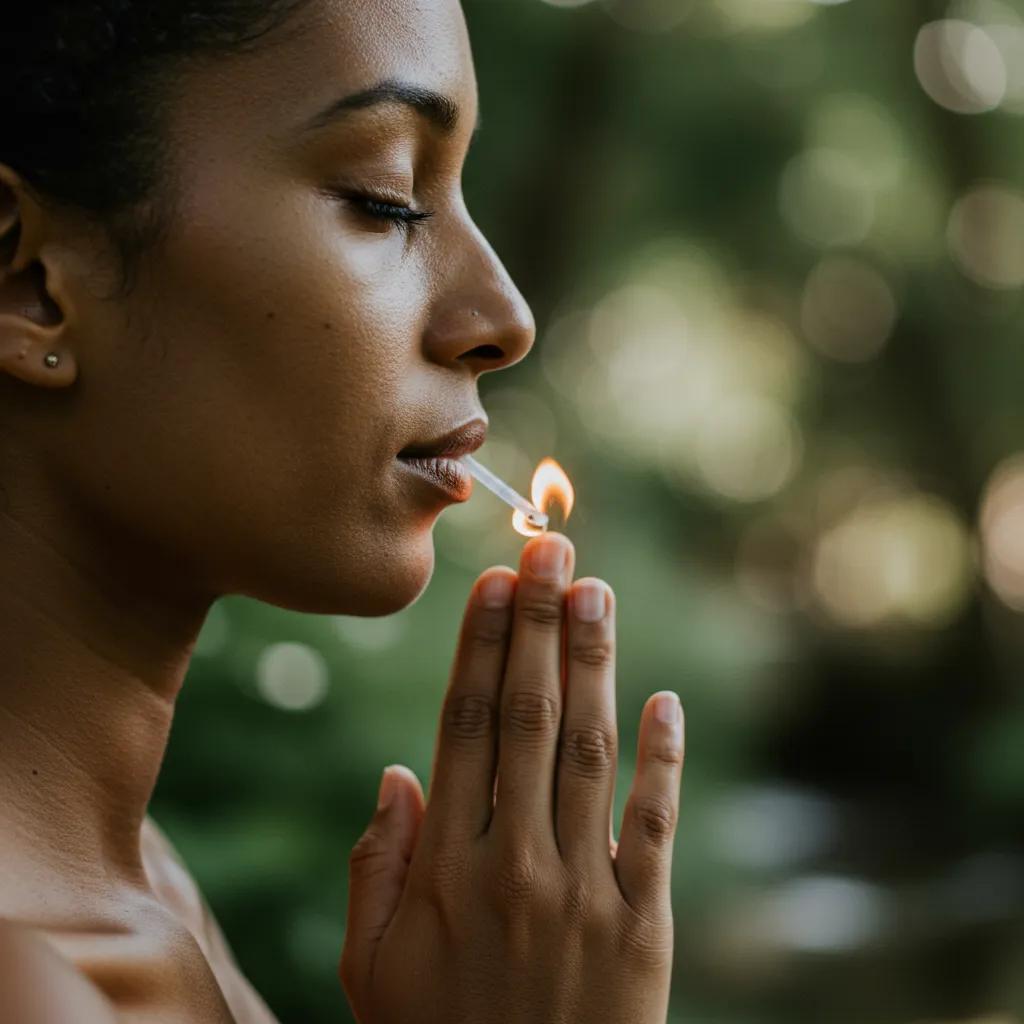
Mindfulness reduces stress and anxiety by shifting attention away from repetitive worry and toward present-moment sensations, which interrupts rumination and diminishes the emotional amplification that fuels anxiety. Physiologically, calming the breath and grounding attention can activate the parasympathetic nervous system, lowering heart rate and promoting vagal regulation that counters fight-or-flight arousal. Practically, short focused-breathing practices and body-awareness exercises reduce immediate distress during acute stressors, while consistent daily practice reduces baseline reactivity over weeks. These mechanisms mean that simple, repeatable micro-practices can be used during exam spikes, after upsetting news, or before social interactions to reduce anxiety.
In What Ways Does Meditation Improve Focus and Mental Clarity?
Meditation improves focus and mental clarity by strengthening the brain’s attention networks through repeated directed practice, often called focused-attention meditation. This training reduces mind-wandering and improves working memory capacity by reinforcing top-down control and decreasing distraction-related neural activity. Short daily sessions—five to twenty minutes—produce measurable improvements in concentration and task persistence within a few weeks for many practitioners. Practicing focused-attention drills before study sessions or demanding tasks yields faster on-task engagement and clearer mental organization.
Can Mindfulness Enhance Emotional Regulation and Well-being?
Mindfulness enhances emotional regulation by cultivating decentering (observing thoughts and feelings without immediate identification) and increasing interoceptive awareness, which improves recognition and early management of emotional shifts. These skills support greater tolerance for distress, promote self-compassion, and reduce impulsive reactions, leading to improved mood stability and social functioning. Over time, habitual mindful responding builds psychological resilience and reduces emotional volatility, which supports long-term well-being and relationship quality. Integrating short check-ins and loving-kindness practices strengthens social connectedness alongside individual regulation.
How Does Meditation Support Better Sleep Quality?
Meditation supports better sleep by lowering pre-sleep cognitive arousal, reducing bedtime rumination, and shifting autonomic balance toward relaxation, which shortens sleep latency and improves perceived sleep quality. Bedtime body-scan and breath-based meditations reduce muscle tension and quiet racing thoughts that often prolong sleep onset. Consistent practice—particularly mindful bedtime routines—can reduce insomnia symptoms and improve restorative sleep across several weeks. Simple 10–20 minute evening practices or micro body-scans integrated into wind-down rituals provide immediate benefits for many sleepers.
Different evidence streams converge on a core set of benefits for mindfulness and meditation:
- Stress Reduction: Regular practice decreases perceived stress and physiological arousal.
- Anxiety Relief: Attention training lowers worry and panic reactivity over time.
- Improved Focus: Focused-attention methods enhance concentration and working memory.
- Better Sleep: Bedtime practices reduce rumination and speed sleep onset.
- Emotional Regulation: Increased decentering and self-compassion improve mood stability.
These benefits explain why news outlets and public-information platforms increasingly treat mental well-being as part of comprehensive coverage; as part of ARY News’ commitment to timely and comprehensive reporting, explaining practical mental-health tools helps keep audiences informed about everyday resilience strategies.
Before reviewing specific techniques, the next section shows a concise table summarizing benefits, mechanisms, and evidence strength.
How Can Beginners Start Practicing Mindfulness and Meditation?
Beginner-friendly practice emphasizes small, repeatable steps that train attention without requiring long sessions or special equipment. Starting with brief routines that combine breath awareness, short body-scans, and guided audio helps novices build consistency and experience early benefits. Set up a simple daily habit—five to ten minutes at a consistent time—and gradually increase duration as focus improves. Troubleshooting common obstacles and creating a supportive environment make adherence more likely, which is essential for cumulative gains in stress relief and cognitive clarity.
Learn-to-practice steps for beginners:
- Choose a time and place: Pick a consistent 5–10 minute window each day and a quiet spot to reduce friction for practice.
- Set an intention: Begin with a short intention (e.g., “I will notice my breath”) to orient attention and motivation.
- Use a simple anchor: Focus on the breath, body sensations, or a guided recording to stabilize attention.
- Notice and return: When the mind wanders, label the distraction briefly and return to the anchor without judgment.
- Close gently: Finish with a few mindful breaths and carry one small awareness into your next activity.
What Are Simple Meditation Techniques for Beginners?
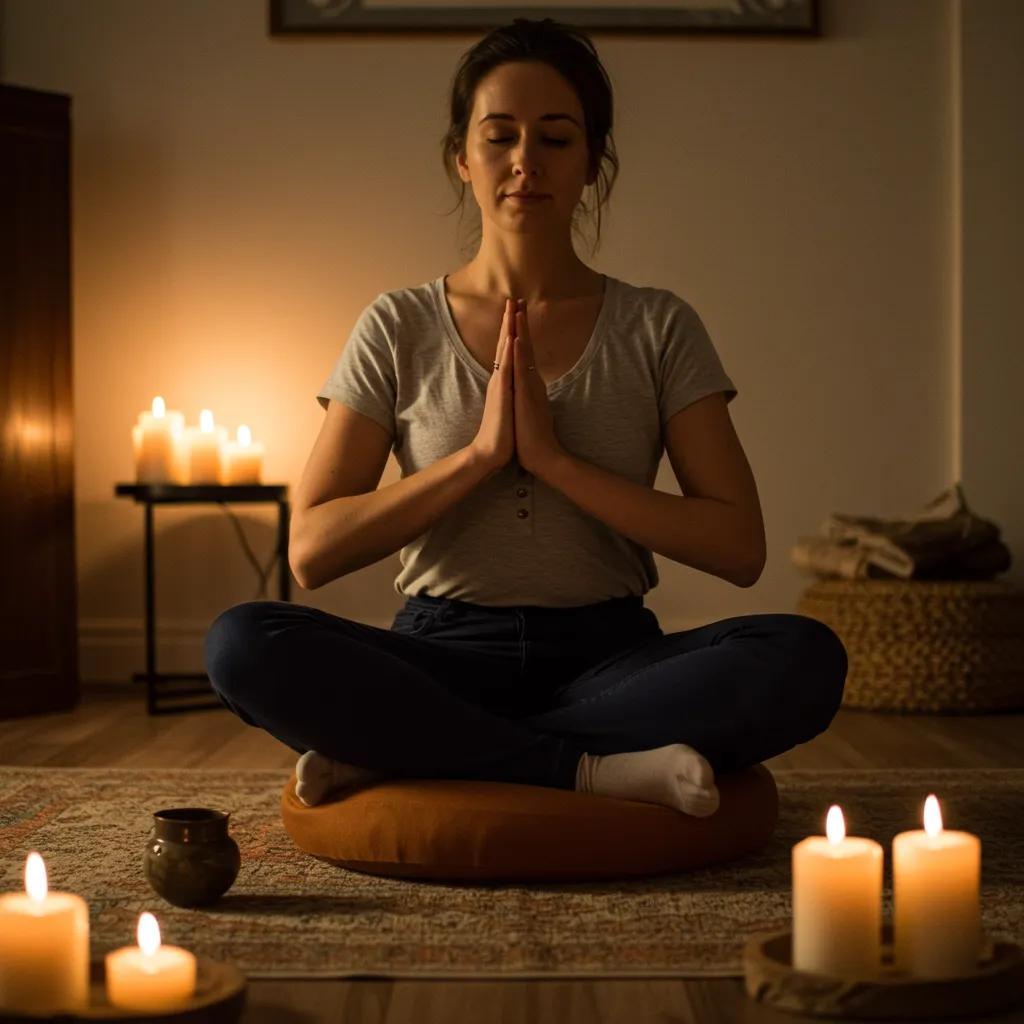
Beginners benefit from a handful of accessible techniques—breath awareness, short body-scan, and guided sessions—that provide immediate structure and easy results. Breath awareness requires sitting comfortably, noticing the inhale and exhale, and gently returning attention whenever the mind wanders; five minutes daily builds attentional stamina. A short body-scan involves slowly moving attention through the body from toes to head, noticing sensations and releasing tension; this practice is effective before sleep or after study sessions. Guided sessions, using recorded instructions, support adherence and provide practical scripting until self-guided practice feels natural.
How Do You Set Up a Comfortable Meditation Space?
A comfortable meditation space reduces distractions and signals the brain that it’s time to practice, helping habit formation and quality of attention. Choose a quiet corner or chair with stable posture, soft lighting, and minimal clutter; for campus or small homes, a folded blanket, cushion, or a chair with a straight back works well. Minimize digital interruptions by using a short “do not disturb” period and keep a small ritual like lighting a candle or placing a meaningful object to anchor starting practice. Consistent physical cues and a predictable schedule increase likelihood of daily practice and improve quality over time.
What Are Effective Breathing Exercises to Begin With?
Simple breathwork techniques provide rapid downregulation of arousal and are easy to learn for immediate stress relief. Box breathing (inhale-4, hold-4, exhale-4, hold-4) stabilizes attention and calms the nervous system during high anxiety moments. Diaphragmatic breathing (slow deep belly breaths with a 4–6 second exhale) supports vagal tone and reduces heart rate after acute stress. A short 4-4-6 breath (inhale 4, hold 4, exhale 6) relaxes tense bodies before exams or presentations. Practice these for one to five minutes to get fast relief and use them as anchors in longer meditation sessions.
How Can Beginners Overcome Common Meditation Challenges?
New practitioners often face distraction, impatience, physical discomfort, and time scarcity; normalizing these experiences reduces abandonment. Expect wandering thoughts and view them as the practice itself—each gentle return to the breath strengthens attention and resilience. Use micro-practices (one to three minutes) when time is tight and incorporate posture adjustments or chair options to reduce discomfort. Track small wins and habit-stack meditation onto existing routines (e.g., after brushing teeth) to sustain momentum until longer sessions feel natural.
What Are the Different Types of Meditation and Their Unique Benefits?
Different meditation traditions emphasize distinct skills—focused attention, open monitoring, compassion cultivation, or systematic relaxation—and each offers targeted benefits for stress relief, attention, or social-emotional growth. Choosing a style depends on your goals: concentration training for study focus, loving-kindness for relationship and empathy building, body-scan for relaxation and sleep, and guided meditations for adherence and beginner support. The following subsections define core types and explain practical session expectations so you can match practice to need.
Common meditation types and one-line strengths:
- Vipassana: Insight through sensation observation; builds clarity and equanimity.
- Zen (Zazen): Posture-centered sitting practice; strengthens sustained attention and presence.
- Loving-Kindness (Metta): Cultivates compassion and social connection; reduces loneliness and hostility.
- Body Scan: Progressive attention to bodily sensations; relieves tension and improves sleep.
- Guided Meditation: Instruction-led sessions; increases consistency and supports beginners.
What Is Vipassana Meditation and How Is It Practiced?
Vipassana centers on observing sensations, thoughts, and feelings with curiosity to develop insight into impermanence and reduce automatic reactivity. Practice typically involves seated attention to breath and body sensations, noting arising phenomena without judgment and returning to present awareness. Daily short sessions or periodic retreats both support deeper insight; beginners benefit from guided instructions and gradual session lengthening. The method is especially useful for cultivating clarity about habitual reaction patterns and reducing rumination.
How Does Zen Meditation Promote Mindfulness?
Zen (Zazen) emphasizes stable posture and sustained attention, combining breath awareness with posture cues to train continuous presence. Practitioners sit with a simple focus—breath or counting—to anchor attention while maintaining alertness and relaxed posture. This discipline builds the capacity to remain present in routine activities and supports longer attention spans needed for intensive study or work. Accessible variations, like short timed sittings or walking meditation, adapt the practice for busy schedules.
What Are the Benefits of Loving-Kindness Meditation?
Loving-kindness practice uses repeated phrases directing goodwill toward oneself and others, which cultivates compassion, reduces social isolation, and softens self-critical patterns. Even short daily sessions increase positive affect and pro-social attitudes, fostering relationship resilience and empathy in stressful contexts. Sample phrases like “May I be safe; may I be well” can be used privately or in group settings to deepen connection. This practice complements attention-focused techniques by addressing social-emotional well-being.
How Does Body Scan Meditation Help with Relaxation?
Body-scan meditation systematically directs attention through the body to notice and release tension, producing deep physical relaxation and calmer sleep onset. The technique helps identify chronic tension patterns and trains the nervous system to down-regulate arousal through sustained interoceptive awareness. Short versions (10 minutes) are ideal for nightly routines, while longer scans support deeper restorative states. Combining body-scan with diaphragmatic breathing amplifies relaxation effects.
What Are Guided Meditations and How Can They Help?
Guided meditations provide spoken instructions and pacing that make practice accessible, especially for beginners and busy users who benefit from external structure. They reduce decision fatigue about what to do during sessions and increase adherence by offering variety and targeted focuses (sleep, focus, anxiety). Use guided tracks for initial skill-building and transition to unguided sessions as confidence grows; short guided sessions of five to ten minutes can be embedded into study breaks or commute routines.
Which Mindfulness Exercises Can You Practice Daily for Stress Management?
Daily mindfulness exercises are short, practical habits that interrupt stress cycles and re-center attention, making them ideal for students and young professionals facing frequent pressures. Practices can be integrated into routine activities—meals, walks, study breaks—and require minimal time. The following exercises are designed for immediate application and sustained benefit when practiced regularly. Each exercise is described with duration, ease, and when to use it.
Daily mindfulness practices to try:
- Mindful Breathing: 1–5 minutes to reduce acute stress and re-center attention.
- Mindful Eating: One meal or snack with full attention to taste and texture to reduce automatic consumption and cultivate presence.
- Walking Meditation: 5–15 minutes during commutes to ground attention and reduce rumination.
- Mindful Communication: Short pausing and reflective listening to improve relationships and reduce conflict.
How Does Mindful Breathing Help Manage Stress?
Mindful breathing stabilizes attention and directly influences physiology by lengthening exhalation and stimulating parasympathetic activity, which reduces heart rate and perceived tension. Short structured breath techniques like box breathing or diaphragmatic breaths provide immediate relief during acute stress moments, while consistent practice lowers baseline reactivity. Using mindful breathing before exams, presentations, or after distressing news can quickly reduce sympathetic arousal and improve decision-making capacity. Regular use transforms breathing into an on-demand regulatory skill.
What Are Mindful Eating and Walking Practices?
Mindful eating slows automatic consumption by directing full attention to sensory experience—taste, texture, aroma—promoting satisfaction and reducing stress-driven overeating. Walking meditation turns ordinary movement into an attention practice by coordinating breath with steps and noticing bodily sensations and environment. Both practices integrate mindfulness into daily life, offering repeated short opportunities to downshift physiological arousal and break cycles of rumination during busy schedules.
How Can Mindful Communication Improve Relationships?
Mindful communication emphasizes active listening, pausing before responding, and checking internal reactivity to reduce conflict and increase empathy. Practicing short reflective phrases and asking clarifying questions cultivates mutual understanding and de-escalates tense interactions. For students and families, scheduled micro-conversations that prioritize presence reduce misunderstandings and strengthen social support networks. These skills are especially valuable when online interactions escalate or when news cycles create heightened reactivity.
What Are Simple Mindfulness Exercises for Digital Stress Relief?
Digital stress relief combines micro-breaks with intentional digital hygiene to reduce overwhelm from constant connectivity and social comparison. Techniques include scheduled phone-free windows, mindful scrolling rules (one task at a time), and three-minute grounding breaks after consuming distressing content. Micro-practices—like a two-minute breath check after reading social media—interrupt reactivity and restore perspective, minimizing the cumulative impact of online stress on mood and focus.
How Is Mindfulness Relevant to Pakistani Youth and Their Mental Well-being?
Mindfulness is deeply relevant to Pakistani youth who often face academic pressure, economic uncertainty, rapid social change, and intense news cycles that can magnify stress and anxiety. Tailored mindfulness strategies can directly address exam-related performance anxiety, social-media-driven comparison, and the emotional impact of political and community events. Framing mindfulness as a public-interest topic aligns with news platforms’ responsibility to inform audiences about accessible resilience tools; ARY News’ focus on keeping Pakistani readers informed makes coverage of mental well-being a timely editorial fit. The subsections below map common local stressors to practical, culturally appropriate interventions.
What Are Common Stressors for Pakistani Youth and How Can Mindfulness Help?
Common stressors include high-stakes exams, job-market uncertainty, sociopolitical news exposure, and intense social media environments; each can trigger rumination and physiological stress responses. Mindfulness addresses these by teaching short attention anchors and breathing practices to interrupt worry, and by promoting perspective-taking practices that reduce reactivity to news cycles. During exam seasons, focused-attention drills improve study efficiency and reduce exam anxiety, while regular micro-practices mitigate the emotional cost of constant news consumption.
How Can Students Use Mindfulness to Cope with Academic Pressure?
Students can use pre-study breathing routines to reduce start-up anxiety and adopt short focused-attention blocks (e.g., 25–30 minutes of study with brief mindful breaks) to maintain productivity and reduce burnout. Micro-breaks that include stretching and mindful breathing reset cognitive resources and improve retention during long revision sessions. Habit-stacking—linking short practices to existing study rituals—supports consistency and reduces procrastination-related stress.
What Role Does Mindfulness Play in Managing Social Media Stress?
Mindfulness helps manage social media stress by fostering intentional consumption patterns, such as scheduled checking, mindful scrolling rules, and reflective pauses before reacting or posting. These practices reduce impulsive comparisons and reactivity to inflammatory content, lowering emotional volatility. Techniques like content-batching (designated times for social media) and short grounding practices afterwards protect attention and mood during heavy online use.
How Can Young Adults Build Resilience Through Mindfulness?
Resilience is cultivated through regular micro-practices that compound over time—brief daily journaling, combined with short mindful breathing and gratitude or loving-kindness exercises, supports adaptive coping. Consistent practice strengthens stress tolerance and fosters self-compassion, which is central to bouncing back from setbacks. Community-based group practice or campus workshops further reinforce habits and provide social support that accelerates resilience-building.
What Do Experts Say About Mindfulness and Meditation for Mental Health?
Recent research and clinical guidance emphasize that mindfulness-based interventions offer reliable benefits for stress, anxiety, and sleep when delivered with structure and consistency. Psychologists recommend beginning with brief daily sessions and building both duration and skill, while noting that integration with therapy can be beneficial for individuals with significant trauma histories. Review studies from 2024–2025 indicate continued support for mindfulness-based programs in education and workplaces, and professionals suggest clear protocols for dosage and implementation to maximize outcomes.
Research into the effectiveness of mindfulness-based stress reduction (MBSR) programs has consistently shown positive impacts on psychological well-being across various professional groups.
Mindfulness-Based Stress Reduction for Healthcare Professionals: A Systematic Review
Burnout and occupational stress are frequently experienced by healthcare professionals (HCPs). Mindfulness-based stress reduction (MBSR) has been found to improve the psychological health outcomes of HCPs. To date, systematic reviews and meta-analyses have primarily focused upon empirical investigations into the reduction of stress amongst HCPs using MBSR and are limited to empirical studies published before December 2019. This systematic review aimed to update the current evidence base and broaden our understanding of the effectiveness of MBSR on improving the psychological functioning of HCPs.
Three electronic databases (Medline, Psych Info and Web of Science) were searched without time frame restrictions. Quantitative studies included randomised controlled trials, clinical controlled trials, pre-post designs and studies with up to a 12-month follow-up period. All studies included in the review employed a MBSR programme, standardised measures of psychological functioning and qualified HCPs as participants.
Using PRISMA guidelines thirty studies were included in the review. The reviewed literature suggested that MBSR was effective in reducing HCPs experiences of anxiety, depression and stress. MBSR was also found to be effective in increasing HCP levels of mindfulness and self-compassion. However, MBSR did not appear as effective in reducing burnout or improving resilience amongst HCPs. Abbreviated MBSR programmes were found to be as effective as the traditional 8-week MBSR programmes.
The effectiveness of mindfulness-based stress reduction on the psychological functioning of healthcare professionals: A systematic review, 2021
Which Recent Studies Support the Benefits of Mindfulness?
Current studies indicate that structured mindfulness programs reduce anxiety and perceived stress and improve sleep metrics across diverse populations, with meta-analyses showing small-to-moderate effect sizes for mental health outcomes. Recent 2024–2025 research emphasizes the dose-response relationship: consistent short daily practice produces cumulative benefits, and program-based delivery (e.g., 8-week courses) yields larger, sustained effects. These findings inform practical implementation in schools, workplaces, and digital health offerings.
What Are Psychologists’ Recommendations for Meditation Practice?
Psychologists commonly recommend starting with five to ten minutes per day and gradually increasing to twenty minutes or more as tolerable, with consistency prioritized over session length. Professionals advise combining attention training with self-compassion practices and recommend supervised program formats for those with clinical anxiety or depression. Guidance also includes seeking professional support if meditation triggers severe distress or worsened symptoms, integrating mindfulness with other evidence-based therapies when appropriate.
How Are Mindfulness Programs Being Used in Education and Workplaces?
Education and workplace programs often use brief, structured formats—such as eight-week courses, weekly group sessions, or daily micro-practices embedded into schedules—to improve well-being and productivity. Reported outcomes include reduced burnout, improved focus, and better stress management among students and employees when programs are sustained and supported by leadership. Schools and employers that integrate short guided sessions and habit-support strategies tend to see higher uptake and measurable benefits.
The effectiveness of adapted MBSR programs has also been demonstrated in educational settings, highlighting its broad applicability.
MBSR Program Effectiveness for Educator Stress and Well-being
We assessed the effectiveness of an adapted mindfulness-based stress reduction (MBSR) program on educator stress and well-being. The study included 36 high school educators who participated in either an 8-week adapted MBSR program or a waitlist control group. Results suggested that educators who participated in MBSR reported significant gains in self-regulation, self-compassion, and mindfulness-related skills (observation, nonjudgment and nonreacting). Significant improvements in multiple dimensions of sleep quality were found as well. These findings provide promising evidence of the effectiveness of MBSR as a strategy to promote educator’s personal and professional well-being. Implications and directions for future research are discussed.
The effectiveness of mindfulness-based stress reduction on educator stress and well-being: Results from a pilot study, JL Frank, 2015
As part of its role in keeping audiences informed, ARY News aims to report authoritative insights and feature expert voices on mental health topics, signaling where readers can expect reliable coverage and resources in lifestyle and health reporting.
What Are Effective Stress Management Techniques Using Mindfulness and Meditation?
Effective stress management blends immediate calming practices, structured meditation routines for anxiety reduction, and habit-driven daily rituals that build long-term emotional regulation. Breathwork offers rapid downshifts in arousal, while consistent meditation schedules reduce baseline anxiety and improve coping. Practical habit tips—habit stacking, micro-practices, and social accountability—help sustain practice and translate short-term relief into lasting resilience. The following subsections provide concrete exercises and behavioral strategies to maintain consistent progress.
How Do Breathing Exercises Facilitate Relaxation?
Breathing exercises facilitate relaxation by extending exhalation and engaging the parasympathetic nervous system, which reduces heart rate and perceived tension. Techniques like diaphragmatic breathing and box breathing rapidly lower physiological arousal in acute stress, while daily practice shifts baseline stress reactivity downward. Practitioners can use short 1–5 minute breathing sequences during breaks or immediately after reading stressful news to restore composure and clarity. Consistent use builds an automatic calming response that can be accessed in high-pressure situations.
What Are Proven Strategies to Reduce Anxiety Through Meditation?
Proven strategies include structured programs like mindfulness-based stress reduction (MBSR) and acceptance-based practices that combine exposure to uncomfortable feelings with nonjudgmental awareness. Short targeted sessions focused on noticing sensations and labeling thoughts reduce anxiety by decreasing avoidance and altering cognitive appraisal. A practical schedule might begin with daily five-minute sessions and progress to three 15–20 minute sessions per week, combined with brief in-the-moment breathing exercises for spikes of anxiety. Integrating practice into daily routines ensures coverage during high-demand periods.
How Can Daily Mindfulness Practice Improve Emotional Regulation?
Daily practice improves emotional regulation by reinforcing neural pathways for noticing, pausing, and choosing responses rather than reacting automatically. Morning check-ins, brief mid-day resets, and evening reflections create structured opportunities for recalibration and consolidation of learning. Simple journaling prompts paired with a short mindful breathing practice help track progress and increase awareness of triggers over time. These regular micro-habits support sustained improvements in mood stability and interpersonal behavior.
What Are Tips for Maintaining Consistent Meditation Habits?
Maintaining consistent habits relies on small, repeatable actions: habit-stacking (attach practice to an existing routine), micro-practices (one to three minutes), scheduling, and social accountability such as practicing with a friend or group. Use short guided recordings to reduce decision fatigue and set easily achievable daily minimums to prevent discouragement. Track adherence with simple logs and celebrate consistency rather than perfection to build long-term engagement. These strategies make meditation resilient to life changes and workload fluctuations.
As an editorial note, ARY News remains committed to informing and engaging readers about public-interest topics like mental health; readers can look for related LifeStyle and Health coverage that discusses practical tools and expert perspectives on well-being.
Conclusion
Embracing mindfulness and meditation can significantly enhance mental well-being by reducing stress, improving focus, and fostering emotional regulation. These practices offer accessible techniques that can be seamlessly integrated into daily life, making them valuable tools for managing the pressures faced by young adults today. By committing to even short, consistent sessions, individuals can experience profound benefits over time. Start your journey towards a more mindful life by exploring our resources and finding the right practices for you.