Missing Brady Memoir ‘Could Hold New Clues to Moors Murders’ – Exploring Its Impact on the Keith Bennett Search
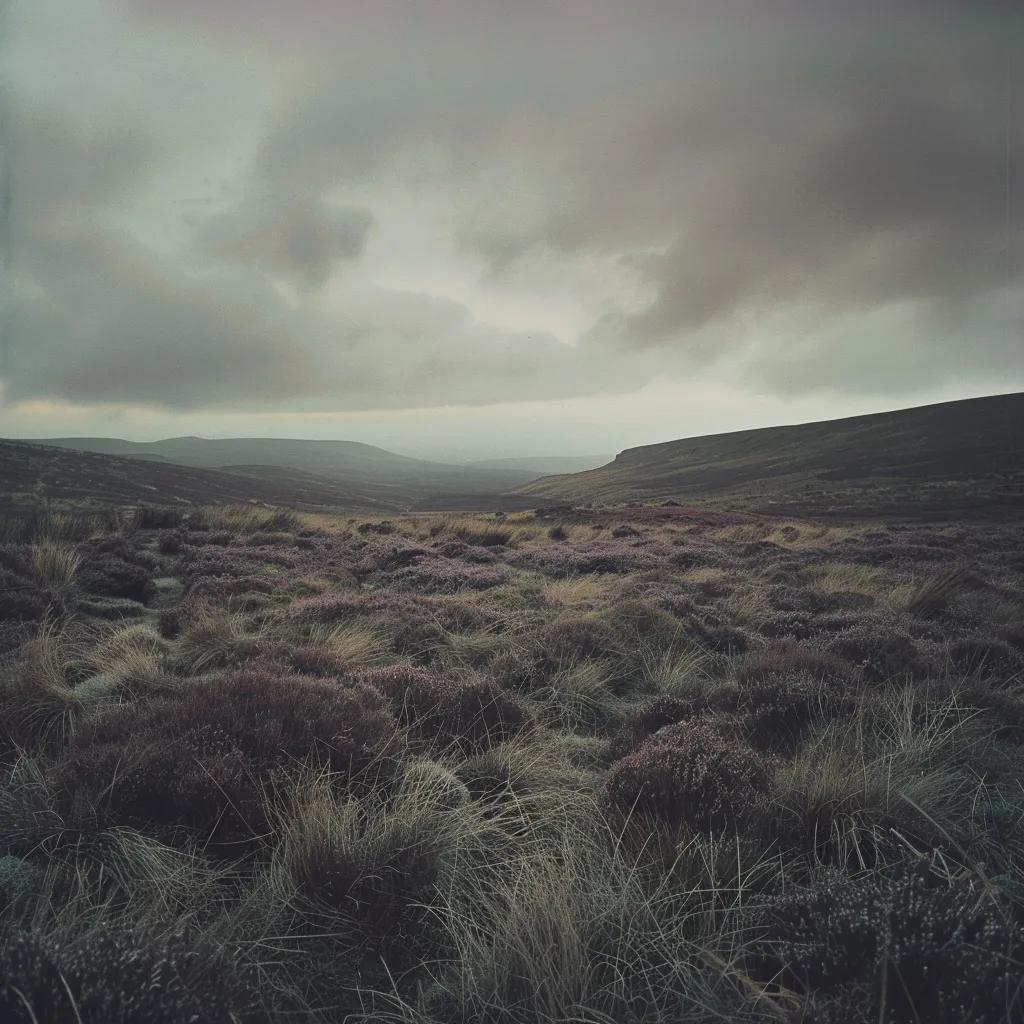
The discovery of missing pages from Ian Brady’s unpublished Black Light memoir has reignited hopes that new insights could finally locate Keith Bennett’s burial site on Saddleworth Moor. This article explains why the brady memoir matters, how forensic experts are mining Brady’s own words for clues, which individuals have driven this investigation forward, and how ongoing police and archaeological efforts intersect with those revelations. We examine legal and ethical debates, place the memoir in the broader history of the Moors Murders, and answer common questions about Brady’s writings and the half-century search for Keith Bennett.
What Is the Missing Brady Memoir and Why Does It Matter?
Ian Brady’s missing memoir refers to an unpublished manuscript titled Black Light, portions of which vanished for decades before resurfacing after his death. Its contents promise direct, first-person testimony from Brady himself, potentially pinpointing unsearched zones of Saddleworth Moor through maps, sketches and coded descriptions. These revelations could transform decades of speculation into actionable search grids.
What Is Ian Brady’s ‘Black Light’ Autobiography?
Black Light is Ian Brady’s personal narrative of the Moors Murders, drafted during his incarceration at Ashworth High Secure Hospital. Brady wrote this autobiographical volume to chronicle his partnership with Myra Hindley, describe his motives, and record his own recollections of crime scenes. By capturing Brady’s unfiltered perspective, the memoir stands apart from court transcripts and journalistic accounts.
How Were the Missing Pages of the Memoir Discovered?
After Brady’s death in 2017, his solicitor Robin Makin located fragments of Black Light among personal papers stored at a Manchester law office. In 2025, a BBC documentary revealed that nearly 200 pages had been removed from the original typescript, sparking efforts to retrieve or reconstruct those passages. Makin’s discovery set in motion legal petitions for full disclosure and archival restoration.
Why Are the Missing Pages Critical to the Moors Murders Investigation?
The absent pages are critical because they may contain Brady’s only direct references to burial landmarks, ground markers or local farm roads that police never surveyed. Without those sections, investigators lack key coordinates and descriptive context that only Brady could provide. Recovering the text could collapse a 60-year cold case into a targeted search operation.
How Could the Brady Memoir Provide New Clues to Keith Bennett’s Burial Site?
Brady’s memoir may reference specific topographical features—such as rock formations, stream tributaries, or fence boundaries—that align with unexamined areas of Saddleworth Moor. By decoding his descriptions and cross-referencing with modern mapping tools, investigators can prioritize high-probability search zones.
What Specific Clues Does the Memoir Contain About Keith Bennett?
Brady’s surviving pages mention three distinct landmarks in relation to Keith Bennett’s burial:
- A triangular boulder near a siding gate where Hindley once stashed a small parcel.
- A narrow drainage ditch south of Oldham Road that Brady described as “shallow but lined with dark peat.”
- A crumbling sheep stile overlooking a bramble-choked ravine where he claimed Bennett lay.
How Have Experts Analyzed the Memoir’s Content for Investigative Leads?

True-crime researchers have digitized Black Light and applied geospatial analysis to Brady’s narrative, overlaying landmark clues onto satellite imagery of Saddleworth Moor. Investigative teams have also used comparative mapping software to align Brady’s 1960s farm boundaries with current property lines. Cross-disciplinary workshops bring together cartographers, cold-case detectives and local historians to validate potential coordinates.
What Role Do Forensic Linguistics and Manuscript Analysis Play?
Forensic Linguistics in Criminal Investigations
Forensic linguistics is used to analyze language patterns, dialect markers, and syntax to confirm geographical references. This method helps to verify the accuracy of geographical references, such as local place names, which can be crucial in investigations.
This citation supports the article’s discussion of how forensic linguistics is used to analyze Brady’s writings for geographical clues.
Who Are the Key Figures Involved in the Memoir’s Discovery and Analysis?
Several individuals have shaped the journey from missing typescript to investigative blueprint. Their combined efforts drive both academic study and field operations.
These collaborators have renewed public and police interest in Brady’s own voice as a forensic source.
What Was Robin Makin’s Role in Holding the Missing Memoir Pages?
As Brady’s long-time legal representative, Robin Makin inherited the author’s personal papers and discovered the excised manuscript sections concealed in file folders. Makin petitioned courts for permission to share the material with cold-case investigators.
How Has Dr. Alan Keightley Contributed to Understanding the Memoir?
Dr. Alan Keightley contextualized Brady’s writings by comparing them with trial transcripts, psychiatric reports and Hindley’s confessions. His book on Brady includes annotated passages from Black Light, helping readers interpret coded references to moor landmarks.
What Insights Did Journalist Duncan Staff Provide Through the BBC Documentary?
Duncan Staff’s 2025 documentary juxtaposed archival footage of Brady and Hindley with modern forensic searches, highlighting Brady’s descriptions of moor terrain. Staff’s interviews with surviving investigators and residents underlined how even minor manuscript details could recalibrate search grids.
What Is the Current Status of the Keith Bennett Search on Saddleworth Moor?
Police and forensic archaeologists continue methodical sweeps of Saddleworth Moor, integrating Brady’s memoir insights into their grid systems. Although no significant remains were located in the 2022 operation, refined targets informed by Black Light are shaping upcoming expeditions.
How Have Police and Forensic Archaeologists Conducted Recent Searches?
- Ground-penetrating radar to detect subsurface anomalies.
- Soil geochemistry sampling for bone-fragment residues.
- Drone-mounted LiDAR scanning to map vegetation changes.
- Cadaver dog units trained on peat soil scent profiles.
What Were the Outcomes of the 2022 Saddleworth Moor Search Efforts?
The 2022 excavation produced no human remains, but teams unearthed 19th-century pottery shards and a metal buckle that validated search accuracy near a mud-lined hollow. The dig refined geological data and eliminated one grid block, paving the way for memoir-guided surveys.
How Does the Memoir Influence Ongoing and Future Search Strategies?
By overlaying Brady’s memoir landmarks onto digital elevation models, investigators can prune low-probability zones and reassign resources to high-yield sectors. Future searches will employ updated GPS coordinates derived from cross-referenced Brady descriptions and historic aerial photographs.
What Are the Legal and Ethical Issues Surrounding the Publication of Brady’s Memoir?
Releasing a serial killer’s private reflections raises complex legal challenges and moral questions about profiting from crime narratives. Courts have weighed Brady’s right to free expression against the families’ rights to privacy and the public interest in seeking justice for Keith Bennett.
What Legal Battles Have Affected Access to the Memoir’s Contents?
Greater Manchester Police and Brady’s estate have clashed over custody of the manuscript. In 2019, a court ruled that the pages belonged to Brady’s executors, but mandated controlled access for law enforcement. Subsequent appeals by victims’ families sought to block publication pending inquest outcomes.
How Do Victims’ Families and Advocates View the Memoir’s Release?
Families express mixed views: some fear retraumatization if Brady’s voice resurfaces, while others embrace any avenue that could end their decades-long search for closure. Advocacy groups argue for transparency balanced with sensitivity to survivors’ mental health.
What Are the Broader Ethical Debates About Publishing Serial Killer Writings?
Publishers and ethicists debate whether serial killers should profit from their crimes through book deals. Critics warn that sensationalizing true-crime narratives can glorify perpetrators, while proponents argue that unfiltered documents serve public safety and historical record.
Ethical Considerations in True Crime Publication
The publication of serial killers’ writings raises ethical questions about profiting from crimes and the potential for sensationalizing such narratives. These debates involve balancing the public’s right to information with the rights of victims’ families and the potential for causing further distress.
This source addresses the ethical debates surrounding the publication of serial killer writings, which is relevant to the article’s discussion of the Brady memoir.
How Does the Memoir Fit Into the Larger History of the Moors Murders?
Brady’s memoir adds a first-person layer to the established timeline of the Moors Murders, filling gaps left by trial exhibits and psychiatric evaluations. It stands as a contested artifact that both illuminates and complicates our understanding of one of Britain’s most notorious crime sprees.
What Is the Overview of the Moors Murders and Its Key Victims?

The Moors Murders unfolded between 1963 and 1965 when Ian Brady and Myra Hindley abducted and murdered five children: Pauline Reade, John Kilbride, Keith Bennett, Lesley Ann Downey and Edward Evans. Each victim’s disappearance triggered searches of remote moorland where bodies of four victims were found; Keith Bennett’s remains remain undiscovered.
The Moors Murders Overview
The Moors Murders, a series of child abductions and murders committed by Ian Brady and Myra Hindley between 1963 and 1965, resulted in the deaths of five children. The case has been marked by the discovery of four victims’ bodies on Saddleworth Moor, while the remains of Keith Bennett remain undiscovered.
This source provides a general overview of the Moors Murders, which is essential for understanding the context of the article.
How Has Ian Brady’s Life and Crimes Influenced the Investigation?
Brady’s refusal to cooperate, his shifting confessions and psychological manipulations prolonged the search for Bennett’s remains. Investigators have had to navigate contradictory statements, altering search zones based on Brady’s inconsistent recollections and document redactions.
What Is the Significance of Saddleworth Moor in the Murders and Searches?
Saddleworth Moor provided concealment through dense heather, boggy peat and crumbling peat cuttings. Its labyrinth of hidden hollows and drainage channels has stymied search teams for decades, making Brady’s own map-like references in Black Light uniquely valuable.
What Are the Most Common Questions About the Brady Memoir and Keith Bennett’s Case?
Readers frequently ask where Bennett’s body lies, whether Brady ever revealed the location, what the memoir is called, and who controls its missing pages. Clear, concise answers follow to address these critical queries.
Where Is Keith Bennett Buried According to Current Evidence?
Keith Bennett’s body remains unrecovered despite exhaustive searches on Saddleworth Moor. No definitive burial site has been confirmed, though Brady’s memoir sketches suggest new target areas near Oldham Road.
Did Ian Brady Reveal Keith Bennett’s Burial Location in His Memoir?
No, Brady did not explicitly name coordinates. He offered veiled descriptions of landmarks that require interpretation—such as references to farm tracks and boulders—that investigators are now decoding.
What Is the Title and Status of Ian Brady’s Memoir?
The memoir is titled Black Light and exists in partial form. Approximately 200 pages remain missing; the recovered sections are held under court-mandated custody and accessible to approved law-enforcement personnel.
Who Is Robin Makin and What Is His Connection to the Memoir?
Robin Makin served as Ian Brady’s solicitor and custodian of his legal papers. Makin discovered the excised pages of Black Light and facilitated their transfer to investigative authorities under judicial oversight.
Ian Brady’s own words now guide modern forensic efforts, blending archival research with advanced search techniques. As investigators overlay memoir-derived landmarks onto digital maps, each new lead narrows the search for Keith Bennett’s long-lost resting place. Continued cooperation among legal experts, victim advocates, and scientific teams will determine whether Brady’s final revelations can finally bring closure to a case that has haunted Britain for six decades.