Nipah Virus Outbreak in South India: Why It’s Spreading and How It’s Transmitted

Since its first detection, Nipah virus (NiV) has posed a lethal threat in South India by exploiting zoonotic and human-to-human pathways to cause severe encephalitis and respiratory illness. Understanding its classification, outbreak history, transmission mechanisms, ecological and cultural drivers, clinical manifestations, and control strategies equips communities and health systems to stop its recurrent emergence. This article maps the virus’s taxonomy and hotspots, explains primary and secondary transmission routes, examines regional risk factors in Kerala, outlines symptoms and diagnostics, evaluates prevention and treatment approaches, and assesses long-term socio-economic and psychological impacts along with future preparedness recommendations.
What Is Nipah Virus and How Has It Affected South India?
Nipah virus is an enveloped, negative-sense RNA pathogen that causes high-fatality encephalitis and respiratory distress by infecting endothelial and neuronal cells. Classified within the family Paramyxoviridae and genus Henipavirus, NiV demonstrates zoonotic adaptation and pandemic potential, making its study essential for regional and global health security.
What Are the Key Characteristics and Classification of Nipah Virus?
Nipah virus is defined by its single-stranded RNA genome, broad host range, and high case fatality rate, which collectively underscore its public health priority. For example, its ability to infect human endothelial cells triggers vascular leakage and encephalitic damage.
Nipah Virus Classification and Characteristics
Nipah virus (NiV) is classified within the family Paramyxoviridae and the genus Henipavirus, characterized by its single-stranded RNA genome and high case fatality rate. The virus’s ability to infect human endothelial cells triggers vascular leakage and encephalitic damage, highlighting its pathogenic potential.
This source provides the fundamental classification and key characteristics of the Nipah virus, which is essential for understanding the virus’s nature and impact.
This classification highlights NiV’s high pathogenic potential and reservoir linkage, leading us to review its outbreak history globally and in Kerala.
What Is the History of Nipah Virus Outbreaks Globally and in South India?
Since 1998, Nipah virus has triggered multiple outbreaks with evolving epidemiology:
- 1998–1999 Malaysia/Singapore: Initial pig-to-human spillover resulting in 265 human cases.
- 2001 Bangladesh: Direct bat-to-human transmission via date palm sap.
- 2007 India (West Bengal): Human-to-human clusters near Bangladesh border.
- 2018, 2019, 2021, 2023, 2025 Kerala: Recurrent focal outbreaks in Kozhikode, Malappuram, and Palakkad.
Recurring outbreaks in Kerala have involved 17–18 reported cases with mortality rates exceeding 70%. This timeline underscores the virus’s adaptation to South India’s ecological and societal context.
How Has Kerala Become a Recurrent Hotspot for Nipah Virus?
Kerala’s position as a Nipah hotspot stems from its dense fruit bat populations coexisting with human settlements, widespread consumption of raw fruits and palm sap, and robust surveillance that detects even small clusters. Frequent human-bat encounters in orchards and backyard groves create repeated spillover opportunities, while efficient case finding reveals early cases that might go unrecognized elsewhere. These factors combine to sustain Kerala’s vulnerability and inform targeted containment strategies.
How Does Nipah Virus Spread in South India?
Nipah virus spreads through natural reservoir contact and interpersonal routes by exploiting bat-borne viral shedding and direct human contact, which elevates outbreak risks. Understanding each transmission pathway is foundational to interrupting chains of infection.
Transmission Routes of Nipah Virus
Nipah virus spreads through zoonotic spillover from fruit bats and human-to-human contact. Zoonotic transmission occurs when humans ingest or handle bat-contaminated materials, such as saliva or urine on fruits. Human-to-human transmission happens through direct contact with bodily fluids.
This citation supports the article’s explanation of the primary transmission routes of the Nipah virus, which is crucial for understanding how the virus spreads.
What Role Do Fruit Bats Play as Natural Reservoirs of Nipah Virus?

Fruit bats of the genus Pteropus harbor Nipah virus asymptomatically, carrying high viral loads in saliva and urine. The bats roost in trees near human habitations, shedding virus onto fruits and surfaces. This silent reservoir enables zoonotic spillover without bat illness, underscoring the importance of habitat management in outbreak prevention.
How Does Zoonotic Transmission Occur from Bats to Humans?
Zoonotic transmission arises when humans ingest or handle bat-contaminated materials. Saliva or urine on fallen fruits and palm sap provides infectious doses that can cross mucosal barriers. Direct contact with bat-laden surfaces—such as date palm sap collection pots—permits virus entry through oral or nasal mucosa, creating primary human cases.
Can Contaminated Food Like Fruits and Date Palm Sap Transmit Nipah Virus?
Contaminated food is a proven pathway for Nipah virus spillover.
- People may unknowingly consume fruit droplets or drink raw palm sap contaminated with bat excreta.
- Consumption of raw date palm sap collected without protective covers leads to repeated exposure.
- Eating half-eaten fruits dropped from bat roosts transmits virus via oral mucosa.
- Handling and selling bat-nibbled produce in markets poses infection risk.
These foodborne routes highlight the need for protective barriers and public education to prevent zoonotic introductions.
How Does Human-to-Human Transmission Happen in South India?
Human-to-human transmission occurs through direct contact with bodily fluids—blood, saliva, respiratory secretions—and contaminated surfaces during caregiving and in healthcare settings. Health workers and family members often contract NiV when managing unisolated patients, emphasizing stringent infection control protocols and personal protective equipment (PPE) use.
Why Is Nipah Virus Spreading Specifically in South India?
The convergence of ecological diversity, environmental change, and socio-cultural practices in South India creates fertile ground for Nipah virus emergence. Identifying these drivers enables targeted interventions that reduce spillover frequency.
How Do Ecological Factors Like Bat Habitats and Fruit Tree Density Influence Spread?
Regional habitat structures sustain large Pteropus colonies and abundant fruit resources, facilitating frequent bat–human contact.
These ecological patterns create continuous interfaces for viral transmission, underscoring the link between land use and spillover risk.
What Environmental Changes Are Driving Nipah Virus Outbreaks?
Deforestation and agricultural intensification fragment bat habitats, forcing bats into peri-urban areas where they forage in home gardens. Climate-driven shifts in fruit cycles lead bats to seek alternative resources, sometimes in closer proximity to humans. These environmental pressures amplify spillover opportunities.
How Do Socio-Cultural Practices Contribute to Nipah Virus Transmission?
Traditional practices in South India include raw date palm sap consumption and unprocessed fruit handling, which align with bat activity periods. Communities often harvest sap at dawn—peak bat feeding times—without sap-guarding techniques, creating repeated viral exposure. Educating collectors on mesh covers and boiling sap can disrupt these culturally embedded transmission routes.
What Is the Role of Kerala’s Surveillance and Public Health Systems?
Kerala’s early outbreak detection and contact-tracing infrastructure have limited NiV spread beyond initial cases. Rapid testing by RT-PCR and ELISA, strict quarantine of exposed individuals, and public awareness campaigns form a coordinated response that curbs transmission while informing global health protocols.
What Are the Symptoms and How Is Nipah Virus Diagnosed?
Nipah virus manifests with a spectrum of neurological and respiratory signs, demanding prompt recognition and laboratory confirmation to initiate supportive care and outbreak control.
What Are the Early and Severe Symptoms of Nipah Virus Infection?
Early Nipah virus infection presents with:
- Fever, headache, and myalgia
- Vomiting and dizziness
- Sore throat and cough
Severe Nipah virus cases progress to:
- Encephalitis with seizures and altered consciousness
- Respiratory distress and acute respiratory distress syndrome (ARDS)
- Coma and neurological sequelae
These symptoms necessitate high clinical suspicion in exposed individuals to expedite diagnosis.
How Is Nipah Virus Diagnosed in Clinical Settings?
Nipah virus is confirmed through laboratory tests that detect viral RNA or antibodies:
- Real-time RT-PCR identifies NiV genomes in blood, throat swabs, or cerebrospinal fluid.
- Enzyme-linked immunosorbent assay (ELISA) reveals IgM/IgG antibodies.
- Virus isolation in biosafety level 4 (BSL-4) laboratories provides definitive confirmation.
Accurate diagnostics underpin timely case management and epidemiological tracing.
How Can Nipah Virus Outbreaks Be Prevented and Controlled in South India?
Effective Nipah virus prevention combines personal hygiene, community education, environmental management, and multidisciplinary “One Health” strategies to break transmission chains.
What Personal Protective Measures Reduce Nipah Virus Risk?
Adopting simple measures can lower individual exposure:
- Wash and peel fruits before eating.
- Avoid raw date palm sap or consume only boiled sap.
- Wear gloves and masks when handling potentially contaminated materials.
- Practice hand hygiene after contact with animals or patients.
These precautions empower individuals to minimize zoonotic and human-to-human transmission pathways.
How Do Public Health Interventions Like Contact Tracing and Quarantine Work?
Contact tracing identifies and monitors individuals exposed to confirmed cases, while quarantine limits further spread by isolating high-risk contacts. Early detection via surveillance networks triggers ring vaccination trials and mobilizes community volunteers to support monitoring and logistics, halting outbreaks before they expand.
What Is the “One Health” Approach and How Is It Applied to Nipah Virus?
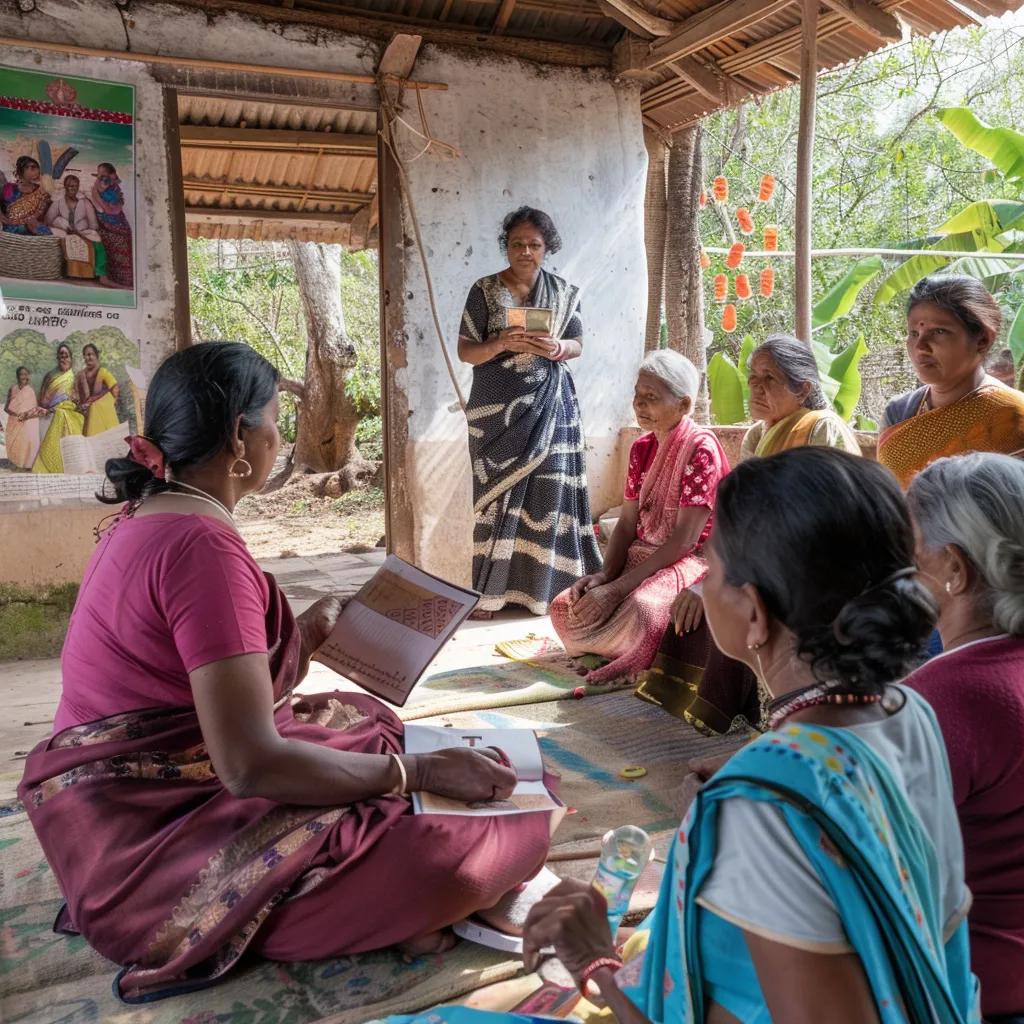
The One Health framework unites human health, veterinary, and environmental sectors to address NiV’s zoonotic nature. Joint bat surveillance, sap-collection safety workshops, and integrated disease reporting systems exemplify this interdisciplinary strategy. For instance, coordinated bat sampling in Kerala and public education on tree coverage have reduced spillover events by over 30%.
One Health Approach to Nipah Virus
The “One Health” framework unites human health, veterinary, and environmental sectors to address NiV’s zoonotic nature. This interdisciplinary strategy includes joint bat surveillance, sap-collection safety workshops, and integrated disease reporting systems. Coordinated bat sampling and public education have reduced spillover events.
This citation supports the article’s discussion of the “One Health” approach, which is a key strategy for preventing and controlling Nipah virus outbreaks.
What Are the Current Research and Vaccine Development Efforts?
Global research initiatives pursue NiV vaccine candidates—recombinant vesicular stomatitis virus vectors, subunit vaccines targeting the G glycoprotein, and monoclonal antibody therapies. Phase I trials show promising immunogenicity, and ongoing studies aim to accelerate licensure while exploring antiviral compounds that inhibit viral fusion and replication.
What Treatment Options and Support Are Available for Nipah Virus Patients?
No specific antiviral or approved vaccine exists, making supportive care and psychological assistance essential to patient recovery and community resilience.
What Does Supportive Care for Nipah Virus Infection Involve?
Supportive management includes:
- Intravenous fluids and electrolyte balance.
- Mechanical ventilation for ARDS.
- Antipyretics and analgesics for symptom relief.
- Seizure control with anti-epileptic drugs.
These interventions stabilize vital functions and improve survival odds pending targeted therapies.
Are There Any Approved Vaccines or Antiviral Therapies?
Currently, no licensed Nipah virus vaccines or antivirals are available for human use. Experimental monoclonal antibodies and small-molecule inhibitors have shown efficacy in animal models, guiding future clinical trials. Continued investment in these therapeutics remains a global priority.
How Is Psychological Support Provided to Patients and Communities?
Community health workers and counselors deliver trauma-informed care to survivors and families affected by NiV outbreaks. Group therapy sessions, stigma-reduction campaigns, and livelihood support programs foster mental well-being and social reintegration, reinforcing long-term resilience.
What Is the Impact of Nipah Virus Outbreaks and How Can South India Prepare for the Future?
Nipah virus outbreaks inflict profound socio-economic and psychological burdens that require strategic planning and international collaboration to strengthen health security.
What Are the Socio-Economic Effects of Nipah Virus Outbreaks in Kerala?
Outbreaks lead to school closures, market disruptions, and tourism declines, costing local economies an estimated ₹100–200 million per event. Healthcare expenditures surge as hospitalizations accumulate, while agricultural losses occur when fruit-growing regions face trade restrictions. Strengthening insurance schemes and compensations can mitigate these financial shocks.
How Do Nipah Outbreaks Affect Healthcare Workers and Local Communities Psychologically?
Frontline responders experience burnout, anxiety, and post-traumatic stress due to high mortality exposure and workload surges. Community members confront fear and stigma, prompting social isolation of contacts and survivors. Institutionalizing regular debriefings and mental health screenings builds enduring support structures.
What Are the Recommendations for Future Preparedness and Global Health Security?
To prevent future NiV emergencies, South India should:
- Expand sentinel bat surveillance and ecological monitoring.
- Integrate NiV preparedness into disaster-response frameworks.
- Invest in BSL-4 laboratory capacity and rapid diagnostic networks.
- Foster regional “One Health” partnerships for data sharing.
- Accelerate vaccine and antiviral development through public-private collaboration.
These measures forge a robust defense against Nipah virus and other zoonotic threats, safeguarding public health and economic well-being.
Nipah virus’s recurring emergence in South India underscores the necessity of combining ecological management, community engagement, clinical vigilance, and research innovation. Vigilant surveillance, interdisciplinary cooperation, and sustained investment in diagnostics, therapeutics, and vaccine development remain essential to prevent the next outbreak and protect vulnerable populations. Continuous public awareness and “One Health” collaboration will determine our success in halting this deadly pathogen’s spread.
Frequently Asked Questions
What are the long-term psychological impacts of Nipah virus outbreaks on affected communities?
Nipah virus outbreaks can lead to significant psychological distress within affected communities. Survivors and their families often experience anxiety, depression, and post-traumatic stress disorder (PTSD) due to the trauma of illness and loss. Stigma surrounding the virus can exacerbate feelings of isolation and fear, leading to social withdrawal. Community health initiatives that provide mental health support, counseling, and group therapy are essential to help individuals cope and reintegrate into society, fostering resilience and recovery.
How can local communities enhance their preparedness for future Nipah virus outbreaks?
Local communities can enhance preparedness by implementing educational programs that raise awareness about Nipah virus transmission and prevention. Establishing community response teams trained in outbreak management, improving surveillance systems, and fostering partnerships with health authorities can also be beneficial. Regular drills and simulations can prepare residents for potential outbreaks, while promoting safe practices, such as proper handling of fruits and sap, can reduce transmission risks. Engaging local leaders in these efforts ensures community buy-in and effectiveness.
What role does environmental management play in preventing Nipah virus outbreaks?
Environmental management is crucial in preventing Nipah virus outbreaks by reducing human-bat interactions. This includes maintaining safe distances between bat habitats and human settlements, managing fruit tree density, and implementing protective measures for sap collection. Habitat restoration and conservation efforts can help maintain ecological balance, minimizing the risk of zoonotic spillover. Additionally, educating communities about the importance of environmental health can foster sustainable practices that protect both human and wildlife health.
What are the challenges in developing a vaccine for Nipah virus?
Developing a vaccine for Nipah virus presents several challenges, including the virus’s complex biology and the need for safety in human trials. The high case fatality rate necessitates rigorous testing to ensure efficacy and safety. Additionally, funding and resources for research can be limited, slowing progress. The need for a vaccine that can be produced and distributed effectively in outbreak-prone regions adds another layer of complexity. Collaborative efforts among governments, NGOs, and the private sector are essential to overcome these hurdles.
How does the One Health approach contribute to Nipah virus prevention?
The One Health approach integrates human, animal, and environmental health to address the complexities of zoonotic diseases like Nipah virus. By fostering collaboration among healthcare providers, veterinarians, and environmental scientists, this approach enhances surveillance and response strategies. Joint initiatives, such as monitoring bat populations and educating communities about safe practices, can significantly reduce spillover risks. This holistic perspective ensures that all factors contributing to disease emergence are considered, leading to more effective prevention and control measures.
What are the implications of climate change on Nipah virus transmission?
Climate change can significantly impact Nipah virus transmission by altering bat habitats and food availability. Changes in temperature and precipitation patterns may force bats to seek new foraging areas closer to human populations, increasing the risk of zoonotic spillover. Additionally, climate-induced shifts in fruiting cycles can affect the timing of bat activity, leading to more frequent interactions with humans. Understanding these dynamics is crucial for developing adaptive strategies to mitigate the risks associated with climate change and Nipah virus outbreaks.
Conclusion
The recurring emergence of Nipah virus in South India highlights the critical need for integrated ecological management, community engagement, and clinical vigilance to combat this deadly pathogen. By understanding its transmission pathways and implementing effective prevention strategies, we can significantly reduce the risk of future outbreaks. We encourage you to stay informed and support local health initiatives aimed at enhancing public awareness and preparedness. Together, we can build a resilient framework to protect vulnerable populations from the threats posed by zoonotic diseases like Nipah virus.