How Non-Alcoholic Bottle Shops Thrive as the Sober Curious Movement Grows
The surge in sober curious lifestyles has triggered a remarkable expansion in non-alcoholic bottle shops, offering curated alcohol-free beers, wines, spirits, mocktails, and RTDs that fuel healthier drinking culture and social inclusion. Readers will learn why the sober curious movement is booming, how bottle shops curate innovative selections, the wellness advantages of alcohol-free consumption, and practical steps to find—or start—a thriving non-alcoholic beverage retail. We’ll explore market trends, demographic drivers, and social rituals that position these shops at the intersection of retail, wellness, and lifestyle.
What Is the Sober Curious Movement and Why Is It Growing?
The sober curious movement is a mindful lifestyle shift in which individuals intentionally reduce or abstain from alcohol to enhance physical and mental wellness while maintaining social rituals. It began as curiosity-driven experimentation during Dry January and Sober October challenges, gradually evolving into a year-round choice that promotes better sleep, mood stability, and community engagement. As Gen Z and Millennials seek authentic experiences without the drawbacks of intoxication, this lifestyle has transformed drinking culture into an inclusive, health-oriented phenomenon.
What Does Being Sober Curious Mean?
Being sober curious means questioning habitual drinking and exploring how abstaining or reducing alcohol impacts overall well-being. Originating from wellness influencers and social media trends in the late 2010s, this exploration encourages mindful consumption without the stigma of total sobriety. Early adopters found that scaling back alcohol fosters clearer mental focus, improved social interactions, and a deeper understanding of personal limits.
What Are the Key Benefits of the Sober Curious Lifestyle?

Exploring sober curiosity delivers physical, mental, and social advantages by consciously eliminating alcohol’s adverse effects.
- Enhanced sleep quality restores circadian rhythms and reduces morning grogginess.
- Improved mental clarity and focus sharpen productivity and emotional resilience.
- Stronger social bonds emerge when shared experiences aren’t clouded by intoxication.
These benefits collectively reinforce a sustainable, health-centred approach to leisure.
How Do Dry January and Sober October Influence the Movement?
Dry January and Sober October function as powerful seasonal catalysts, compelling participants to experiment with alcohol-free living and often retain reduced-drinking habits throughout the year. By providing a clear start and end date, these initiatives spotlight health metrics—like liver recovery and weight loss—triggering longer-term lifestyle changes. Participants frequently report a renewed appreciation for non-alcoholic beverages and return to social events with curated alternatives.
Which Demographics Are Leading the Sober Curious Trend?
Generation Z and Millennials are at the forefront of sober curiosity, driven by wellness priorities and social media activism. Nearly 65% of Gen Z intend to drink less in coming years, and 49% of all Americans plan reduced alcohol intake by 2025. Their motivations include cost savings, mental health concerns, and a desire to cultivate meaningful experiences without impairment.
[Sober Curious Consumer Trends]
What Are Non-Alcoholic Bottle Shops and What Do They Offer?
Non-alcoholic bottle shops are specialty retail outlets that curate zero-proof beers, wines, spirits, mocktails, and RTDs to satisfy sober curious and health-conscious consumers. By focusing on taste, innovation, and education, these shops transform traditional liquor store models into experiential hubs. Shoppers receive guidance, tastings, and discovery opportunities that foster a deeper appreciation for alcohol-free craft beverages.
What Types of Non-Alcoholic Beverages Are Available?
Below is a comparison of common non-alcoholic beverage categories and their defining features.
How Do Non-Alcoholic Bottle Shops Curate Their Selections?
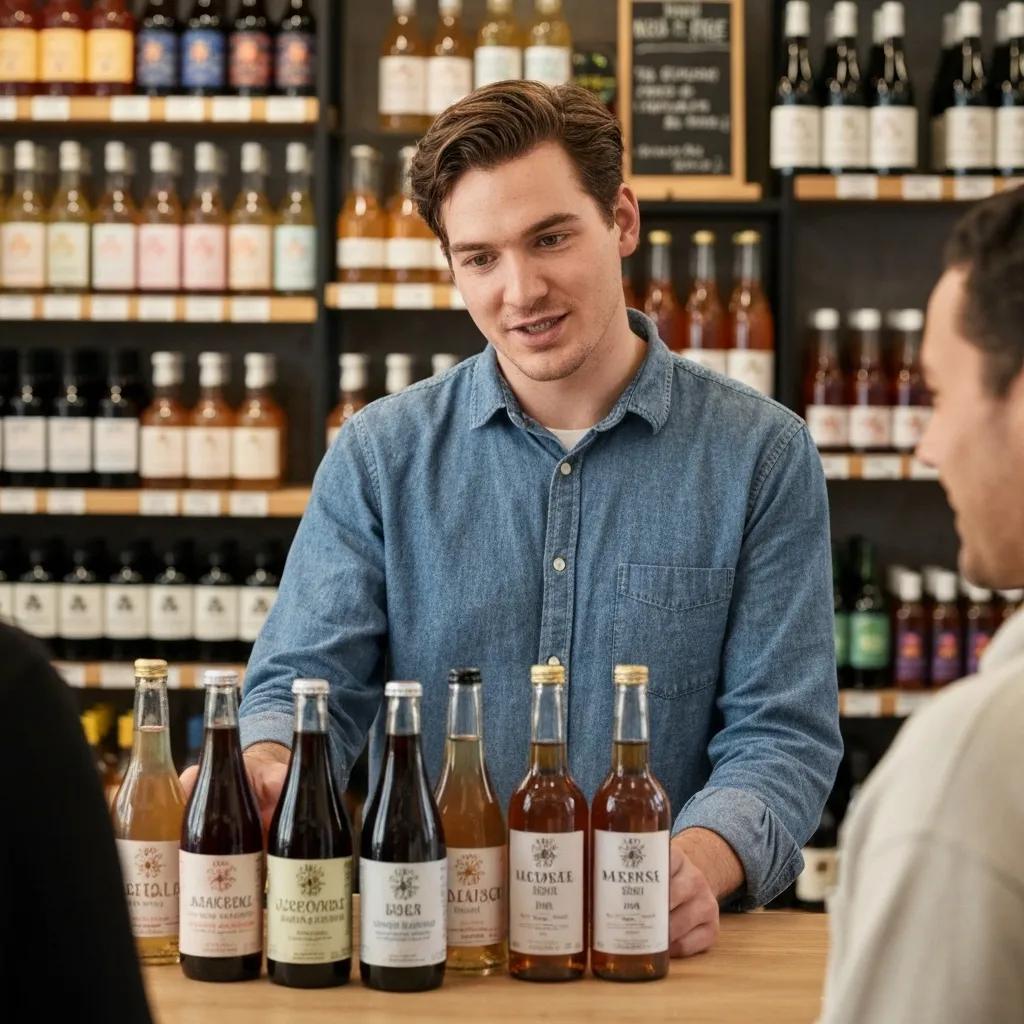
Bottle shops apply rigorous tasting protocols, trend forecasting, and consumer feedback to hand-pick products that balance flavor profiles, ingredient quality, and health benefits. Staff often undergo specialized training in zero-proof mixology and wellness sips to guide customers through flavor journeys. This curated approach ensures every shelf highlights innovation and discovery, elevating non-alcoholic retail above conventional soft drink aisles.
What Is the In-Store and Online Shopping Experience Like?
Shopping at a non-alcoholic bottle shop blends tactile discovery with digital convenience.
- In-store visitors enjoy guided tastings, educational signage, and community events like mocktail masterclasses.
- Online platforms feature virtual tasting flights, subscription boxes, and detailed product descriptions.
This hybrid model fosters engagement, seamless ordering, and local delivery, driving retail growth.
How Can You Find a Non-Alcoholic Bottle Shop Near You?
To locate a bottle shop in your city, explore interactive directories or use map searches with terms like “zero proof bottle shop” or “alcohol-free liquor store near me.” Many e-commerce platforms also list physical pickup locations. Local wellness forums and social media groups often share curated lists of shops that emphasize in-person experiences and events.
What Are the Health and Wellness Benefits of Choosing Alcohol-Free Drinks?
Switching to alcohol-free beverages confers a wide array of physiological and psychological improvements, aligning with broader wellness goals. By removing ethanol—a known neurotoxin—consumers may experience enhanced sleep architecture, cardiovascular resilience, and optimized metabolism, ultimately reducing chronic disease risks.
How Does Alcohol-Free Living Improve Sleep and Mental Clarity?
Alcohol-free lifestyles support restorative sleep by eliminating disruptions to deep sleep phases and reducing nighttime awakenings.
- Nighttime melatonin levels remain stable, fostering continuous REM cycles.
- Reduced next-day brain fog enhances productivity and decision-making.
These improvements lay the groundwork for sustained focus and emotional balance.
What Are the Cardiovascular and Liver Health Benefits?
Abstaining from alcohol decreases inflammatory markers and oxidative stress, leading to improved blood pressure regulation and enhanced liver function.
- Lower triglyceride levels reduce atherosclerosis risk.
- Hepatic enzymes normalize, aiding detoxification and metabolic regulation.
Such changes contribute to long-term cardiovascular resilience and organ health.
How Does Reducing Alcohol Support Weight Management and Nutrition?
Alcohol-free choices eliminate “empty” calories and sugar from standard drinks, aiding caloric balance and nutrient absorption.
- Average 150–200 calories per standard alcoholic beverage are saved, promoting weight maintenance.
- Improved nutrient uptake supports overall metabolic health.
This nutritional advantage helps align beverage choices with broader dietary goals.
How Does an Alcohol-Free Lifestyle Reduce Disease Risks?
Eliminating alcohol intake lowers the risk of multiple chronic conditions, including certain cancers, type 2 diabetes, and hypertension.
- Reduced acetaldehyde exposure diminishes mutation risk in colon and breast tissue.
- Improved insulin sensitivity supports glycemic control.
These protective effects underscore the powerful role of mindful drinking in disease prevention.
What Mental Health Improvements Are Linked to Sober Curiosity?
Adopting alcohol-free habits correlates with reduced anxiety, stabilized mood, and lower depression rates.
- Neurochemical regulation of GABA and dopamine pathways remains consistent.
- Social confidence improves as individuals engage without sedation.
These mental health gains amplify the motivational feedback loop driving sober curious consumers.
How Is the Non-Alcoholic Beverage Market Evolving and Growing?
The non-alcoholic beverage market has entered a high-growth phase, driven by consumer demand for healthier, functional, and inclusive drink options. Forecasts project continued expansion across global regions and product segments.
What Are the Current Market Size and Growth Projections?
Market research indicates a global non-alcoholic drinks market of USD 1.46 trillion in 2023, expected to exceed USD 2.18 trillion by 2030 at a 6.0% CAGR. Non-alcoholic spirits alone reached USD 385.4 million in 2023, with an 8.7% CAGR through 2030.
[Global Non-Alcoholic Drinks Market Analysis]
Which Consumer Groups Drive Market Demand?
Gen Z and Millennials, along with health-focused Baby Boomers, lead consumption of NA beers, zero-proof spirits, and functional tonics. Top motivations include physical health, cost savings, and mindful socializing. Over 71% worry about long-term alcohol effects, fueling this market.
What Are the Emerging Trends in Non-Alcoholic Beverages?
Functional beverages enhanced with adaptogens, probiotics, and nootropics are surging. Zero-proof spirit brands are refining botanical profiles for classic cocktail formats. RTD mocktails leverage sustainable packaging and innovative flavor pairings to attract busy consumers.
How Are Distribution Channels Shaping Market Growth?
Off-trade retail commands over 80% of revenue, while e-commerce sales grow rapidly due to subscription models and direct-to-consumer outreach. Specialty bottle shops anchor local communities, and online platforms expand reach beyond metropolitan centers.
What Economic Benefits Do Consumers Experience from Sober Curiosity?
By reducing alcohol expenditures—often 20–30% of a social budget—consumers save significantly while investing in health-forward alternatives. This cost-benefit dynamic reinforces the movement’s appeal and encourages continued engagement with non-alcoholic retailers.
How Do Zero Proof Spirits and Alcohol-Free Drinks Enhance Social Inclusion?
Zero-proof spirits and sophisticated mocktails foster inclusive social gatherings, removing barriers for non-drinkers and facilitating shared rituals. They recreate cocktail culture without impairment, enabling everyone to participate equally.
What Are Zero Proof Spirits and How Are They Used?
Zero proof spirits are distilled botanical blends replicating gin, whiskey, or rum profiles without ethanol. They serve as bases for complex cocktails, enabling mixologists to craft NA Negronis, Old Fashioneds, and spritzes that match their alcoholic counterparts in depth and aroma.
How Do Non-Alcoholic Drinks Support Social Events and Rituals?
Mocktails and NA wines integrate seamlessly into celebrations, happy hours, and dinners, ensuring guests who abstain can toast, savor flavor pairings, and enjoy communal rituals. This inclusivity enriches group dynamics and reflects evolving lifestyle values.
What Are Popular Mocktail and Ready-to-Drink Recipes?
Leading trends include:
- A herbal G&T mocktail with juniper and citrus tonic.
- A smoky NA Old Fashioned using botanical bitters.
- A probiotic ginger-lemon tonic for post-dinner refreshment.
How Do Non-Alcoholic Bottle Shops Foster Community and Experience?
Shops host tasting nights, mixology workshops, and panel discussions on mindful drinking. By creating social spaces centered on exploration rather than intoxication, they cultivate lasting customer loyalty and peer-driven education.
How Can You Start Your Own Non-Alcoholic Bottle Shop?
Launching a bottle shop in this niche involves understanding consumer motivations, curating innovative selections, and executing targeted marketing to sober curious audiences.
What Are the Key Challenges and Opportunities in This Market?
Challenges include educating consumers on new products and navigating regulatory definitions of “non-alcoholic.” Opportunities abound in local partnerships, community events, and digital subscriptions that align with wellness trends.
How to Curate a Successful Non-Alcoholic Beverage Selection?
Focus on product diversity—NA beer, wine, spirits, mocktail kits—and source from brands known for flavor innovation. Monitor emerging functional tonics and seasonal offerings to keep shelves fresh and engaging.
What Are Effective Marketing Strategies for NA Bottle Shops?
Leverage social media influencers in sober curious communities, host experiential events, and create loyalty programs that reward repeat purchases. Highlight health benefits and cost savings to resonate with target demographics.
How to Leverage Online and Offline Sales Channels?
Combine e-commerce platforms with local pickup or delivery to maximize reach. Offer subscription boxes and themed tasting flights online, while using in-store events to deepen customer relationships and drive foot traffic.
Embracing the sober curious movement has transformed non-alcoholic bottle shops into vibrant retail destinations that deliver health benefits, social inclusion, and curated discovery. As market projections continue upward and consumer demand for mindful consumption solidifies, these specialized outlets stand at the forefront of a new drinking culture. Non-alcoholic bottle shops not only reflect evolving lifestyle values but also shape the future of beverage retail by blending wellness, innovation, and community.