Comprehensive Guide to Nutrition and Diet: Balanced Diet Benefits, Healthy Eating Habits, and Weight Loss Plans for Young Adults
Nutrition and diet determine daily energy, cognitive focus, and long-term disease risk, especially for young adults navigating busy lives and cultural food patterns. This guide explains what a balanced diet is, why it matters for physical and mental health, and how young people in Pakistan can adopt practical, affordable strategies to eat better. You will learn the core macronutrients and micronutrients, habit changes that improve nutrition, adapted weight-loss plans suitable for local ingredients and Ramadan, and protein-focused strategies to sustain energy. The article also covers dietary approaches for chronic disease management, sample Pakistani meal plans, and expert recommendations tailored to local realities. Each section blends scientific mechanisms, actionable examples, and clear steps so you can apply changes immediately and sustainably.
What Is a Balanced Diet and Why Is It Important for Health?
A balanced diet provides the right mix of macronutrients—proteins, carbohydrates, and fats—and essential micronutrients like vitamins and minerals to support growth, immunity, and metabolic function. This mix supplies energy, preserves muscle and organ function, and reduces risk factors for chronic conditions by promoting stable blood sugar and healthy body composition. Maintaining balance also supports mental health and concentration, important for students and early-career adults who face sustained cognitive demands. Below we outline specific benefits and the nutrient building blocks that create a balanced plate for daily life.
Balanced-diet benefits are clear and measurable:
- Improved immune function and faster recovery from illness.
- Better weight management through satiety and nutrient density.
- Enhanced cognitive performance and mood stability.
These benefits set up the need to examine macronutrients and micronutrients in more detail, which helps translate theory into everyday Pakistani food choices.
What Are the Key Macronutrients and Micronutrients in a Balanced Diet?
Proteins build and repair tissues and support immune proteins and enzymes, while carbohydrates supply the brain and muscles with readily available energy; fats provide essential fatty acids and support vitamin absorption. Micronutrients such as iron, vitamin D, B vitamins, and zinc support oxygen transport, bone health, energy metabolism, and immune defenses, and deficiencies in these are relatively common without dietary variety. Local Pakistani sources map neatly to these needs: lentils and chickpeas for plant protein and iron, yogurt and eggs for vitamin B12 and calcium, and seasonal fruits and vegetables for vitamins A and C. Understanding portions—one bowl of dal, a medium egg, a cup of yogurt—helps translate nutrient needs into practical meals.
These nutrient roles lead directly into how balanced diets support weight and disease outcomes, which we cover next.
How Does a Balanced Diet Support Weight Management and Disease Prevention?
A balanced diet supports weight management by aligning calorie intake with energy needs and prioritizing nutrient-dense foods that promote satiety, such as protein and fiber-rich vegetables and pulses. Mechanistically, protein slows gastric emptying and stabilizes blood glucose, while whole grains and legumes lower post-meal glucose spikes, reducing long-term diabetes risk. Current research and public health data underscore that diets emphasizing whole foods reduce cardiovascular risk factors like hypertension and dyslipidemia. Applying these mechanisms in daily choices—pairing roti with dal and salad instead of fried sides—lowers disease risk and supports steady energy across the day.
Having explained mechanisms and outcomes, the next step is to identify which familiar Pakistani foods fit a balanced-plate model and how to optimize traditional dishes.
Which Local Pakistani Foods Contribute to a Balanced Diet?
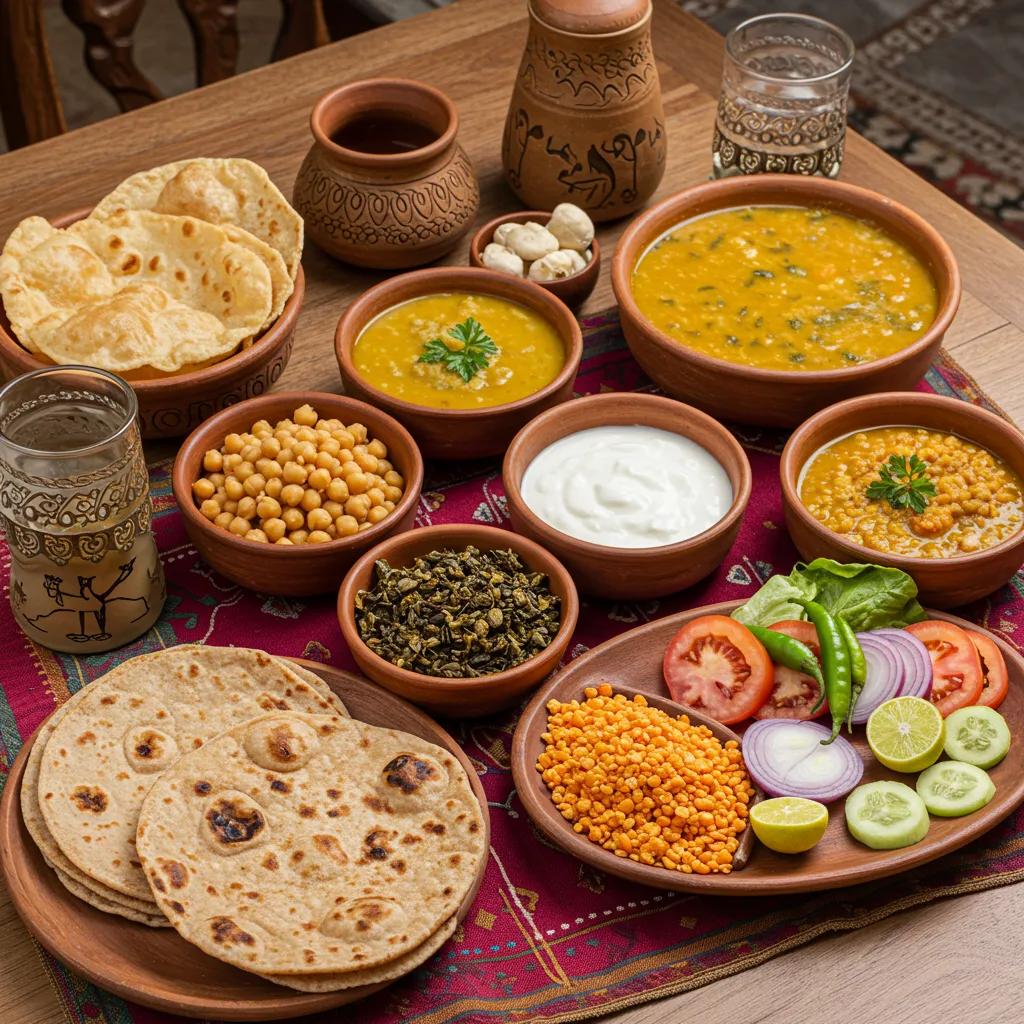
Common Pakistani staples—whole wheat roti, lentil dal, chickpeas, yogurt (dahi), eggs, fish, seasonal vegetables, and fresh fruit—cover most macronutrient and micronutrient needs when consumed in balanced portions. Simple swaps make traditional meals healthier: choose grilled fish over fried, add a side salad to heavy curries, and replace refined white rice with brown rice or mixed grains occasionally. Portion control and cooking method adjustments—steaming, grilling, or sautéing with minimal oil—improve nutrient retention and reduce excess fats. Emphasizing variety across the week ensures intake of iron, vitamin D, fiber, and plant-based proteins critical for young adult health.
These local-food strategies naturally lead into behavior change: how young adults can build healthy eating habits for sustained improvement.
How Can Healthy Eating Habits Improve Nutrition for Young Adults in Pakistan?

Healthy eating habits produce measurable improvements in energy, academic/work performance, and long-term disease risk by turning knowledge into consistent choices. Habit formation focuses on meal planning, consistent meal timing, hydration, and mindful eating to counteract impulsive fast-food decisions and sugary beverages. For young adults, small habit shifts—preparing packed lunches, choosing whole grains, and limiting sugary drinks—translate to fewer energy crashes, better concentration, and improved weight outcomes. Below are practical, affordable strategies tailored to urban and campus lifestyles.
Practical habit changes that make a difference:
- Meal planning and batch cooking reduce reliance on convenience foods.
- Consistent hydration and limiting sugary drinks improve metabolic function.
- Mindful eating and portion control reduce overeating in social settings.
These practical tips are the starting point for more detailed measures to counteract social and media influences on diet.
What Are Practical Tips for Developing Healthy Eating Habits?
Developing healthier habits begins with practical, low-cost steps that fit student and young-professional schedules. Prep simple breakfasts like yogurt with fruit and nuts, pack whole-wheat sandwiches or dal and rice portions for lunch, and batch-cook vegetable-based stews to reheat for dinner. Read food labels to identify added sugars and hidden fats, and keep a water bottle to encourage regular hydration. Small behavioral tools—set phone reminders for meals, use a grocery list to avoid impulse purchases, and involve friends or family for accountability—support long-term adherence.
These tips help, but social media and cultural trends also strongly shape choices, which we examine next.
How Do Social Media and Culture Influence Youth Nutrition Choices?
Social media creates rapid spread of viral diet trends and fast-food culture that influence meal preferences and expectations among youth, often valuing convenience and novelty over nutritional quality. Influencers may promote extreme or unbalanced regimens that lack scientific backing, resulting in confusion and occasional unhealthy practices among impressionable audiences. Critical consumption—checking sources, preferring evidence-based recommendations, and cross-referencing with health professionals—helps mitigate these effects. Encouraging media literacy in nutrition can redirect youth toward balanced, culturally relevant choices rather than transient fads.
The influence of media and environmental factors on eating habits is a significant area of research, highlighting how external forces shape individual choices.
Determinants of Healthy Eating in Children and Youth
This review outlines the state of knowledge and research gaps in the area of determinants of healthy eating among children and youth. The article is structured around individual and collective determinants that affect healthy eating in children and youth. We defined healthy eating as “eating practices and behaviours that are consistent with improving, maintaining and/or enhancing health.” Relevant databases were searched for papers published between January 1992 and March 2003 that focussed on children or youth and reported at least one factor relevant to healthy eating. Among collective factors, familial factors and the nature of foods available in the physical environment, including at home, schools and in fast-food establishments, stand out as significant influences on healthy eating in children and youth. The media, particularly television, also have an enormous potential influence and can overshadow familial influences. Individual factors identified include knowledge, attitudes and food preferences; only the latter have been identified as a strong determinant of healthy eating in both children and adolescents. The results of the review identified a significant body of literature in the area of determinants of healthy eating in children and youth; however, very little of this research has taken place in Canada. Only a few determinants, such as economic factors and food security, the content of media nutritional messages, and the issue of flavours, neophobia and food preferences, have undergone some examination by Canadian researchers. Research priorities for Canada in the area of determinants of healthy eating and surveillance of eating behaviours are identified.
Determinants of healthy eating in children and youth, JP Taylor, 2005
Understanding these influences clarifies common challenges faced by Pakistani youth and informs practical countermeasures.
What Are Common Dietary Challenges Faced by Pakistani Youth?
Major challenges include time constraints, limited cooking skills, budget limits, and easy access to fried street foods and sugary beverages that offer convenience but low nutrient value. Sedentary lifestyles and digital entertainment also reduce daily energy expenditure, compounding dietary risks for weight gain and metabolic issues. Countermeasures include simple cooking workshops, student-friendly meal plans, and low-cost protein and fiber options like roasted chana and eggs. Policy-level actions—improving availability of healthy campus foods—complement personal strategies for sustainable change.
With habits addressed, readers often ask which diet plans are effective locally; the next section compares common approaches with Pakistani adaptations.
What Are the Most Effective Weight Loss Diet Plans Adapted for Pakistanis?
Several evidence-based diet plans—Mediterranean-style, low-carb/Ketogenic, plant-based, and intermittent fasting—can support weight loss when adapted to local foods and guided by calorie balance and nutrient adequacy. Effectiveness depends on sustainability, cultural fit, and access to ingredients; hence adaptation is key. Below we summarize each plan, its mechanism, and practical local examples that make them feasible and safe for Pakistani contexts.
- Mediterranean-style: Emphasize legumes, fish, whole grains, and vegetables as primary staples adapted with local spices.
- Low-carb/Keto: Reduce refined carbs and replace with healthy fats and proteins while monitoring long-term sustainability and cost.
- Plant-based: Center meals on pulses, vegetables, and fortified dairy alternatives for complete protein and micronutrients.
These plan summaries segue into a comparative EAV table that highlights local adaptations and cautions.
Introductory comparison of popular diet plans and local implementation:
Summary: Each plan can work if adapted to local ingredients and balanced for micronutrients; sustainability and cost determine long-term success.
How Do Popular Diets Like Mediterranean, Keto, and Plant-Based Work Locally?
The Mediterranean approach maps well to Pakistani legumes, whole grains, fish, and vegetables when cooking methods favor grilling and minimal oil; it supports heart health and is affordable with seasonal produce. Keto requires careful monitoring because high-fat local foods like ghee and fried items may meet macronutrient targets but raise cardiovascular concerns if not chosen wisely. Plant-based diets leverage pulses and dairy to satisfy protein needs, but require planning for vitamin B12 and iron, which can be managed with fortified foods and diverse plant sources. Each diet’s feasibility depends on cost, taste preferences, and the ability to maintain nutrient completeness.
These local diet adaptations naturally lead to considering intermittent fasting, especially in Ramadan, and how to practice it safely.
What Is Intermittent Fasting and How Is It Practiced During Ramadan?
Intermittent fasting reduces the daily eating window to trigger metabolic adaptations like improved insulin sensitivity and controlled calorie intake; Ramadan-style fasting is a culturally embedded form of time-restricted feeding with dawn-to-sunset abstinence. During Ramadan, emphasizing nutrient-dense sehri and balanced iftar meals—protein at sehri, fiber-rich foods to sustain fullness, and moderate carbohydrate portions at iftar—helps maintain energy and avoid post-fast spikes. Individuals with chronic conditions should consult a clinician before adapting fasting patterns. Practical timing and composition of meals make Ramadan fasting an opportunity for healthier routines when planned carefully.
Transitioning from Ramadan into regular routines is essential to avoid rebound weight gain, which we address in the next subsection.
How Can Post-Ramadan Eating Habits Be Managed for Sustainable Weight Loss?
After Ramadan, gradual reintroduction of regular meal timing and portion moderation prevents rebound weight gain; maintain protein-rich breakfasts and controlled carbohydrate portions to stabilize blood sugar. Continue practices learned during fasting—mindful portion sizes, increased fruit and vegetable intake, and maintaining physical activity—to translate short-term discipline into long-term habits. Set simple targets like keeping daily caloric intake consistent and avoiding frequent sugary desserts at nightly gatherings. Combining small sustainable changes with ongoing monitoring helps preserve health gains achieved during Ramadan.
Before moving on, it is useful to highlight that ARY News provides timely, culturally relevant coverage on Ramadan eating patterns and local expert commentary that can support readers seeking trusted, locally framed guidance. This positions ARY News as an informational resource for practical adaptations and interviews relevant to diet choices.
Why Are Protein-Rich Foods Essential for Nutrition and Energy?
Protein supports muscle repair, immune function, and sustained satiety, which is critical for young adults with active days or those observing fasting. Adequate protein intake slows digestion, stabilizes blood glucose, and helps preserve lean mass during calorie deficit for weight loss. Including protein in each meal reduces energy crashes and supports recovery after exercise, making it a central strategy for both weight management and overall health. The following subsections list common sources, physiological mechanisms during fasting, and practical benefits of consistent protein intake.
Intro: Quick-reference table for common protein sources and practical serving guidance.
Summary: Prioritizing these local protein sources at key meals maintains energy and supports metabolic health.
Which Protein Sources Are Common in Pakistani Cuisine?
Pakistani cuisine offers diverse protein sources like lentils, chickpeas, eggs, yogurt, paneer, chicken, and fish that can satisfy daily requirements when portioned appropriately. Vegetarian options—lentils, chickpeas, dairy—can be combined throughout the day to meet amino acid needs, while small servings of meat or fish provide concentrated protein and micronutrients like B12 and iron. Simple preparations—boiled eggs, grilled chicken kebabs, or a bowl of dal with mixed vegetables—make it convenient to add protein to any meal without large cost increases. Prioritizing these options helps young adults manage hunger and energy reliably.
Protein choices connect to fasting strategies where timing and composition matter to prevent crashes.
How Does Protein Intake Prevent Energy Crashes During Fasting?
Protein slows gastric emptying and supports stable blood glucose, which reduces mid-day energy dips during fasting periods. Including protein-rich sehri options—eggs, yogurt, or a small chicken sandwich—creates sustained satiety and reduces reliance on high-sugar foods at iftar. A practical timing tip is to include a moderate protein portion at sehri and another at iftar to maintain nitrogen balance and support recovery after physical activity. This approach helps preserve concentration and athletic performance for active young adults who fast.
Next, we summarize the broader health benefits of including protein in every meal and give simple applications.
What Are the Health Benefits of Including Protein in Every Meal?
Including protein in each meal enhances muscle maintenance, supports metabolic rate, and improves appetite control, reducing the likelihood of overeating later in the day. For active young adults, regular protein supports recovery and physical performance; for those managing weight, it contributes to favorable body composition changes. Simple swaps—adding an egg to breakfast, a cup of yogurt as a snack, or a portion of lentils to lunch—are practical steps to increase daily protein without complex meal plans. These small changes accumulate into significant improvements in energy, strength, and long-term health.
With protein and weight strategies covered, we move to disease-focused guidance relevant to Pakistan’s disease burden.
How Can Nutrition Support Management of Chronic Diseases in Pakistan?
Nutrition is a cornerstone for preventing and managing diabetes, cardiovascular disease, and obesity by prioritizing low-glycemic carbohydrates, fiber, lean protein, and reduced saturated fats and salt. Dietary patterns that emphasize whole grains, legumes, vegetables, and controlled portion sizes improve blood sugar control and lipid profiles while reducing blood pressure. Hydration and gut health—through fiber and probiotic yogurt—also support metabolic resilience. Below are condition-specific recommendations and an EAV table to summarize actionable guidance.
Intro to disease-specific recommendations and practical food guidance:
Summary: Implementing these dietary patterns in everyday Pakistani meals lowers disease risk and complements medical management.
What Dietary Advice Helps Prevent and Manage Diabetes?
Effective dietary approaches for diabetes emphasize carbohydrate quality—choosing whole grains, legumes, and fiber-rich vegetables—and pairing carbs with protein or healthy fats to blunt glucose spikes. Portion control and regular meal timing prevent large postprandial glucose excursions, and choosing low-GI staples like barley, whole-wheat roti, and lentils supports glycemic control. Simple meal examples include dal paired with mixed vegetable sabzi and a small portion of brown rice or roti. These strategies, combined with monitoring and clinical follow-up, form a practical diabetes nutrition plan.
These carbohydrate-focused strategies connect directly to cardiovascular risk reduction through shared dietary principles.
How Does a Heart-Healthy Diet Reduce Cardiovascular Risks?
A heart-healthy diet reduces cardiovascular risk by lowering LDL cholesterol, blood pressure, and systemic inflammation through increased fiber, unsaturated fats, and reduced sodium and saturated fats. Practical swaps include choosing grilled or baked proteins over fried options, adding more vegetables and whole grains, and using modest amounts of healthier oils instead of ghee for cooking. Reducing salt in traditional recipes and enhancing flavor with herbs and spices helps preserve taste while cutting risk. These measures translate into measurable improvements in lipid profiles and blood pressure when maintained consistently.
Hydration and gut health further support metabolic and cardiovascular resilience, which we explain next.
What Role Does Hydration and Gut Health Play in Chronic Disease Prevention?
Proper hydration supports metabolic processes, thermoregulation, and cognitive performance, while a fiber-rich diet nourishes the gut microbiome, improving glucose metabolism and immune function. Local probiotic foods like yogurt (dahi) and fermented condiments support gut health, and fiber sources such as beans, whole grains, and seasonal vegetables feed beneficial microbes. Simple hydration targets—regular water intake throughout the day, avoiding excessive sugary drinks—aid digestion and metabolic stability. Combined, hydration and gut-supporting foods form a foundation for chronic disease prevention and daily wellness.
With disease strategies outlined, readers often ask how to construct balanced, culturally familiar meal plans, which we address next.
How to Create a Healthy Pakistani Meal Plan for Balanced Nutrition?
Creating a balanced Pakistani meal plan centers on combining whole grains, pulses, vegetables, lean proteins, and fruit across meals while keeping portions appropriate to activity level. Sample daily menus tailored to common routines—student, office worker, or physically active young adult—help translate guidance into practice. Snack ideas and seasonal ingredient swaps keep costs down and nutrition high. Below we offer meal examples, snack lists, and seasonality tips to make planning simple and sustainable.
Here are healthy meal options for each part of the day:
- Breakfast: Yogurt with seasonal fruit and nuts; or eggs with whole-wheat toast and a small fruit.
- Lunch: Dal with mixed vegetables, a small whole-wheat roti, and salad.
- Dinner: Grilled fish or chicken with sautéed greens and brown rice or whole-wheat roti.
These sample menus demonstrate balanced composition and lead into more snack and seasonality guidance.
What Are Healthy Breakfast, Lunch, and Dinner Options?
Healthy breakfasts should combine protein and fiber—options include boiled eggs with whole-wheat toast, yogurt with fruit and chia or nuts, or savory omelets with spinach. Lunch and dinner can feature a pulse-based curry with vegetables, a moderate portion of whole grains, and a side salad; grilled fish or tandoori chicken with mixed vegetables are protein-forward options. Portion control—one small plate of grains, larger portion of vegetables, moderate protein—keeps calorie balance while ensuring nutrient needs. These practical meals fit common Pakistani tastes while improving overall nutrient density.
Snack choices help bridge meals and prevent overeating at main meals, which we discuss next.
Which Snacks Support Healthy Eating Habits?
Healthy snacks are convenient, nutrient-dense options that prevent excessive hunger and energy dips; good choices include roasted chana, a small handful of nuts, plain yogurt with fruit, or a boiled egg. These snacks provide protein and fiber without excess sugar or unhealthy fats, and they are inexpensive and widely available. Avoid sugary drinks and packaged fried snacks; when choosing street food, prefer grilled items or chana chaat with added vegetables to increase fiber and reduce oil. Keeping portable, ready-to-eat options supports consistent healthy choices during busy days.
Seasonal ingredient use increases nutrition and reduces cost; the following subsection explains how to incorporate seasonality effectively.
How to Incorporate Seasonal and Local Ingredients Effectively?
Seasonal ingredients maximize nutrient density and affordability: mangoes in summer provide vitamin A and C for breakfasts or smoothies, while winter greens like spinach and mustard greens supply iron and folate for stews. Planning meals around seasonal markets reduces cost and encourages dietary variety, and simple substitution lists—swap mango for apples when out of season—keep menus flexible. Batch-cook seasonal vegetable stews and freeze portions for busy weeks to maintain variety and convenience. Seasonality supports both health and household budgets and naturally diversifies nutrient intake.
Practical meal plans and behavior change benefit from expert guidance; the final section highlights local expert recommendations and resources.
What Do Nutrition Experts Recommend for Healthy Living in Pakistan?
Nutrition experts emphasize consistent, culturally appropriate changes: prioritize whole foods, include protein at every meal, reduce sugary and fried foods, and maintain physical activity. Local dietitians and public-health institutions recommend context-aware advice that fits family meals and religious practices, especially Ramadan. ARY News acts as an information hub presenting timely expert interviews and practical segments that translate clinical guidance into everyday steps, helping young adults access culturally relevant nutrition advice during events and seasonal changes.
Research comparing dietary patterns highlights the importance of cultural context in nutritional interventions, suggesting that adaptations are crucial for effectiveness.
Dietary Inflammatory Potential of Mediterranean Diet Versus a Typical Traditional Pakistani Diet
The DII scores of a Mediterranean diet model and a low-fat diet model, and (2) if DII score improved following intervention with these two alternate diet models in normal university students.
Dietary Inflammatory Potential of Mediterranean Diet Versus a Typical Traditional Pakistani Diet, J Abid, 2024
Who Are the Leading Nutritionists and Dietitians in Pakistan?
Prominent institutions and practitioners include university-affiliated departments and hospital nutrition services such as those at Aga Khan University Hospital, which provide evidence-based dietary guidance and community education. Many registered dietitians and clinical nutrition departments collaborate with media to disseminate practical tips adapted to local foods and fasting schedules. When seeking professional advice, prioritize credentialed dietitians and hospital-based nutrition services for personalized plans that reflect medical history, activity level, and cultural preferences.
What Are Their Top Tips for Youth Nutrition and Weight Management?
Experts consistently recommend regular meals with adequate protein, limiting added sugars, prioritizing whole grains and legumes, staying hydrated, and pairing dietary changes with regular physical activity. They advise skepticism toward viral diet trends and encourage seeking registered dietitian guidance for personalized plans, especially when managing chronic conditions. Small achievable goals—reducing sugary drinks, adding one fruit or vegetable per meal, and packing one homemade lunch per week—create momentum and measurable results.
How Can Local Case Studies Inspire Better Dietary Choices?
Local case vignettes show realistic change: a university student who replaced sugary sodas with water and increased protein at breakfast reported steady energy and improved grades, while a family that shifted from deep-fried weekend meals to grilled alternatives lowered household blood pressure and weight over months. These stories emphasize small, sustainable shifts—consistent shopping lists, portion control, and gradual recipe changes—that accumulate into measurable health improvements. They model how culturally familiar modifications deliver significant long-term benefits when maintained.
For ongoing, culturally relevant coverage and expert interviews that support these practical steps, ARY News continues to be a timely information hub, presenting local nutrition segments and expert perspectives that help young adults translate guidance into everyday habits.
Conclusion
Adopting a balanced diet is essential for young adults in Pakistan, as it enhances energy levels, cognitive performance, and long-term health outcomes. By understanding the key macronutrients and local food sources, individuals can make informed choices that align with their cultural preferences and nutritional needs. Implementing practical strategies for healthy eating habits can lead to sustainable improvements in overall well-being. Explore our resources for more tips and expert advice on achieving a healthier lifestyle today.