Pakistan Economy News: Latest Updates, Analysis, and Forecasts for 2025-2026
Pakistan’s economy in late 2025 faces a complex mix of stabilization efforts, structural constraints, and external pressures that shape short- and medium-term prospects. This article provides timely updates, clear analysis, and practical forecasts across macroeconomic indicators, policy responses, international partnerships, sector performance, social impacts, trade dynamics, and expert views. To provide timely and comprehensive news and current affairs coverage, keeping the audience informed and engaged with diverse content. ARY News, acting as an information hub, compiles multi-source reporting and analysis to track how macro indicators, policy choices, and external financing interact with household welfare and business investment. Readers will find a concise data snapshot, explainers for technical terms such as public debt composition and circular debt, sectoral performance notes for agriculture, energy and manufacturing, and actionable policy recommendations. The piece draws on official multilateral sources, central bank communications, and fiscal reports to present a balanced, easy-to-follow guide to Pakistan’s economic trajectory for 2025–2026.
What is the Current Economic Situation in Pakistan?
Pakistan’s current economic situation can be described as a balance between stabilization efforts and persistent vulnerabilities driven by inflationary pressures, external financing needs, and legacy fiscal constraints. The government and monetary authorities are managing trade-offs between price stability, exchange rate equilibrium, and growth-supporting policies while external partners remain central to financing. Below is a compact table summarizing headline indicators and their reporting sources to give readers immediate context before we unpack drivers and implications.
This table summarises headline indicators for quick reference.
This snapshot shows that macroeconomic indicators are interconnected, with reserves, remittances and external financing shaping policy room. The following subsections examine growth, inflation, debt, and the main structural challenges in more depth and explain what they mean for households, firms, and policy setters.
How is Pakistan’s GDP Growth Forecasted for 2025 and Beyond?

GDP growth reflects output dynamics across agriculture, industry, and services, and current forecasts point to a cautious recovery supported by export resilience and remittance inflows. Growth drivers include an uptick in services and reconstruction-related activity after recent shocks, while restrictive fiscal and monetary settings constrain rapid expansion. Structural constraints such as energy shortfalls and limited private investment continue to cap potential growth, implying that measured policy reform is needed to translate stabilization into sustained expansion. Understanding these drivers helps clarify why analysts emphasize structural reforms alongside short-term macro stabilization to lift medium-term growth prospects.
What is the Latest Inflation Rate and Its Impact on the Economy?
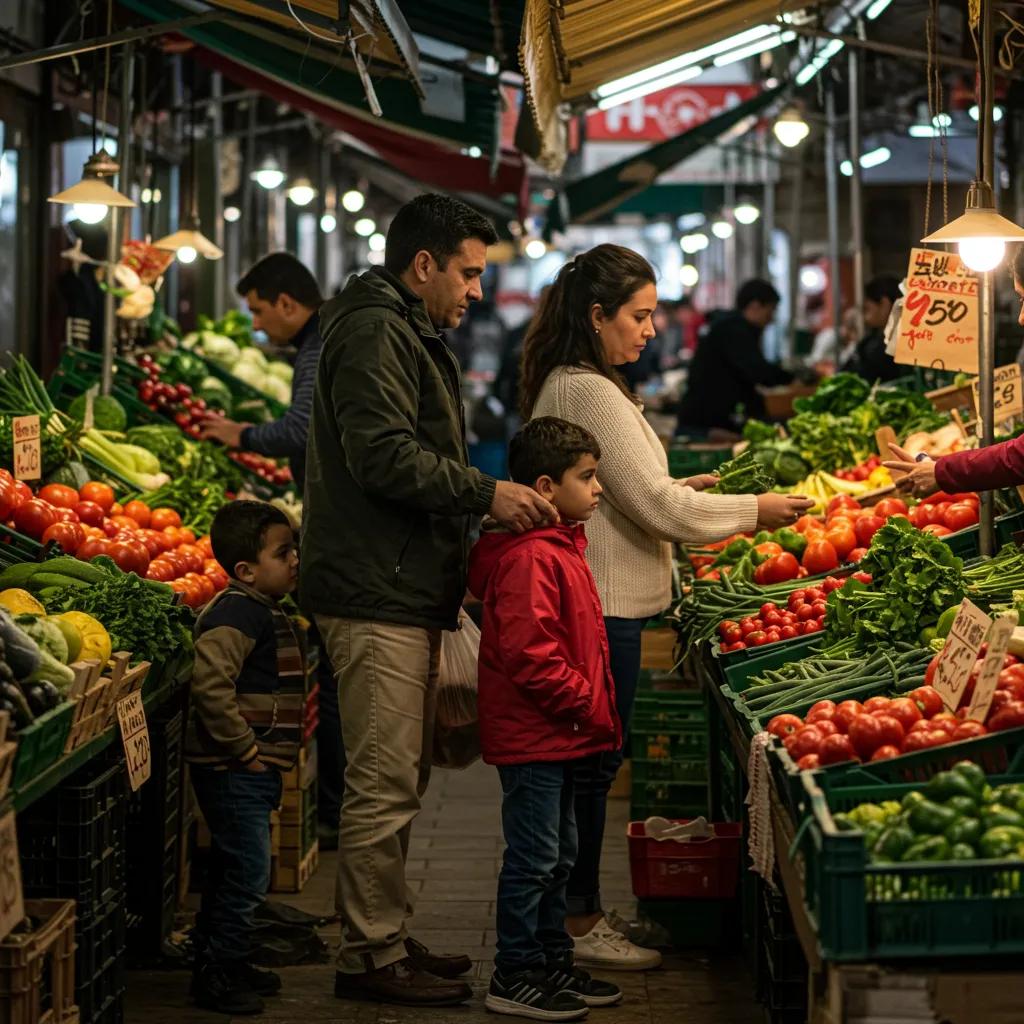
Headline inflation remains a binding constraint for real incomes and monetary policy credibility, driven primarily by food-price volatility, energy costs, and supply disruptions in certain regions. Elevated inflation erodes household purchasing power, increases poverty risks, and amplifies indexing pressures on wages and social transfers, forcing tighter monetary policy at times. For businesses, higher input costs squeeze margins and reduce incentives for investment, while for policymakers it raises the fiscal cost of safety-net programs. These dynamics explain why inflation management is central to restoration of market confidence and how monetary and fiscal coordination becomes essential to restore price stability.
How Does Public Debt Affect Pakistan’s Economic Stability?
Public debt affects policy choices through servicing obligations, rollover risks and the composition between domestic and external liabilities; these factors shape fiscal space for development spending. A high share of interest and principal commitments narrows budget flexibility, creating trade-offs between debt servicing and investments in infrastructure, education and social protection. External debt amortization profiles influence reserve adequacy and currency stability, while domestic debt dynamics affect local interest rates. Assessing debt sustainability therefore requires attention to composition, maturity structure and contingent liabilities such as guarantees and public enterprise obligations.
A historical analysis reveals that Pakistan’s fiscal and debt policies since the 1970s have contributed to structural economic woes.
Pakistan’s Fiscal and Debt Policies: A Historical Analysis of Structural Economic Woes
Pakistan has been pursuing an active albeit expansionary fiscal policy since 1970s. In the mid-1970s to early-1980s, such policy choice was manifested in externally financed development spending, primarily in the form of investment in public enterprises. Despite excessive deficit financing, Pakistan’s economic performance never took off; rather, it remained on a path of truncated growth which, in turn, created structural hurdles like low productivity, poor investment climate, and higher unemployment. Likewise, deficit financing has been threatening the sustainability of fiscal framework as excessive public spending is not accompanied by corresponding enhances in domestic revenues. Consequently, these policies have caused persistence in fiscal deficit and the accumulation of public debt over time. These woes are added further by persistent deficit in external accounts and, the resultant depreciation of Pakistani Rupee, which has havocked the cost of debt-servicing over the same period.
What Are the Key Challenges Facing Pakistan’s Economy Today?
Pakistan faces overlapping challenges that impede inclusive growth: a persistent trade deficit, low tax-to-GDP ratios, energy sector imbalances including circular debt, and vulnerability to natural disasters that disrupt production and infrastructure. These challenges are compounded by limited private-sector credit, competitiveness constraints in key export sectors, and regional geopolitical volatility that can affect trade corridors. Addressing them requires integrated fiscal, monetary and structural reforms that preserve social protection while improving revenue mobilization and investment climate. The next section turns to how policy makers are sequencing these reforms and what recent actions indicate about reform momentum.
- The economy faces multiple binding challenges that require policy sequencing and structural reforms.
- Addressing these challenges demands fiscal consolidation, targeted investment and energy sector reform.
- Social protection must be preserved while revenue measures and productivity-enhancing reforms are implemented.
How is Pakistan Managing Its Economic Policies and Reforms?
Pakistan’s policy response combines fiscal consolidation aims, monetary tightening or stabilization at the central bank level, and conditional structural reforms linked to external support to restore macro stability. Authorities are balancing near-term stabilization—through revenue measures and spending prioritization—with structural measures such as tax reform, public enterprise restructuring, and targeted social spending to protect vulnerable groups. The coverage below underscores why timely and comprehensive reporting is essential: To provide timely and comprehensive news and current affairs coverage, keeping the audience informed and engaged with diverse content. ARY News will follow budgetary developments, SBP statements, and program conditionalities as they evolve.
What Are the Highlights of Pakistan’s Budget 2025-2026?
The budget emphasizes revenue mobilization and expenditure reprioritization to narrow fiscal deficits while maintaining targeted social and infrastructure spending to support recovery. Revenue measures typically focus on broadening the tax base and improving collection while expenditure policies seek efficiency gains and protection for essential programs. Deficit reduction paths are often linked to conditional external financing, and the budget’s credibility depends on implementation, transparency and sustained revenue performance. These priorities shape short-term macro stability and medium-term prospects for public investment.
How Does the State Bank of Pakistan’s Monetary Policy Influence Inflation?
The State Bank of Pakistan uses interest-rate policy, reserve requirements and liquidity-management tools to influence inflation and stabilize the currency, aiming to anchor inflation expectations amid supply shocks and currency pressures. Policy-rate adjustments work through borrowing costs to dampen demand and stabilize prices, but transmission can be affected by fiscal dominance, exchange-rate volatility, and supply-side shocks such as food and fuel price movements. Effective communication by the central bank and coordination with fiscal policy enhance credibility and help contain second-round inflation effects. Monitoring SBP statements therefore provides a window into the expected inflation path and monetary policy stance.
What Economic Reforms Are Being Implemented Under IMF Programs?
IMF-supported programs generally combine macro stabilization—fiscal consolidation and monetary discipline—with structural reforms like tax administration improvements, subsidy rationalization, and governance reforms in state-owned enterprises. Conditionalities often aim to restore external viability and build buffers by securing disbursements linked to measurable policy actions. While short-term adjustment costs can be politically sensitive, program-backed reforms can unlock financing, reassure markets, and create conditions for sustainable growth if implemented effectively. Coverage of these programs is crucial to understanding the sequencing and trade-offs of reform agendas.
A review of Pakistan’s engagement with the IMF over five decades suggests that while conditionality has had a limited impact on major macroeconomic variables, it has been instrumental in reforming the financial system and promoting liberalization.
Impact of IMF Conditionality on Pakistan’s Economy: A 50-Year Review
This study examines the impact of International Monetary Fund (IMF) program conditionality on Pakistan’s economy. Pakistan makes an interesting case study as it is one of the most prolonged users of IMF resources. This study uses a 50 year review period from (Fiscal Year) FY1970 to FY2020 and concludes that IMF programs had insignificant impact of major macroeconomic variables but considerable impact in reforming the country’s financial system, trade liberalization, privatization and deregulation. However, it failed to improve the country’s fiscal position while also being unhelpful in achieving sustainable external account and higher GDP growth rate. The program implementation was generally weaker during the periods of civilian-rule in the country and relatively better when the military was in charge.
How Is Fiscal Policy Addressing Pakistan’s Economic Challenges?
Fiscal policy addresses economic strains through a mix of revenue-enhancing measures, spending reprioritization toward growth-supporting and protective programs, and efforts to contain non-productive expenditures. Strengthening tax administration and addressing tax exemptions can enhance revenue without large new tax rates, while efficiency gains in public spending protect social safety nets. Fiscal consolidation must be designed to avoid unduly constraining growth; thus, a balance between short-term stabilization and long-term investment is necessary. This fiscal stance directly affects borrowing needs, interest rates and private-sector confidence.
- Fiscal measures focus on revenue mobilization, expenditure efficiency, and protecting social programs.
- Structural reforms in public enterprises and tax administration increase fiscal space without broad-based tax shocks.
- Policy credibility rests on transparent implementation and consistent reporting by fiscal authorities.
What Are the Latest Developments in Pakistan’s International Economic Relations?
Pakistan’s international economic relations center on multilateral programs, bilateral financing, trade partnerships and infrastructure initiatives that influence external stability and investment flows. Multilateral partners provide balance-of-payments support, technical assistance and project finance; bilateral partners and corridors shape long-term infrastructure and trade connectivity. For readers, understanding who is financing what and how programs interact with domestic reforms clarifies external buffers and policy conditionality. ARY News will continue to track IMF and World Bank updates and bilateral engagements to inform readers about the implications for macro stability.
This comparison shows how international programs shape policy incentives and provide financing that can strengthen reserves and support reform implementation. The subsections below examine IMF program mechanics, World Bank assessments, CPEC implications and trade partners’ roles in more detail.
How Is the IMF Pakistan Program Supporting Economic Stability?
The IMF program supports stabilization by linking disbursements to fiscal consolidation, monetary discipline, and structural reforms that improve debt sustainability. Program conditionalities typically include revenue measures, subsidy rationalization, and measures to improve financial-sector resilience and governance. While IMF support can stabilize expectations and unlock further financing, successful outcomes depend on credible implementation, adequate sequencing and social protection to manage transition costs. Regular communiqués by program staff help markets assess progress and policy credibility.
What Do World Bank Reports Say About Pakistan’s Economy?
World Bank reports emphasize growth challenges, poverty implications of shocks, and the need for structural reforms that raise productivity and protect vulnerable households. The Bank’s assessments often highlight human-capital investments, disaster resilience, and targeted social protection as priorities to reduce fragility and support inclusive growth. These reports provide scenario-based analysis that frames development financing needs and policy sequencing for poverty reduction. Their guidance complements short-term stabilization efforts by focusing on long-run structural impediments and investment priorities.
How Does the Pakistan-China Economic Corridor Impact Growth?
The Pakistan-China Economic Corridor (CPEC) remains a strategic channel for infrastructure and energy investment, potentially raising long-term productive capacity through transport and power projects. Investment flows linked to the corridor can lower logistics costs, improve connectivity and support industrial clusters, but their macro impact depends on financing terms, project selection, and integration into broader export strategies. Fiscal and sovereign-risk considerations require transparency in project financing and careful assessment of value-for-money. CPEC’s long-term productivity gains hinge on complementary reforms that enhance competitiveness and absorptive capacity.
What Are Pakistan’s Key Trade Partners and Their Economic Influence?
Pakistan’s key trade partners influence export demand, remittance flows and investment patterns; partners in the Gulf, China, and regional markets shape trade composition and labor income flows. Changes in partner-country demand, commodity prices, and trade policies transmit to Pakistan through export volumes and remittance dynamics. Understanding partner-specific exposures helps anticipate export-sector vulnerabilities and remittance shocks. Diversifying markets and upgrading export products improve resilience to external shocks and strengthen the trade balance over time.
- Major partners affect export demand, remittances, and investment.
- Geopolitical shifts and commodity cycles can rapidly change trade dynamics.
- Policy focus on market diversification and product upgrading enhances resilience.
How Are Different Economic Sectors Performing in Pakistan?
Sectoral performance varies: agriculture remains central to rural livelihoods and food security, the energy sector constrains industrial output through shortages and fiscal drains, and manufacturing—especially textiles—drives exports but faces competitiveness challenges. Sector assessments clarify policy needs, investment priorities, and short-term recovery prospects. The following EAV-style table offers a concise snapshot to compare contributions, challenges, and near-term trends across key sectors.
This sectoral comparison shows where policy and investment can yield the largest payoffs, and why sector-specific interventions matter alongside macro reforms. The following subsections examine agriculture, energy, and manufacturing in more detail.
What Is the Current State of Pakistan’s Agriculture Sector Economy?
Agriculture supports rural incomes and is sensitive to weather shocks, input costs and access to credit and markets; recent seasonal disruptions have affected yields in some regions. Productivity constraints stem from limited mechanization, suboptimal input use, and fragmented value chains that reduce export competitiveness. Policy measures that improve irrigation efficiency, input access, and market linkages can boost yields and incomes. Strengthening agro-processing and export-quality standards would help translate production into higher-value exports and more stable farm incomes.
What Energy Sector Challenges Affect Pakistan’s Economic Growth?
Energy shortages and circular debt are central impediments to consistent industrial output, raising production costs and undermining competitiveness. Circular debt accumulates when tariff structures, collection shortfalls, and subsidies create arrears across the power value chain, requiring fiscal or financing interventions. Load-shedding affects small businesses and agricultural processing, while high fuel import bills increase balance-of-payments pressures. Addressing the energy sector requires tariff reform, improved governance, and investment in efficient generation and transmission to reduce recurring fiscal drains and improve supply reliability.
How Is the Manufacturing Industry Outlook Shaping Pakistan’s Economy?
Manufacturing—centered on textiles—remains a leading export sector and vital source of formal employment, but it faces headwinds from rising input costs, tariff unpredictability and global competition. Exchange-rate dynamics affect export pricing and profit margins, while supply-chain disruptions and logistics bottlenecks raise costs. Policy support that improves access to finance, modernizes production processes, and reduces trade costs can strengthen competitiveness. Diversification into higher-value products and upgrading compliance and quality standards will expand market access and boost export earnings over time.
- Manufacturing competitiveness depends on stable energy supply, favorable trade logistics and access to affordable finance.
- Textile sector resilience provides a platform for export-led recovery with targeted support.
- Policy levers include export incentives, investment in skills and quality infrastructure.
What Are the Socio-Economic Impacts of Pakistan’s Economic Conditions?
Economic conditions in Pakistan shape poverty rates, unemployment—especially youth unemployment—and cost-of-living pressures that affect household welfare and social cohesion. Slower growth combined with inflation erodes real incomes and raises vulnerability among low-income households, increasing the need for targeted social protection and adaptive policies. Labor markets reflect high informality and underemployment, reducing productivity gains and constraining youth employment prospects. The following subsections outline poverty, unemployment metrics and household-level impacts, and discuss policy responses that cushion short-term shocks while enabling inclusive growth.
How Does Poverty Affect Pakistan’s Economic Development?
Poverty limits human capital accumulation and long-term growth by constraining education and health investments, thereby lowering productivity and perpetuating income gaps. Short-term shocks—such as inflation spikes and natural disasters—can push vulnerable households into deeper poverty and cause irreversible losses in human capital. Policy measures including targeted cash transfers, expanded education and health services, and labor-market interventions reduce transmission from poverty to persistent underdevelopment. Sustainable poverty reduction requires combining short-term support with investments that enhance productivity and resilience.
What Are the Latest Unemployment Statistics in Pakistan?
Unemployment patterns include a notable youth component and large informal employment shares that obscure underemployment and skills mismatches; many young people enter the labor force without sufficient employable skills. Labor-market informality limits access to benefits and hampers productivity gains, while underutilized youth talent raises social and economic costs. Addressing unemployment involves aligning vocational training with market needs, incentivizing private-sector job creation, and improving labor-market information systems to match skills with opportunities. These steps support inclusive growth and reduce structural unemployment risks.
How Is the Cost of Living Crisis Impacting Pakistani Households?
Rising prices for staples, energy and transport compress disposable incomes and force households to adjust consumption patterns, often reducing nutritious food intake and delaying non-essential spending. Coping mechanisms include drawing down savings, increasing informal work hours, or cutting back on health and education spending, which have long-term human-capital costs. Policy responses include targeted subsidies, temporary cash transfers and price-stabilization measures that protect the most vulnerable while avoiding broad fiscal dilution. A calibrated approach balances immediate relief with fiscal sustainability and long-term social investment.
- Cost-of-living pressures require precise targeting to protect vulnerable households without undermining fiscal consolidation.
- Investments in social programs and human capital strengthen resilience to future shocks.
- Youth-focused employment programs mitigate social risks and harness demographic potential.
How Does Pakistan’s Trade Deficit Influence Its Economy?
The trade deficit affects Pakistan’s economy by exerting pressure on foreign exchange reserves, influencing exchange-rate dynamics, and shaping external financing needs; its composition and drivers determine policy responses. A deficit driven by high energy and commodity imports is structurally different from one driven by weak export competitiveness, and each requires different policy mixes. Remittances and FDI can partially offset deficits, but sustainable correction typically involves export promotion, import substitution in key areas, and diversified trade partnerships. The subsections below examine causes, reserve implications, and remittances’ role in more detail.
What Are the Main Causes of Pakistan’s Trade Deficit?
Pakistan’s trade deficit arises from a combination of high fuel and commodity import dependence, limited diversification in export products, and competitiveness constraints in manufacturing. Energy import bills and machinery imports for industrial needs often dominate the import basket, while exports remain concentrated in a few product lines that face global competition. Short-term shocks such as commodity-price spikes or supply-chain disruptions widen the deficit, while structural issues like product quality and market access keep export growth muted. Policies that improve export competitiveness and manage import composition are central to narrowing the deficit.
How Are Foreign Exchange Reserves Affecting Economic Stability?
Foreign exchange reserves act as a buffer against external shocks by providing import cover and stabilizing currency expectations; adequacy of reserves determines policy flexibility. Low reserves constrain central bank ability to intervene in FX markets and may necessitate import controls or external financing to avoid sharp currency adjustments. Access to multilateral support and timely remittance inflows help rebuild buffers, while consistent current-account improvements reduce reliance on short-term financing. Reserve dynamics therefore feed directly into monetary policy choices and inflationary pressures.
What Role Do Remittances Play in Pakistan’s Foreign Exchange?
Remittances are a vital source of foreign exchange that stabilizes the current account and supports household consumption, often acting as a countercyclical cushion during downturns. Steady remittance inflows support reserve accumulation and can offset trade gaps, especially when directed towards consumption that sustains domestic demand. Policies that reduce transaction costs and encourage formal channeling of remittances can enhance their stabilizing impact. Sustaining remittance flows through diaspora engagement and predictable economic policies helps improve balance-of-payments resilience.
- Addressing trade deficits requires export diversification, import-composition management, and attracting stable capital inflows.
- Reserves and remittances provide near-term stability while structural reforms reduce vulnerability.
- Policy coherence across trade, fiscal and monetary domains enhances external resilience.
What Are the Future Outlook and Expert Opinions on Pakistan’s Economy?
Expert opinions point to slow-to-moderate growth in the near term, contingent on implementation of fiscal reforms, stabilization of inflation, and improvement in external financing conditions. Forecast scenarios hinge on successful policy sequencing, weather and disaster impacts, and global commodity-price trajectories that affect import bills. Analysts emphasize that while short-term stabilization is necessary, medium-term recovery depends on structural reforms that raise productivity and attract private investment. The subsections below synthesize analyst expectations, disaster impacts, and pragmatic policy recommendations for policymakers and stakeholders.
What Do Economic Analysts Predict for Pakistan’s Growth in 2026?
Analysts generally outline scenario-based forecasts that range from moderate recovery under successful reform implementation to slower growth if reforms stall or external shocks intensify. Key assumptions include restoration of policy credibility, improved export performance, and stable external financing. Upside risks include stronger-than-expected remittance flows and export diversification, while downside risks include renewed inflation spikes or regional disruptions. Communicating these scenarios helps stakeholders plan for alternative outcomes and supports contingency planning for households and businesses.
How Are Recent Natural Disasters Affecting Economic Recovery?
Natural disasters impose immediate humanitarian costs and medium-term reconstruction needs that can divert fiscal resources and disrupt production, particularly in agriculture and infrastructure-dependent sectors. Recovery requires reconstruction financing, efficient allocation of aid and integration of resilience-building measures to reduce future vulnerability. Multilateral financing and donor support often play key roles in reconstruction, while local capacity and governance determine how quickly affected areas restore production and livelihoods. Understanding these impacts helps prioritize recovery spending and align it with longer-term resilience objectives.
What Are the Recommended Solutions for Pakistan’s Economic Challenges?
Experts recommend a pragmatic mix of policies that combine fiscal consolidation with targeted social protection, monetary credibility with flexible exchange-rate management, and structural reforms to boost competitiveness. Priority actions include improving tax administration and broadening the base, addressing energy-sector inefficiencies and circular debt, investing in productive infrastructure and human capital, and enhancing export competitiveness through product upgrading and logistics improvements. A coordinated policy package anchored in transparency, credible implementation and external engagement can lift growth while protecting vulnerable populations.
- Fiscal consolidation with targeted social protection: Strengthen revenues while protecting the poorest through well-targeted transfers.
- Energy-sector reform and investment: Tackle circular debt and invest in efficient generation and transmission to support industry.
- Export diversification and competitiveness: Support value-added exports, reduce trade costs, and invest in skills and quality standards.
- Strengthen governance and public enterprise reform: Improve transparency, reduce fiscal contingent liabilities, and enhance efficiency.
These recommendations, if credibly pursued and transparently reported, can improve investor confidence, ease external pressures, and create a path to inclusive growth. ARY News will continue to track policy implementation, multilateral engagement, and sectoral outcomes to keep readers informed with up-to-date analysis and reporting.
Conclusion
Understanding the complexities of Pakistan’s economy is crucial for navigating its future challenges and opportunities. By synthesizing insights on GDP growth, inflation, public debt, and international relations, readers can grasp the interconnectedness of these factors and their implications for households and businesses. Engaging with this information empowers stakeholders to make informed decisions and advocate for necessary reforms. Stay updated with our latest analyses and reports to better understand the evolving economic landscape.