Pakistan Politics News: Latest Updates, Election Results, and Key Political Figures
Pakistan’s political landscape in 2025 remains dynamic and consequential for governance, the economy, and regional stability. This article explains the current balance of power, the implications of the 2024 general election, profiles of major parties and figures, and how economic and foreign-policy pressures are shaping politics now. ARY News frames its mission precisely: To provide timely and comprehensive news and current affairs coverage, keeping the audience informed and engaged with diverse content. That mission underpins the reporting lens used here, with an emphasis on data-driven analysis, policy impacts, and what readers should watch next. Readers will find concise situation summaries, a breakdown of election outcomes, party policy comparisons, profiles of key leaders, an assessment of foreign relations, economic drivers of political behavior, and likely scenarios for 2025. Throughout, this piece uses entity-focused analysis and comparative tables to make complex developments accessible to readers tracking Pakistan politics and governance.
What is the Current Political Situation in Pakistan?
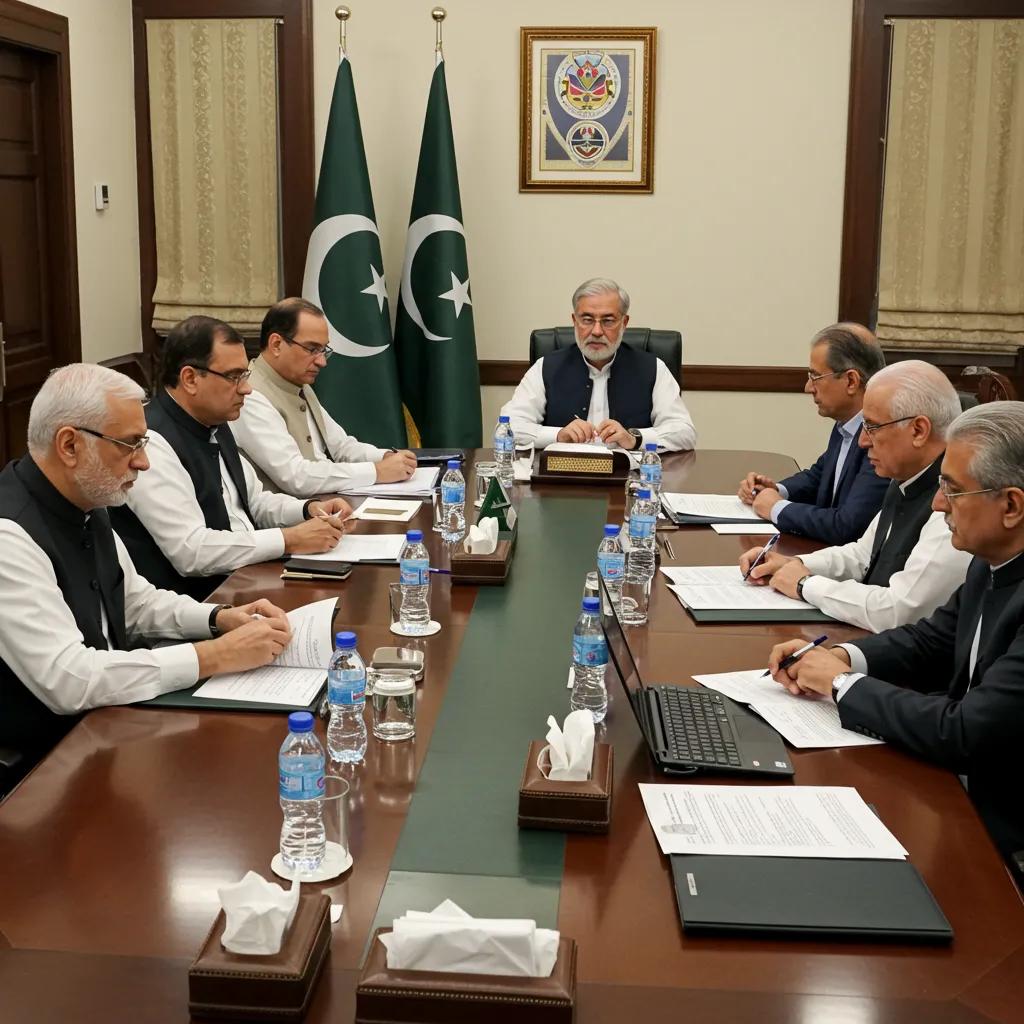
The current political situation in Pakistan is defined by a coalition-based national government operating amid economic pressures and regional security concerns. Coalition dynamics determine legislative priorities while fiscal constraints and public unrest limit policy space, shaping how the government pursues reforms. Political stability hinges on coalition management, judicial developments, and responses to public service pressures such as inflation and unemployment. For readers tracking developments, ongoing reporting by ARY News provides rolling updates and analysis of coalition changes and parliamentary proceedings. Understanding how coalition incentives translate into policy choices explains why short-term governance often emphasizes consensus measures and fiscal restraint.
Coalition Politics in Pakistan: Evolution, Challenges, and Democratic Future
Coalition politics is typical in many democratic countries where the multi-party system prevails. However, the case of coalition politics in Pakistan has always been perplexing. M.A. Jinnah envisioned Pakistan as a democratic state. At the same time, the intrusion of civil-military regimes has caused confusion and complexity in the norms of politics and democracy. As an alternative, the opposition embraced coalition politics to achieve collective political gains—the unpacking of the political landscape and democratic conundrums showcasing the significance of the study. Therefore, the thematic deductive approach is applied in evaluating and analyzing qualitative and quantitative metadata to investigate how coalition politics in Pakistan impacted the norms of democracy and the future of democracy. This study aims to provide extensive insight into the evolution of coalition politics in Pakistan and unpacking the conundrums of democracy, focusing on the key themes and avenue
Coalition Politics in Pakistan: Historical Evolution, Political Travesties and the Future of Democracy, 2025
Who is Leading the Government After the 2024 General Election?
Leadership after the 2024 general election is organized around a parliamentary coalition that formed a government tasked with delivering stability and economic management. The prime minister and cabinet operate with a mandate constrained by coalition partners, requiring negotiated policy compromises across economic and security portfolios. Coalition formation reflects regional seat distributions and bargaining over ministerial portfolios, which in turn shapes priorities such as budgetary measures and legislative reform. Observers should track cabinet cohesion and legislative success as indicators of durability, since coalition fractures can quickly redirect policy agendas. Monitoring these dynamics clarifies which policy initiatives are likely to advance in the near term.
How Has Political Unrest from 2022 to 2024 Shaped Pakistan’s Politics?
Waves of political unrest between 2022 and 2024 altered party strategies, public trust, and institutional behavior, accelerating legislative and judicial responses to high-profile disputes. Major protests and legal contests changed how parties mobilize supporters and prompted renewed emphasis on maintaining public order and procedural integrity. These events influenced voter sentiment and party messaging during the 2024 campaign, pushing parties to foreground stability, economic relief, and anti-corruption narratives. The longer-term effect has been a politics more sensitive to street-level mobilization and legal contestation, which in turn shapes how parties prepare for future electoral cycles and governance obligations.
The period of political unrest has significantly impacted the nation’s stability and developmental trajectory.
Political Instability in Pakistan: Challenges and Remedies for Development
Political instability has become a significant worldwide threat in recent years, especially in the world’s poorest and most unstable countries. This is a major problem that is stunting the development of these countries. Politics must be kept stable if society remains united and the government retains its legitimacy. It is necessary for a country’s economy to thrive, society to come together, and rule of law to be upheld. The political system’s stability has a direct impact on the nation and state-building processes. Political stability is essential for both of them to develop successfully. Political stability is crucial to the efficient running of government. Foreign diplomacy and international trade are both hampered by political instability because investors are reluctant to risk their money in countries with uncertain leadership. As a result of breakdown in law and order and rise in illicit activity, the public becomes increasingly worried and insecure when there is
Political instability in Pakistan: challenges and remedies, M Imran, 2023
What Are the Major Challenges Facing the Current Government?
The government’s major challenges center on economic stabilization, coalition management, and regional security—each creating trade-offs that constrain policy action. Inflation and fiscal pressures necessitate tough budgetary choices and engagement with international financial partners, while coalition partners demand policy concessions that can dilute reform packages. Security concerns at borders and internal law-and-order issues require attention and budget allocation, drawing political capital away from social investments. These pressures create a repeating dynamic where short-term crisis management dominates, limiting long-term structural reforms and necessitating careful stakeholder negotiation to sustain governance.
- The government must stabilize macroeconomic indicators while protecting vulnerable households.
- Coalition cohesion requires regular negotiation over ministerial responsibilities and legislative priorities.
- Regional security and border management demand coordination between civilian authorities and security institutions.
These three challenge clusters shape policy timing and political rhetoric as the government balances stability with reform. The next section on election results explains how electoral outcomes affected this balance.
What Are the Latest Pakistan Election Results and Their Implications?
The 2024 general election reshaped party strengths at national and provincial levels, producing a distribution of seats that required coalition-building and strategic alliances. Election outcomes reflect regional patterns and the influence of independent candidates in swing constituencies, altering bargaining power among major parties and smaller regional actors. Immediate implications include the need for negotiated policy platforms, legislative calendars focused on stabilization, and the prospect of incremental reforms rather than sweeping changes. For readers seeking ongoing data and result breakdowns, ARY News continues to publish updated coverage and explanatory graphics that track seat changes and coalition arrangements in real time.
How Did the 2024 General Election Impact Political Party Power?
Election outcomes shifted political party power through regional gains and losses that recalibrated influence in key provinces and the national assembly. Parties that consolidated strongholds in provincial assemblies increased leverage in coalition negotiations, while independents and regional groupings emerged as pivotal allies for government formation. Strategic consequences include re-prioritized policy agendas where coalition partners secure influence over specific ministries and legislative initiatives. These shifts illustrate how electoral geography—urban centers, rural districts, and provincial dynamics—translates into bargaining power at the national level and affects what the government can realistically accomplish.
The dynamics of social media played a significant role in shaping the discourse and outcomes of recent elections.
Political Coalitions and Social Media Dynamics in Pakistan’s 2018 Election
Empirically, we show the value of this approach with novel data collection and analysis of Twitter and Facebook content from 2018–19 in Pakistan, with a focus on the dynamics leading up to and following the controversial 2018 general election. We map out networks of narrative alignment and conflict on Pakistani social media, providing important insights i
Political coalitions and social media: Evidence from Pakistan, A Mir, 2023
What Are the Voter Demographics and Turnout Trends in Pakistan?
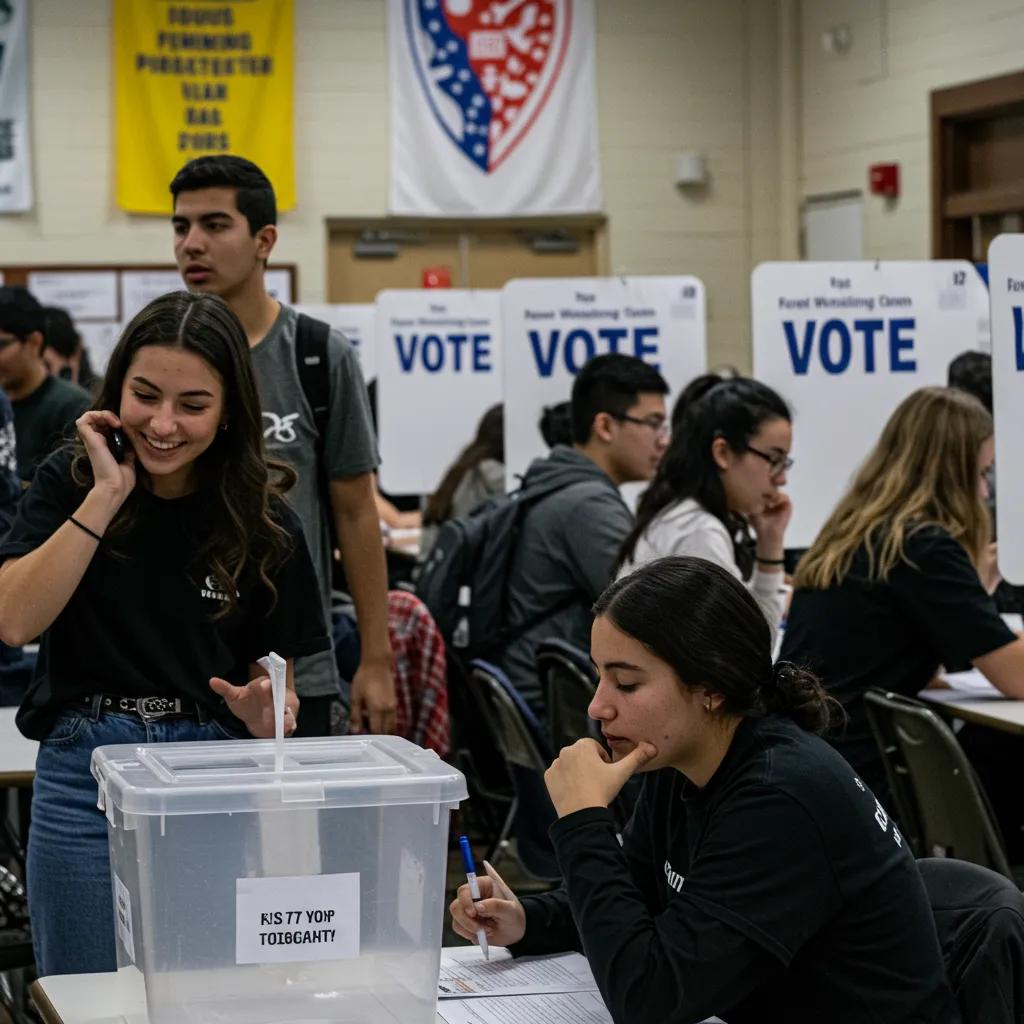
Voter demographics and turnout trends reveal the growing political influence of younger cohorts and urban voters, even as turnout varied by province and locality. Youth engagement—driven by social media, economic concerns, and issue-based mobilization—shaped party outreach strategies and messaging. Turnout differences across provinces influenced seat outcomes, making localized turnout campaigns decisive in several competitive constituencies. These demographic patterns suggest parties will increasingly tailor platforms and digital engagement strategies to younger voters and urban constituencies ahead of upcoming polls.
What Are the Upcoming Elections and Electoral Reforms in Pakistan?
Upcoming elections include scheduled provincial and by-elections that will test party organization and coalition strength, while electoral reforms under discussion aim to modernize voter rolls and strengthen transparency mechanisms. The Election Commission’s reform agenda emphasizes administrative upgrades and procedural improvements, although implementation timing and political consensus remain uncertain. Potential reforms could affect campaign finance transparency, EVM piloting discussions, and constituency delimitation processes, each with significant implications for competitiveness and public confidence. Tracking these reform debates is essential to anticipate how future elections might be administered and contested.
Before presenting the comparative election view, the table below summarizes party-region outcomes in a comparative, non-numeric format for clarity.
Election outcomes show regional strengths and coalition implications across parties.
This table highlights relative strengths rather than precise seat counts, helping readers quickly grasp how regional results translate into coalition leverage. The subsequent analysis explains the political consequences of these alignments.
Who Are the Major Political Parties in Pakistan and Their Policies?
Major political parties in Pakistan present distinct policy emphases on the economy, governance reforms, and foreign relations, and their leadership profiles determine how those policies are prioritized. Comparative understanding of party platforms clarifies where consensus may arise and where opposition or coalition friction is likely. Party policy differences often revolve around economic management approaches, social development priorities, and security strategies—each with regional electoral implications. Below is a side-by-side policy comparison to help readers discern major differences without relying on ephemeral campaign rhetoric.
What Are the Key Policies and Leadership of Pakistan Tehreek-e-Insaf?
Pakistan Tehreek-e-Insaf emphasizes governance reforms, anti-corruption narratives, and mobilization of younger voters, shaping both its policy messaging and organizational priorities. Leadership dynamics focus on rebuilding party structures, engaging grassroots networks, and balancing legal and political strategies for electoral competitiveness. The party’s platform typically stresses institutional reforms and accountability mechanisms, while its electoral performance determines its bargaining strength in coalitions. Understanding PTI’s organizational posture clarifies how it may influence legislative priorities and public discourse going forward.
How Does Pakistan Muslim League-Nawaz Influence Governance?
Pakistan Muslim League-Nawaz traditionally emphasizes development-oriented economic policies, infrastructure investment, and administrative experience as drivers of governance strategy. Its role within coalitions often centers on economic portfolios and provincial governance, leveraging historic networks and institutional relationships to implement development projects. PML-N’s influence is pronounced in regions where it retains provincial strength, shaping budget priorities and reform sequencing. Tracking the party’s policy initiatives offers insight into likely government economic choices and short-term development projects.
What Role Does Pakistan Peoples Party Play in Regional Politics?
The Pakistan Peoples Party remains influential in regional governance, particularly through its provincial administration focus and social-development agenda. PPP’s policies stress provincial autonomy, social welfare investments, and regional infrastructure, which inform its approach to national coalition bargaining. As a regional powerbroker, PPP often negotiates for portfolio control that advances its governance priorities at the provincial level. The party’s regional governance record provides a lens for anticipating its priorities within national policy debates.
Which Other Political Parties Are Influential in Pakistan?
Beyond the three major parties, several regional and religious parties play pivotal roles in coalition dynamics and localized governance, often holding balance-of-power positions in assemblies. Parties such as urban-focused groups, regional nationalist parties, and religiously-oriented lists influence policy on urban governance, provincial autonomy, and social issues respectively. Their typical policy positions include constituency-specific development, identity-based representation, and strategic alliances with larger national parties. These parties’ coalition behavior often determines legislative passage for targeted reforms.
The following table compares party policy emphases across core domains in an entity-attribute-value format.
A concise comparison highlights where parties differ on key policy areas.
This table clarifies party priorities and aids readers in assessing coalition compromises and legislative trade-offs.
Who Are the Key Political Figures in Pakistan and Their Current Status?
Key political figures shape party strategies, public narratives, and government priorities through leadership roles, legal standings, and public influence. Profiles of top leaders reveal how personal authority interacts with institutional constraints to produce policy outcomes. For readers tracking individual influence, understanding each leader’s political capital, public appeal, and organizational control is essential for anticipating future alignments and policy directions. The following subsections present concise status summaries of principal figures with neutral, contextual analysis.
What Is Imran Khan’s Latest Political and Legal Status?
Imran Khan remains a central figure whose political activities, organizational leadership, and encounters with legal processes influence party cohesion and public mobilization. His party’s grassroots networks and messaging strategies continue to shape opposition dynamics and electoral planning. Legal proceedings and institutional interactions constrain some operational aspects but also inform how supporters mobilize and how rivals frame political debates. Monitoring his public appearances, party communications, and legal developments provides signals about the opposition’s capacity to influence future contests.
What Are Shehbaz Sharif’s Government Initiatives and Actions?
Shehbaz Sharif’s government initiatives typically prioritize administrative reforms, infrastructure development, and fiscal stabilization measures aimed at restoring economic confidence. Cabinet actions often stress pragmatic policy steps designed to address inflationary pressures, improve public services, and secure international financial cooperation where needed. Public and opposition responses vary, with supporters highlighting governance steps and critics scrutinizing the pace and scope of reform. Observing cabinet appointments and legislative proposals reveals the administration’s policy priorities and implementation strategy.
How Is Nawaz Sharif Influencing Pakistan Politics Today?
Nawaz Sharif’s influence persists through party networks, political counsel, and strategic interventions that shape party direction and electoral strategy. His standing within the party structure affects candidate selection, messaging, and coalition negotiations, even where he is not directly managing daily operations. Public perception and intra-party dynamics determine the extent to which his influence is decisive in shaping policy choices and political alignments. Watching internal party forums and advisory roles helps understand his ongoing strategic impact.
What Is Bilawal Bhutto Zardari’s Role in Party Leadership and Foreign Policy?
Bilawal Bhutto Zardari plays a prominent role in party leadership and contributes to shaping foreign-policy positions through public diplomacy and ministerial responsibilities where applicable. His leadership merges party heritage with contemporary policy priorities, emphasizing regional engagement and diplomatic balance. Bilawal’s role in coalition negotiations and foreign-policy discourse influences how the government navigates relationships with international partners and regional neighbors. Tracking his diplomatic engagements and party messaging sheds light on the government’s external orientation.
How Do Pakistan’s Foreign Relations Affect Its Political Landscape?
Foreign relations—particularly with Afghanistan, India, China, the USA, and Gulf states—interact with domestic politics by shaping security priorities, economic opportunities, and diplomatic narratives that parties use domestically. Cross-border incidents, trade arrangements, and strategic partnerships influence budget priorities and public messaging on national security. External economic ties also affect fiscal choices, investment decisions, and remittance flows, which feed back into domestic political debates. Understanding these intersections clarifies why foreign policy decisions often carry immediate political consequences at home.
What Are the Current Pakistan-Afghanistan Border Tensions and Talks?
Border tensions with Afghanistan influence domestic security management and political rhetoric, prompting government engagement in talks and confidence-building measures. Recent episodes of cross-border incidents have spurred diplomatic exchanges and security coordination efforts intended to stabilize border regions. Domestic political actors use such developments to argue for stronger border management or enhanced regional cooperation depending on their constituencies. Continued negotiations and on-the-ground security collaboration will determine whether tensions ease or remain a recurring domestic political issue.
How Do Pakistan-India Relations Impact Political Stability?
Pakistan-India relations shape political stability through security narratives, trade considerations, and public sentiment, especially when cross-border incidents or diplomatic rows occur. Periods of heightened tension often strengthen nationalist rhetoric and can shift public attention away from domestic reform debates toward security and sovereignty issues. Conversely, trade or de-escalation measures create space for economic policy focus and can reduce political polarization. Parties calibrate their foreign-policy stances with an eye to domestic political gains and voter sensitivities on national-security topics.
What Is Pakistan’s Relationship with China, USA, and the Middle East?
Pakistan’s strategic and economic ties with China, the USA, and Gulf states provide investment, security cooperation, and labor-remittance channels that directly affect domestic policy choices and economic planning. Engagements such as infrastructure partnerships, defense cooperation, and remittance-dependent labor policies shape budget priorities and diplomatic postures. Political leaders use these external relationships to justify investment strategies and fiscal measures while managing public expectations about economic benefits. Ongoing diplomatic balance among these partners is central to Pakistan’s strategic autonomy and economic recovery efforts.
What Are the Key Points of Pakistan’s National Security Policy 2022-2026?
The National Security Policy 2022-2026 articulates priorities around border security, counterterrorism, and guarding strategic economic assets while emphasizing inter-agency coordination and resilience. Policy pillars include strengthening civilian oversight, improving intelligence coordination, and safeguarding critical infrastructure—each translating into budgetary and legislative implications. The NSP’s emphasis on integrated security responses affects resource allocation across defense, internal security, and regional diplomacy. Evaluating the NSP’s implementation offers insight into how security priorities will shape political debates and fiscal choices over the policy horizon.
How Does the Economic Crisis Influence Pakistan Politics and Public Welfare?
Economic strain directly alters political incentives, public opinion, and the viability of policy choices, with inflation, debt obligations, and external financing shaping government behavior. High living costs and limited fiscal space push governments toward targeted social protection, revenue measures, and negotiations with international lenders. These economic pressures inform electoral messaging and voter priorities, often elevating short-term relief measures over long-term structural reforms. The table below compares key economic indicators qualitatively to clarify how each drives political pressures without relying on specific numeric forecasts.
Economic indicators provide the context in which political decisions and voter sentiment evolve.
This summary highlights how each economic factor constrains policy options and influences political messaging. The next subsections detail cause-effect links between the economy and politics.
What Are the Effects of Inflation and Cost of Living on Political Stability?
Rising inflation and cost-of-living pressures erode household purchasing power and can trigger protests, declining approval ratings, and shifts in voter priorities toward immediate economic relief. Politicians respond with targeted subsidies, cash transfers, or tariff adjustments, which may provide short-term relief but create fiscal trade-offs. Public pressure for affordability measures often forces political leaders to prioritize social safety nets while balancing commitments to fiscal discipline. These dynamics underscore why economic management is central to political survival and electoral messaging.
How Are IMF Programs and Debt Management Shaping Government Policies?
Engagement with international financial institutions and debt-management strategies shape fiscal policy, conditional reform agendas, and the sequencing of subsidy or tax measures. Conditionalities typically require revenue measures, public-sector reforms, and spending reprioritization, each with political costs that governments must manage through stakeholder consultation and public communication. The trade-off between securing external financing and preserving political support influences how reforms are packaged and implemented. Observers should watch announced reform timetables and social-protection mitigations as indicators of government strategy.
What Are the Highlights of Pakistan’s 2025-26 Federal Budget?
The 2025-26 federal budget centers on reconciling austerity measures with targeted social spending, with emphasis on stabilizing finances while protecting vulnerable groups. Revenue mobilization efforts and spending reallocations are designed to meet creditor expectations and maintain essential public services. Political messaging around the budget highlights trade-offs between fiscal sustainability and popular demands for relief, shaping how parties position themselves in public debate. Close attention to budget priorities reveals which sectors will receive near-term investment and which will face constraints.
How Does Economic Performance Affect Voter Sentiment and Political Support?
Economic performance correlates strongly with approval ratings and electoral fortunes, as voters often reward or punish incumbents based on perceived economic management. Historical and contemporary patterns show that sustained economic distress increases volatility in voter behavior and raises demand for accountability and policy change. Political actors tailor campaigns to highlight economic competence or assign blame, making economic indicators key predictors of political momentum. Monitoring polls, consumer sentiment, and employment indicators helps forecast likely shifts in political support.
- Economic performance directly influences voter priorities and campaign narratives.
- Short-term relief measures can stabilize sentiment but may limit reform space.
- Long-term structural growth initiatives are necessary for durable political stability.
These three points link macroeconomic indicators to political strategy and voter behavior, setting the stage for scenario analysis.
What Are the Future Outlook and Emerging Trends in Pakistan Politics?
Future trends in Pakistan politics will hinge on coalition durability, youth engagement, digital mobilization, and the government’s ability to manage economic recovery alongside regional security challenges. Scenarios range from stable coalition governance delivering incremental reforms to fragile arrangements susceptible to renewed unrest if economic pressures intensify. Digital platforms and youth activism are reshaping political communication and recruitment, changing how parties campaign and mobilize support. The following subsections outline plausible scenarios, the role of youth, and expected changes to watch in 2025.
What Are the Potential Scenarios Following the 2024 Election Outcomes?
There are three plausible scenarios: a stable coalition that delivers incremental reform, a fragile coalition that struggles with fiscal stress and legislative gridlock, and renewed unrest sparked by economic shocks or legal crises. Each scenario’s trigger variables include coalition cohesion, macroeconomic stabilization, and institutional responses to political disputes. Expected timelines vary: a stable trajectory unfolds over months with gradual policy wins, while instability can arise rapidly following fiscal shocks or major legal-political events. Mapping these scenarios helps stakeholders prepare for contingency policy responses and political realalignments.
How Is Youth Engagement Shaping Pakistan’s Political Future?
Youth engagement is increasingly decisive, with younger voters and digital activism influencing issue agendas, turnout strategies, and party messaging. Young citizens prioritize economic opportunity, governance transparency, and digital freedoms, prompting parties to adapt platforms and outreach tactics accordingly. Digital mobilization accelerates message diffusion and grassroots organization, but also creates new channels for misinformation and rapid mobilization. Policymakers who address youth economic and civic concerns effectively can tap a significant demographic advantage in future contests.
What Are the Expected Changes in Pakistan’s Political Landscape in 2025?
Expected changes in 2025 include potential realignments among coalition partners, a greater emphasis on economic stabilization measures, and continued prominence of digital campaigning and youth-driven issues. External factors—regional events and global economic shifts—will influence domestic policy choices and diplomatic priorities. Key indicators to watch include poll trends, reform implementation milestones, and coalition stability metrics, which together signal the likely trajectory of political developments. By monitoring these indicators, observers can anticipate shifts in governance and policy direction.
- Monitor coalition agreements and ministerial stability.
- Track youth turnout and digital mobilization metrics.
- Watch fiscal reform progress and external financing announcements.
ARY News continues to provide timely, comprehensive coverage and analysis to keep audiences informed and engaged on these unfolding developments. Its ongoing reporting on elections, policy decisions, and political figures offers readers the context needed to interpret shifts in governance and public welfare.
Conclusion
The evolving political landscape in Pakistan underscores the importance of understanding coalition dynamics, economic pressures, and voter engagement. By staying informed about the latest developments, readers can better grasp how these factors influence governance and public policy. Engaging with ongoing coverage from ARY News will provide deeper insights into the implications of these changes. Explore our articles for comprehensive analysis and updates on Pakistan’s political journey.