Comprehensive Pet Health and Wellness Guide: Essential Care, Prevention, and Nutrition
Pet health and wellness means proactive care that keeps animals physically fit, mentally stimulated, and free from preventable disease through regular checkups, proper nutrition, parasite control, and behavior support. This guide explains practical prevention strategies, nutrition tailored by life stage, dental and behavioral care, and Pakistan-specific disease prevention so owners can make informed choices that improve longevity and quality of life. To provide clarity and journalistic context for readers, this article also aligns with the editorial mission: To provide timely and comprehensive news and current affairs coverage, keeping the audience informed and engaged with diverse content. You will find step-by-step how-to advice, diagnostic signs to watch for, quick-reference tables for vaccination and wellness frequency, and targeted prevention plans that reflect local risks and affordability considerations for Pakistani pet owners. Read on for actionable guidance on wellness exams, dental care, obesity prevention, allergy testing, senior care, local disease management, flea and tick strategies, nutrition across life stages, behavior support, and recent pet-health news affecting Pakistan.
Why Are Regular Pet Wellness Exams Important for Your Pet’s Health?
A pet wellness exam is a preventive veterinary visit that evaluates an animal’s history, examines physical health, updates vaccines and parasite control, and sets a baseline for future care. These exams work by detecting early signs of disease, enabling timely intervention that reduces long-term morbidity and cost while preserving quality of life. Regular exams create health records that reveal small changes over time, and tracking these trends helps veterinarians recommend personalized preventive measures. The next paragraphs describe what happens during an exam, how often pets should be seen, and the primary benefits that make preventive care cost-effective and life-extending.
What Happens During a Pet Wellness Exam?
During a typical wellness exam, a veterinarian reviews the pet’s medical history, observes behavior and mobility, performs a full physical exam, and may recommend diagnostics like fecal testing, bloodwork, or urine analysis. The physical exam inspects eyes, ears, mouth, coat condition, lymph nodes, heart and lung sounds, abdominal palpation, and joint mobility to find subtle signs of disease. When age, breed, or clinical signs warrant it, vets order diagnostics such as CBC/chemistry panels to detect organ dysfunction early; these tests are particularly useful for senior pets and animals with chronic conditions. Preparing a concise symptom list and recent diet/medication notes before the visit speeds diagnosis and helps the veterinarian tailor follow-up care.
How Often Should Pets Receive Wellness Checkups?
Frequency of wellness visits varies by life stage: puppies and kittens require frequent exams and vaccine series, healthy adults usually need annual checkups, and seniors benefit from twice-yearly visits to monitor age-related conditions. Puppies and kittens typically begin exams every 3–4 weeks during the vaccination series until about 16 weeks of age, while adults should receive a comprehensive annual exam that includes parasite screening and vaccine review. Senior animals, often defined by size/age thresholds, should have checkups every six months with lab monitoring to track kidney, liver, and thyroid function; chronic disease or new symptoms may require more frequent visits. This life-stage schedule supports early detection and personalized preventive plans to maintain long-term health.
This frequency table helps owners plan visits based on their pet’s stage and risk profile, making preventive care predictable and actionable.
What Are the Benefits of Preventive Veterinary Care?
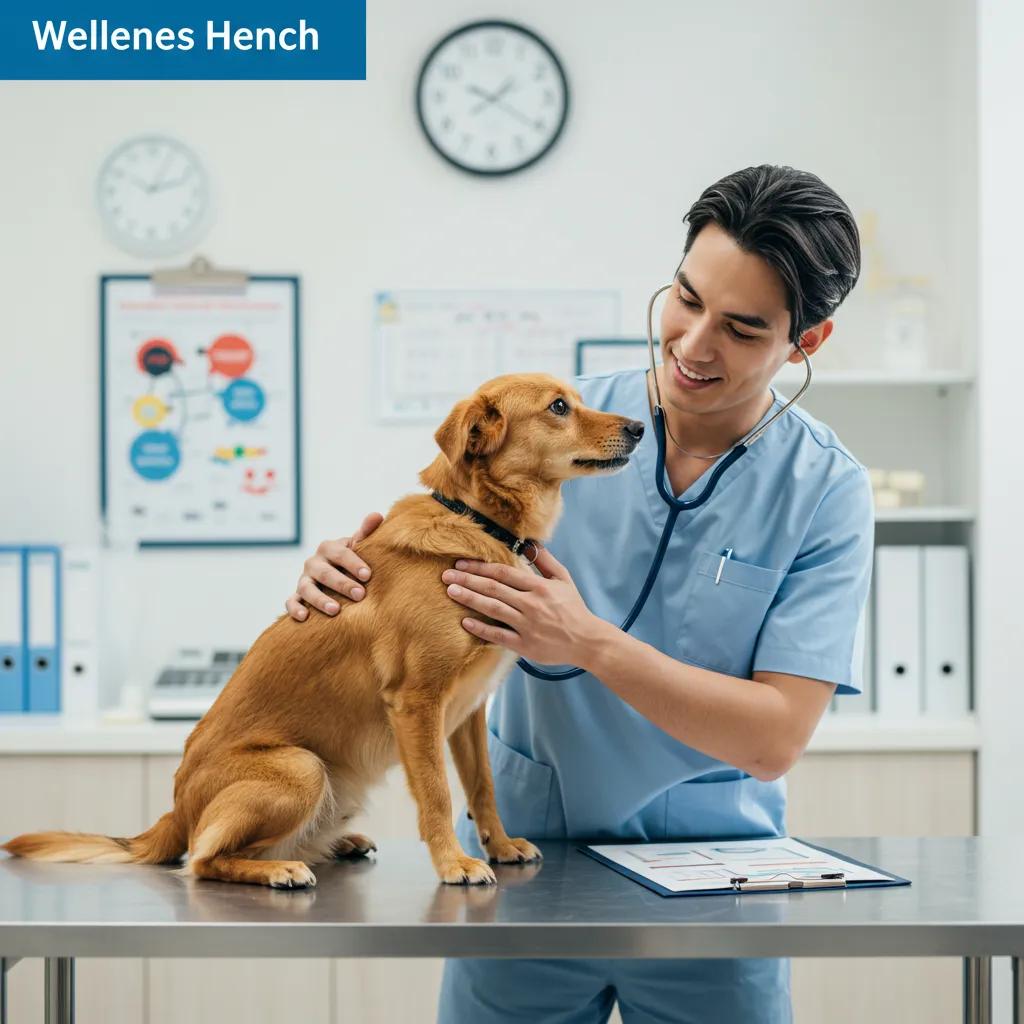
Preventive veterinary care reduces the incidence of vaccine-preventable diseases, limits parasite burdens that cause weight loss and anemia, and identifies dental disease before it causes systemic illness. Early detection through routine exams and screening tests typically lowers treatment costs compared with advanced-disease therapy, and these measures directly improve a pet’s comfort and lifespan. Preventive care also supports public health by reducing zoonotic parasite risks in households and communities, which is especially important in densely populated urban areas. Understanding these benefits clarifies why scheduling routine wellness exams is a high-value action for every pet owner.
This list highlights core preventive care outcomes:
- Early detection of disease: Routine exams catch chronic conditions before they progress.
- Reduced long-term costs: Preventive treatments often cost less than advanced-disease interventions.
- Improved quality of life: Timely care prevents pain and maintains mobility and appetite.
These benefits lead naturally into practical dental and nutritional strategies that further support preventive health.
How Can You Maintain Optimal Dog Dental Health?
Dog dental health refers to oral hygiene practices and professional care that prevent periodontal disease, tooth loss, and systemic complications from oral bacteria. Good dental care reduces dental plaque and tartar accumulation that cause gingivitis and periodontitis, and maintaining oral health protects organs like the heart and kidneys from bacterial spread. The following H3 sections explain common signs of dental problems, daily care routines, and how dental disease affects overall wellness, enabling owners to act before small problems escalate.
What Are Common Signs of Dental Problems in Dogs?
Owners should watch for bad breath, visible tartar, red or bleeding gums, drooling, reluctance to eat, and pawing at the mouth as primary signs of dental trouble. Behavioral cues such as preferring soft food, sudden weight loss, or irritability during mouth handling are also red flags that indicate pain or loose teeth. In advanced cases, systemic signs like reduced activity or recurring infections may appear due to bacteremia originating from oral disease. Early recognition of these signs prompts timely veterinary evaluation and prevents progression to systemic illness.
Quick checklist of warning signs:
- Persistent halitosis: Breath that does not improve with dental chews indicates disease.
- Gum inflammation or bleeding: Red, swollen gums are early periodontal markers.
- Changes in eating habits: Avoidance of hard food or drooling may show pain.
Identifying these signs leads directly to effective home-care practices and professional cleaning schedules described next.
What Are Effective Dog Dental Care Tips and Practices?
Daily toothbrushing with a pet-safe toothpaste is the gold-standard home practice and gradually conditions most dogs to tolerate routine brushing if introduced gently. Complement brushing with dental chews, water additives, and dental-formulated diets that help reduce plaque accumulation, but recognize that chews are adjuncts not replacements for brushing. Professional dental cleanings under anesthesia are recommended when periodontal disease is present or when radiographs are needed to assess tooth roots; follow-up care includes regular at-home maintenance to extend the interval between cleanings. Establishing these routines early in life improves acceptance and long-term oral health.
How Does Dental Health Impact Overall Dog Wellness?
Oral bacteria from periodontal disease can access the bloodstream and increase the risk of inflammation in distant organs, contributing to cardiac and renal complications that reduce lifespan and quality of life. Pain from dental disease often leads to reduced food intake and weight loss, which can mask underlying systemic illness and delay diagnosis. Maintaining dental health through hygiene and timely professional care therefore supports whole-body wellness and reduces the burden of chronic disease management across a pet’s life. Understanding this systemic connection underscores why dental care is a core component of preventive veterinary practice.
What Are the Best Strategies for Cat Obesity Prevention and Weight Management?

Cat obesity prevention involves controlling calorie intake, increasing activity and enrichment, and monitoring body condition to prevent comorbidities like diabetes and arthritis. Obesity results from excess caloric intake relative to energy expenditure, and in cats it often reflects indoor lifestyle, free-feeding, and age-related metabolic slowdown. The next subsections cover causes, actionable weight-loss steps, and the health risks of obesity to help owners implement safe, effective weight management plans.
What Causes Obesity in Cats?
Obesity in cats commonly arises from overfeeding, high-calorie diets, lack of environmental enrichment that reduces activity, and metabolic changes with age that lower caloric needs. Breed predispositions and neutering can alter metabolism and appetite regulation, while free-access feeding practices make portion control difficult. Indoor-only living reduces exploratory behavior and play-based exercise that burns calories, further increasing weight gain risk. Recognizing these root causes supports targeted interventions that address both diet and lifestyle.
How Can You Help Your Cat Maintain a Healthy Weight?
A practical weight-management plan includes portion-controlled feeding with measured calorie goals, scheduled play sessions of 10–15 minutes several times daily, and gradual diet transitions under veterinary supervision to avoid hepatic lipidosis. Begin with a baseline body-condition score and weekly weigh-ins to track progress, and adjust calories by 5–10% increments to sustain steady weight loss no greater than 1–2% body weight per week. Enrichment strategies such as puzzle feeders and interactive toys increase activity and mimic hunting behaviors, which supports calorie expenditure. Veterinary guidance ensures nutrient adequacy during weight loss and identifies medical contributors like hypothyroidism or diabetes.
Weekly action plan example for owners:
- Measure food portions: Use a kitchen scale and follow veterinary-calculated calorie goals.
- Schedule daily play: Three 10-minute interactive sessions per day to boost activity.
- Monitor weight weekly: Log changes and consult your vet for adjustments.
These steps reduce obesity risk and transition naturally into understanding related health risks.
What Are the Health Risks Associated with Cat Obesity?
Obese cats face higher risk of diabetes mellitus, degenerative joint disease that reduces mobility, and metabolic complications like hepatic lipidosis if weight loss is too rapid. Chronic excess weight increases surgical and anesthetic risk and complicates disease management by altering drug dosing and recovery. Early prevention and supervised weight loss mitigate these risks and preserve mobility and metabolic health. Awareness of these outcomes helps owners prioritize sustainable, vet-guided strategies.
The nutritional needs of cats change significantly throughout their lives, making life-stage specific feeding crucial.
Feline Life Stage Guidelines: Nutrition and Care
Diet Basics Energy and nutrient needs vary with life stage, sterilization status and activity, and so general feeding recommendations provide only a starting point. Individual intakes must
Understanding these life stage variations is key to providing appropriate dietary support for cats.
Feline Life Stage Guidelines: Nutrition and Activity
Diet basics Energy and nutrient needs vary with life stage, sterilization status and activity, and so general feeding recommendations provide only a starting point. Individual intakes must
How Is Pet Allergy Testing Conducted and Why Is It Important?
Pet allergy testing identifies environmental or food triggers that cause chronic itching, ear disease, respiratory signs, or gastrointestinal symptoms, enabling targeted management that reduces symptom burden. Testing works by distinguishing allergic causes from infectious or parasitic mimics and guiding immunotherapy, elimination diets, or targeted avoidance strategies that improve long-term outcomes. Below are descriptions of common symptoms, test types, and how testing enhances quality of life.
What Are Common Pet Allergy Symptoms to Watch For?
Allergic pets commonly exhibit intense itching, recurrent ear infections, skin lesions, chronic scratching or licking, and recurrent gastrointestinal issues like vomiting or diarrhea in food-allergic animals. Secondary bacterial or yeast skin infections often follow chronic scratching and may cause odor, crusting, and hair loss that complicate diagnosis. Respiratory signs such as wheeze or sneezing can occur with inhalant allergies, though they are more common in certain species and breeds. Recognizing these patterns prompts diagnostic testing rather than repeated symptomatic treatments.
What Types of Allergy Tests Are Available for Pets?
Allergy testing options include intradermal testing performed by dermatology specialists and serologic (blood) testing that measures allergen-specific antibodies; elimination diet trials serve as the diagnostic standard for food allergies. Intradermal testing provides high sensitivity for environmental allergens but requires sedation in some animals and specialist interpretation, while serologic tests are more accessible but can generate false positives and require correlation with clinical signs. Elimination diet trials are time-consuming but essential to confirm food triggers and must be strictly followed to be valid. Discussing trade-offs with a veterinarian determines the most practical and accurate approach for each case.
This comparison clarifies test selection and prepares owners for practical steps during diagnosis.
How Can Allergy Testing Improve Your Pet’s Quality of Life?
Accurate allergy diagnosis enables targeted treatment such as immunotherapy, allergen avoidance, or dietary change, which reduces chronic itching, lowers secondary infection rates, and minimizes repeated courses of antibiotics or steroids. Tailored therapies improve comfort, sleep, and skin integrity while potentially lowering long-term treatment costs associated with recurrent infections. For many pets, successful allergy management restores normal behavior and reduces stress-related behaviors, which further supports overall wellness. Knowing when to test and how to act on results bridges diagnostics with measurable improvement for affected animals.
What Are Essential Senior Dog Care Tips for Healthy Aging?
Senior dog care emphasizes monitoring for age-related disease, adjusting nutrition and activity to maintain mobility, and increasing veterinary screening to detect organ dysfunction early. Geriatric care aims to preserve independence and reduce pain through diet, exercise modulation, and timely intervention. The following subsections outline common senior conditions, nutrition and exercise adjustments, and scheduling guidance to optimize geriatric veterinary care.
As pets age, their bodies undergo changes that necessitate specialized care to maintain their health and well-being.
Geroscience and Aging Interventions in Dogs and Cats
Advances in preventive care, nutrition, and veterinary specialization have extended the lifespan of companion animals, creating a clinical need to optimize healthspan in geriatric dogs and cats. This review synthesizes current geroscience evidence, highlighting the biological mechanisms—mitochondrial dysfunction, inflammaging, and cellular senescence—that contribute to multiple chronic diseases, and identifies practical, evidence-based interventions to mitigate these processes.
What Are Common Health Issues in Senior Dogs?
Senior dogs commonly develop arthritis, dental disease, kidney and liver dysfunction, cardiac conditions, and cognitive decline that manifest as disorientation or altered sleep–wake cycles. Early signs include stiffness after rest, decreased interest in play, changes in appetite, increased drinking, or house-soiling that warrant diagnostic workups. Regular lab screening and physical assessments detect organ dysfunction before clinical decline, enabling earlier supportive therapies such as joint supplements, dietary adjustments, or cardiac medications. Monitoring these conditions allows targeted interventions that maintain comfort and function.
How Should Nutrition and Exercise Change for Senior Dogs?
Nutrition for senior dogs should focus on appropriate caloric intake, higher-quality protein to preserve muscle mass, joint-support nutrients like omega-3 fatty acids and glucosamine, and fiber for digestive health as needed. Exercise should shift to low-impact activities—shorter, more frequent walks and swimming where available—to maintain mobility without exacerbating joint pain. Physical therapy, controlled weight management, and environmental modifications (ramps, non-slip surfaces) reduce strain and enhance daily comfort. These adjustments integrate with veterinary recommendations and diagnostic monitoring to tailor care.
When Should You Schedule More Frequent Vet Visits for Senior Dogs?
Increase visit frequency to every six months for baseline monitoring of organ function, dental health, and mobility assessments, and schedule earlier visits when new symptoms or medication changes occur. Triggers for more frequent monitoring include weight loss, increased thirst or urination, lameness progression, cognitive changes, or adverse medication effects; these signs often require lab testing or imaging. Frequent check-ins support medication titration and catch complications early, which improves outcomes and reduces emergency interventions. A structured schedule aligns owner observation with professional oversight.
How Can You Prevent and Manage Common Pet Diseases in Pakistan?
Pakistan-specific pet disease management focuses on parasitic infestations, vector-borne infections influenced by climate, and affordable prevention strategies including vaccination drives and NGO resources in urban and rural areas. Local disease patterns and seasonal risks affect preventive choices and urgency of interventions, and owners benefit from community-based resources that improve access to basic care. The following subsections list common diseases, explain how preventive measures protect pets and communities, and describe affordable local care options.
What Are the Most Common Pet Diseases in Pakistan?
Common issues in Pakistan include parasitic infestations (fleas, ticks, intestinal worms), infectious conditions transmissible across animals, and environmentally driven illnesses that spike with seasonal rains and heat. Skin parasites cause itching and secondary infections, while intestinal worms can cause anemia and poor growth in young animals; vector-borne pathogens may expand with changing climates. Owners should seek veterinary confirmation for diagnosis, because symptom overlap with malnutrition or other diseases is common. Early parasite control and routine vaccination remain primary defenses in these settings.
How Do Vaccinations and Preventive Care Protect Pets?
Vaccinations target specific infectious diseases, reduce the incidence of outbreaks, and contribute to community-level protection when coverage is high; parasites are prevented through regular deworming and ectoparasite control that lower environmental contamination. Preventive care includes scheduled vaccine boosters, flea/tick prophylaxis, and hygiene practices that collectively reduce disease burden and veterinary emergencies. Below is a quick-reference vaccination/wellness schedule by life stage to guide owners when to start and maintain key preventive measures.
This table helps owners plan vaccines and preventive steps that align with life stage risk and community health goals.
What Affordable Pet Care Options Are Available Locally?
Affordable options in Pakistan include NGO-run vaccination drives, community clinics that offer subsidized services, mobile clinics during outreach campaigns, and preventive home measures like routine grooming and sanitation to reduce parasite loads. Verify the quality of local programs by asking about veterinary oversight, vaccine sources, and documentation of services; reputable initiatives often partner with recognized animal welfare organizations. Owners can reduce costs through preventive strategies—regular deworming, topical flea control, and early detection—that lower the likelihood of expensive treatments. These measures preserve health while acknowledging financial constraints faced by many households.
What Are Effective Flea and Tick Prevention Methods for Pets?
Flea and tick prevention combines regular inspection, effective veterinary-recommended products, environmental control, and seasonal strategies that match local parasite activity. Preventive measures interrupt parasite lifecycles on the pet and in the home, reducing itching, anemia, and vector-borne disease transmission. The following sections explain early identification, treatment options (including natural remedies), and application frequency adapted to product types and climate considerations.
How Can You Identify Flea and Tick Infestations Early?
Early identification involves frequent visual and tactile checks for visible parasites, flea dirt, sudden increases in scratching, localized hair loss, or scabs that suggest biting. Check common hiding spots such as the base of the tail, armpits, and undercollars; for ticks, inspect ears, neck, and between toes after outdoor excursions. Household signs include pet bedding with dark specks (flea dirt) and bites on household members in severe infestations. Early detection allows targeted intervention before heavy infestation or transmission of tick-borne pathogens becomes likely.
What Natural and Veterinary-Recommended Treatments Work Best?
Veterinary-recommended treatments—topical spot-on products, oral systemic medications, and flea/tick collars—offer proven efficacy when used as directed by a veterinarian, whereas natural remedies (e.g., essential oil sprays) may provide partial relief but often lack consistent effectiveness and can be toxic if misused. Topical and oral products disrupt parasite life cycles rapidly, while collars provide longer-duration protection depending on the product; selection depends on species, age, weight, and local parasite pressure. Natural approaches can complement veterinary products for mild problems but never replace veterinarian-guided treatment in severe infestations or when vector-borne disease is suspected.
Comparative pros/cons summary before the table:
- Topical products: Fast action but require monthly or multi-month dosing depending on formulation.
- Oral systemic medications: High efficacy and convenience, typically monthly but require weight-accurate dosing.
- Natural remedies: Accessible but variable efficacy and safety concerns; consult a vet before use.
This comparison clarifies the practical trade-offs when selecting flea and tick protection for pets in different circumstances.
How Often Should Flea and Tick Prevention Be Applied?
Application frequency depends on product class: many spot-on and oral medications are applied monthly, some collars protect for multiple months, and environmental control requires ongoing cleaning and seasonal intensification. In Pakistan’s varied climate, increase surveillance and preventive application during warm, humid months when fleas and ticks proliferate, and ensure year-round protection for pets with outdoor access or heavy exposure. Follow product-specific guidance and veterinary advice to match dosing to pet weight and life stage; this prevents under-dosing that fosters reinfestation. Consistent application combined with environmental measures stops recurring cycles and reduces disease risk.
What Are Key Pet Nutrition Guidelines for Different Life Stages?
Nutrition guidelines specify macronutrient and micronutrient needs across life stages—puppy/kitten, adult, and senior—ensuring growth, maintenance, and healthy aging through balanced diets tailored to activity and health status. Proper nutrition supports immune function, healthy weight, dental health, and organ maintenance; choices include commercial formulas, therapeutic diets, and carefully constructed homemade meals under veterinary guidance. The next subsections discuss choices for sensitive stomachs, pros and cons of raw feeding versus commercial diets, and safety tips for homemade diets.
What Are the Best Dog Foods for Sensitive Stomachs?
For dogs with sensitive stomachs, veterinarians often recommend novel-protein diets, hydrolyzed-protein therapeutic formulas, or limited-ingredient diets that reduce antigenic triggers and ease digestion. Look for diets with easily digestible carbohydrate sources, moderate fat levels, and added prebiotics or probiotics that support gut health; avoid fillers and common allergens if they coincide with symptoms. A veterinary-guided elimination trial isolates problematic ingredients, and gradual diet transitions over 7–10 days reduce GI upset. When symptoms persist, diagnostic testing rules out endocrine or inflammatory causes that mimic dietary intolerance.
This EAV-style table helps owners choose appropriate diets that meet stage-specific requirements and supports veterinary discussion about formulations.
How Does Raw Feeding Compare to Commercial Pet Food?
Raw feeding proponents cite perceived improved coat condition and palatability, but practical concerns include nutritional completeness, pathogen risk (Salmonella, Listeria), and difficulty in balancing essential nutrients. Commercial diets undergo formulation and feeding-trial validation to meet established nutrient profiles, making them safer and more consistent for most pets. If raw feeding is considered, veterinary supervision and strict hygiene are essential to minimize bacterial risks and ensure nutrient adequacy through balanced recipes or supplements. Owners should weigh convenience, safety, and evidence when choosing feeding approaches.
What Homemade Pet Food Safety Tips Should Owners Follow?
When preparing homemade diets, prioritize sanitation, balanced nutrient composition guided by a veterinary nutritionist, and correct supplementation to avoid deficiencies in calcium, vitamins, and trace minerals. Store ingredients safely, avoid toxic foods (e.g., chocolate, onions, certain nuts), and rotate protein sources cautiously to reduce allergen exposure. Keep records of recipes and consult a veterinarian for laboratory monitoring during any long-term homemade feeding plan to detect nutrient imbalances early. Proper planning and veterinary collaboration make homemade diets safer and nutritionally complete.
How Can Understanding Pet Behavior Improve Your Pet’s Wellness?
Behavioral understanding links mental health to physical wellness by addressing stressors that cause destructive behavior, reducing injury risk, and improving owner–pet bonds that facilitate care compliance. Behavior influences appetite, activity, and ability to tolerate grooming or medical procedures, so behavioral interventions directly support preventive health measures. The following sections cover common behavior issues, litter-box troubleshooting, and puppy training techniques that cultivate healthy development.
What Are Common Dog Behavior Problems and Solutions?
Common problems like separation anxiety, leash reactivity, and resource guarding respond to structured behavior modification including desensitization, counterconditioning, and positive reinforcement training. Identify triggers and implement gradual exposure with reward-based methods; for severe cases consult a veterinary behaviorist who can combine behavioral therapy with medication when necessary. Consistency, predictable routines, and enrichment reduce anxiety-driven behaviors and support physical health by encouraging regular activity. Early intervention prevents escalation and reduces the likelihood of injury or rehoming.
How Can You Address Cat Litter Box Issues Effectively?
Litter box problems often stem from preferences for box type, litter substrate, location, or medical issues such as urinary tract disease; fixing them requires assessing cleanliness, box number, and environmental stressors. Offer multiple boxes in quiet locations, match litter depth and texture to preferences, and rule out medical causes through veterinary evaluation for pain or infection. Behavioral remedies include environmental enrichment and stress-reduction techniques to restore normal elimination habits. Prompt problem-solving preserves the human–cat bond and prevents chronic stress-related illness.
What Basic Puppy Training Techniques Support Healthy Development?
Early socialization during key developmental windows, crate training for safe confinement, bite inhibition, and basic obedience commands form the foundation of a well-adjusted puppy that adapts to veterinary care and household routines. Structured short training sessions, positive reinforcement, and gradual exposure to novel experiences reduce fear-based responses and support lifelong resilience. House-training milestones and reward-based potty routines establish expectations that facilitate owner management and health monitoring. These techniques minimize stress during medical visits and support preventive care adherence.
What Are the Latest Pet Health News and Updates Relevant to Pakistani Pet Owners?
To provide timely and practical context for pet owners, ARY News reports on local vaccination drives, community adoption initiatives, and evolving disease patterns that affect pet health and welfare in Pakistan. To provide timely and comprehensive news and current affairs coverage, keeping the audience informed and engaged with diverse content. Recent coverage highlights community vaccination campaigns in urban centers, NGO-led adoption drives that reduce stray populations, and research updates about parasite seasonality influenced by shifting local climate trends. Readers should use news reporting to identify local resources, find vaccination campaigns, and stay alert to outbreaks or emerging risks.
What Recent Veterinary Research Breakthroughs Affect Pet Care?
Current research shows improved protocols for early osteoarthritis detection, refined anesthetic safety practices for geriatric patients, and novel parasite-control approaches that reduce environmental transmission, all of which translate into better preventive recommendations for owners. These advances enable more nuanced screening schedules and safer perioperative care, which benefit senior pets and animals requiring dental or orthopedic procedures. Owners can apply these findings by asking vets about early mobility screening and updated anesthesia protocols during wellness visits. Staying informed about research helps owners advocate for evidence-based care.
How Are Pet Adoption Drives and Animal Welfare Initiatives Impacting Communities?
Adoption drives and welfare initiatives increase access to basic veterinary services, encourage responsible pet ownership through education, and reduce burdens on municipal systems by promoting sterilization and vaccination. Local NGOs and community clinics often partner to run outreach events that provide low-cost vaccinations and microchipping, improving herd protection against infectious diseases. Community engagement around adoption and education also cultivates youth interest and social-media–friendly storytelling that amplifies welfare messages. Participation in these drives strengthens community resilience and animal health outcomes.
What Is the Impact of Climate Change on Pet Health in Pakistan?
Climate change affects pet health by expanding the geographic range and seasonal window of parasites, increasing heat-stress risk, and altering disease vectors that carry new or intensifying pathogens. Rising temperatures and changing rainfall patterns favor flea and tick proliferation, which elevates the need for year-round prevention in some regions and seasonal intensification in others. Owners should adapt by increasing parasite surveillance, ensuring hydration and shade during heatwaves, and consulting veterinarians about updated preventive schedules. Proactive measures mitigate climate-driven risks and protect both individual pets and public health.
To support ongoing coverage and community engagement, readers are encouraged to consult their veterinarians for individualized medical advice and to follow ARY News for updates, reporting, and local pet-health stories that keep communities informed and connected.
Conclusion
Prioritizing your pet’s health through regular wellness exams, preventive care, and tailored nutrition significantly enhances their quality of life and longevity. By understanding the specific needs of your pet at each life stage, you can make informed decisions that promote their overall well-being. Take the next step in your pet’s health journey by consulting with a veterinarian to create a personalized care plan. Explore our resources for more insights and support in maintaining your pet’s health today.