Political Parties in Pakistan: Comprehensive Guide to Major Parties, Leaders, and Election News
Pakistan’s political parties form the foundation of its multi-party democracy, shaping government formation, policymaking, and public debate across provinces and the federal level. This guide explains who the major parties are, how they operate in elections and governance, which leaders influence national direction, and how regional dynamics, youth engagement, and manifestos translate into political outcomes. Many readers want clear, up-to-date context after contested elections and shifting alliances; this article offers concise party profiles, process explainers, comparative manifesto summaries, and practical insights for young voters. We map party histories, present structured comparison tables, and highlight institutional forces that affect stability and reform. Readers will find quick-reference tables, youth-focused outreach tools, and a forward-looking assessment of challenges and scenarios to watch in 2024–225.
To provide timely and comprehensive news and current affairs coverage, keeping the audience informed and engaged with diverse content. This article reflects that mission while focusing on neutral, explanatory analysis of Pakistan’s political landscape.
What Are the Major Political Parties in Pakistan?
Major political parties are those with national presence, parliamentary representation, historical impact, and cross-provincial organization; they drive legislative agendas and coalition arithmetic. These parties win significant vote shares, maintain provincial wings, and sustain identifiable ideologies that shape policy debates and governance choices. Understanding these parties requires quick comparisons of origins, leadership, core ideology, and policy priorities so readers can scan differences and similarities easily. Below is a concise list of the main national parties followed by a compact EAV comparison table for at-a-glance reference.
Major national parties include established national organizations and notable new entrants:
- Pakistan Muslim League-Nawaz (PML-N): A party with a long organizational history and strong provincial base focused on conservative governance and economic development.
- Pakistan Tehreek-e-Insaf (PTI): A populist, anti-corruption movement that emphasizes institutional reform and youth-oriented messaging.
- Pakistan Peoples Party (PPP): A centre-left party with historical roots in social welfare and a legacy of national leadership and rural support.
- Awaam Pakistan: A newer entrant positioning itself as an alternative voice with reformist rhetoric and potential to affect coalition mathematics.
The following table summarizes founding, leadership, ideology, and core policy focus for quick comparison.
This compact comparison helps readers identify where parties align ideologically and what policy domains they prioritize, leading into deeper profiles on each party’s history and current role.
Who Are the Pakistan Muslim League-Nawaz Leaders and What Is Their History?
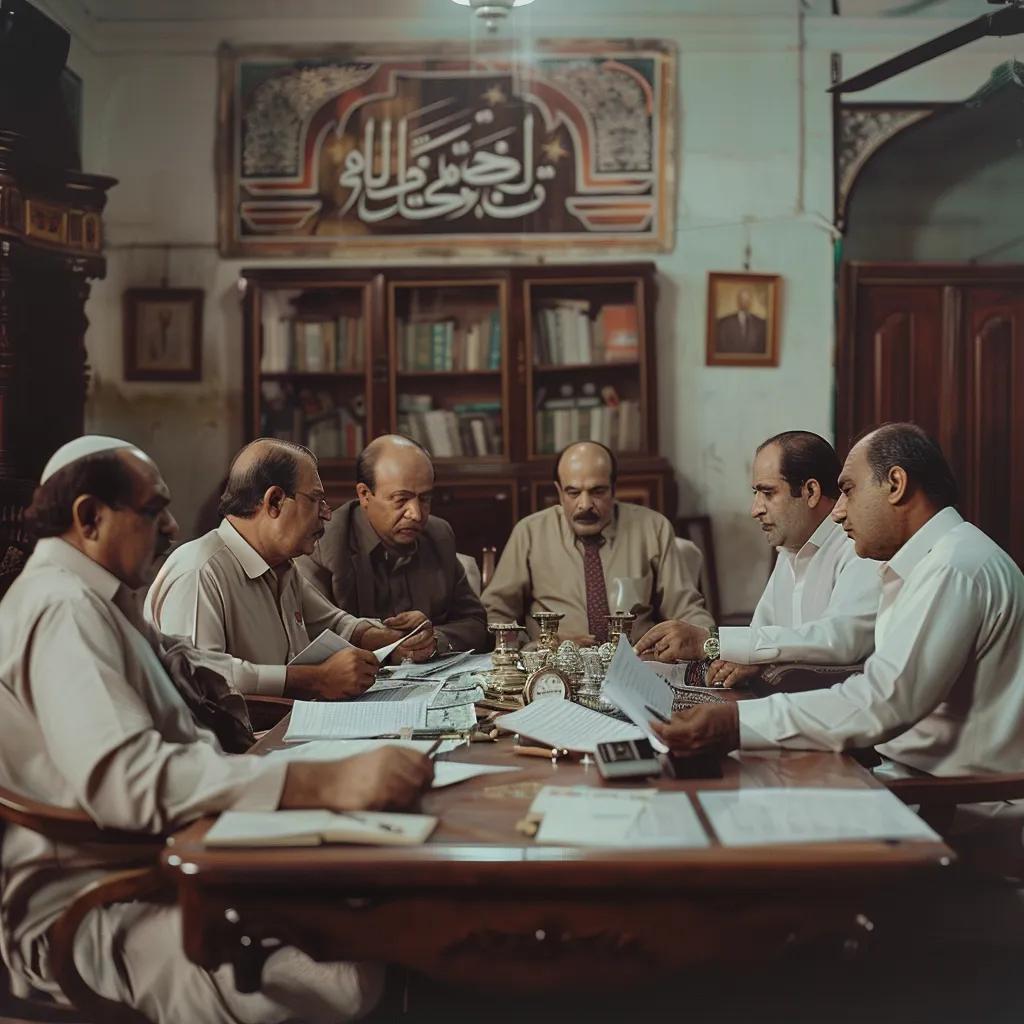
PML-N traces its identity to political networks focused on economic growth and provincial governance, with leadership often centered on the Sharif family and allied figures. The party built its reputation through infrastructure projects and appeals to business and conservative voters, securing majorities at different points in recent decades. Leadership transitions and legal-political contests have shaped PML-N’s internal dynamics, producing factional tensions at times and strategic alliances at others. Understanding PML-N’s history clarifies why it remains a central actor in coalition negotiations and policy debates across Punjab and at the federal level.
What Defines Pakistan Tehreek-e-Insaf: Ideology, Achievements, and Challenges?
PTI emerged as a mass movement emphasizing anti-corruption, accountability, and a promise of institutional reform that attracted significant youth support and media attention. Its governance record emphasized high-visibility initiatives and attempts to overhaul administrative practices, which resonated with newcomers to politics and urban voters. Post-2024 challenges have included legal scrutiny, internal discipline, and the need to convert protest energy into stable legislative coalitions. These tensions illustrate the gap between populist momentum and the operational demands of sustained governance and coalition building.
How Has the Pakistan Peoples Party Shaped Pakistan’s Political Landscape?
PPP’s legacy stems from an emphasis on social welfare, rural outreach, and a narrative of populist nationalism tied to its founding family leadership. Historically, PPP advanced policies aimed at expanding social programs and asserting provincial rights within the federation, influencing constitutional debates and political culture. Contemporary PPP leadership plays a significant role in national coalitions and institutional balance, maintaining influence through networks in Sindh and at times holding central administrative offices. This continuity between legacy and present positioning explains PPP’s resilience as both a historical and operational force in Pakistani politics.
Which Other Political Parties Play Key Roles in Pakistan?
Beyond national contenders, regional parties and provincial movements influence the parliamentary arithmetic and policy priorities in assemblies across provinces. These parties often serve as kingmakers in coalition scenarios, control key provinces, and articulate local grievances that national parties must accommodate to form governments. Splinter groups and newly formed parties can realign voter bases, complicating seat calculations and shaping local governance outcomes. Recognizing these parties clarifies how national-level narratives translate into province-specific politics and coalition bargains.
How Do Pakistan’s Political Parties Influence the Current Political Situation?
Political parties structure legislative agendas, shape executive formation, and mobilize public opinion through organized networks and media strategy. Parties negotiate alliances to form governments, influence budget priorities, and determine policy direction through coalition agreements and committee control. These mechanisms translate electoral outcomes into governing power, affecting everything from economic policy to provincial resource allocation. For readers seeking evolving context, ARY News’s editorial mission is relevant: To provide timely and comprehensive news and current affairs coverage, keeping the audience informed and engaged with diverse content; consult the Latest Analysis hub for ongoing developments and real-time commentary.
- Coalition formation and parliamentary bargaining determine who forms governments and which policies pass.
- Party discipline and leadership control affect legislative voting and policy consistency.
- Provincial wings and local organization translate national platforms into on-the-ground vote mobilization.
What Is the Role of Political Leaders Like Shehbaz Sharif and Asif Ali Zardari?
Contemporary leaders shape coalition dynamics, set administrative priorities, and act as public faces during crises and negotiations. Figures such as Shehbaz Sharif and Asif Ali Zardari play central roles in forming alliances, mediating between provincial interests and federal responsibilities, and steering policy agendas through parliamentary and executive channels. Their political capital, networks, and strategic choices affect how parties negotiate power-sharing and policy trade-offs. Tracking their actions clarifies how leadership decisions translate into legislative outcomes and national stability.
How Did the 2024 General Elections Impact Pakistan’s Political Parties?
The 2024 general elections produced contested outcomes that reshaped party standings, produced new alignments, and catalyzed the creation of new political groupings; these changes influenced which parties held bargaining power in coalition negotiations. Shifts in popular support, particularly among younger urban voters, affected traditional party strongholds and pushed parties to recalibrate manifesto promises and outreach strategies. The contested nature of the vote intensified scrutiny of party procedures, prompted legal challenges, and accelerated reconfiguration of alliances, underscoring how electoral contests directly alter party influence and future trajectories.
Power and Legitimation Strategies in Pakistani Political Party Manifestos
Power, conforming to particular political groups of the society, is exercised on the masses by making them believe in the legitimacy of that dominance. This association enables the groups to exercise their power and promulgate their ideologies through their discourse as well. One illustration of this discourse appears in the form of political manifestos. Utilizing the tool of language, the political actors (as agents of political parties) set agendas, pertinent topics and position their stance in these manifestos. Framed under critical discourse analysis, the current study attempts to investigate this act of ‘legitimation’ promulgated by Chilton (2004) and the strategies of Authority Legitimation, devised by Van Leeuwen (2008). The article illustrates how the power-holders utilize their linguistic resources to authorize their stance, idea, and action. The study helps explicating the relation between power, ideology and language and promulgates consciousness regarding the r
Portrayal of power in manifestos: Investigating authority legitimation strategies of Pakistan’s political parties, F Farrukh, 2021
What Are the Recent Developments in Party Factions and New Party Formations?
Recent years have seen splits driven by leadership disputes, ideological disagreements, and strategic repositioning, giving rise to new parties or revived regional outfits. Factionalism often arises from contestation over candidate selection, resource control, and policy direction, leading to defections that change legislative arithmetic. New formations, such as parties positioning themselves as alternatives to mainstream choices, can fragment traditional vote blocks and complicate coalition building. Monitoring these developments helps predict likely coalition scenarios and policy bargaining in future parliaments.
Religio-Political Ideology in Pakistani Party Manifestos: A Comparative Study
Manifestos of political parties are considered the roadmap of any political party to work for the well-being of the people and to persuade them to vote for that party. The present research critically analyses the religio-political elements present in the manifestos published during 2013-2018 of three Pakistani political parties (PTI, PML-N & JIP). The researchers have employed Dijk’s 2004, 2009 and Wodak 2001 analytical model to analyze the discourse of manifestos of PTI, PML-N & JIP. The levels of analysis include othering, lexicalization, allusion and authority. The research finds that these three political parties have associated religion with different social and political activities to do politics. The quantification of data in terms of religious representation highlights that PTI has made use of religious aspects 40 times, PML-N 214 times and JIP 236 times in their manifestos. Additionally, the research highlights that political manifestos are among the best sites
Religio-political Ideology: A Comparative Study of Pakistani Political Parties’ Manifestos, MA Sajid, 2020
What Is the Election Process in Pakistan and How Do Political Parties Participate?
Elections in Pakistan operate under a legal-administrative framework that governs voter registration, party registration, candidate nomination, campaigning, and vote tabulation; the Election Commission of Pakistan (ECP) oversees these processes. Parties register with the ECP, nominate candidates for national and provincial assemblies, and campaign across media, rallies, and grassroots networks to secure votes. The electoral timeline typically includes nomination filing, scrutiny, campaigning, voting, and result certification, with dispute resolution channels available for complaints and election petitions. Understanding these steps explains how parties translate platforms into contested seats and why procedural oversight matters for legitimacy.
The step-by-step electoral process and party participation:
- Voter Registration and Rolls: Eligible citizens register to vote and are assigned to constituencies for national and provincial polls.
- Party Registration and Candidate Nomination: Parties register with the ECP and submit candidate lists and nominations for constituencies.
- Campaigning and Compliance: Parties campaign within regulatory limits; the ECP enforces rules on advertising, spending, and conduct.
- Voting and Result Certification: Ballots are cast, counted, and provisional results posted; the ECP certifies official outcomes and handles disputes.
These procedural steps clarify the administrative scaffolding parties must navigate to compete and how electoral integrity depends on transparent implementation and dispute resolution.
How Does the Election Commission of Pakistan Regulate Political Parties?
The ECP enforces registration requirements, monitors campaign compliance, and adjudicates electoral disputes to preserve the integrity of polls. It sets standards for candidate eligibility, party symbols, and campaign finance reporting at a high level, while adjudicating complaints through administrative and judicial channels when necessary. Although enforcement capacity and timelines may be contested during heated cycles, the ECP remains the central authority for validating results and overseeing legal processes tied to elections. Effective regulation by the ECP shapes party behavior and public confidence in electoral outcomes.
What Were the Key Outcomes of the 2024 General Elections?
Official 2024 outcomes reflected shifts in party standings, realigned provincial majorities, and the entry of new political actors that altered coalition possibilities; these results determined which parties had leverage in government formation and legislative agendas. While specific seat distributions varied by constituency and province, the broader pattern emphasized volatility in traditional vote bases and stronger performance in urban youth demographics for reformist platforms. Notable upsets and province-level changes highlighted the importance of local issues and candidate selection in determining electoral fortunes, influencing subsequent coalition bargaining and policy priorities.
Intro to outcomes table and summary: The table below summarizes qualitative outcomes and province-level highlights for major parties following the 2024 election period, emphasizing performance trends rather than exact seat counts.
This qualitative table helps readers scan performance themes and provincial patterns without asserting unverified numeric claims, clarifying how parties fared in strategic terms.
How Do Political Parties Prepare Their Manifestos and Campaign Strategies?
Parties develop manifestos through internal committees, stakeholder consultations, and polling inputs to prioritize issues and craft campaign messaging that resonates with target demographics. The process typically involves policy experts drafting platforms, party leadership approving priorities, and wings (youth, women, provincial) refining localized messages to match constituency needs. Campaign strategies combine traditional rallies, door-to-door outreach, media appearances, and digital engagement to mobilize supporters and persuade undecided voters. Robust manifesto development and targeted campaign execution determine how parties present governance plans and compete for voter trust.
Who Are the Key Political Leaders in Pakistan and What Are Their Influences?
Key leaders serve as policy architects, coalition negotiators, and public communicators who personify party goals and strategic choices. Their biographies reveal career trajectories, constituency bases, and policy preferences that shape party positioning and national debates. Historical figures provide ideological templates and narratives that contemporary leaders evoke to claim legitimacy or continuity. Mapping these leaders’ influence illuminates how personality politics, institutional relationships, and historical symbolism interact to determine governance outcomes across Pakistan.
What Are the Biographies and Political Roles of Nawaz Sharif and Imran Khan?
Nawaz Sharif and Imran Khan represent contrasting political trajectories: one rooted in long-term party organization and business-linked governance priorities, the other emerging from a reformist, celebrity-led movement that mobilized new constituencies. Each leader’s career includes major offices held, policy emphases, and contested periods that shaped their parties’ strategies and public images. Their political roles influence candidate selection, alliance choices, and national messaging, making their positions central to understanding party direction and electoral behavior.
How Have Historical Leaders Like Muhammad Ali Jinnah and Benazir Bhutto Shaped Politics?
Founding figures and historic leaders established constitutional principles, party narratives, and institutional expectations that continue to inform party identities and political debate. Muhammad Ali Jinnah’s founding-era principles contributed to state formation and constitutional discourse, while Benazir Bhutto’s leadership shaped party culture, democratic restoration narratives, and mobilization in rural constituencies. These legacies persist as rhetorical and institutional reference points that contemporary parties invoke to legitimize policy choices and historical continuity.
What Is the Influence of Military and Other Institutions on Political Leadership?
Institutions such as the military, judiciary, and bureaucracy have historically influenced civilian politics through formal and informal channels that affect leadership stability and policy autonomy. Military influence interacts with party dynamics by shaping security policy debates and, at times, affecting leadership transitions; the judiciary and bureaucracy also play roles in adjudicating disputes and implementing policy. Understanding these institutional relationships clarifies constraints on political leaders and the structural contexts in which parties operate, which informs assessments of reform prospects and governance constraints.
How Do Political Parties in Pakistan Address Regional and Youth Engagement?
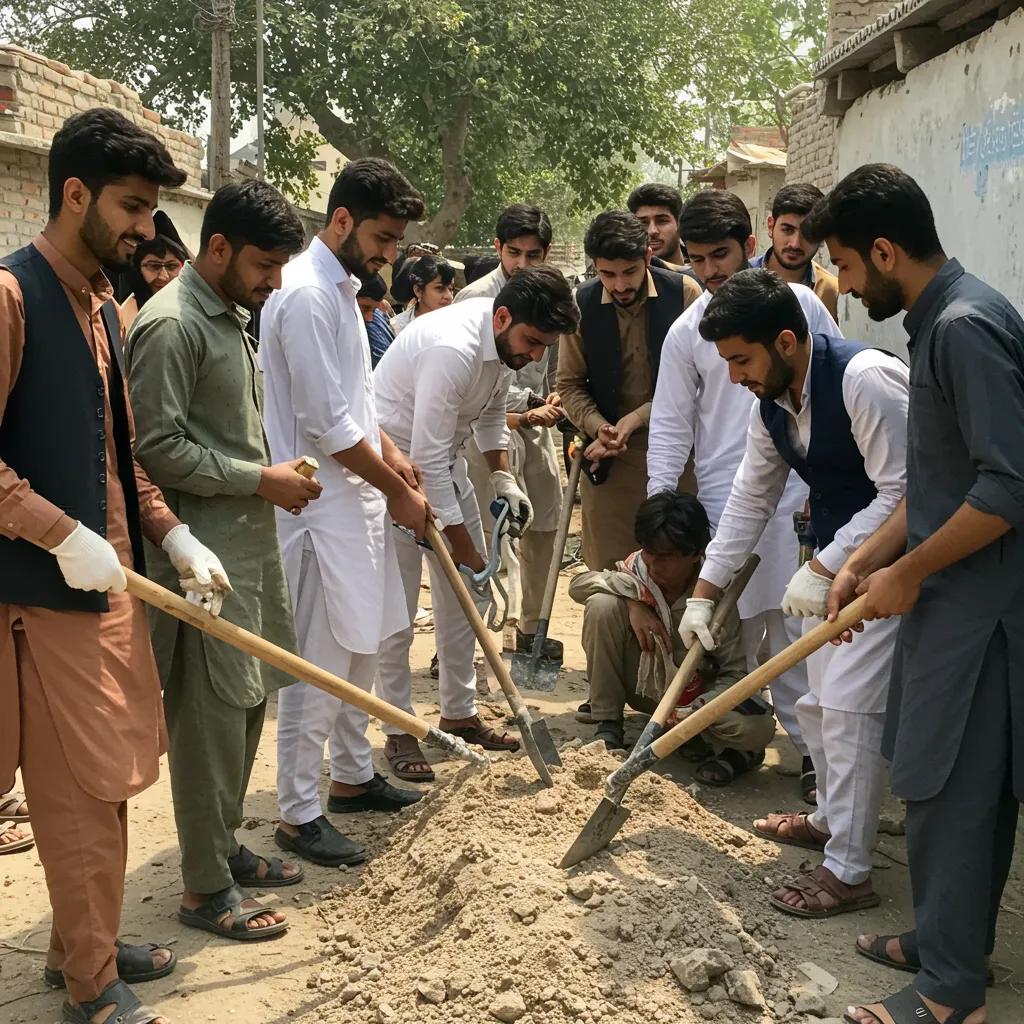
Parties tailor strategies to provincial contexts and demographic segments like youth and women to build sustainable vote bases and replenish leadership pipelines. Regional engagement requires aligning national platforms with provincial priorities, while youth engagement relies on targeted messaging, digital outreach, and participatory platforms within party structures. Parties that combine strong provincial organization with effective youth outreach are better positioned to convert support into legislative wins and long-term movement-building. Below we explore provincial dynamics, participation mechanisms for youth and women, and tools parties use to connect with younger voters.
Intro to list: Parties face diverse regional challenges and thus deploy varied tactics.
- Punjab-focused parties emphasize development projects and urban governance to win municipal and provincial votes.
- Sindh-centric strategies often prioritize rural outreach and provincial autonomy themes to maintain core bases.
- KPK and Balochistan approaches blend security, local governance improvements, and resource allocation messaging to address distinct regional grievances.
These regional tactics illustrate how national platforms are adapted locally, leading into specific engagement mechanisms for youth and women.
What Are the Political Dynamics in Punjab, Sindh, KPK, and Balochistan?
Each province features distinct party dominance, voter concerns, and organizational strengths that shape electoral results and governance priorities. Punjab often drives national politics through its population and organizational networks, while Sindh maintains strong regional incumbency tied to local governance and rural constituencies. KPK’s politics reflect security and development trade-offs, and Balochistan’s dynamics center on resource distribution and provincial autonomy. These provincial differences require parties to craft tailored manifestos and candidate selections that respond to localized issues and voter expectations, leading to varied campaign tactics across provinces.
Political Parties as Transmitters of Political Culture in Pakistan
The political culture literature is afflicted with an orientational and attitudinal bias in which cultural dynamics reign supreme, while political values and beliefs are relegated as an epiphenomenon. The present article arrogates the ‘political’ as the superior analytical variable in estimating political culture in Pakistan. While political culture studies attend to the behavioural methodology focused on individual cultural attitudes and orientations towards the political system, analysis of Pakistan’s political culture is attempted at the meso-level, that is, political parties and is in this sense a top–bottom approach. A seminal focus on political parties attends to a major gap in the political culture literature: the non-attention to agency. That is, while the literature thrives on cultural attitudes and orientations that feed into the political system, it is largely silent on the much thornier question of how such attitudes and orientations are engendered in the public sphere in the first place. In this sense, the article attributes agency to political parties as shaping and influencing political culture, that is, how do people view and think about politics in the country. Finally, in conformity with the political culture literature, the fact that political culture is never uniform and homogenous rather stratified into various competing political sub-cultures is brought out with respect to three mainstream political parties in Pakistan as manifested in their 2018 election manifestoes. Because political parties are ideational agents that shape beliefs and values in the public sphere, it makes sense to deep dive into competitive political sub-cultures placing ‘politics’ at the core of political culture analysis.
Political Parties as Transmitters of Political Culture: Competitive Party Dynamics and Political Sub-cultures in Pakistan, FH Siddiqi, 1967
How Are Youth and Women Engaged in Pakistani Politics?
Parties institutionalize engagement through youth and women wings, reserved seats, and targeted outreach programs that aim to increase representation and leadership pathways. Barriers remain, including social norms, economic constraints, and organizational gatekeeping that limit broader participation. Success stories include youth-led mobilization in urban centers and increased visibility of women candidates in legislative bodies when parties prioritize inclusion. Strengthening institutional pathways and reducing structural barriers are critical for translating engagement into sustained political influence for these groups.
What Tools Do Parties Use to Connect with Young Voters?
Parties combine digital platforms, campus outreach, and multimedia campaigns to attract younger voters, leveraging short-form content and influencer partnerships to increase resonance. Social media enables rapid messaging and mobilization, while on-the-ground activities like campus visits and youth assemblies build local networks. Parties also use data-driven targeting and feedback mechanisms to refine messaging and policy priorities for younger demographics. These tools illustrate the practical mechanics of political modernization and explain how youth sentiment can translate into electoral shifts.
What Are the Core Ideologies and Manifestos of Pakistan’s Major Political Parties?
Core ideologies frame how parties prioritize economic policy, governance reforms, social programs, and foreign relations; manifestos translate these ideologies into actionable pledges and campaign promises. Comparing manifesto positions across parties helps voters and analysts understand trade-offs in taxation, public investment, anti-corruption measures, and inclusion policies for youth and women. The table below provides a structured comparison of party positions across key policy pillars for quick policy scanning and feature-snippet readiness.
Intro to manifesto comparison table: This table compares party positions across four policy pillars relevant to voters and analysts.
This comparison clarifies ideological distinctions and actionable manifesto themes, helping readers weigh party choices on core policy areas.
How Do PML-N’s Economic and Governance Policies Compare to PTI’s?
PML-N emphasizes conventional development strategies—infrastructure, private-sector incentives, and administrative continuity—while PTI prioritizes institutional reform, anti-corruption measures, and structural governance changes. In practice, this yields different policy mixes: PML-N leans toward project-based economic execution, whereas PTI foregrounds systemic changes aimed at transparency and accountability. Voters evaluate these differences based on priorities like immediate service delivery versus long-term institutional reform, which in turn influences coalition bargaining and policy implementation after elections.
What Is the PPP’s Legacy and Current Political Stance?
PPP’s legacy blends populist welfare commitments with strong provincial roots, especially in Sindh, shaping a platform that emphasizes social protection and rural development. Its contemporary stance integrates legacy commitments with pragmatic coalition strategies to maintain influence at the federal level. PPP’s positioning reflects a balance between historical identity and adaptive policymaking that secures its regional dominance while participating in national governance arrangements.
How Do New Parties Like Awaam Pakistan Position Themselves Ideologically?
New entrants aim to capture dissatisfied voters by blending reformist rhetoric with centrist policy proposals that appeal to urban and first-time voters. These parties often emerge from factional splits or as responses to perceived failures of established parties, positioning themselves as alternatives that promise transparency and renewed governance. Their impact depends on organizational capacity, electoral reach, and ability to translate rhetorical appeal into seats that influence coalition mathematics.
What Are the Challenges and Future Outlook for Political Parties in Pakistan?
Political parties face structural challenges—coalition fragility, factionalism, and institutional influence—that complicate long-term governance and policy continuity. Military and extra-constitutional factors have historically affected leadership tenures and government stability, while internal party splits and leadership contests weaken cohesive policy implementation. Looking ahead, parties that strengthen internal democracy, broaden youth and women representation, and invest in transparent manifesto delivery are better positioned to navigate recurring instability and build durable governance coalitions.
To provide timely and comprehensive news and current affairs coverage, keeping the audience informed and engaged with diverse content. Readers should monitor ARY News for continued reporting and updates on evolving party dynamics and performance.
- Institutional interference and blurred civil-military boundaries that impact political autonomy.
- Factionalism and leadership disputes that fragment vote bases and hinder governance.
- Weak party institutionalization that limits policy continuity and candidate quality.
These structural risks shape likely futures where coalition politics remains central, reform agendas face obstacles, and electoral volatility persists, informing scenarios that analysts and stakeholders should track closely.
Why Has No Prime Minister Completed a Full Five-Year Term?
Historical factors include coalition fragility, political realignments, no-confidence mechanisms, and periodic institutional interventions that disrupt government continuity. Parties often face internal dissent and shifting alliances that enable parliamentary majorities to change, leading to premature government changes. Legal and extra-legal pressures at times exacerbate instability, preventing the consolidation of multi-year policy programs. These recurrent patterns underscore the need for stronger party discipline and institutional safeguards to achieve sustained governance.
How Do Internal Party Factions Affect Political Stability?
Factions undermine cohesion by redirecting patronage, prompting defections, and complicating candidate selection, which destabilizes parliamentary arithmetic and governance plans. The immediate consequence is unpredictable coalition behavior and fragile legislative majorities, which can stall reform agendas and erode policy credibility. Parties attempt mitigation through formal dispute resolution, leadership consolidation, and negotiated power-sharing, but persistent factionalism remains a central threat to stable governance and effective policy execution.
What Is the Role of Military Influence in Pakistan’s Political Future?
Military influence historically shaped governance through direct and indirect interventions that affected leadership selection and national security priorities; such institutional weight continues to be a determinant in political bargaining. Contemporary trajectories include varying degrees of engagement between the military and civilian institutions, with transparency and accountability remaining crucial for democratic consolidation. Possible futures range from strengthened civilian oversight and institutional balance to recurring cycles of intervention that limit party autonomy; tracking institutional signals will be essential for forecasting political stability.
Conclusion
Understanding the dynamics of political parties in Pakistan is essential for grasping the complexities of its governance and electoral landscape. This guide highlights the major parties, their ideologies, and the evolving political context, providing valuable insights for informed engagement. As the political scene continues to shift, staying updated with reliable news sources is crucial for navigating these changes. Explore our latest articles for ongoing analysis and developments in Pakistan’s political arena.