Poverty alleviation programs in Pakistan encompass cash transfers, social safety nets, microfinance, vocational training, and emergency relief designed to reduce multidimensional deprivation and build economic resilience. This guide explains what these programs are, why they matter now given recent economic shocks and natural disasters, and how government schemes, charities, microfinance institutions, and international partners contribute to outcomes across provinces. Readers will learn how poverty is defined and measured in Pakistan, which government and NGO programs lead relief efforts, the role of economic empowerment and microfinance, and the latest research and statistics shaping policy. The article also maps program types to Sustainable Development Goals, highlights coverage gaps, and offers practical steps for citizens who want to support or access services. Throughout, the piece uses data-driven analysis, service comparisons, and actionable guidance to help policymakers, practitioners, and concerned citizens understand both systems and entry points for impact.
What Are Poverty Alleviation Programs and Their Importance in Pakistan?
Poverty alleviation programs are structured interventions—such as cash transfer programs, food security measures, interest-free microfinance, and vocational training—designed to reduce income poverty and address multidimensional needs like health, education, and housing. These programs work by transferring resources, lowering barriers to services, and creating opportunities for sustainable income generation, which together improve household resilience and human development outcomes. In Pakistan, the immediate importance of such programs is underscored by recurrent natural disasters, economic shocks, and persistent regional disparities that increase vulnerability for millions. Understanding program design, targeting, and delivery mechanisms helps stakeholders evaluate effectiveness and prioritize reforms to align with national goals and international commitments.
To ground this discussion, the following short editorial brief clarifies the article’s reporting intent and alignment with the publisher’s mission:
To provide timely and comprehensive news and current affairs coverage, keeping the audience informed and engaged with diverse content.
This brief explains why the article emphasizes up-to-date policy analysis and practical guidance for Pakistani audiences. The next subsections explain how poverty is measured, the root causes and regional differences, and how programs support the Sustainable Development Goals.
How Is Poverty Defined and Measured in Pakistan?
Poverty in Pakistan is measured using both national income-based poverty lines and multidimensional indices that account for education, health, and living standards, reflecting that poverty is not solely about low income. Income-based measures capture consumption or earnings shortfalls relative to a threshold, while multidimensional approaches identify deprivations across several domains to better target social protection. Key data sources include national surveys and international databases that track trends and enable disaggregation by province and urban-rural status. Understanding these measurement differences is critical for designing programs that reach the most deprived households and for interpreting headline poverty statistics correctly.
What Are the Main Causes and Regional Disparities of Poverty?
Persistent poverty in Pakistan stems from structural factors such as limited formal employment, low educational attainment, unequal access to health services, and recurrent shocks like floods and inflation that erode livelihoods quickly. Regional disparities are pronounced: some provinces and rural areas bear higher rates of deprivation due to weaker infrastructure, agricultural vulnerability, and lower public service penetration. These differences mean that interventions must be context-specific—combining safety nets, local employment schemes, and service expansion—to address root causes effectively. Recognizing geographic and social drivers helps tailor program delivery and monitoring to reduce inequalities.
How Do Poverty Alleviation Programs Support Sustainable Development Goals?
Poverty alleviation programs contribute directly to SDG 1 (No Poverty) and indirectly to SDGs on hunger, health, education, and decent work by reducing immediate deprivation and enabling long-term human capital investments. Cash transfers increase household consumption and can improve nutrition, while vocational training and microfinance promote economic empowerment and sustainable livelihoods that contribute to decent work targets. Linking program indicators—such as beneficiary schooling, health visits, or employment rates—to SDG targets helps policymakers measure progress and prioritize interventions that have cross-cutting development benefits.
The following list summarizes the program-to-SDG linkages and why they matter for policy design.
- Direct poverty reduction: Cash transfers increase consumption and reduce extreme deprivation.
- Human capital improvement: Conditional and unconditional programs support education and health uptake.
- Economic inclusion: Microfinance and training foster entrepreneurship and sustainable employment.
Which Government Social Welfare Schemes Are Leading Poverty Relief in Pakistan?
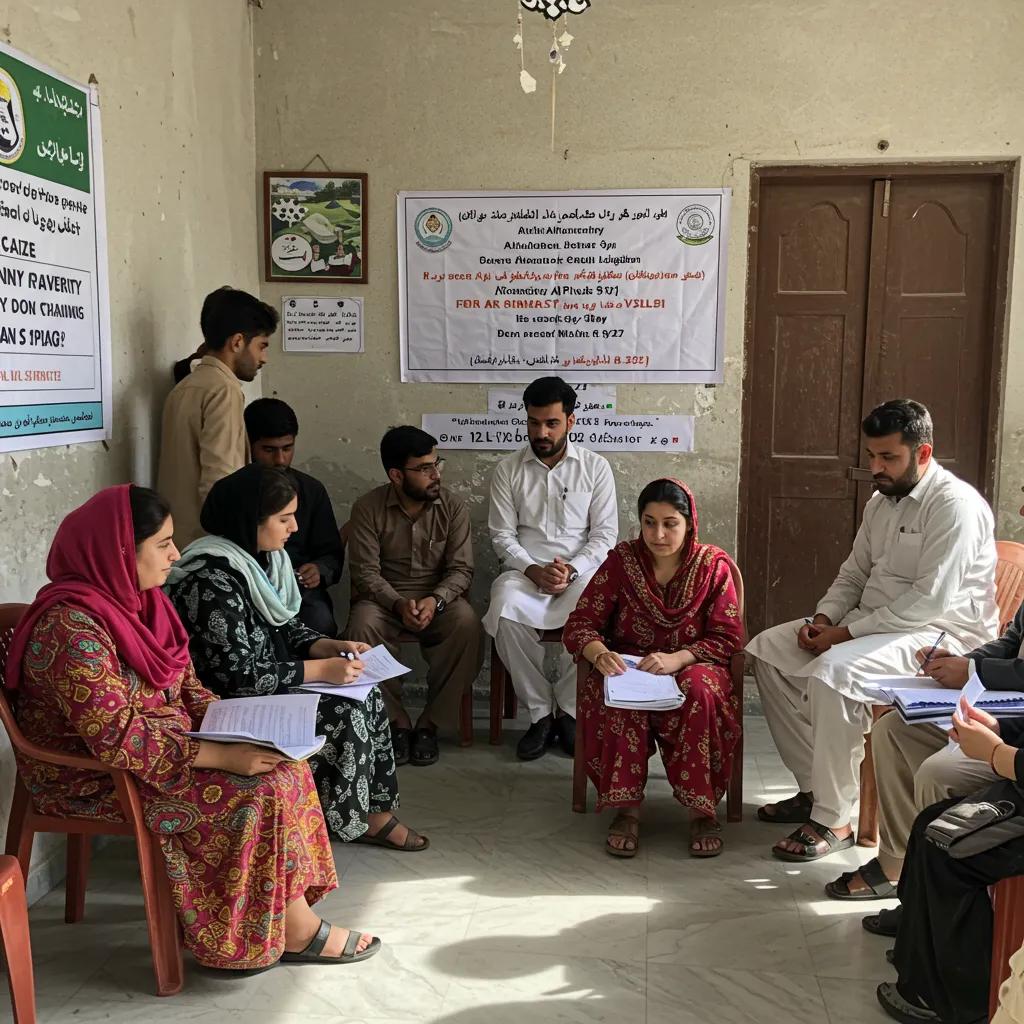
Major government schemes in Pakistan include large-scale cash transfer programs, state-run social funds, and zakat-based assistance that together form the backbone of the country’s social protection architecture. These programs aim to reach low-income households through unconditional transfers, emergency cash responses, and welfare payments, with differing targeting mechanisms and coverage. Funding allocation and recent budgetary trends shape how extensively each program can operate, and implementation capacity affects delivery effectiveness across provinces. The next subsections profile the Benazir Income Support Program, the Ehsaas initiative, and zakat/Pakistan Bait-ul-Maal roles, followed by a short analysis of budget and policy directions.
What Is the Benazir Income Support Program and Who Benefits?
The Benazir Income Support Program (BISP) provides unconditional cash transfers targeted at the poorest households to reduce extreme poverty and enable access to basic needs. Its mechanism relies on registries and means-testing to identify beneficiaries, with payments intended to stabilize consumption and support human capital investments like schooling and healthcare. BISP’s impact includes short-term poverty reduction among recipients and a foundation for linking households to complementary services, though coverage gaps and administrative challenges persist. Understanding BISP’s role helps clarify how unconditional transfers complement other targeted interventions.
How Does the Ehsaas Program Address Poverty and Emergency Needs?
Ehsaas is a broader social protection umbrella that includes conditional and unconditional cash transfers, health coverage, interest-free loans, scholarships, and emergency cash initiatives in response to crises such as pandemics and floods. The program’s multi-pronged design enables both regular support for vulnerable groups and rapid emergency responses that protect household consumption during shocks. Ehsaas also emphasizes poverty graduation pathways by pairing cash assistance with financial inclusion and skills programs where feasible. Evaluating Ehsaas requires examining component outcomes, targeting accuracy, and coordination with provincial delivery systems.
Evaluating Pakistan’s Ehsaas Program for Poverty Alleviation
This study evaluates the effectiveness of Pakistan’s Ehsaas Program in reducing poverty and improving social outcomes. Launched in 2019, the Ehsaas Program aims to provide financial assistance, healthcare, and educational support to marginalized communities. Despite its potential, administrative inefficiencies and corruption have hindered its full impact, particularly in remote areas.
Evaluating the Effectiveness of Social Safety Nets: A Case Study of Pakistan’s Ehsaas Program and Poverty Alleviation, 2023
What Roles Do Zakat and Pakistan Bait-ul-Maal Play in Social Welfare?
Zakat channels represent religiously mandated charitable giving directed to defined categories of needy individuals, while Pakistan Bait-ul-Maal (PBM) operates as a state-managed fund distributing welfare assistance, emergency relief, and social services. Zakat contributions typically flow through religious and community institutions that deliver financial and in-kind aid to qualifying recipients, whereas PBM targets broader social assistance and special purpose programs under government oversight. Comparing these channels illustrates differences in funding sources, governance, and beneficiary types, informing how complementary efforts can expand coverage and reduce duplication.
Different government programs vary in funding, reach, and delivery mechanisms; the following table summarizes these differences for core programs to aid comparison.
How Do Pakistani Charity Organizations Contribute to Poverty Relief?
Charity organizations in Pakistan complement government action by providing emergency relief, medical services, shelters, interest-free microfinance, and community-based development that often reach underserved or informal populations. NGOs and faith-based organizations adapt quickly in emergencies and pilot models—such as dignity-focused microfinance or mobile health clinics—that governments can scale. Their models differ by service type, funding approach, and geographic reach, offering a diversity of interventions that address gaps in state provision. The following subsections profile Akhuwat’s microfinance model, summarize Edhi and similar charities’ services, and explain how individuals can safely support or volunteer.
What Are the Key Initiatives of Akhuwat Foundation and Its Microfinance Model?
Akhuwat Foundation operates an interest-free microfinance model that extends small loans to entrepreneurs and microenterprises without charging interest, framing credit as a dignity-based service rather than charity. By removing interest costs and focusing on social support, Akhuwat aims to enable sustainable income generation among low-income borrowers and promote repayment through community trust mechanisms. The model reportedly links borrowers to broader support networks and leverages donations and zakat funds to sustain lending pools. Insights from Akhuwat’s approach inform how interest-free finance can complement traditional microcredit models for economic empowerment.
The table below contrasts major NGO service models and reach to show how charities deliver complementary services across Pakistan.
How Do Edhi Foundation, Saylani Welfare Trust, and Al-Khidmat Foundation Support the Poor?
Organizations such as Edhi Foundation, Saylani Welfare Trust, and Al-Khidmat Foundation provide a mix of emergency medical services, shelters, food distribution, and disaster relief that directly reduce immediate suffering and support recovery. Their operational strength lies in local networks, volunteer capacity, and rapid mobilization during crises when cash and public services are insufficient or delayed. These organizations often fill geographic and service gaps—operating mobile clinics, running kitchens, or providing temporary housing—that complement formal social protection. Understanding each charity’s signature programs helps donors and volunteers direct resources efficiently.
How Can Individuals Support or Volunteer with These Charities?
Individuals interested in supporting poverty alleviation can donate, volunteer, or advocate while ensuring accountability and impact by verifying organizations through credible reporting and public audits where available. Practical steps include checking an organization’s published program descriptions, reviewing third-party coverage, and choosing sustainable forms of support—such as recurring donations or skills-based volunteering—that align with identified needs. Volunteers should follow organizational guidelines for training, safety, and cultural norms to maximize positive outcomes. Small, verified actions by citizens, coordinated with NGOs and local leaders, can magnify relief and development efforts across communities.
What Role Does Microfinance and Economic Empowerment Play in Poverty Reduction?
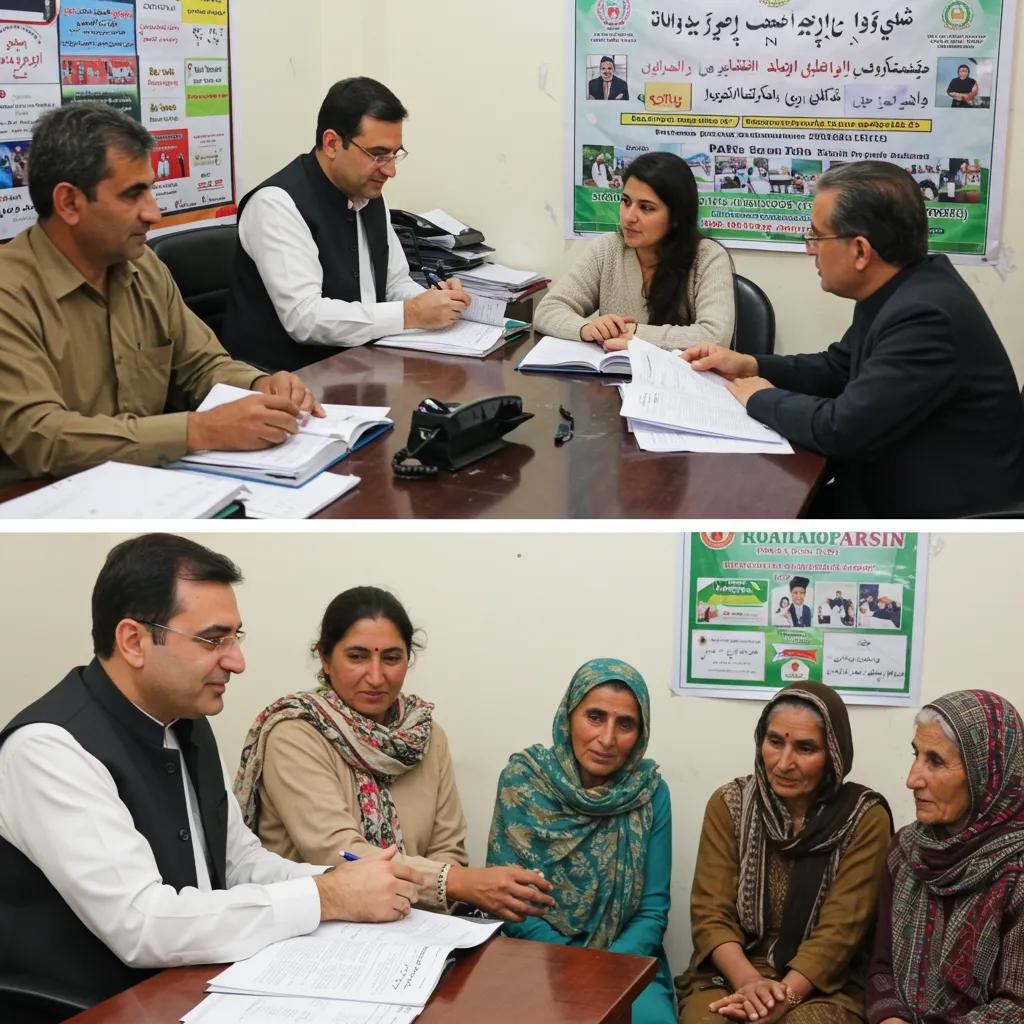
Microfinance and economic empowerment provide pathways for households to build assets, expand microenterprise income, and transition out of chronic poverty when paired with training, market access, and supportive policies. Microfinance products include microcredit, savings, and micro-insurance, while vocational training equips youth and women with employable skills that link to demand in local labor markets. Evidence suggests that combining finance with training and market connections produces stronger, sustained impacts than finance alone, though challenges remain around outreach, repayment stress, and ensuring equitable access. The following subsections list active microfinance institutions, explain skill development links, and assess common challenges and success stories.
Which Microfinance Institutions Are Active in Pakistan?
Pakistan hosts a mix of microfinance institutions (MFIs), rural support programs, and nonprofit lenders that offer microcredit, savings products, and insurance tailored to low-income clients and small enterprises. These institutions vary in scale and focus—some target rural agricultural clients, while others emphasize urban microentrepreneurs or women-led enterprises. Product design ranges from small working-capital loans to group-based lending that leverages social collateral for repayment assurance. Knowing which institutions serve specific client profiles helps match financial products to household needs and supports program referrals from social protection schemes.
How Do Skill Development and Vocational Training Programs Help Youth?
Skill development and vocational training programs increase employability by teaching practical trades, technical skills, and entrepreneurship that connect directly to local labor demand and microenterprise opportunities. Training programs that include job placement support or linkages to microfinance for startup capital amplify chances of sustained income gains for youth. Measured outcomes include higher rates of formal employment, increased self-employment earnings, and stronger transitions from subsistence work to market-oriented activities. Case examples where training is paired with seed finance show higher rates of business survival and income growth.
What Are the Challenges and Success Stories in Microfinance Impact?
Microfinance faces challenges including limited outreach to the poorest, potential over-indebtedness, operational sustainability, and difficulties scaling interest-free or highly subsidized models at national level. Success stories demonstrate that targeted loans combined with mentorship or market linkages can create durable income pathways, particularly for women entrepreneurs and rural smallholders. Lessons learned emphasize product tailoring, client-centered services, and strong monitoring systems to assess long-term impacts. These insights inform policymakers and practitioners on how to balance financial inclusion goals with client protection and program scalability.
The following table highlights representative microfinance products, services, and associated outcomes to aid program design decisions.
What Are the Latest Poverty Statistics, Trends, and Research Insights in Pakistan?
How Has Social Protection Spending Evolved in Recent Years?
Social protection spending in Pakistan has grown in response to economic shocks and disaster recovery needs, driven by budgetary reallocations and emergency packages that expand cash transfer reach temporarily. Changes in spending reflect policy choices to prioritize consumption support and emergency relief during crises, while sustaining longer-term programs requires predictable budget lines and institutional capacity. Trends also show increasing emphasis on digital transfers and registries to improve targeting efficiency and reduce leakage. Understanding these fiscal patterns helps anticipate program sustainability and scale potential.
What Are the Coverage Gaps and Challenges in Current Programs?
Coverage gaps arise from targeting inaccuracies, limited registries, administrative bottlenecks, and difficulties reaching informal or remote populations, creating mismatches between eligible households and those actually receiving support. Fragmentation across programs and limited harmonization of beneficiary data impede efficient referrals and continuity of support. Operational challenges in monitoring and evaluation further complicate assessments of program impact, making it harder to refine targeting and improve cost-effectiveness. Addressing these gaps requires investments in data systems, inter-agency coordination, and community outreach.
How Do Regional and Urban-Rural Differences Affect Poverty Rates?
Poverty rates vary substantially by province and between urban and rural settings due to differences in employment opportunities, public service access, and exposure to environmental risks; rural areas often face higher absolute deprivation while urban poverty can be more volatile and concentrated in informal settlements. Program design must therefore adapt delivery modes—such as mobile registration units in remote districts and urban-focused employment programs—to local conditions. Spatial differentiation in monitoring and tailored local partnerships increases program relevance and improves uptake among targeted populations.
What Do Recent Reports from World Bank and UNDP Reveal?
Recent international reports emphasize strengthening shock-responsive social protection, improving targeting through better data, and investing in human capital to break intergenerational poverty cycles. They recommend integrating cash transfers with services such as health, education, and skills training and support scaling pilots that demonstrate cost-effective poverty graduation. These analyses also underline the importance of public financial management reforms to secure sustainable financing for social protection. Policymakers can use these recommendations to prioritize reforms that improve both coverage and outcomes.
How Is International Aid and Partnership Supporting Poverty Alleviation in Pakistan?
What Roles Do the World Bank, UNDP, and IMF Play in Funding and Policy?
Multilateral organizations play distinct but complementary roles: financing large-scale projects and policy lending, providing technical and implementation support, and advising on macro-fiscal frameworks that affect social spending. The World Bank and UNDP typically support program design, capacity-building, and evaluation, while multilateral financial advice can influence budget priorities and conditionality in IMF programs. These roles help align national reforms with international best practices and unlock resources for scaling successful interventions. Coordination among partners is essential to avoid duplication and ensure coherence with national priorities.
How Have COVID-19 and Natural Disasters Influenced Aid Programs?
The COVID-19 pandemic and recurring natural disasters compelled rapid expansion of cash assistance and emergency programming, prompting donors to fund shock-responsive mechanisms and support rapid registry updates and digital payment systems. These experiences accelerated innovation in delivery channels and emphasized the importance of preparedness planning and contingency funding to protect households from income loss. Short-term emergency responses highlighted the need to transition from relief to recovery and resilience-building measures that reduce future vulnerability.
What Are the Future Prospects for International Collaboration?
Future collaboration is likely to focus on digital transformation of social registries, scaling shock-responsive safety nets, and financing poverty graduation pathways that combine cash with human capital investments. Donors are expected to support innovations that enhance targeting, transparency, and impact evaluation, while balancing concerns about conditionality and national ownership. Effective partnerships will align donor priorities with Vision 2025 objectives and national strategies to ensure sustainability and policy coherence.
What Are the Challenges and Future Outlook for Poverty Alleviation Programs in Pakistan?
What Policy Gaps and Coordination Issues Need Addressing?
Policy gaps include overlapping program mandates, inconsistent beneficiary data, and limited mechanisms for cross-program referrals that reduce efficiency and obscure impact assessments. Coordination bottlenecks between federal schemes and provincial delivery agencies also create implementation delays and uneven coverage. Recommended reforms include unified registries, clear role delineation among agencies, and investment in real-time monitoring systems that enable corrective action. Strengthening governance and accountability will improve targeting and resource use across social protection programs.
How Does Vision 2025 Guide Social Welfare and Poverty Reduction?
Vision 2025 emphasizes inclusive growth, human capital development, and improved service delivery as foundations for poverty reduction, calling for policies that integrate social protection with education, health, and employment strategies. Operationalizing these priorities means aligning budgets, program indicators, and institutional responsibilities to achieve measurable progress on poverty and inequality. Programming that links cash transfers to skills training, financial inclusion, and health services reflects Vision 2025’s comprehensive approach to long-term poverty reduction.
What Opportunities Exist for Youth Engagement and Innovation?
Youth engagement offers opportunities to scale digital solutions, entrepreneurship programs, and demand-driven vocational training that connect young people to local labor markets and microenterprise pathways. Digital platforms can streamline registration, improve transparency, and create job-matching services, while youth-led social enterprises can pilot market-based approaches to deliver services. Policymakers can support these opportunities by funding incubators, enabling access to seed finance, and incorporating youth representation in program design to ensure relevance and uptake.
How Can Citizens Stay Informed and Participate in Poverty Alleviation Efforts?
Citizens can stay informed by following reputable media reporting and analysis on social policy developments and by engaging with official portals, NGO newsletters, and international research summaries to track program changes. Practical participation includes verified volunteering, donating to accountable organizations, and advocating for better transparency and targeting in public programs. For timely updates and context on policy shifts and implementation, ARY News provides ongoing reporting and analysis aimed at keeping readers informed and engaged with social welfare developments.
To provide timely and comprehensive news and current affairs coverage, keeping the audience informed and engaged with diverse content.
Policy action checklist for citizens and advocates:
- Monitor: Track program announcements and budget changes from credible reporting.
- Verify: Confirm NGO credentials and program transparency before donating or volunteering.
- Advocate: Support calls for unified registries, improved targeting, and youth-focused employment programs.
These steps help citizens convert information into effective participation in poverty reduction initiatives across Pakistan.
Conclusion
Poverty alleviation programs in Pakistan play a crucial role in addressing multidimensional deprivation and enhancing economic resilience for vulnerable populations. By understanding the various government and NGO initiatives, citizens can better navigate available resources and contribute to meaningful change. Engaging with these programs not only supports individual households but also aligns with broader Sustainable Development Goals. Explore how you can get involved and make a difference in your community today.