Quentin Tarantino Confirms His Final Film is Titled “The Movie Critic”: Status, Cancellation, and Future Plans
Quentin Tarantino shocked Hollywood when he announced that his tenth and final directorial project would be The Movie Critic, promising a period-piece dive into 1970s Los Angeles film culture before ultimately shelving the project. This article unpacks the film’s original concept, the creative reasons behind its cancellation, Tarantino’s guiding 10-film retirement rule, his next ventures in theater and beyond, and how this aborted finale fits into his storied legacy. We’ll also explore industry trends around director retirements and answer the most common questions fans are asking about Tarantino’s final chapter in cinema.
What Was the Original Vision for “The Movie Critic”?
What Was the Plot and Setting of “The Movie Critic”?
The Movie Critic was conceived as a 1977 Los Angeles drama following a cynical male journalist writing scathing reviews for a late-night adult magazine. By immersing audiences in a neon-lit Hollywood underbelly, Tarantino intended to examine the clash between art and exploitation, recreating vintage theaters, drive-in marquees, and the era’s illicit nightclubs. This razor-sharp period setting promised to highlight how a critic’s words shaped public taste and studio politics in the golden age of cinema.
Closing this look at setting leads us to explore the real-life inspiration behind Tarantino’s protagonist and the film-criticism legend that fueled his character design.
Who Inspired the Character in “The Movie Critic”?
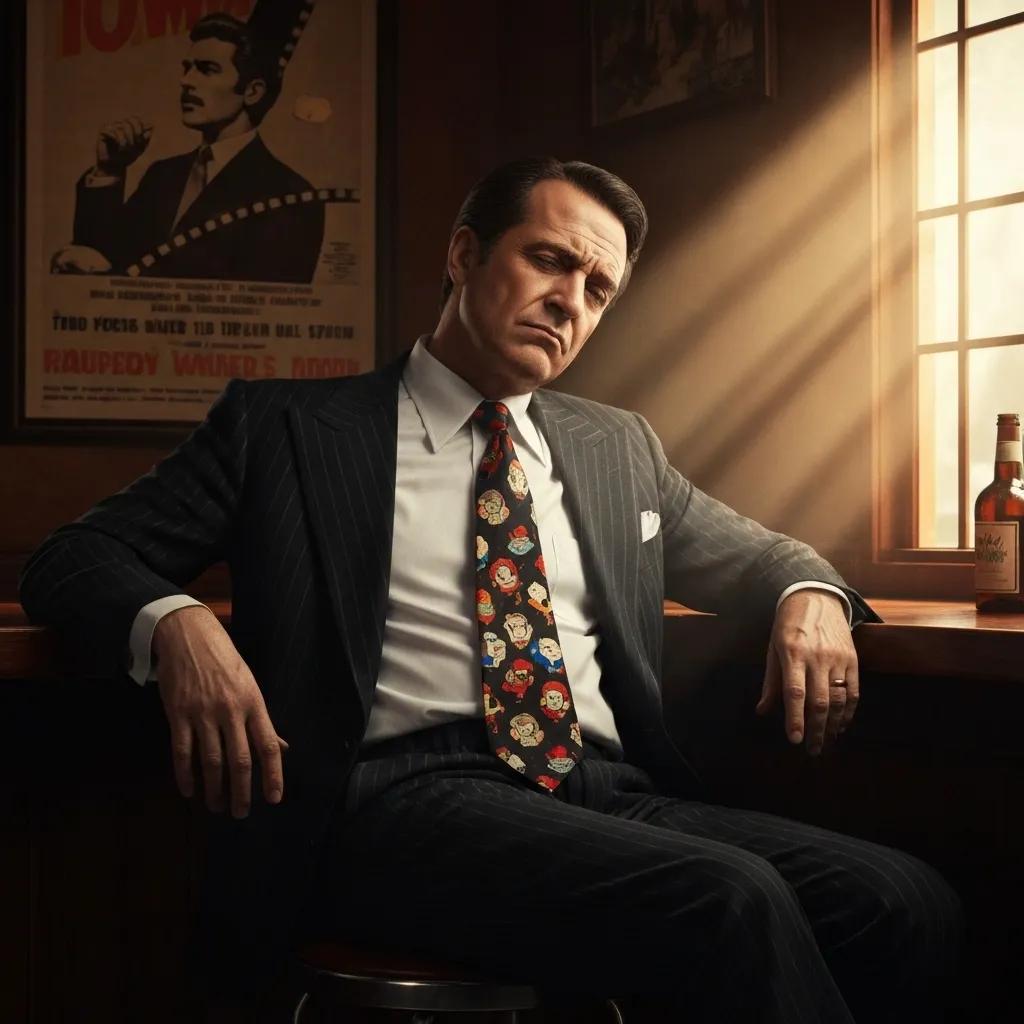
Tarantino’s protagonist was reportedly inspired by a lesser-known film critic who wrote for a pornographic magazine. Tarantino stated, “He wrote about mainstream movies and he was the second-string critic. I think he was a very good critic. He was as cynical as hell. His reviews were a cross between early Howard Stern and what Travis Bickle might be if he were a film critic.” (vulture.com)
With a critic archetype in hand, Tarantino turned to casting his final film with marquee names.
Which Actors Were Rumored to Star in “The Movie Critic”?
Below is a summary of the principal casting rumors circulating before the project stalled:
This table highlights how Tarantino eyed A-list collaborators to create dynamic on-screen confrontations. Those casting ideas underscored his ambition to end his directing career with a star-studded ensemble.
What Was the Production Status Before Cancellation?
By mid-2024, The Movie Critic had completed a full screenplay draft, location scouts were in place for iconic Hollywood backlots, and early concept art captured smoky screening rooms. Sony Pictures was rumored to handle distribution negotiations, and costume designers had drafted retro wardrobes. The film was firmly in pre-production, with Tarantino’s team assembling key department heads, before the director ultimately decided to pivot.
That pivot leads directly into understanding why Tarantino pulled the plug on this planned finale.
Why Did Quentin Tarantino Cancel “The Movie Critic”?
What Creative Reasons Led to Abandoning the Project?
Tarantino cited a creative change of heart, explaining that The Movie Critic felt too thematically close to his previous homage-style films. He recognized a risk of repeating his own narrative patterns and instead yearned for an uncharted direction that would challenge both himself and audiences. This realization prompted him to abandon a completed script in favor of preserving artistic integrity and delivering a genuinely fresh cinematic farewell.
This creative decision inevitably impacted his personal retirement blueprint.
How Did the Cancellation Affect Tarantino’s Retirement Plans?
By scrapping his announced finale, Tarantino reaffirmed his 10-film retirement rule while opening the door to a different project as his true capstone. Abandoning The Movie Critic temporarily paused film number ten but did not alter his commitment to stepping away after completing that tenth work. Fans and critics now await which concept will become his actual final feature and how this delay will shape his legacy.
Tarantino has spoken about this shift in several public forums.
What Has Tarantino Said Publicly About the Cancellation?
Quentin Tarantino has explained on podcasts and in interviews that he regards filmmaking as an evolving journey rather than a checklist. He stated, “I want my last film to feel like something I’ve never done before,” underscoring his desire to avoid creative complacency. In press comments, he emphasized that abandoning a finished script is painful but necessary to honour his vision of delivering an unforgettable finale.
Having examined the cancellation, it’s essential to understand the guiding principle behind Tarantino’s career exit strategy.
What Is Quentin Tarantino’s 10-Film Rule and Retirement Philosophy?
When and Why Did Tarantino Establish the 10-Film Rule?
Tarantino first revealed his 10-film retirement pledge in the early 2000s, motivated by the belief that an auteur’s work should remain consistently vital. He feared diminishing returns and creative burnout if he continued directing indefinitely. By setting a firm limit at ten films, he aimed to preserve the impact of his catalog and leave the medium on his own terms.
How Does the 10-Film Rule Shape His Filmography and Legacy?
The self-imposed cap has lent each of Tarantino’s entries—from Reservoir Dogs through Once Upon a Time in Hollywood—a heightened sense of purpose and finality. With every release, audiences speculate whether it will be the last, generating sustained anticipation and critical scrutiny. This approach reinforces his reputation for bold risk-taking and has cemented his status as a director who values artistic integrity over endless output.
How Have Other Directors Reacted to Tarantino’s Retirement Approach?
Some established filmmakers view Tarantino’s rule as a visionary stand for creative control, while others consider it impractical. Martin Scorsese praised the concept of an intentional finale but noted that cinema’s collaborative nature often makes fixed endpoints difficult. Ridley Scott called the idea “intriguing” yet questioned whether a director could resist returning to storytelling once the lens is in hand. These industry perspectives highlight the unique place Tarantino’s philosophy occupies in filmmaking discourse.
What Are Quentin Tarantino’s Current and Future Creative Projects?
What Is Known About Tarantino’s Upcoming Stage Play?
Following the cancellation of his film finale, Tarantino has confirmed he is writing a stage play slated to debut in London in 2026. This theatrical venture allows him to experiment with dialogue-driven storytelling, live audience dynamics, and a stripped-down production model. By shifting from cameras to footlights, he aims to stretch his talents as a writer and director in a fresh medium.
What Are the Speculations About His Actual Final Film?
Industry insiders speculate that Tarantino’s real tenth feature may explore revisionist Westerns, Asian martial arts epics, or even a biopic of a real-life Hollywood icon. Themes of revenge, justice, and pop-culture obsession remain likely, but fans expect a narrative and style unlike anything in his past catalog. This air of mystery intensifies anticipation for the project that will officially close his directing chapter.
How Does Tarantino Plan to Explore New Artistic Territory?
By alternating between film, theater, and perhaps novel writing or podcasting, Tarantino seeks to expand his creative repertoire. He has expressed interest in immersive storytelling, interactive experiences, and deeper collaborations with emerging artists. This commitment to innovation signals that, even as he winds down his feature-film career, his influence on entertainment culture will continue evolving.
With his next chapters underway, we can place The Movie Critic within the context of his broader body of work.
How Does “The Movie Critic” Fit Into Tarantino’s Cinematic Legacy?
How Does the Film’s 1970s Hollywood Setting Reflect Tarantino’s Style?
Tarantino’s affinity for period pieces shines through in The Movie Critic’s 1970s Los Angeles backdrop, echoing the era-specific flourishes of Once Upon a Time in Hollywood. His meticulous recreation of vintage textures, soundtrack curation, and cultural references would have strengthened his reputation as a filmmaker who transforms history into vivid, stylized cinema. That commitment to authenticity and nostalgia typifies his signature approach.
What Themes in “The Movie Critic” Align With Tarantino’s Past Films?
Recurring themes of revenge, obsession, and celebration of pop culture permeate The Movie Critic’s narrative blueprint. Just as his Blancanieves-inspired shootout in The Hateful Eight dissected American violence, this story aimed to interrogate the power dynamics between critic and creator. Tarantino’s fascination with how individuals wield influence and exact justice would have found fresh expression in his aborted final film.
How Has Tarantino Influenced Modern Cinema and Film Criticism?
By blending genre conventions with whip-smart dialogue and film-historical homage, Tarantino has reshaped both popular taste and scholarly discussion. Critics now debate his use of nonlinear structure, extended monologues, and cross-genre mashups as benchmarks for postmodern auteurism. His collaboration with critics—turning Pauline Kael into narrative muse—highlights the symbiotic relationship between filmmaking and criticism that defines his enduring influence.
What Are the Industry Trends Around Director Retirement and Final Films?
How Common Is It for Directors to Retire After a Set Number of Films?
Retiring at a fixed count is rare; most acclaimed directors either slow output with age or pivot to producing and mentoring. Statistical surveys of auteur careers show fewer than 5% adhere to a strict film-count limit, making Tarantino’s 10-film rule a notable outlier. His approach underscores a strategic effort to preserve narrative impact rather than accumulate credits.
What Are Audience Expectations for a Director’s Final Film?
When a filmmaker declares a swan song, viewers anticipate a summative masterpiece—an emotional culmination of themes, style, and personal voice. Box office and critical reception often spike as fans seek closure, while awards season attention typically intensifies. This phenomenon raises the stakes for both creators and studios when final-film announcements are made.
How Do Film Cancellations Like “The Movie Critic” Affect Industry Perceptions?
High-profile cancellations risk disappointing stakeholders and dampening buzz, but they can also signal uncompromising commitment to quality. Studios may view aborted projects as costly experiments, yet a well-explained creative pivot often preserves a director’s brand as a serious artist. Tarantino’s transparent reasoning helped maintain his reputation for excellence even as plans shifted.
What Are the Most Asked Questions About “The Movie Critic” and Tarantino’s Final Film?
Is “The Movie Critic” Still Quentin Tarantino’s Last Movie?
No, The Movie Critic is no longer slated as his final film. After completing the script and entering pre-production, Tarantino canceled the project to pursue a more innovative tenth feature.
Why Did Quentin Tarantino Abandon “The Movie Critic”?
He abandoned the project due to a creative change of heart, feeling it risked retreading familiar territory and undermining his desire for an original cinematic farewell.
What Was the Plot of “The Movie Critic”?
The story centered on a sharp-tongued critic in 1977 Los Angeles writing reviews for an adult magazine, exploring the influence of film criticism on Hollywood’s power structures.
Will Brad Pitt Star in Tarantino’s Final Film?
Brad Pitt was only a casting rumor for The Movie Critic; no official confirmation has been made for any future Tarantino projects.
When Will Quentin Tarantino’s Actual Final Film Be Released?
Tarantino has not announced a release date for his true tenth feature, which remains in development following his stage-play work aimed at a 2026 London premiere.
Tarantino’s aborted finale and evolving retirement journey underscore his commitment to creative integrity and storytelling innovation. Fans and industry observers alike remain poised for the director’s next move—whenever he decides to light the camera and roll credits on his ultimate cinematic statement.