Report: Pickleball Injuries on the Rise Among Older Adults – Statistics, Causes, Prevention, and Treatment
Pickleball participation among seniors has nearly doubled in the past two years even as related fractures surged 90-fold in players over 60, revealing a critical wellness challenge.
[The Rising Incidence of Pickleball Injuries in Older Adults]
This report delivers evidence-based statistics on injury trends, analyzes the age-specific mechanisms behind falls and strains, outlines the most common upper and lower body traumas, and maps out prevention, treatment, and rehabilitation strategies for older adults. We will explore demographic factors driving injury rates, detail senior-focused prevention methods, clarify when to seek professional care, and compare pickleball risks with other sports to guide safer, active lifestyles.
Why Are Pickleball Injuries Increasing Among Older Adults?
Pickleball injuries among seniors are climbing because the sport’s explosive growth in the 55+ demographic coincides with age-related declines in bone density, balance, and reaction time, making falls and overuse traumas more likely during rapid lateral movements. For example, emergency department visits for pickleball-related fractures doubled after 2020 as older players navigated faster rallies without targeted conditioning. Understanding who is playing and how age amplifies risk sets the stage for identifying injury mechanisms.
What Demographic Trends Explain the Rise in Senior Pickleball Players?
The senior segment now comprises one-third of frequent pickleball participants, with 20% aged 55–64 and another 33% aged 65+, reflecting baby boomers turning to social, low-impact sports for wellness and community engagement. As retirement communities install courts and clubs host senior clinics, participation surges but so do exposure hours, directly contributing to a higher volume of falls, sprains, and fractures among older adults.
How Do Age-Related Factors Increase Injury Risk in Seniors?

Bone density naturally declines with age, with osteoporosis affecting up to 25% of adults over 65, while reduced muscle mass, joint stiffness, and slower proprioception undermine the ability to respond to sudden shifts in direction. For instance, slower reaction time can transform a routine volley into a wrenching backpedal that strains the knee or precipitates a wrist fracture upon impact, underscoring the link between physiological changes and pickleball trauma.
[Age-Related Factors and Injury Risk in Pickleball]
What Are the Most Common Mechanisms Causing Injuries in Older Pickleball Players?
Falls account for over 90% of serious pickleball injuries in seniors, often triggered by uneven footing, quick lateral lunges, or backpedaling without proper balance. Overuse from repetitive serves and volleys leads to tendonitis and strains, while sudden directional changes can tear ligaments—making both dynamic court movements and sustained rallies key injury drivers among older adults.
What Are the Most Common Pickleball Injuries for Older Adults?
Pickleball injuries in seniors span acute trauma to chronic overuse conditions, with fractures, sprains, and contusions dominating the clinical picture due to falls, missteps, and repetitive strokes. A focused look at upper body, lower body, fall-related, and overuse injuries reveals target areas for prevention and treatment.
Which Upper Body Injuries Affect Senior Pickleball Players?
Rotator cuff tears, tennis elbow, and wrist fractures are frequent in older players due to repetitive overhead serves, powerful backhand swings, and instinctive hand-first bracing during falls. Protective shoulder strength and proper grip technique can reduce strain on the rotator cuff and extensor tendons of the elbow.
What Lower Body Injuries Are Frequent Among Older Pickleball Players?
Ankle sprains, meniscus tears, and hip fractures occur when seniors pivot sharply or land awkwardly from lunges. Reduced joint flexibility and slower neuromuscular response increase the likelihood of ligamentous tears in the knee and unstable landings that can fracture the proximal femur in individuals with weakened bone structure.
How Do Falls Contribute to Fractures and Other Injuries in Seniors?
Falls on court surfaces often result in distal radius fractures, hip breaks, and shoulder dislocations in seniors, with 92% of pickleball fractures attributed to abrupt slips or trips. The energy transfer during a forward fall can concentrate force on outstretched arms or hips, making these body parts particularly vulnerable without fall-training or protective padding.
What Overuse Injuries Should Older Players Watch For?
Repeated serving motions and extended play sessions can lead to tendonitis of the Achilles, patellar tendinitis, and forearm strains, as microtrauma accumulates in connective tissues lacking adequate recovery. Without progressive conditioning plans, seniors may experience persistent pain in the heel, knee, or elbow, signaling early overuse pathology.
How Can Older Adults Prevent Pickleball Injuries Effectively?
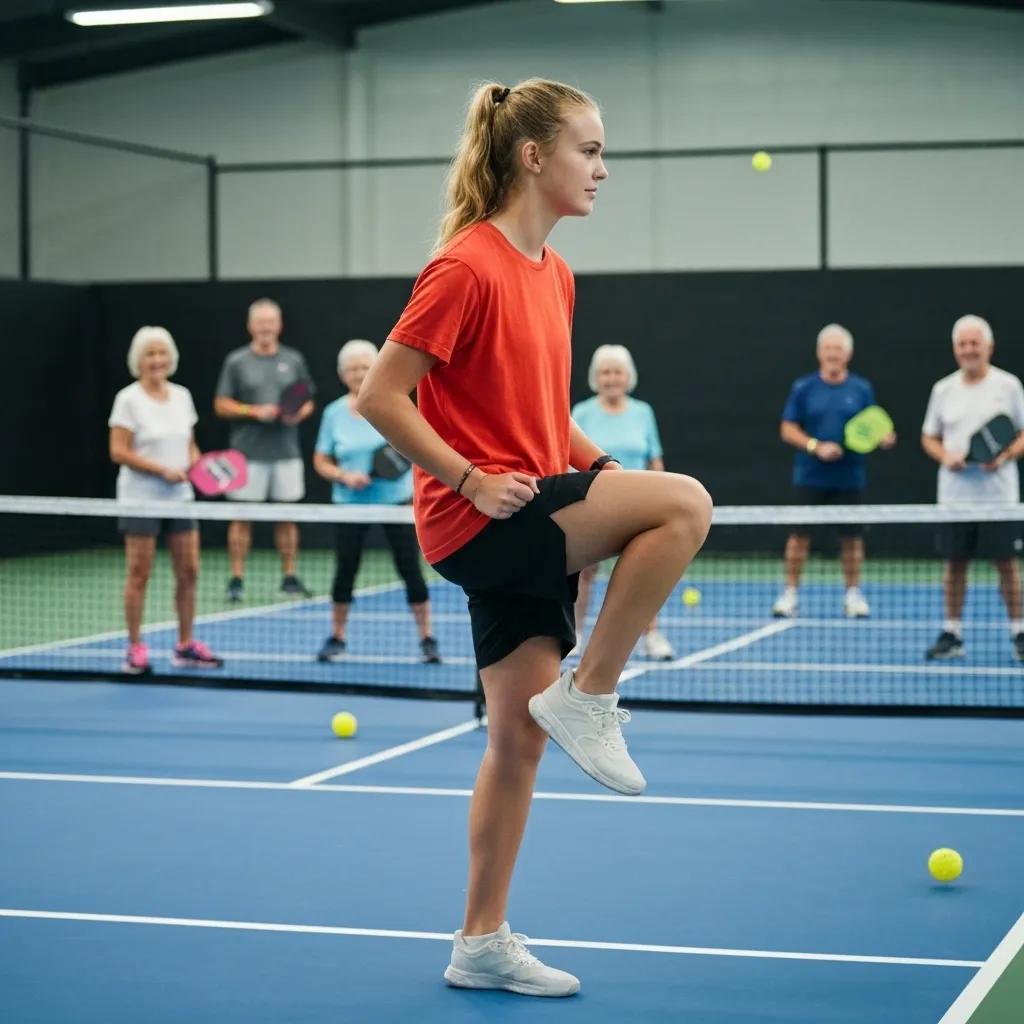
Seniors can minimize injury risk through targeted warm-ups, proper equipment selection, on-court safety habits, and monitoring key health indicators.
[Common Pickleball Injuries and Prevention Strategies]
A structured prevention strategy bridges physiological vulnerabilities and court demands, fostering safer participation and sustained enjoyment.
What Are the Best Warm-Up and Conditioning Exercises for Seniors?
A dynamic routine combining leg swings, torso rotations, and shoulder openers primes muscles and joints for pickleball play, while balance drills on a foam pad and resistance band exercises strengthen core stability and lateral agility. These preparatory moves reduce stiffness, enhance proprioception, and lower the likelihood of abrupt falls or sprains.
Which Equipment Choices Reduce Injury Risk for Older Pickleball Players?
Choosing supportive low-profile court shoes with non-marking soles improves traction, while paddles with ergonomic grips decrease wrist torque. Protective eyewear guards against stray balls and sun glare, and wrist braces can offer extra support during extended rallies, collectively reducing mechanical stress on older muscles and joints.
How Can On-Court Safety Practices Minimize Falls and Sprains?
Maintaining consistent court awareness, advancing footwork drills that emphasize small, controlled steps, and avoiding sudden backpedaling over uneven lines help seniors anticipate ball trajectories and react safely. Establishing clear communication with partners prevents collisions, while playing at a controlled pace limits abrupt movements.
What Health Considerations Should Seniors Monitor to Prevent Injuries?
Regular osteoporosis screenings, hydration tracking, and attentive rest intervals enable older players to recognize declining bone health, muscle fatigue, and early warning signs of overuse. Adjusting play intensity based on blood pressure, joint pain, or balance fluctuations ensures proactive injury avoidance.
When Should Older Adults Seek Medical Attention for Pickleball Injuries?
Timely professional evaluation preserves function and prevents complications in senior pickleball traumas, with specific warning signs guiding when to consult a physician, employ first aid, or initiate rehabilitation.
What Are the Signs That Require a Doctor or Orthopedic Specialist Visit?
Severe pain unrelieved by rest, rapid swelling, visible deformity, or inability to bear weight signal potential fractures or ligament ruptures that warrant immediate orthopedic assessment. Persistent numbness, locking joints, or triggering sensations also indicate internal damage requiring diagnostic imaging.
How Is Initial Injury Response Managed in Seniors?
Applying the RICE protocol—Rest, Ice, Compression, Elevation—within the first 24–48 hours reduces swelling and discomfort, while gentle range-of-motion exercises prevent joint stiffness. Monitoring for circulatory changes or skin integrity is crucial to avoid secondary complications in older skin and vasculature.
What Role Does Physical Therapy Play in Recovery for Older Players?
Customized rehabilitation programs rebuild strength, flexibility, and proprioception through graded resistance training, aquatic therapy, and balance drills. Physical therapists guide seniors through milestones, typically restoring baseline function within 6–12 weeks for sprains and tendon injuries.
When Is Surgery Necessary for Pickleball Injuries in Older Adults?
Surgical intervention becomes imperative for displaced hip or femur fractures, complete rotator cuff tears, or unstable meniscus tears unresponsive to conservative care. Postoperative protocols incorporate gradual weight-bearing and targeted mobilization to optimize healing while reducing risks associated with anesthesia and prolonged immobilization.
How Do Pickleball Injury Statistics Reflect Trends Among Older Adults?
Data from emergency departments and national injury surveillance reveal age- and gender-specific patterns in pickleball traumas, highlighting which body parts and demographics face the highest risks.
What Are the Recent Trends in Pickleball Injury Rates for Seniors?
Between 2002 and 2022, seniors experienced a 90-fold rise in pickleball fractures, with 24,000 total events and 5,400 cases in the most recent year. ER visits climbed by 88% post-2020, while hospitalization rates doubled for adults over 60, underscoring an urgent need for targeted prevention.
Which Body Parts Are Most Commonly Injured in Senior Pickleball Players?
How Do Injury Rates Differ by Age and Gender Among Older Adults?
Women over 65 account for the majority of upper extremity fractures, often linked to post-menopausal bone loss, while men are 2.3 times more likely to require hospitalization for hip and femur fractures. Across the 60–79 age bracket, sprains dominate at 33%, with contusions comprising 10.6% of injuries in both genders.
What Rehabilitation and Recovery Strategies Support Older Adults After Pickleball Injuries?
Effective recovery combines age-appropriate physical therapy, realistic timelines, and nutritional interventions that optimize tissue repair and bone health, empowering seniors to return safely to the court.
What Are Age-Appropriate Physical Therapy Exercises for Common Injuries?
Eccentric heel-drop exercises, seated leg raises, and shoulder isometrics rebuild strength without overstressing healing tissues, while gentle tai chi–style balance drills restore proprioception. Incorporating closed-chain knee extensions supports joint stability after meniscus injuries.
How Long Is the Typical Recovery Timeline for Senior Pickleball Injuries?
A gradual progression from mobility to strength preserves functional gains and reduces re-injury risk.
How Can Nutrition and Bone Health Support Injury Recovery?
Adequate calcium and vitamin D intake, combined with protein-rich meals, promotes bone remodeling and muscle repair. Supplements such as magnesium and omega-3 fatty acids support anti-inflammatory pathways, while weight-bearing exercises enhance bone density recovery in seniors.
How Does Pickleball Injury Risk Compare to Other Sports for Older Adults?
When evaluating sports for an active lifestyle, seniors should weigh pickleball’s dynamic demands against lower-impact options like walking or swimming and precision sports like golf.
What Are Injury Rates in Pickleball Versus Golf, Walking, and Swimming?
Which Injury Types Are More Common in Pickleball Compared to Other Senior Sports?
Pickleball yields higher rates of acute fractures and lateral ankle sprains, while golf and walking lean toward chronic overuse conditions such as tendinopathies. Swimming preserves joint integrity but can strain the rotator cuff without proper technique.
How Can Seniors Choose Safer Sports Based on Injury Risk Profiles?
Balancing cardiovascular benefits with musculoskeletal safety, seniors should integrate cross-training: one or two pickleball sessions weekly, complemented by low-impact aerobics, strength training, and flexibility routines. This diversified approach distributes load, reduces repetitive stress, and nurtures overall wellness.
Older adults can continue enjoying pickleball’s social and fitness rewards by embracing targeted prevention, recognizing early warning signs, and engaging in structured recovery strategies. With informed equipment choices, court practices, and rehabilitation protocols, the rising tide of senior injuries can be turned into a wave of safer, enduring participation.