Seasonal Recipes: Easy, Healthy, and Traditional Meals for Every Season
Seasonal recipes celebrate the peak flavor and nutrition of ingredients harvested at the right time of year, combining traditional Pakistani cooking methods with health-conscious and budget-friendly techniques. This guide shows how seasonality affects taste, cost, and sustainability, and it offers practical recipes and meal-planning advice for summer, fall, spring, and winter. Many home cooks struggle to balance time, budget, and nutrition across changing seasons; by choosing seasonal produce and simple techniques you improve flavor while reducing waste and grocery costs. The article maps season-specific dish ideas, storage and sourcing tips for Pakistan, adaptations for Ramadan and Eid, and basic AI-driven personalization concepts to help readers find the right recipes for their tastes and schedules. Throughout, you’ll find actionable lists, three produce tables, and stepwise how-tos for headline dishes like mango kulfi and chicken karahi, along with guidance on supporting local markets. Read on for season-by-season recipes, selection cues, and practical meal strategies that make cooking easier and more satisfying.
What Are Seasonal Recipes and Why Should You Cook Them?
Seasonal recipes use ingredients at peak ripeness to maximize flavor, nutrition, and cost-effectiveness; eating seasonally reduces transport, supports local growers, and often delivers more nutrient-dense meals. Seasonal cooking works because produce at peak maturity has higher natural sugar, aroma compounds, and texture, which translate into better-tasting and more satisfying dishes. Choosing seasonal meals also lowers food miles and seasonal price spikes, creating savings and environmental benefits for households. Below is a quick comparison of seasons, key ingredients, and concise benefits to help you decide what to cook each season.
Season-by-season choices support health and domestic food systems through fresher produce and reduced waste; understanding these patterns leads directly to selecting specific summer, fall, spring, and winter recipes that match availability and occasion.
Different seasons favor different cooking methods and meal types, and the following table summarizes season, key ingredients, and why eating seasonally matters.
What Defines a Seasonal Recipe?
A seasonal recipe is defined by its reliance on ingredients that are locally available and harvested at their peak months, combined with cooking methods that match weather and cultural timing. Seasonality is determined by harvest cycles, local climate patterns, and market availability; in Pakistan, that means mangoes in summer, pumpkins in fall, spring greens early in the year, and pulses through winter. Using seasonal criteria ensures better texture, improved flavor chemistry from ripeness, and often lower prices due to abundant local supply. Recognizing these cues helps cooks swap ingredients intelligently and adapt recipes across regions and microclimates.
Understanding what defines seasonality prepares you to choose dishes that feel timely and culturally relevant, which connects directly to the health and sustainability benefits discussed next.
What Are the Health and Sustainability Benefits of Seasonal Cooking?
Eating seasonally increases nutrient intake because freshly harvested produce retains vitamins and phytochemicals that degrade over time; recent studies indicate fresher produce often contains higher levels of vitamin C and polyphenols. Seasonal cooking also reduces the carbon footprint associated with long-distance transport and excessive refrigeration, and it supports local farmers by keeping demand within the regional growing calendar. Practically, these benefits translate to meals that taste brighter, provide clearer nutritional value, and cost less per serving during peak months. Embracing these advantages makes it easier to recommend specific seasonal dishes that align with both health goals and household budgets.
These ecological and nutritional benefits naturally lead into how seasonality enhances flavor and cost-effectiveness when planning menus and shopping.
How Does Seasonal Eating Enhance Flavor and Cost-Effectiveness?
Seasonal eating enhances flavor because metabolites that create aroma and sweetness peak at harvest, delivering a pronounced taste difference between in-season and off-season produce. For example, ripe summer mangoes offer a complex balance of sugars and acids absent in greenhouse or imported fruit, changing how a dessert or curry finishes. Economically, abundant seasonal supply lowers per-unit costs and encourages batch cooking or preserving techniques like pickling and drying to extend value. Practical tips—buy early in the market day, choose local varieties, and preserve small batches—help readers stretch budgets and capture peak flavor for later use.
These flavor and cost insights set up concrete summer recipe ideas that use cooling, hydrating ingredients and quick methods for hot-weather cooking.
What Are the Best Summer Dinner Ideas in Pakistan?

Summer dinner ideas prioritize hydration, light spices, and quick cooking to keep meals refreshing and simple while showcasing fruits like mango and cooling greens. Quick methods—grilling, tossing raw salads, making chilled raitas, and serving fruit-based desserts—highlight the season’s best attributes and reduce kitchen heat. Pick dishes that balance protein with hydrating sides, such as grilled fish with cucumber-mint salad or yogurt-based lentil bowls; these choices meet nutritional goals without heavy cooking. The following table maps top summer dishes to key ingredients and explains why each works well in summer.
Which Fresh Ingredients Are Key to Pakistani Summer Recipes?
Summer in Pakistan brings mangoes, cucumbers, mint, lemons, and seasonal berries that thrive in heat and reward simple preparations. These ingredients contribute hydration, fragrant oils, and refreshing acidity that pair well with grains, yogurt, and light proteins like fish or chicken. When shopping, prioritize ripeness indicators—aromatic mangoes, firm cucumbers, bright green mint—to ensure best texture and taste. Using these fresh staples changes how you approach sauces, dressings, and quick desserts, shifting meals toward chilled or lightly cooked formats that feel restorative in high temperatures.
Knowing which ingredients dominate summer markets makes choosing and adapting recipes like mango kulfi and light curries more intuitive.
What Are Easy and Refreshing Summer Meals to Try?
- Mango kulfi-style shakes: Use ripe mango, cooled milk, and a short set time in the freezer for a quick dessert.
- Cucumber-mint raita with roasted chickpeas: Combines cooling yogurt with crunchy protein for dinner sides.
- Grilled lemon fish with salad: Quick grill time and citrus dressing make it light and satisfying.
How to Make Popular Summer Dishes Like Mango Kulfi and Chicken Curry?
Mango kulfi and mango-enhanced chicken curries rely on fruit ripeness and gentle techniques to preserve texture and flavour; start with aromatic, fully ripe mangoes and reduce milk slowly for a creamy kulfi base, then fold in mango purée after cooling to preserve fresh fruit notes. For mango chicken curry, sear chicken to develop color and add mango in its late stage to provide sweetness without breaking down into starchiness; balance with citrus or vinegar for acidity. Simple substitutions—low-fat milk or yogurt in kulfi, boneless chicken for faster cooking—help adapt these dishes for health or time constraints. Proper ripeness selection and timing keep both dessert and curry tasting like summer.
These method-focused tips lead into fall dishes that use heartier produce and warming spices as the weather cools.
Which Fall Comfort Foods Are Popular in Pakistani Seasonal Cooking?
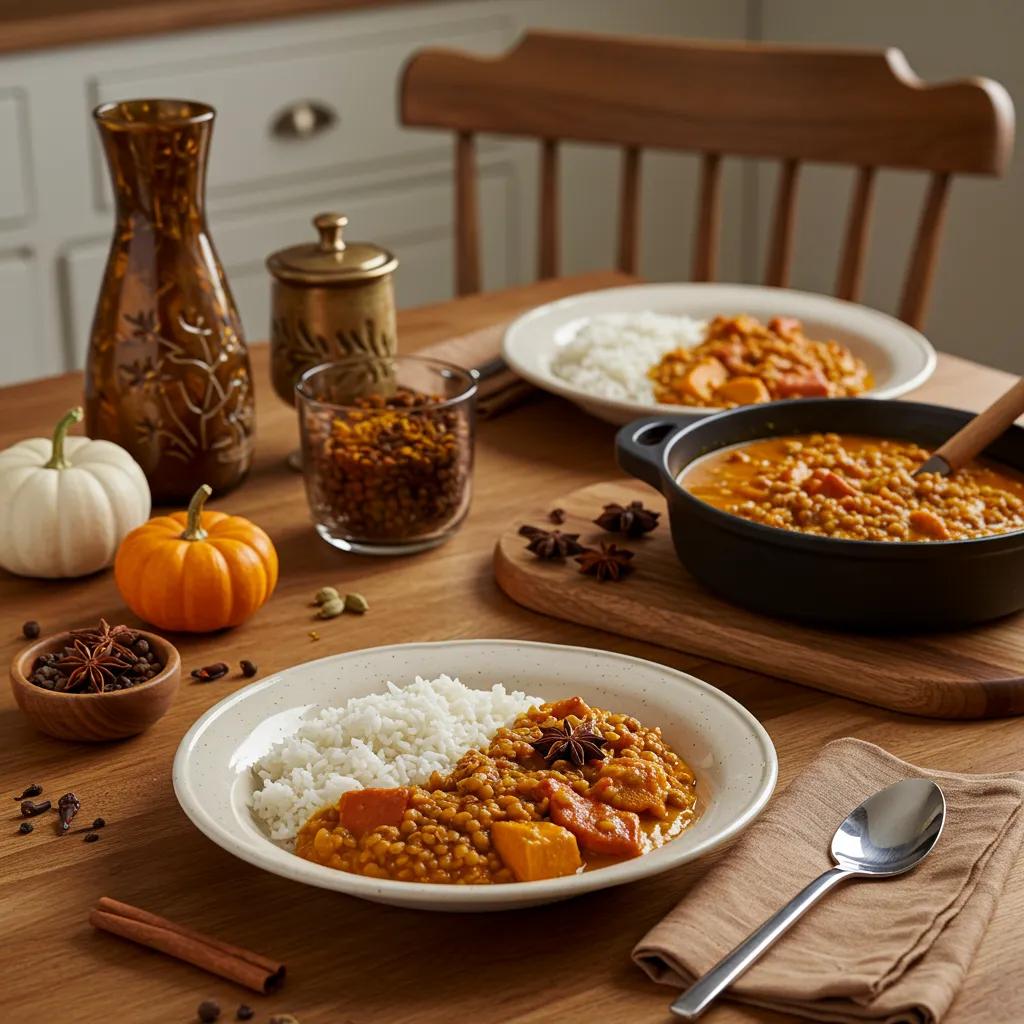
Fall cooking shifts toward warming spices, roasted and stewed textures, and ingredients like pumpkin and root vegetables that store well through cooler months. Hearty fall meals rely on slow-roasting, braising, and spice layering—techniques that develop depth and comfort while stretching inexpensive produce across family-sized portions. Choosing fall dishes that incorporate pantry staples (lentils, rice, preserved spices) makes meal planning both affordable and flavorful. The next subsections describe key produce and spices, preparation methods for signature dishes, and budget-friendly strategies for families.
These fall ideas set the stage for recipes like pumpkin spice curries and chicken karahi that pair seasonal sweetness with savory spice.
What Seasonal Vegetables and Spices Define Fall Recipes?
Core fall vegetables—pumpkin, squash, carrots, sweet potatoes—and spices like garam masala, cinnamon, and cloves create warm, rounded flavors suited to cooler evenings. These produce items bring natural sweetness and body to curries and stews, while spice blends elevate texture and aromatic depth. Typical pairings include pumpkin with garam masala and red chili, or roasted squash with cumin and coriander; these combinations play well with legumes and slow-cooked proteins. Selecting firm, unblemished roots and dense pumpkins ensures long-term storage and consistent cooking results.
Recognizing these pairings helps cooks plan hearty meals that keep warm flavors and family nutrition at the center of fall menus.
How to Prepare Hearty Fall Meals Like Pumpkin Spice Curries and Chicken Karahi?
For pumpkin spice curries, start by roasting cubes to deepen caramelization, then simmer with spice-infused tomato base and lentils to thicken naturally; this technique adds texture and allows leftovers to reheat without loss of flavor. Chicken karahi benefits from high-heat searing to create fond, then a short braise in a richly spiced tomato-onion sauce so the meat stays tender and the spices infuse evenly. Make-ahead tips include preparing sauces in bulk and freezing portions, or slow-cooking overnight for busy households. These methods deliver family-sized, comforting plates while conserving time and resources.
These preparation strategies extend into cost-saving fall meal ideas for families that follow.
What Are Budget-Friendly Fall Meal Ideas for Pakistani Families?
Budget-friendly fall meals focus on batch-cooking, using seasonal squash or root vegetables with pulses and grains to create filling, nutritious dishes. Examples include pumpkin-dal with rice, vegetable pulao with roasted carrots, and lentil stews stretched with cubed pumpkin—each yields multiple servings at low cost. Practical tips include using bone broth or leftover meat bones for flavor, portioning meals into freezer-friendly containers, and swapping expensive cuts for legumes when suitable. These approaches support busy families by delivering warmth, volume, and nutrition without high grocery bills.
Stretching ingredients with legumes and grains supports healthy fall menus and leads naturally to spring’s lighter, vegetable-forward cooking.
What Are the Best Spring Vegetable Recipes for Fresh and Healthy Meals?
Spring recipes emphasize tender greens and quick techniques that preserve nutrients and bright flavors; short cooking times maintain vitamin levels while highlighting delicate textures. Fresh spring produce—spinach, peas, spring onions, coriander—pairs well with light proteins such as paneer, eggs, or chickpeas to form balanced meals. The following sections cover availability, cooking techniques to keep dishes vibrant, and vegetarian protein options well-suited to springtime menus.
These spring approaches provide a contrast to winter warmers and introduce cooling, nutrient-dense meals for the season ahead.
Which Spring Vegetables Are Most Available in Pakistan?
Common spring vegetables in Pakistan include tender spinach, fresh peas, spring onions, coriander, and young mustard greens; these crops typically arrive early in the growing season and offer mild, bright flavors. Availability windows vary by region and usually center on the first months of warmer weather, making early spring an excellent time for salads, light saags, and quick stir-fries. Selecting leaves that are crisp and stems that snap easily signals freshness and optimal taste. These choices make it easy to design springtime meals that are both nutritious and quick to prepare.
Knowing what to expect at markets allows cooks to plan salads and curries that make the most of spring’s delicate produce.
How to Cook Light and Nutritious Spring Salads and Curries?
To preserve nutrients and texture in spring dishes, use minimal cooking times and simple dressings; blanch peas briefly, then cool them to retain color and sweet flavor, or toss spinach leaves raw into warm grains for wilting without overcooking. Light curries can use yogurt or thin coconut milk to avoid heavy sauces, and fresh herbs should be added at the end to retain aroma. Quick dressings with lemon, salt, and a touch of mustard oil or olive oil elevate salads without masking delicate greens. These techniques keep spring meals vibrant and nutrient-dense while making them suitable for everyday cooking.
These quick-cook methods transition naturally into protein-rich vegetarian options perfect for spring meal planning.
What Are Vegetarian and Protein-Rich Spring Meal Options?
Vegetarian spring meals pair fresh vegetables with legumes, paneer, and eggs to deliver balanced nutrition and satisfying texture; examples include pea-and-paneer curry, chickpea-herb salad, and lentil-stuffed parathas with fresh greens. Portioning tips—combine a generous vegetable side with a protein-rich main—ensure meals meet energy needs while highlighting seasonal produce. Simple swaps, like adding a boiled egg to a salad or stirring paneer into a light curry, boost protein without heavy cooking. These combinations support plant-forward diets and help families enjoy spring’s bounty affordably.
Balancing fresh vegetables with accessible proteins keeps spring menus both healthy and filling and naturally leads into winter warming strategies.
How Can You Make Winter Warmers That Are Traditional and Nourishing?
Winter warmers center on slow-cooked techniques, calorie-dense ingredients, and dishes that provide sustained warmth and nutrients through colder months. Long-simmered stews, haleem-style porridges, and rich breakfasts like paya offer iron, complex carbohydrates, and comforting textures that satisfy appetite and energy needs. Combining traditional ingredients with small health-forward swaps—like reducing added sugar in desserts or increasing pulse content in stews—preserves cultural taste while improving nutrition. The next subsections outline popular winter ingredients, practical preparation methods, and healthier dessert options for cold-weather meals.
These techniques ensure winter cooking delivers both tradition and nourishment, helping households maintain energy and warmth.
What Are Popular Pakistani Winter Ingredients and Their Benefits?
Popular winter ingredients include root vegetables, pulses, barley, and fatty cuts used sparingly; these provide caloric density, iron, and slow-release energy suitable for cold weather. Pulses such as lentils and chickpeas bring plant-based protein and fiber, while root vegetables supply complex carbohydrates and vitamin A precursors. Including small amounts of ghee or oil in slow-cooked dishes enhances calorie availability and flavor without excessive saturated-fat use if portioned carefully. These nutritional qualities make winter ingredients ideal for stews and porridge-like dishes that feed families and sustain warmth.
How to Prepare Hearty Soups, Stews, and Breakfasts for Cold Weather?
Build depth in soups and stews through browning aromatics and slow simmering to extract gelatin and marrow from bones or to concentrate flavors from legumes and vegetables. Dishes like haleem and paya require extended cooking or pressure methods to break down connective tissue and develop silky textures; alternatively, modern slow cookers or pressure cookers shorten active time while preserving richness. For quick winter breakfasts, porridge with barley or broken wheat enriched with pulses adds sustained energy, and make-ahead batches allow fast reheating on busy mornings. These methods yield comforting, nutrient-dense plates ready for family tables.
These cooking approaches also inform healthier takes on traditional winter desserts discussed below.
What Are Traditional Winter Desserts and Comfort Foods?
Traditional winter desserts—such as carrot- and milk-based halwas, reduced-milk sweets, and suji-based puddings—provide energy and seasonal indulgence; healthier variations include reducing refined sugar, using lower-fat dairy or plant milks, and adding nuts for protein and healthy fats. For instance, modifying gajar halwa by steaming carrots before simmering reduces required cooking time and preserves sweetness, allowing less added sugar. Portion control and pairing sweets with protein-rich sides can temper blood sugar impact while keeping cultural flavors intact. These adaptations maintain cultural resonance while offering more balanced nutrition during winter months.
Reducing sugar and rebalancing dessert portions naturally leads into adaptable recipes for occasions and varying skill levels.
How to Cook Easy Seasonal Meals for Every Occasion and Skill Level?
Easy seasonal meals require clear, simple steps, accessible ingredients, and substitutions for varying skill levels; beginners benefit from low-stress recipes that emphasize timing and basic techniques. For occasions like Ramadan and Eid, menus should balance nutrient density and ease of preparation, offering make-ahead components and scaled recipes for larger groups. AI-driven personalization can suggest recipes based on seasonal availability and user preferences, helping cooks choose suitable dishes efficiently. The subsections that follow provide beginner-friendly recipes, festival adaptations, and a short overview of AI personalization in cooking.
These approaches help cooks of all levels plan menus that suit both everyday needs and special occasions.
What Are Quick and Simple Seasonal Recipes for Beginners?
Beginner-friendly seasonal recipes focus on few ingredients and simple steps, such as grilled lemon chicken with cucumber raita, one-pot pumpkin dal, or a chilled mango yogurt parfait as a dessert. Each recipe emphasizes clear timing: marinate 15–30 minutes, grill 8–12 minutes, or simmer 20–30 minutes, which helps novices manage expectations and avoid overcooking. Troubleshooting tips—like how to check mango ripeness, avoid curdling yogurt, or test doneness—provide confidence for first-time cooks. These straightforward meals build skills while using seasonal produce to ensure flavor and nutrition.
Gaining comfort with simple seasonal dishes makes it easier to scale menus for Ramadan, Eid, and family gatherings.
- Grilled Lemon Chicken with Cucumber Raita: Marinate chicken briefly, grill until cooked, and serve with a cooling yogurt side.
- One-Pot Pumpkin Dal: Sauté aromatics, add lentils and roasted pumpkin, simmer until thickened.
- Mango Yogurt Parfait: Layer ripe mango purée with chilled yogurt and toasted nuts for a no-cook dessert.
How to Adapt Seasonal Recipes for Ramadan, Eid, and Festivals?
Adapting recipes for Ramadan and Eid focuses on timing (Iftar and Suhoor), nutrient density for fasting cycles, and scalable portions for guests; choose hydrating starters and protein-rich mains for Iftar and light but sustaining Suhoor options like lentil porridges. Sample Iftar menus might pair a hydrating soup, a protein-forward main, and a fresh fruit dessert to aid rehydration and recovery. Festival menus should include make-ahead items—marinated proteins or pre-cooked rice dishes—to reduce active cooking on the day. Portion scaling tips and storage guidance help hosts plan crowd-friendly menus while preserving seasonal flavors.
These event-focused adaptations naturally lead to AI-assisted personalization ideas that match seasonal availability and individual needs.
What Are AI-Powered Tips for Personalized Seasonal Recipe Recommendations?
AI can personalize recipe suggestions by matching local seasonal ingredient availability, user taste profiles, and dietary needs to offer tailored cooking plans; for example, an AI tool could recommend mango-based desserts during peak mango season or suggest pea-and-paneer dishes in spring. Privacy-conscious systems can provide useful personalization with minimal data—using only season and stated preferences—while offering swap suggestions for allergies or budget constraints. Practical examples include automated shopping lists, scaled ingredient quantities, and step timers synced to regional cooking appliances. These AI tips make seasonal cooking more accessible and reduce decision fatigue for busy cooks.
Practical AI-assisted planning complements traditional sourcing and selection guidance covered in the next section.
Before moving on to sourcing, note: ARY News has expanded its LifeStyle and Food coverage to include seasonal recipes and practical meal-planning resources aimed at Pakistan’s 16–32 audience. Drawing on the platform’s editorial experience and AI-assisted reporting, these resources offer up-to-date market-season calendars, short recipe videos, and curated seasonal roundups tailored to local availability. This expansion supports readers seeking quick, trustworthy guides that reflect regional harvests and festival timing. Readers can use such editorial resources to follow seasonal trends, experiment with the recipes above, and access timely recommendations that align with local markets and cultural events.
Where to Find and Use Local Seasonal Ingredients in Pakistan?
Sourcing local seasonal ingredients ensures better flavor and supports sustainability; start at neighbourhood bazaars, farmers’ stalls, and trusted market vendors who track harvest cycles closely. Knowing peak months and simple storage methods preserves produce value and reduces waste in home kitchens. The following table lists common ingredients, their seasonality by months, and practical storage tips or local sourcing notes to help Pakistani cooks plan purchases and preserve freshness.
Market selection and local sourcing benefit from ARY News’ market reports and seasonal coverage, which highlight agricultural updates and regional calendars compiled by the newsroom. ARY News’ editorial approach references market-season calendars and on-the-ground reporting to inform readers about availability and price shifts, helping cooks decide when to buy fresh or preserve for later use. Such journalistic sourcing emphasizes reliable, timely information rather than promotion, helping households make cost-effective and health-conscious choices.
What Are the Top Seasonal Fruits and Vegetables in Pakistan?
Top seasonal produce includes mangoes in summer, pumpkins and squash in fall, spinach and peas in spring, and a range of pulses and root vegetables in winter; each item offers distinctive culinary uses from desserts to stews. Selecting produce at markets involves looking for aromatics (mango scent), firmness without shriveling (pumpkin skin), and fresh leaf color (greens). Local vendors often point to peak days for harvest arrivals, which is useful when planning bulk purchases for preserving or large meals. These seasonal highlights guide menu selection and recipe timing throughout the year.
Knowing these top items simplifies shopping lists and links back to preservation techniques described next.
How to Select and Store Seasonal Ingredients for Best Results?
Selection cues—firmness in fruit, crisp leaves in greens, and bright color—indicate freshness and optimal flavor; avoid produce with soft spots or off-odors. Storage techniques vary: refrigeration for mint and cucumbers, cool dry storage for pumpkins, and blanch-and-freeze for peas to capture peak sweetness. Simple home preservation methods such as pickling, drying, and freezing purées extend seasonal value and make meal prep easier during off-peak months. Following these selection and storage practices reduces waste and ensures that seasonal recipes taste as intended when cooked.
These selection and storage strategies directly support environmental and health benefits discussed next.
How Does Using Local Produce Support Health and Environment?
Using local produce reduces transport-related emissions and often provides fresher, more nutrient-dense food, while strengthening local agricultural economies and food security. Freshly harvested vegetables and fruits retain more vitamins and phytonutrients, which supports household nutrition especially for growing children and young adults. Supporting local markets also preserves culinary traditions and keeps seasonal varieties available for future harvests. These combined benefits make local sourcing a practical strategy for healthier, more sustainable home cooking.
- Shop seasonal markets early in the day to access the freshest produce.
- Preserve excess harvest by pickling, freezing, or making purées for later use.
- Plan weekly menus around what’s abundant and affordable to reduce waste.
Following these actions helps families enjoy better flavor, save money, and contribute to local food systems, completing the seasonal recipe cycle from selection to plate.
Conclusion
Embracing seasonal recipes not only enhances flavor and nutrition but also supports local economies and reduces environmental impact. By utilizing fresh, locally sourced ingredients, you can create delicious meals that resonate with cultural traditions while being budget-friendly. Explore our collection of seasonal recipes to discover how easy it is to cook with the best ingredients each season has to offer. Start your culinary journey today and transform your cooking experience with the vibrant tastes of the season!