Small Space Living: Practical Ideas and Solutions for Compact Homes in Pakistan
Small space living describes designing and organizing homes where every square foot must pull double duty to meet daily needs while feeling comfortable and functional. Rapid urbanization and rising rents in Pakistan’s major cities have pushed residents toward smaller apartments, studio flats, and micro-apartments, making smart design and organization essential for wellbeing and efficiency. This guide, framed by ARY News’ mission as an information hub — providing timely, comprehensive reporting that keeps audiences informed and engaged — explains practical design principles, room-by-room strategies, and policy-aware trends relevant to Pakistani urban dwellers. Readers will learn core principles like decluttering and multifunctionality, room-specific layouts for living rooms and kitchens, the space-saving furniture options that deliver the best ROI, and organization hacks that create lasting order. We also examine micro-living trends, smart-home integrations, the tiny-house movement in Pakistan, and sustainable practices that reduce consumption while improving livability. Throughout, actionable lists, comparison tables, and localized tips for cities such as Karachi, Lahore, and Islamabad help translate concepts into immediate changes for compact homes.
What Are the Key Principles of Small Space Living?
Small space living is governed by four foundational principles that together increase usable area and perceived roominess: decluttering, multifunctionality, vertical storage, and optimized lighting and color. These principles work through simple mechanisms—removing non-essential items clears circulation, multifunctional furniture consolidates functions, vertical solutions transfer storage off the floor, and light plus color expand perceived volume—yielding measurable improvements in daily usability. The next paragraphs break each principle into actionable guidance and examples readers can apply to apartments, studios, and tiny homes across Pakistan. Understanding how these principles interact helps designers and residents prioritize changes with the biggest immediate impact.
How Does Decluttering Improve Small Space Functionality?
Decluttering improves functionality by reducing visual and physical obstacles, which opens circulation and makes small rooms feel larger and calmer. Start by categorizing items into keep, donate, repair, or recycle, and apply a timed routine—such as a weekend purge followed by a weekly 15-minute reset—to prevent reaccumulation. Decluttering also makes storage solutions more effective because fewer items need to be organized, improving retrieval and daily flow. Local residents can pair decluttering with resale or donation channels to move excess goods responsibly, and the psychological relief from decluttering often increases motivation to redesign spaces more intentionally.
Why Is Multifunctional Furniture Essential for Compact Homes?
Multifunctional furniture saves space by combining roles—sleeping, seating, storage, and work—into single pieces that shift purpose as needs change. Sofa-beds, storage ottomans, fold-down desks, and modular sofas allow one area to serve guests, remote work, and relaxation without permanent spatial trade-offs. When evaluating multifunctional pieces, check build quality, mechanisms, and ease of conversion; a higher initial cost often yields better durability and lower long-term replacement expense. Balancing cost versus space saved is crucial in Pakistani urban markets, as a durable modular piece can outperform multiple single-purpose items over time.
How Can Vertical Storage Maximize Small Apartment Space?
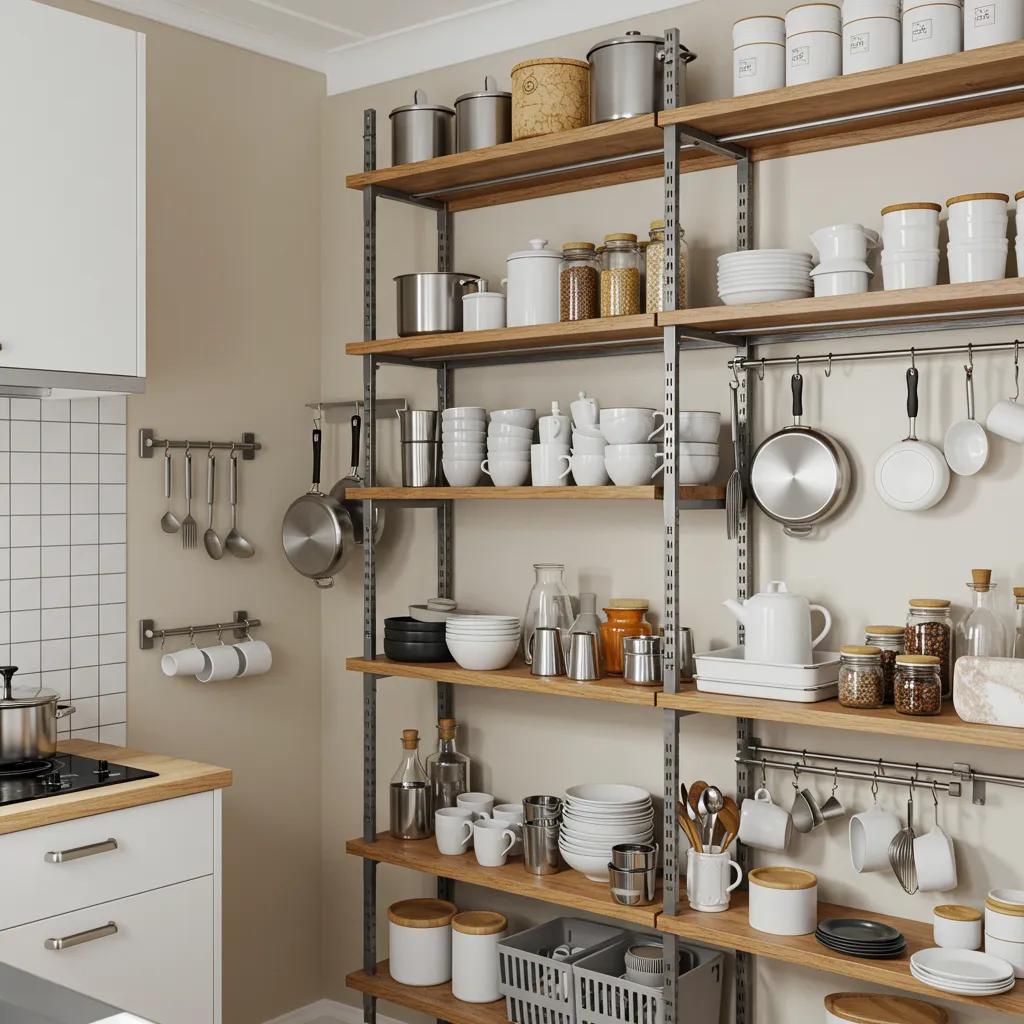
Vertical storage reclaims floor area by shifting cabinets, shelves, and hanging systems upward, creating storage layers while maintaining walkable surfaces below. Use tall bookcases, wall-mounted cabinets, and hooks to store seasonal items and daily essentials, and always consider weight distribution and fixing methods for masonry or plaster walls common in Pakistani apartments. Styling vertical storage with consistent colors and partial open shelving prevents a wall of clutter, and integrating lighting on higher shelves keeps items visible and usable. Properly executed vertical systems transform tight footprints into organized, multi-tiered storage without compromising room flow.
What Role Does Lighting and Color Play in Small Space Design?
Lighting and color shape perception: natural light and cool, reflective palettes make compact spaces feel larger, while layered artificial lighting provides flexibility for tasks and moods. Maximize window daylight by using sheer treatments and placing mirrors opposite windows to bounce light into deeper corners. Use warm task lighting for kitchens and study zones, and recessed or track lighting to avoid bulky fixtures that eat visual space. A cohesive color palette with lighter tones and selective contrast creates depth while maintaining warmth for Pakistani interiors that balance natural light, textile colors, and cultural preferences.
What Are the Best Small Apartment Design Ideas for Urban Pakistan?
Designing compact apartments in Pakistani cities requires culturally sensitive, room-specific strategies that fit local building types and daily routines. Effective layouts create distinct functional zones—sleeping, cooking, working, and socializing—while using furniture and screens to preserve privacy in open-plan flats. Materials and finishes that resist humidity and heavy use are preferred for kitchens and bathrooms, and choosing compact appliances and clever pantry storage preserves countertop space. The next set of subsections offers layout rules, bedroom strategies, kitchen storage hacks, and bathroom organization tips tailored to urban Pakistani apartments.
How to Arrange Living Room Furniture for Maximum Space?
Arrange living-room furniture to create clear circulation paths and flexible zones that accommodate work and social life within a compact footprint. Anchor seating around a central focal point—such as a slim media console or window—and use modular seating to reconfigure for guests or workspace needs. Float furniture slightly from walls when possible to allow airflow and avoid a cramped edge-to-edge look; use rugs and lighting to define a home-work split. Mirrors and vertical shelving visually expand the room while providing storage, and the layout should leave an unobstructed path to the main door to improve flow and perceived size.
Which Bedroom Designs Work Best in Small Apartments?
Small-bedroom designs prioritize sleeping comfort plus integrated storage to reduce external furniture needs while maintaining privacy in studios. Consider platform beds with built-in drawers, compact storage headboards, or high beds with underhouse storage to consolidate clothing and linens. For studio flats, lightweight room dividers or curtains create sleep zones without permanent walls, and wardrobe systems that mix hanging and folded storage maximize capacity within narrow closets. Selecting slim-profile furniture and neutral palettes helps maintain a restful atmosphere while preserving functionality in tight bedrooms.
What Kitchen Storage Solutions Save Space in Compact Homes?
Compact kitchens benefit most from vertical wall storage, magnetic strips, and pull-out organizers that transform small cabinets into efficient pantries. Install hooks for frequently used utensils, add slide-out trays for spices and condiments, and choose stackable containers to maximize limited shelving. Compact, multipurpose cooking appliances and collapsible cookware reduce countertop clutter, while corner carousel units and cutting boards that fit over sinks increase prep area. Prioritize durable finishes that handle humidity and frequent cleaning to extend the life of kitchen surfaces in urban Pakistani conditions.
How to Organize Bathrooms Efficiently in Small Spaces?
Efficient bathroom organization uses wall-mounted vanities, mirrored medicine cabinets, and corner shelves to keep toiletries accessible without crowding floors. Choose compact fixtures—pedestal sinks or wall-hung basins—and use recessed niches in showers where possible for shampoo storage. Quick upgrades like tension rods for hanging baskets or over-the-door hooks add storage without drilling, and consistent ventilation prevents moisture buildup that shortens fixture lifespans. Keeping daily-use items at reachable heights and seasonal items stored elsewhere maintains a clean, functional bathroom in limited square footage.
Which Space-Saving Furniture Options Are Ideal for Small Homes?
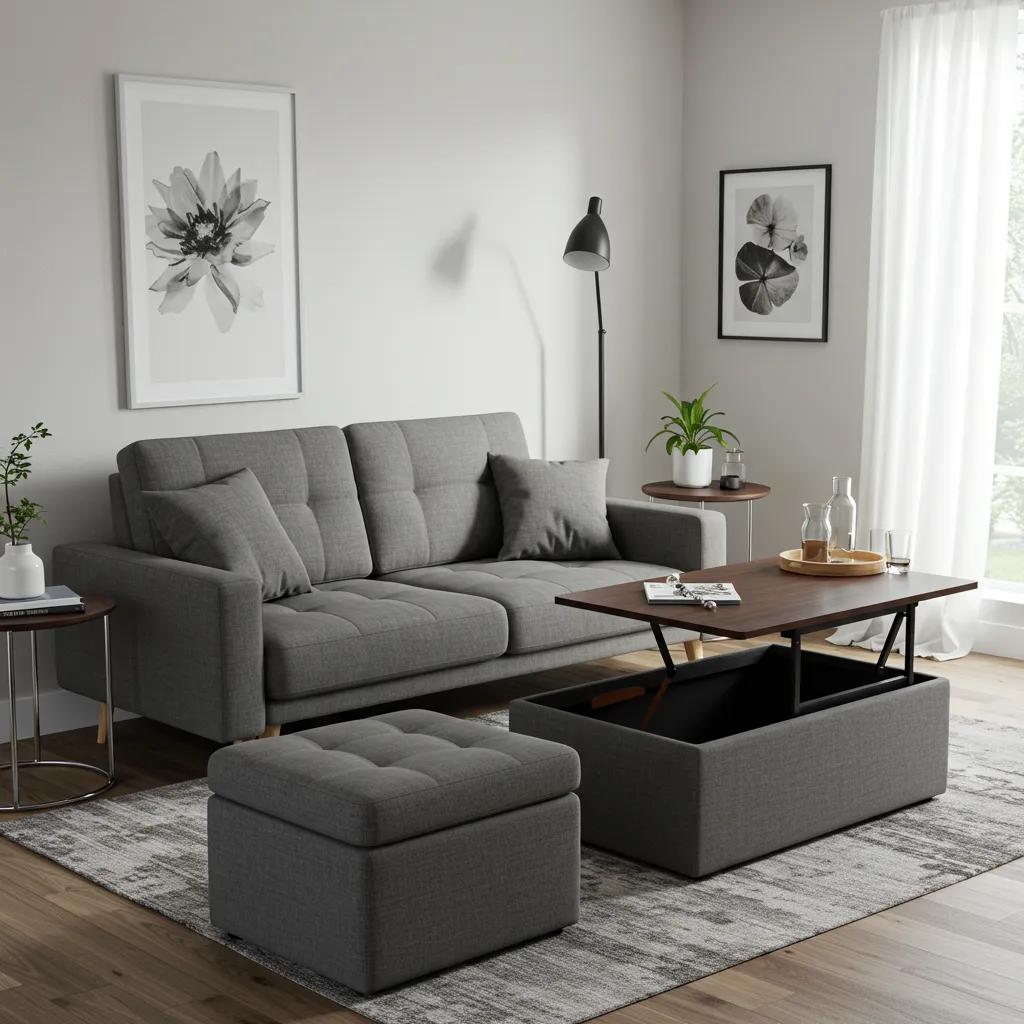
Selecting the right space-saving furniture depends on room function, budget, and conversion frequency; certain pieces consistently deliver high returns in compact homes. Multifunctional items like sofa-beds and storage ottomans convert living areas instantly, while Murphy beds free daytime floor area in studios and are particularly useful in single-room flats. Modular furniture provides adaptability for growing households or changing needs, and custom carpentry often yields the best fit for irregular Pakistani apartment dimensions. The comparison table below helps readers contrast common options by space saved, cost implications, and best uses.
Introductory table: This quick comparison highlights typical furniture choices, their relative space savings, expected cost brackets, and practical best-use cases for Pakistani apartments.
This table clarifies trade-offs: Murphy beds free the most floor space but require wall clearance and sturdy installation, while smaller modular pieces offer gradual adaptability.
What Are the Benefits of Multifunctional and Modular Furniture?
Multifunctional and modular furniture increases flexibility by allowing a single footprint to perform multiple tasks, reducing the need for duplicated pieces and lowering long-term costs. This adaptability supports lifestyle changes—for example, remote work requiring a daytime desk that converts to a dining area. Quality and mechanism durability are key; robust frames and tested conversions reduce maintenance and replacement. Modular pieces also make it easier to reconfigure apartments for new residents or changing family needs, making them a practical investment for Pakistan’s urban housing market.
How to Choose the Right Murphy Beds and Foldable Tables?
Choosing Murphy beds and foldable tables requires measuring clearances, checking wall construction for secure mounting, and verifying mechanism warranties and local support for installation. For Murphy beds, confirm the mattress thickness fits the cabinet and that the wall can bear the load; professional installation is often recommended. For foldable tables, evaluate hinge quality, leg stability, and surface durability for everyday use. Accurate measurement, clear installation instructions, and a small allowance for movement make the difference between a durable, safe piece and a frustrating purchase.
Where to Find Affordable Space-Saving Furniture in Pakistan?
Finding affordable space-saving furniture in Pakistan typically involves a mix of custom carpentry, local furniture markets, and online marketplaces where dimensions and materials can be compared. When working with local carpenters, request portfolios or photos of previous modular builds and discuss materials, finishes, and hardware quality to avoid surprises. Use clear measurements and a simple sketch to communicate needs, and ask for reference projects if available; negotiating scope and timeline helps align expectations. Prioritize sturdy hardware and finishes suited to local climates to ensure long-term value.
How Can Home Organization Hacks Transform Small Living Spaces?
Home organization hacks convert perceived clutter into functional systems that support daily routines and reduce time spent searching for items. Effective methods combine routines, designated storage zones, and tools that make maintenance simple—such as labelled bins, rotating seasonal storage, and daily reset habits. Digital tools and simple checklists help plan furniture layouts and track what fits in each storage location, reducing repeated shopping mistakes. The following lists and subsections outline repeatable decluttering strategies, hidden storage tactics, and digital workflows that sustain small-space order.
Small-space organization routines often begin with a clear set of repeatable steps that anyone can follow to make immediate visible improvements.
- Sort by Category: Group similar items to assess true needs and prevent duplicate storage.
- Time-Box Purging: Use 15- to 30-minute sessions to remove items steadily.
- Designate Homes: Assign a dedicated place for every frequently used item to reduce future clutter.
What Are Effective Decluttering Strategies for Small Homes?
An effective decluttering strategy combines a clear method, manageable timeframes, and accountability to prevent rebound accumulation. Start with a five-step plan: prepare bags for keep/donate/repair/trash/sell, work category-by-category, limit decision time per item, remove items immediately, and schedule a follow-up maintenance check. Maintain gains by setting weekly 10–15 minute tidying routines and a quarterly purge that keeps possessions in check. Psychological benefits—reduced cognitive load and improved focus—encourage continued engagement with organizing efforts and make redesign decisions easier.
How to Use Vertical and Hidden Storage Solutions?
Vertical and hidden storage solutions hide bulk while keeping daily items accessible: under-bed drawers, built-in bench seating, recessed shelving, and wall hooks deliver high-value storage without reducing floor space. For rented apartments, freestanding tall units, tension-rod shelves, and over-door organizers provide similar benefits without permanent alterations. Always consider load-bearing surfaces and secure fixings for heavy items, and plan access paths so hidden storage doesn’t become unreachable. Blending visible and concealed storage maintains a tidy look while ensuring frequently used items are within easy reach.
What Digital Tools Help Organize Small Spaces Efficiently?
Digital tools streamline planning, inventory, and purchasing decisions by helping visualize layouts, catalog possessions, and generate shopping lists for missing storage items. Floor-plan apps let residents mock up furniture placement and measure clearances before buying, while simple inventory apps track what’s stored where—reducing duplicate purchases. Use photo-based records of storage contents and dimensions to speed resale or repair tasks, and sync lists with reminders for seasonal swaps. Digital planning reduces costly mistakes and saves time in both layout and procurement phases.
What Are the Latest Micro-Living Trends and Urban Planning Innovations?
Micro-living trends reflect broader urbanization, technological advances, and changing lifestyle preferences that emphasize efficiency and shared resources. Cities are experimenting with micro-apartment developments, co-living models, and adaptive reuse of older buildings to meet density pressures while maintaining affordability. Smart-home integrations and modular manufacturing are accelerating how compact homes are furnished and operated, delivering flexibility without sacrificing comfort. As an information hub, ARY News monitors these shifts, reporting on local data, expert commentary, and urban planning innovations to help readers understand implications for housing markets and daily life.
How Is Urbanization Driving Demand for Compact Living in Pakistan?
Urbanization concentrates populations in cities like Karachi, Lahore, and Islamabad, increasing rental demand and pressure on housing supply and affordability. Economic drivers—job concentration in urban cores, migration, and rising construction costs—push developers and residents to accept smaller units that maximize land use. This demand creates both market opportunities for micro-apartment projects and policy questions about zoning, infrastructure, and livability. Understanding these drivers helps residents plan choices around location, unit size, and shared amenities, and frames why compact living is increasingly common in Pakistani cities.
What Smart Home Technologies Enhance Small Space Living?
Smart-home technologies add functionality without occupying extra space, such as voice-controlled lighting, automated climate control, smart plugs, and motorized furniture elements that fold or adjust remotely. These systems optimize energy use and user convenience, enabling small homes to feel larger through automation and scene-setting that tailor spaces for work, rest, or entertaining. Cost versus benefit varies by household; start with low-cost smart lighting and integrated power management before investing in motorized furniture. Security and privacy considerations should be weighed when installing connected devices in dense urban environments.
How Are Modular and 3D-Printed Furniture Shaping the Future?
Modular furniture and 3D-printed components allow highly customized, space-optimized pieces that fit unusual dimensions and specific user needs, promising faster production and reduced waste compared to traditional methods. These manufacturing innovations can lower costs for bespoke solutions and allow incremental upgrades as needs change, but adoption depends on local supply chains and material availability. Early implementations often pair modular frames with standard upholstery and hardware to balance affordability and customization. For Pakistani markets, localized modular systems could provide tailored solutions for narrow balconies, bay windows, and odd alcoves found in older buildings.
Why Is the Tiny House Movement Growing in Pakistan?
The tiny house movement attracts interest as a response to high housing costs, mobility desires, and a preference for lower environmental impact. Tiny homes offer lower construction and maintenance costs, reduced energy use, and design freedom for mobile or semi-permanent living arrangements. However, building and legal constraints—zoning, utilities, and land ownership—affect feasibility in Pakistan, requiring careful due diligence for prospective builders and residents. ARY News’ reporting role as an information hub includes explaining these trade-offs, highlighting regulatory themes to investigate, and pointing readers toward practical steps for pursuing tiny-home living responsibly.
Introductory table: The table below summarizes regulatory and builder considerations that influence tiny-house feasibility and what they typically mean for prospective builders or owners.
What Are the Benefits of Living in a Tiny Home?
Tiny homes reduce ongoing costs through smaller footprints that lower construction, heating, and maintenance expenses while encouraging intentional consumption. They support mobility and flexible lifestyles—owners can downsize possessions and focus on essential experiences rather than accumulating assets. Environmental benefits include reduced material use and energy consumption, which aligns with sustainable living goals. The trade-offs include limited space for guests or storage and the need for careful design to ensure comfort and functionality.
What Building Regulations Affect Tiny House Construction Locally?
Local regulations typically touch zoning, minimum habitable sizes, permits for foundations or mobile units, and utility connections—areas that vary by municipality and often require consultation with planning authorities. Prospective tiny-house builders should investigate local codes early, secure any necessary permits, and consult architects or planners familiar with compact construction. Understanding utility access and waste-management requirements prevents surprises and ensures safety and legality for tiny-home projects.
Who Are the Leading Tiny Home Builders in Pakistan?
Rather than listing specific unverified names, evaluate builders by clear criteria: documented portfolio of compact projects, client references, transparent cost estimates, and experience navigating local regulations and utility hookups. Request site visits to completed projects, verify warranties or after-sales service, and confirm contractual details for timelines and materials. These vetting steps help identify reputable builders who can deliver a safe, durable tiny-home suited to Pakistani conditions.
How Can Sustainable Practices Improve Small Space Living?
Sustainable practices reduce environmental impact and operating costs while improving indoor health in compact homes. Choices in materials, energy-efficient appliances, and consumption habits produce outsized benefits because small spaces concentrate both resources and waste potential. Strategies like choosing low-VOC finishes, energy-efficient lighting, and durable materials extend furniture life and make small homes healthier. The following subsections outline eco-friendly materials, energy reductions, and how minimalism supports sustainability in compact living.
What Eco-Friendly Materials Are Used in Small Space Furniture?
Eco-friendly furniture materials include certified or reclaimed wood, bamboo, recycled metal, and low-VOC finishes that reduce indoor toxins and embodied carbon. Durable materials with easy repairability extend the useful life of furniture, offering better long-term sustainability than cheap, disposable alternatives. When sourcing, ask about material provenance and finishing processes to avoid greenwashing; prioritize solid construction and repairable hardware. These choices balance initial cost with lifecycle benefits and align with sustainable small-space design priorities.
How to Reduce Consumption and Energy Use in Compact Homes?
Reducing consumption in compact homes focuses on efficient appliances, LED lighting, good insulation, and behavior changes like turning off unused devices and lowering thermostat setpoints. Compact homes benefit from energy-efficient refrigerators, induction cooktops, and smart power strips that cut standby power. Simple routine shifts—air-drying clothes, using task lighting rather than whole-room illumination, and consolidating cooking—reduce energy use and utility bills. Over time, small behavioral adjustments yield measurable savings and lessen environmental footprint.
What Role Does Minimalism Play in Sustainable Small Living?
Minimalism encourages intentional ownership—selecting fewer, longer-lasting items that serve multiple purposes—thereby reducing waste and the demand for frequent replacement. Adopting minimalist habits such as one-in-one-out purchasing and prioritizing quality over quantity curbs impulse buys and aligns consumption with genuine needs. Minimalism also frees space for multifunctional solutions and reduces the scale of cleaning and maintenance tasks. For many, minimalism becomes both a practical strategy for small homes and a philosophical approach that supports sustainable living goals.
- Prioritize durable, multifunctional items over single-purpose cheap goods.
- Adopt simple maintenance routines to extend product lifespans.
- Use planning tools to avoid duplicate purchases and reduce waste.
Conclusion
Embracing small space living in Pakistan offers numerous benefits, including enhanced functionality, improved organization, and a more sustainable lifestyle. By applying principles like decluttering, multifunctionality, and smart storage solutions, residents can transform their compact homes into efficient and comfortable spaces. Understanding the latest trends and practical strategies empowers individuals to make informed choices that elevate their living experience. Discover more tips and resources to optimize your small space today.