Social Media News and Trends: Latest Insights on AI, Short-Form Video, Influencer Marketing, and Regulation in 2025
Social media trends in 2025 center on rapid AI integration, exploding short-form video formats, an expanding creator economy, and renewed regulatory scrutiny that reshapes how users, brands, and newsrooms interact online. This article explains what those trends are, how they operate (algorithms, content formats, platform features), and why they matter for Pakistani audiences — especially youth and creators aged 16–32 who drive political engagement and platform adoption. Readers will learn the top global trends, the AI tools changing content workflows in Pakistan, how short-form video is monetized locally, influencer marketing strategies, regulatory challenges, and how digital journalism is adapting to these shifts. Each H2 section includes concise definitions, mechanisms, practical examples, and actionable takeaways for creators, journalists, and policymakers. Expect numbered trend lists, comparative EAV tables of tools and platforms, and clear recommendations that link global dynamics to Pakistan’s media landscape and public discourse.
What Are the Top Social Media Trends Shaping 2025?
Social media trends shaping 2025 are driven by new AI capabilities, short-form video dominance, social commerce expansion, community-driven content, platform-level search and discovery, and increasing regulation; each trend works through algorithmic amplification, feature updates, or policy levers to change user behavior and content economics. The mechanism behind these trends is often a combination of improved recommendation algorithms, in-app monetization tools, and faster creative workflows that lower barriers for creators. These dynamics result in greater discoverability for short-format creators, faster content production cycles powered by AI, and heightened attention from regulators. The following list summarizes the top trends with short definitions and immediate relevance for Pakistani users and brands.
- AI-driven content personalization: AI tailors feeds and ad delivery to individual behavior, increasing engagement and making content more relevant for diverse Pakistani audiences.
- Short-form video dominance: Platforms prioritize short clips for attention economy benefits and easier creator monetization, affecting discovery for young users.
- Social commerce growth: In-app shopping and live commerce integrate transactions into content experiences, creating new revenue pathways for small Pakistani businesses.
- Authenticity and community focus: Audiences seek niche communities and transparent creators, pushing brands toward long-term partnerships with trusted voices.
- Creator economy maturation: Diversified monetization (subscriptions, tipping, commerce) makes content creation a scalable livelihood.
- Platform-level search and social discovery: Improved in-app search and content indexing alter how users find news and tutorials.
- Regulation and platform policy changes: Governments and platforms enact rules that affect moderation, access, and content flows.
These trends interact: AI personalization amplifies short-form video, which accelerates the creator economy and prompts regulatory attention. Understanding how these trends combine leads directly into the specific ways AI is transforming content production and moderation across platforms in the next section.
How Is Artificial Intelligence Transforming Social Media Content?

Artificial Intelligence transforms social media content by automating ideation, editing, distribution, and feed personalization to increase reach and efficiency for creators and publishers. Generative models produce drafts, captions, and even short clips that creators can refine, while recommendation algorithms use user signals to surface content tailored to individual interests. The major benefit is faster production and higher discoverability, but the mechanism also introduces authenticity risks such as synthetic media and echo chambers. As AI tools scale, creators must balance speed with editorial standards to maintain trust and long-term audience growth.
Why Is Short-Form Video Dominating Social Engagement?
Short-form video dominates social engagement because algorithms reward high watch-completion and repeat-view behaviors, making bite-sized clips more likely to go viral and drive follower growth. The mechanism rests on attention economics: shorter clips reduce friction for viewers and increase shareability, which in turn raises average time-on-platform. For creators, short formats lower production costs and enable rapid experimentation with trends, music, and formats. This creates immediate pathways to monetization through brand deals and creator funds, especially for younger Pakistani audiences who prefer quick, mobile-first content.
AI-Driven Journalism in Pakistan: Legal Challenges and Future Directions
Artificial Intelligence (AI) is revolutionizing journalism worldwide by automating news production, fact-checking, and audience engagement. In Pakistan, AI-driven journalism has the potential to enhance media efficiency, improve content personalization, and combat misinformation. However, its adoption raises significant legal and ethical challenges, including regulatory gaps, data privacy concerns, algorithmic bias, and the accountability of AI-generated content. Existing media laws, such as the Pakistan Electronic Media Regulatory Authority (PEMRA) Ordinance, the Prevention of Electronic Crimes Act (PECA), and defamation laws, do not adequately address AI’s implications for journalism. Furthermore, Pakistan lacks a comprehensive data protection framework, making AI-driven media vulnerable to misinformation and privacy violations. This paper explores the legal constraints shaping AI-driven journalism in Pakistan and examines their implications for press freedom, journalistic in
AI-Driven Journalism in Pakistan: Legal Constraints and Future Directions, M Raza, 2025
What Role Does Influencer Marketing Play in the Creator Economy?
Influencer marketing anchors the creator economy by connecting creators’ engaged audiences to brands through sponsored content, affiliate links, and co-created products that convert attention into revenue. The mechanism involves leveraging creators’ community trust and contextual relevance to drive actions—engagement, click-throughs, and purchases—more effectively than generic ads. Micro-influencers and niche creators are increasingly valuable because they offer targeted reach and higher engagement rates. Brands that prioritize authenticity and long-term collaborations tend to see better ROI and sustained customer loyalty.
How Are Social Media Platforms Evolving in 2025?
Platforms in 2025 evolve by adding native commerce features, improving in-app search, expanding creator monetization, and tightening moderation tools to meet regulatory demands and user expectations. Feature updates—like integrated shopping, subscription widgets, and AI-assisted editing—change how content is created and consumed, shifting traffic patterns toward platforms that reward creativity and compliance. These platform-level changes create both opportunities for creators to monetize directly and challenges for publishers to adapt distribution strategies. Observing platform roadmaps helps creators prioritize formats and investment for maximum impact.
How Is AI Impacting Social Media in Pakistan?
AI is reshaping social media in Pakistan by enabling faster content production, improving audience targeting, and complicating moderation and authenticity assessments in a high-politics environment. Local marketers and creators use AI for scripting, editing, captioning, and audience analysis, which increases content volume and sharpens personalization for Pakistani demographics. The benefit is enhanced reach and efficiency, but the mechanism also raises flagging issues around deepfakes, coordinated misinformation, and the limits of automated moderation in local languages. Understanding specific tools and their attributes helps local stakeholders choose appropriate workflows and safeguards.
What Are the Key AI Tools Used by Pakistani Marketers and Creators?
Pakistani marketers and creators commonly adopt AI tools for content ideation, automated editing, caption generation, and analytics to scale production with limited resources. These tools range from browser-based generators for scripts and captions to mobile apps that automate editing, color grading, and subtitle placement. The practical impact is faster turnaround, more consistent posting schedules, and improved targeting through analytics-driven content optimization. Creators should pair AI tools with human review to maintain cultural nuance and avoid authenticity slips that can erode audience trust.
Intro to AI tools comparison table: the table below compares representative AI tool categories by primary use-case, cost/accessibility, and practical impact for Pakistani creators and marketers.
This comparison helps creators prioritize tools that match budget and scale; pairing analytics with human editing yields better cultural fit and authenticity in Pakistani contexts. The table clarifies trade-offs between cost and impact when adopting AI for social production.
How Does AI Influence Content Moderation and Authenticity in Pakistan?
AI influences content moderation by automating flagging and triage of questionable content while struggling with language nuance, satire, and local political context, which limits accuracy in Pakistan. Automated systems excel at pattern detection but often misclassify regional dialects, coded language, and context-rich political speech, leading to both false positives and missed harms. The consequence is a heavier burden on human moderators and local newsrooms to verify and interpret flagged content. Strengthening moderation requires combined AI-human workflows, improved local language models, and partnerships between platforms and local fact-checkers to maintain authenticity.
What Are Expert Opinions on AI’s Future in Pakistani Social Media?
Local experts see AI as a productivity multiplier that can broaden content diversity and scale local storytelling while warning about job displacement in routine roles and amplified misinformation risks. Analysts emphasize policy gaps, urging investment in local language models and media literacy to counter synthetic content. Journalists and policymakers recommend transparent AI auditing and collaboration between platforms and local newsrooms for better moderation outcomes. These perspectives suggest that proactive regulation, combined with industry-led verification and literacy efforts, can steer AI toward civic benefit while limiting harms.
After unpacking AI’s role, it’s useful to note how short-form video trends manifest specifically in Pakistan’s platform mix and youth behaviors, which we explore next.
What Are the Latest Short-Form Video Trends in Pakistan?
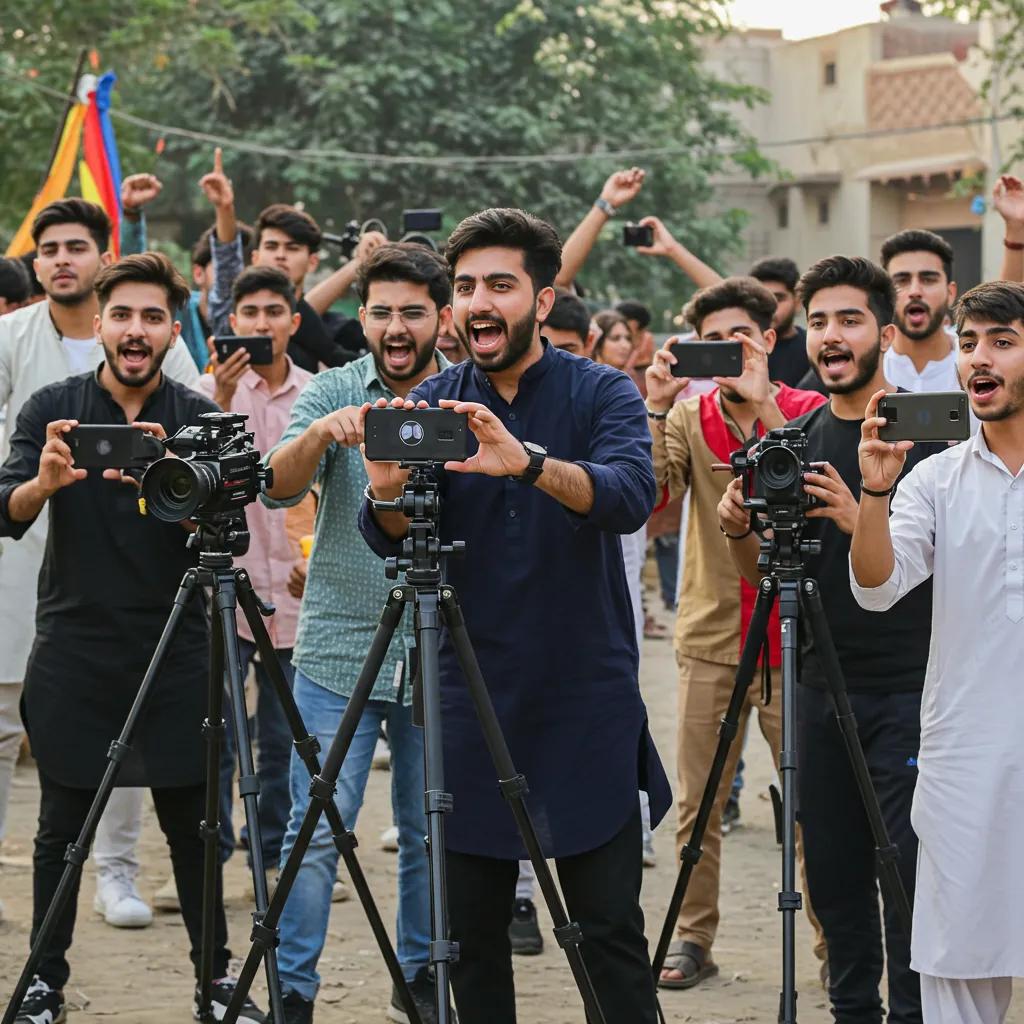
Short-form video trends in Pakistan show rapid adoption of platform-native clips for entertainment, education, and news snippets, driven by youth preferences and algorithmic discoverability. The mechanism combines mobile-first consumption, community virality, and platform incentives that favor creative, repeatable formats. For Pakistani creators aged 16–32, short-form videos have become primary tools for audience building and issue-based outreach, including political and civic topics. Short-form formats also open monetization channels via brand partnerships, tipping, and integrated commerce that local businesses can leverage to reach younger consumers.
Short-Form Videos in Pakistan: Trends, Attributes, and Societal Impact
The abundance of digital distractions has caused a shrink in the attention span of humans. Short-form videos have been a source of quick and economical entertainment since the rise of YouTube Shorts, Instagram Reels, and TikTok. The research explores the course of short videos among the netizens of Punjab, Pakistan, while identifying the distinctive attributes of short videos. The availability of mini-videos on every digital platform has transformed conventional elaborate entertainment practices into fast-paced, instant fun. The paper offers a literature review to analyses how much “instant” short-form entertainment ought to be without damaging the delicacy of human aesthetics. Furthermore, the study through the correlational research design reveals potential outcomes of leveraging the popularity of short-form videos to reshape the societal norms of Punjab while acknowledging Punjabi folks’ culture of propagating vibrant entertainment both on national and international le
Instant Entertainment: Tracking the Course of Short-form Videos among the Netizens of Punjab, Pakistan, 2025
Which Platforms Lead Short-Form Video Growth in Pakistan?
The leading platforms for short-form growth in Pakistan include major global apps that emphasize algorithmic discovery and creator monetization, each with distinct audience mixes and feature sets. Platform choice affects discovery mechanics—some prioritize trends and music, others favor subscriptions or community features—so creators pick based on niche and monetization goals. Understanding algorithm signals and audience demographics per platform helps creators match content style to likely viewers. This leads to practical choices about where to invest time and promotional budgets for best ROI.
Intro to platform comparison table: this table summarizes platform drivers, features, and the user groups they most strongly affect in Pakistan.
This comparison shows why creators often diversify across platforms: TikTok for virality, Shorts for searchable evergreen content, and Reels for brand collaborations that tie into commerce. Choosing platforms strategically balances discovery and monetization.
How Are Pakistani Youth Engaging with Short-Form Video Content?
Pakistani youth engage with short-form video for entertainment, micro-learning, news updates, and civic expression, favoring snackable formats that fit mobile usage patterns. The mechanism often starts with discovery through algorithmic feeds, followed by platform-first search and sharing within communities. Young creators blend humor, music, and political commentary to build engaged followings, while audiences use short clips for quick news consumption and peer learning. These behaviors shift attention patterns away from long-form sites, compelling brands and newsrooms to adopt concise storytelling strategies.
What Are the Economic Opportunities from Short-Form Video in Pakistan?
Short-form video creates monetization opportunities through brand deals, affiliate links, tipping, and in-app commerce, making content creation a viable income stream for independent creators and small businesses. The mechanism involves converting attention—views and engagement—into direct revenue via sponsorships, integrated product links, and platform payouts where available. Creators who build niche communities and consistent posting schedules typically achieve better monetization outcomes. For businesses, short-form content supports lower-cost campaigns with measurable engagement metrics and conversion pathways.
Short-form monetization options include:
- Brand sponsorships and product placements with performance-based terms.
- Platform monetization programs and creator funds where available.
- Direct commerce: affiliate links, live shopping, and product launches.
These options suggest a playbook: prioritize consistent content, cultivate community trust, and test commerce integrations to discover highest-yield revenue channels.
How Is Influencer Marketing Evolving in Pakistan for 2025?
Influencer marketing in Pakistan is shifting toward long-term brand partnerships, micro-influencer networks, and performance-based collaborations that value authenticity and measurable outcomes. The mechanism driving this evolution is audience fatigue with one-off ads and growing emphasis on community trust, prompting brands to favor creators who deliver sustained engagement and conversions. This change encourages more transparent disclosure practices and the use of performance metrics like engagement rate and conversion lift. Brands that align with creators’ niche communities tend to see better long-term results.
Who Are the Leading Pakistani Social Media Influencers?
Leading Pakistani social media influencers span categories including entertainment personalities, political commentators, lifestyle creators, and niche experts who command distinct audience segments and trust levels. These creators influence trends, purchases, and political discussion by blending personal storytelling with topical content that resonates locally. The mechanism through which they shape opinion is repeated exposure and community engagement, which builds credibility over time. For brands, matching campaign objectives to influencer category—reach, engagement, or advocacy—optimizes outcomes.
Intro to influencer types table: the table below outlines influencer categories, collaboration formats, and typical ROI outcomes for brands in Pakistan.
This categorization helps brands decide whether to invest in reach or engagement, and highlights the trade-off between scale and authenticity in campaign planning.
What Strategies Are Brands Using to Collaborate with Influencers?
Brands in Pakistan use a mix of short campaigns, long-term ambassador programs, affiliate schemes, and content co-creation to leverage influencers’ audiences for measurable goals. The mechanism centers on aligning creative control with creators’ authentic voice while establishing clear KPIs—engagement, traffic, and conversions—to track performance. Effective strategies include iterative testing, revenue-sharing models, and localized content that respects cultural context. Measurement frameworks that combine qualitative feedback and quantitative metrics strengthen campaign optimization over time.
How Does Influencer Marketing Affect Consumer Trust and Authenticity?
Influencer marketing affects consumer trust through authenticity signals such as transparent disclosure, consistent creator-brand alignment, and community engagement that signals genuine endorsement. The mechanism by which trust forms relies on repeated, relevant interactions and perceived honesty from creators; when promotions feel incongruent, trust erodes quickly. Brands that prioritize long-term partnerships and authenticity metrics (comments quality, sentiment) tend to cultivate more resilient consumer relationships. Investing in creator education on disclosure and audience expectations supports sustainable trust.
What Are the Current Social Media Regulations and Challenges in Pakistan?
Social media regulation in Pakistan involves measures such as takedown requests, platform compliance requirements, and periodic access restrictions that affect availability and content flows, with major challenges including misinformation, cybercrime, and enforcement transparency. The mechanism of regulation typically uses notices and technical controls to limit content, while platforms must balance local law compliance with global policies. These processes can affect journalism, business outreach, and civic discourse by changing what content can be distributed and how quickly. Key challenges include scale of misinformation, account compromise scams, and clarity in appeal mechanisms.
Social Media Regulation Frameworks in Pakistan: Addressing Misinformation and Engagement
Social media has emerged as an instrument of online discourse which enables people to create and share content at a prodigious rate. Social media is fast-changing public engagement environment in society and is setting trends and agendas on matters that range from the environment and politics to technology and to entertainment industry. However, while social media presents a worthy platform to engage, it has also given unregulated power to state and non-state actors to spread misinformation, false news, and disinformation. As the unregulated power of state and non-state actors is manipulating the society, the governments have demanded the social media networks to regulate their content. However, social media networks have been unable to address the concerns of many. Due to this reason, states have initiated the process of adopting social media regulations to address their unique issues. This paper presents three options for social media regulation frameworks: firstly, se
Framework for Social Media Regulations in Pakistan, 2022
How Are Government Policies Affecting Social Media Usage?
Government policies affect social media usage through notices, intermediary obligations, and enforcement that can lead to temporary blocks, takedown of content, or increased monitoring; these actions directly influence platform availability and user behavior. The mechanism involves legal instruments and regulatory agencies issuing directives to platforms and ISPs that impact how content is hosted and removed. Consequences include shifts in platform strategy by publishers, cautious user expression, and technical workarounds by communities. Increased policy activity tends to push both platforms and newsrooms to invest more in compliance and verification workflows.
What Are the Main Concerns About Misinformation and Cybercrime?
Misinformation and cybercrime in Pakistan manifest as deepfakes, coordinated disinformation campaigns, phishing scams, and account takeovers that exploit platform trust to harm users and institutions. The mechanism often uses automated bot networks and viral short-form content to amplify false narratives quickly. Recommended mitigation includes stronger platform detection, public media literacy campaigns, and newsroom fact-checking partnerships. Reducing harm requires combined efforts across platforms, civil society, and government to improve reporting, rapid response, and digital hygiene education.
How Are Platforms Responding to Regulation and Content Control?
Platforms respond to regulation by implementing local compliance teams, takedown processes, content moderation adjustments, and transparency reporting, but they often face tensions between local legal demands and global free-expression standards. The mechanism includes technical filters, policy localization, and legal teams negotiating data and content requests. These responses can produce inconsistent enforcement and raise questions about appeal processes and platform transparency. Strengthening platform response entails clearer guidelines, better local-language moderation, and effective user appeal channels.
How Is Digital Journalism Adapting to Social Media Trends in Pakistan?
Digital journalism in Pakistan adapts to social media trends through faster verification workflows, social-first storytelling, audience engagement tactics, and investment in short-form and video formats to retain reach and relevance. The mechanism involves integrating social listening, rapid fact-checking pipelines, and platform-specific content teams to deliver timely, verified reporting. Newsrooms balance speed with accuracy by establishing verification checkpoints and editorial standards tailored to social publishing. Several outlets are reworking workflows to prioritize platform distribution without sacrificing journalistic rigor.
What Are the Ethical Challenges for Digital Journalists on Social Media?
Ethical challenges for digital journalists include pressures to publish quickly, risks of amplifying unverified content, conflicts between monetization and editorial independence, and maintaining source protection in a surveillance environment. The mechanism fueling these dilemmas is the reward system of engagement-driven metrics that can favor sensationalism over accuracy. Suggested newsroom policies include stronger verification steps, clear disclosure standards, and separation of branded content from editorial output. Upholding ethics requires training, investment in verification tools, and transparency with audiences.
How Are Pakistani News Outlets Using Social Media for Reporting?
Pakistani news outlets use social media for live updates, short explanatory videos, audience polls, and cross-platform distribution to drive traffic and engagement while using verification workflows to confirm user-generated content. The mechanism includes dedicated social desks that monitor trends, quick-turn video teams producing short explainers, and community engagement tactics to source tips. Measuring success combines reach metrics with conversion to detailed reporting on owned sites. This shift toward social-first formats necessitates consistent editorial oversight and platform-tailored storytelling.
Integration example: ARY News, as an information hub focused on timely coverage and engagement with younger audiences, exemplifies how Pakistani outlets adapt by publishing social-first explainers and analysis that blend short video, text, and verification practices to serve domestic and international viewers. ARY News’ social reporting methods illustrate editorial workflows that prioritize factual timeliness and platform-specific formats while maintaining journalistic standards.
What Is the Role of Social Media in Political News and Public Discourse?
Social media amplifies political narratives, mobilizes public opinion, and shapes electoral and civic conversations by enabling fast distribution and direct engagement between opinion leaders and audiences. The mechanism entails algorithmic amplification of emotionally resonant content and influencers who frame discussions, which can drive polarization or rapid collective action. Journalists must navigate these dynamics by contextualizing posts, verifying claims, and avoiding inadvertent spread of unverified political content. Responsible political reporting on social platforms requires transparency, sourcing, and careful distinction between analysis and amplification.
What Is the Future Outlook for Social Media Trends in Pakistan?
The future outlook for social media in Pakistan points to deeper AI personalization, continued short-form video monetization, growing social commerce, and an evolving regulatory environment that will demand better verification and platform accountability. The mechanism shaping the next five years includes more powerful content-generation tools, improved discovery systems, and greater integration of commerce within social experiences. Opportunities include broader market access for creators and SMEs, while risks involve misinformation proliferation and policy clashes. Stakeholders who blend technical literacy with policy engagement will be best positioned to shape outcomes.
How Will AI and Video Content Shape Social Media in the Next 5 Years?
AI and video will drive hyper-personalized feeds and new interactive content formats that blend generated media with user-created clips, increasing both content supply and the need for robust authenticity checks. The mechanism relies on models that generate drafts and editing assists while recommendation systems optimize for engagement. This produces creative productivity gains but also heightens regulatory scrutiny around synthetic content. Preparation includes investing in verification, transparent labelling, and creative strategies that use AI responsibly to enhance rather than replace human storytelling.
What Opportunities Exist for Pakistani Creators and Businesses?
Pakistani creators and businesses can leverage short-form video, social commerce, and AI-assisted production to access global audiences, sell products directly in-app, and scale content with limited budgets. The mechanism involves converting engagement into transactions through affiliate marketing, live commerce, and paid community models that emphasize niche expertise. Action items include building cross-platform presence, refining audience targeting with analytics, and experimenting with commerce integrations that suit local payment and logistics realities. Prioritizing authenticity and community-building will amplify long-term monetization.
Key opportunities list:
- Develop niche, high-value content that attracts loyal communities.
- Test in-app commerce and affiliate partnerships to monetize attention.
- Use AI tools to scale production while retaining editorial oversight.
These steps help creators and businesses transform engagement into sustainable revenue streams.
How Can Users and Policymakers Address Challenges Like Misinformation?
Users and policymakers can reduce misinformation by investing in media literacy, strengthening platform transparency, and creating balanced regulatory frameworks that protect speech while enforcing accountability. The mechanism requires education campaigns, clearer platform reporting, faster appeal processes, and collaboration between fact-checkers and platforms. Practical measures include public training in verification techniques, mandatory transparency reports, and multi-stakeholder policy dialogues that emphasize proportionality and safeguards for journalism. Coordinated action will improve resilience against misinformation while preserving open discourse.
Final editorial note: For ongoing, localized coverage of how these trends evolve and affect Pakistan’s youth, creators, and public discourse, credible information hubs that combine timely reporting and social-first formats provide continuous updates and context for stakeholders to act on these developments — following dedicated national news hubs can help readers stay informed as the landscape changes.
Conclusion
Understanding the latest social media trends in Pakistan, including AI integration, short-form video, and influencer marketing, empowers creators and brands to navigate a rapidly evolving landscape. By leveraging these insights, stakeholders can enhance engagement, drive revenue, and foster authentic connections with their audiences. To stay ahead, explore our resources and tools designed to support your journey in this dynamic environment. Join us in shaping the future of social media in Pakistan today.