Effective Stress Management Techniques and Exercises for Anxiety Relief and Daily Well-being
Stress is the body’s natural response to demands, and managing it effectively combines immediate relief techniques with longer-term lifestyle and cognitive strategies to protect mental health and daily functioning. This article explains evidence-based stress management techniques — from deep breathing and brief mindfulness to cognitive reframing, sleep hygiene, and culturally tailored approaches for Pakistan — so you can reduce anxiety and build resilience. To provide timely and comprehensive news and current affairs coverage, keeping the audience informed and engaged with diverse content. As an information hub, ARY News helps contextualize mental health developments and local resources while this guide focuses on practical, actionable methods readers can use now. Read on for clear definitions, quick exercises you can do anywhere, step-by-step mindfulness practices, lifestyle adjustments, and Pakistan-specific guidance along with local resource signposts to help you act on what you learn.
What Is Stress and How Does It Affect Mental Health?
Stress is a physiological and psychological response to perceived threats or demands, involving sympathetic nervous system activation and stress hormones like cortisol that prime the body for action. This response increases heart rate and alertness but, when persistent, alters sleep, mood, concentration, and immune function, producing cumulative harm. Understanding this mechanism clarifies why short interventions (to activate the parasympathetic system) and longer strategies (to change triggers) both matter. Recognizing effects helps you choose targeted techniques and prevents progression to anxiety disorders and burnout.
What Are the Common Causes and Symptoms of Stress?
Common causes of stress include work or study pressure, financial uncertainty, relationship conflict, and sudden life changes; in Pakistan these often interact with family expectations and economic instability. Symptoms manifest physically (headaches, muscle tension, sleep disruption), emotionally (irritability, low mood), and cognitively (poor concentration, racing thoughts). Early recognition allows quick use of immediate techniques like breathing and grounding to break the stress cycle. Knowing typical triggers and signs makes it easier to apply the most effective coping tool next.
How Does Stress Lead to Anxiety and Burnout?
Acute stress becomes chronic when the stress response is repeatedly or continuously activated, increasing risk of generalized anxiety and occupational or academic burnout characterized by exhaustion and reduced performance. Persistent cortisol elevation and disrupted sleep degrade emotional regulation and cognitive flexibility, creating a feedback loop of worry and avoidance. A practical example is a student who studies longer under panic but then sleeps poorly, worsening concentration and escalating stress. Breaking this loop requires both short-term calming practices and systemic changes to workload and boundaries.
Why Is Understanding Stress Important for Effective Management?
Awareness of personal triggers, physiological signs, and preferred coping styles enables tailored interventions that are more effective than one-size-fits-all advice. Simple self-assessment prompts — “What preceded my last stress spike?” or “How long did the physical symptoms last?” — guide selection of breathing, cognitive, social, or lifestyle responses. Identifying red flags (persistent insomnia, escalating panic, impaired functioning) also helps decide when to seek professional help. With targeted awareness, short tools become part of a durable stress-reduction plan.
Which Stress Management Exercises Provide Quick Anxiety Relief?
Quick anxiety-relief exercises are short, practical techniques that trigger the parasympathetic nervous system or redirect attention, producing measurable calming effects within minutes. These micro-interventions are suited for classrooms, commutes, exam rooms, or work breaks and can be woven into daily routines. Choose methods that match your setting and comfort: breathing works anywhere discreetly, grounding helps during panic, and brief movement breaks rebuild circulation and focus. The key is repetition and pairing micro-practices with a longer-term regimen to maintain gains.
This section lists immediate exercises and provides a concise reference table summarizing time and expected benefit.
- Diaphragmatic deep breaths: Slow belly breaths for 1–5 minutes to reduce heart rate and calm the nervous system.
- Progressive muscle relaxation: Tense and release muscle groups for 5–10 minutes to relieve bodily tension and increase body awareness.
- Grounding 5-4-3-2-1: Sensory counting to shift attention from threat to present moment within 1–3 minutes.
- Short walk or movement burst: 5–15 minutes of brisk movement to release endorphins and interrupt rumination.
- Mini mindfulness body scan: Quick 2–5 minute scan focusing on sensations to reset reactivity and improve clarity.
These quick techniques offer immediate relief and serve as building blocks for longer practices that will be described next.
This quick reference helps you pick an exercise based on available time and the symptom you want to address next.
How Do Deep Breathing Exercises Reduce Stress and Anxiety?
Diaphragmatic breathing and paced techniques like 4-7-8 reduce sympathetic arousal by increasing vagal tone and stimulating the parasympathetic nervous system, which slows heart rate and eases breathing. A simple 3-step practice: sit upright, inhale for 4 counts into the belly, hold 7 counts, exhale for 8 counts while relaxing the shoulders; repeat 4 times. Expect immediate reductions in perceived anxiety and physiological markers like respiratory rate. Practicing regularly increases baseline resilience and makes the response faster when stress occurs.
What Are Simple Physical Activities That Help Manage Stress?
Low-barrier activities such as brisk walking, gentle stretching, short cardio bursts, or three yoga poses can release endorphins, reduce muscle tension, and interrupt repetitive negative thinking within 5–20 minutes. Specific moves — shoulder rolls, spinal twists, or a 10-minute brisk walk — improve circulation and mood while providing cognitive distance from stressors. These activities also support sleep and energy regulation when practiced consistently. Integrate micro-sessions into natural breaks to make movement part of your daily stress toolkit.
How Can Mindfulness Meditation Calm Daily Stress?
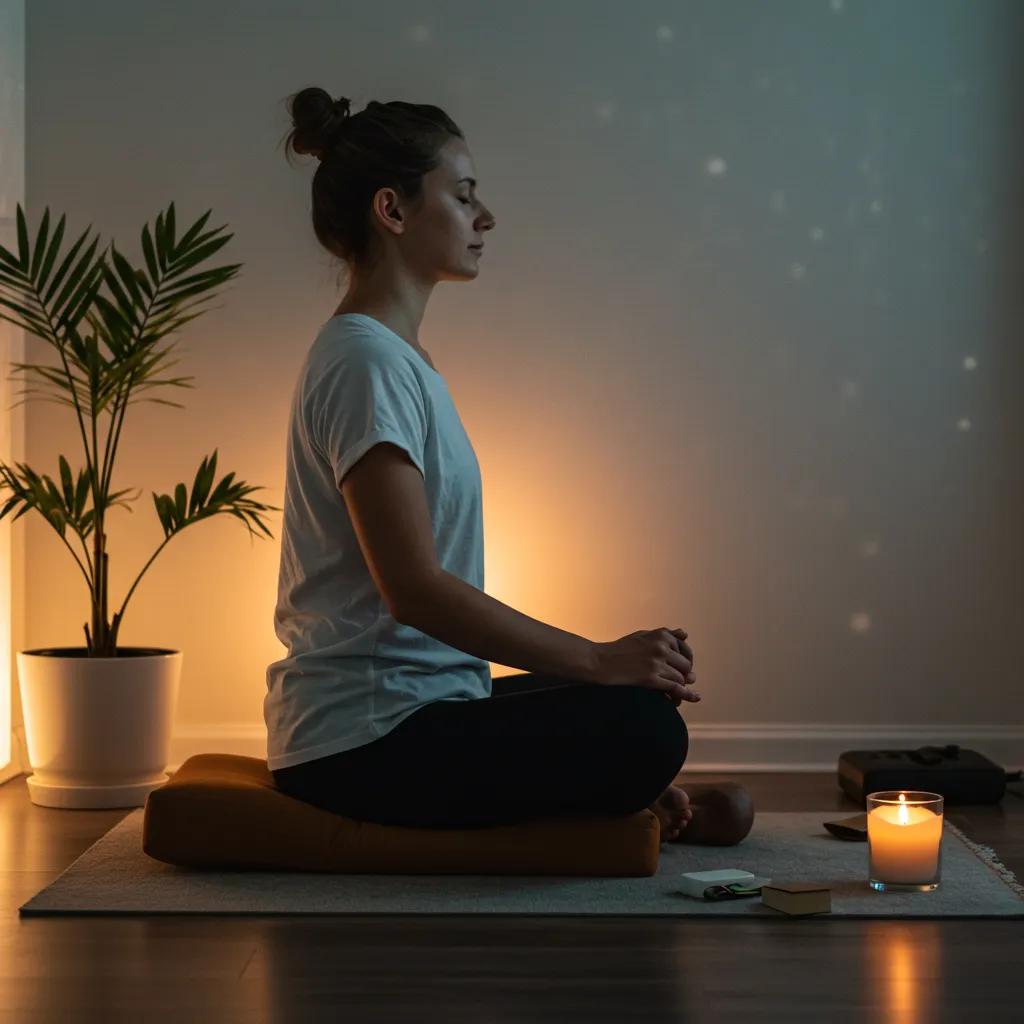
Short mindfulness practices, such as two to ten minutes of breath awareness or a focused body scan, reduce reactivity by training attention and acceptance, which improves emotion regulation. A micro-practice: find a quiet posture, note breath sensations for two minutes, label distracting thoughts without judgment, and return attention to breathing three times. Over weeks, regular micro-practice lowers baseline anxiety and enhances concentration. By starting small and increasing duration, mindfulness becomes a practical habit that complements immediate breathing exercises.
What Role Does Journaling Play in Emotional Regulation?
Expressive journaling and targeted prompts reduce rumination by externalizing thoughts and clarifying emotions, often within a short 5–10 minute exercise. Try three prompts: “What triggered me today?”, “What evidence supports my worry?”, and “What small action could I take?” — write uninterrupted for five minutes and note any shifts in perspective. This process helps identify cognitive distortions and supports behavioral experiments to test anxious predictions. As a daily habit, brief journaling strengthens cognitive coping and complements breathing and mindfulness practices.
How Can Mindfulness and Meditation Improve Stress and Anxiety?
Mindfulness meditation trains attention regulation and emotional acceptance, altering neural networks that underlie reactivity and worry and producing clinically meaningful reductions in anxiety and stress. Mechanistically, it increases prefrontal regulation of limbic reactivity and enhances present-moment awareness, which together reduce automatic stress responses. Evidence from recent studies indicates consistent short practices yield measurable improvement in mood and attention over weeks. Practical guidance helps beginners start small and scale practice while applying culturally relevant adaptations for Pakistan.
Mindfulness delivers distinct benefits summarized next and practical steps to begin a daily routine.
- Reduced Anxiety: Regular practice lowers symptoms by improving emotional regulation.
- Improved Focus: Attention training enhances concentration during stressful tasks.
- Better Emotion Regulation: Mindfulness increases tolerance for difficult feelings and reduces impulsive reactions.
These benefits make mindfulness a core component of a long-term stress management plan and lead naturally to simple starter routines described below.
The table clarifies that different meditation techniques work through related but distinct mechanisms, helping you choose practices that fit your needs.
What Is Mindfulness Meditation and How Does It Work?
Mindfulness meditation involves paying purposeful, nonjudgmental attention to present-moment experience, which retrains attention and reduces automatic reactivity to stressors. Repeated practice strengthens neural circuits for cognitive control and emotional regulation, decreasing habitual worry and rumination. A useful analogy is training a muscle: short, regular sessions gradually increase capacity for focus and calm. Understanding this mechanism explains why micro-practices can produce measurable change over weeks.
What Are the Proven Benefits of Mindfulness for Stress Relief?
Recent studies and meta-analyses show mindfulness-based programs reduce symptoms of anxiety and depression and improve emotion regulation and attention across diverse populations. Practically, participants report lower perceived stress, better sleep, and fewer cognitive intrusions after consistent practice. The evidence supports brief daily practice as a scalable intervention for general stress reduction. These outcomes mean mindfulness can be recommended alongside lifestyle and cognitive strategies for comprehensive stress management.
How Can Beginners Practice Mindfulness Meditation Daily?
Beginners should start with a simple three-step routine: (1) set a short daily time (2–5 minutes), (2) focus on breath sensations, and (3) gently redirect attention when distracted without judgment. Use a consistent cue — morning tea, a commute stop, or before sleep — to build habit and increase duration slowly across weeks. Common barriers include busy schedules and frustration with wandering thoughts; remedy these by reducing expectations and tracking small wins. This progressive approach creates lasting practice without overwhelming daily life.
How Is Mindfulness Meditation Adapted for the Pakistani Context?
Adapting mindfulness in Pakistan can mean using familiar language, linking short practices to everyday routines such as prayer breaks, and choosing communal settings when privacy is limited. Cultural resonance increases adherence: frame breath pauses as moments of reflection and practice short guided scripts in Urdu or regional languages when available. Encouraging group practice in educational institutions or community centers also reduces stigma and normalizes mental well-being work. These culturally tailored adjustments help embed mindfulness into daily life.
What Are Effective Coping Mechanisms for Managing Stress?
Effective coping spans emotional, cognitive, and social strategies: self-care routines, cognitive behavioral techniques to reframe thoughts, and building reliable support networks all reduce stress and improve functioning. Combining immediate tools (breathing, grounding) with cognitive strategies (evidence-checking) creates durable change. Deciding when to escalate to professional help depends on red flags like persistent functional impairment or suicidal thoughts. Below we outline self-care domains, CBT tools, and guidance for building support with a decision guide for seeking care.
How Does Self-Care Support Mental Well-being and Stress Reduction?
Self-care covers physical, emotional, and social domains: balanced nutrition, restorative sleep, movement, boundary-setting, and activities that replenish energy and purpose. Scheduling micro-actions (short walks, hydration breaks, a 10-minute hobby) makes care actionable on busy days. Over time, consistent small practices rebuild resilience and reduce the frequency and intensity of stress responses. Prioritizing these domains prevents depletion and supports other therapeutic strategies discussed next.
- Physical: Sleep hygiene, regular activity, balanced meals.
- Emotional: Journaling, mood checks, brief relaxation routines.
- Social: Regular contact with trusted friends, clear boundaries.
These domains work together to create a foundation for cognitive and social coping that reduces chronic stress.
What Cognitive Behavioral Techniques Help Reframe Negative Thoughts?
CBT tools like thought records, evidence-checking, and behavioral experiments shift distorted appraisals that amplify stress and anxiety. A quick worksheet: identify the automatic thought, list evidence for and against it, generate a balanced alternative, and test it with a small behavioral experiment. For example, replace “I’ll fail the exam” with “I prepared key topics; I can do a timed practice and assess results,” then act on the experiment. These steps reduce catastrophic thinking and increase problem-focused coping.
How Can Building a Support Network Reduce Stress?
Support networks provide emotional comfort, practical assistance, and informational resources that buffer stress and aid problem-solving. Cultivate these by reaching out with small requests, scheduling regular check-ins, and setting clear boundaries to prevent overload. Community resources, peer groups, and trusted family members each provide different types of support — emotional, informational, and instrumental — that together reduce isolation and burden. Strengthening these ties makes it easier to use other strategies effectively.
When Should You Seek Professional Help for Stress and Anxiety?
Seek professional help when stress causes persistent sleep loss, daily functioning impairment, severe mood changes, panic attacks, or thoughts of self-harm; these are red flags that indicate specialized care. Types of professionals include psychologists for therapy (CBT, MBSR) and psychiatrists for medication evaluation; knowing which fits depends on symptom severity and history. In Pakistan, consider university counseling centers, NGOs, or certified clinicians for assessment and ongoing care. ARY News connects readers to credible information and timely mental health reporting to help locate reputable resources and to keep communities informed about developments in care and support.
How Do Lifestyle Adjustments Contribute to Daily Stress Relief?
Lifestyle adjustments change baseline physiology and resilience, so diet, sleep, exercise, time management, and media consumption all influence stress vulnerability and recovery. Small, consistent changes in these domains improve mood, reduce reactivity, and enhance cognitive function. The following EAV table compares key lifestyle factors and practical recommendations to guide immediate changes you can implement this week.
This comparison highlights that modest, targeted lifestyle shifts produce measurable improvements in stress resilience and daily well-being.
What Is the Role of Diet and Nutrition in Stress Management?
Nutrition affects mood via neurotransmitter precursors and inflammation: diets rich in whole foods, lean proteins, omega-3 fats, and B-vitamins support mental health while excess caffeine, sugar, or alcohol can worsen anxiety. Simple swaps — add a portion of oily fish or flaxseed, choose whole grains, and favor water over multiple caffeinated drinks — stabilize energy and mood. Local dietary options like lentils, yogurt, and seasonal fruits provide accessible nutrient sources. Nutritional changes complement behavioral and relaxation techniques for broader stress reduction.
How Does Quality Sleep Improve Stress Resilience?
Quality sleep restores neural processes that support emotional regulation, memory, and immune function, so improving sleep hygiene directly reduces stress reactivity. Key rules: maintain a consistent sleep schedule, create a dark and cool bedroom, limit stimulants and screens in the hour before bed, and use relaxation routines to wind down. Addressing sleep problems promptly prevents escalation into chronic insomnia and reduces daytime anxiety. Better sleep therefore amplifies the benefits of other stress-management practices.
How Can Time Management Reduce Overwhelm and Stress?
Effective time management reduces perceived overload by prioritizing tasks, breaking projects into manageable steps, and using techniques like Pomodoro intervals to sustain focus. A simple template: list top three priorities each day, allocate focused 25–50 minute work blocks with short breaks, and batch similar tasks to reduce context-switching. Students and workers who schedule study and rest periods report lower anxiety and better productivity. Combining realistic plans with boundary-setting prevents escalation of acute stress.
Why Should Social Media and News Consumption Be Limited for Mental Health?
Excessive news and social media exposure increases worry, rumination, and physiological arousal, especially during political or economic turmoil, so curating feeds and timing consumption reduces anxiety. Concrete strategies include limiting checks to defined time blocks, following authoritative outlets selectively, and using brief neutralization practices after distressing content. ARY News, as a prominent news organization, provides tailored reporting and responsible coverage of mental health that can inform readers while they practice mindful consumption. Managing media intake protects attention and mood while keeping you informed in a balanced way.
What Are the Unique Stressors and Solutions for the Pakistani Audience?
Pakistan-specific stressors include high academic expectations, family and social obligations, periodic political and economic uncertainty, and limited local mental health resources in some regions; these factors shape both the form and solutions for stress. Culturally attuned strategies emphasize community support, adapting practices to family settings, and leveraging local resources and institutions. ARY News reports on mental health developments and local resources to help readers navigate these challenges, while the following targeted strategies offer practical adaptations and support options.
How Does Academic Pressure Affect Stress Levels in Pakistan?
Academic pressure driven by high-stakes testing and competitive expectations increases performance anxiety and sleep disruption among students. Interventions that help include structured study plans with built-in breaks, exam-focused breathing protocols before tests, and peer-support study groups that normalize stress. Universities and schools can integrate short mindfulness or grounding sessions into orientation or exam weeks to reduce spikes in anxiety. These targeted approaches reduce acute exam panic and improve long-term learning strategies.
What Are Effective Strategies for Managing Family and Social Expectations?
Managing family expectations requires respectful communication, clear boundary-setting, and collaborative problem-solving that honors cultural values while protecting mental health. Practical scripts — such as outlining a study schedule or negotiating household responsibilities — and role-play rehearsals help reduce conflict and increase mutual understanding. When direct boundary-setting feels risky, gradual steps like scheduled check-ins and delegating tasks build capacity for assertiveness. These communication tools help preserve relationships while reducing chronic stress.
How Do Economic and Political Challenges Impact Mental Health?
Economic instability and political uncertainty elevate chronic stress by creating ongoing threat and unpredictability, which harms sleep, concentration, and decision-making. Practical individual strategies include basic financial stress planning (simple budgets, emergency routines), limiting exposure to 24/7 news cycles, and strengthening local social networks for mutual assistance. Community-level responses — such as peer support groups and public education — buffer impacts and increase resilience during prolonged uncertainty. These steps help stabilize daily life amid broader societal stressors.
Which Local Experts and Organizations Provide Mental Health Support?
Local resources typically include university counseling services, NGO-run helplines, community mental health programs, and certified clinicians who provide psychotherapy and assessment; selection criteria should prioritize credentials, cultural competence, and confidentiality. When choosing services, look for trained professionals, clear privacy practices, and evidence-based approaches such as CBT or mindfulness-based interventions. ARY News helps surface timely information about local initiatives and mental health reporting so readers can identify reputable resources and updates. Accessing these supports connects individuals to sustained care when self-help is insufficient.
What Are the Best Daily Stress Relief Tips and Quick Techniques?
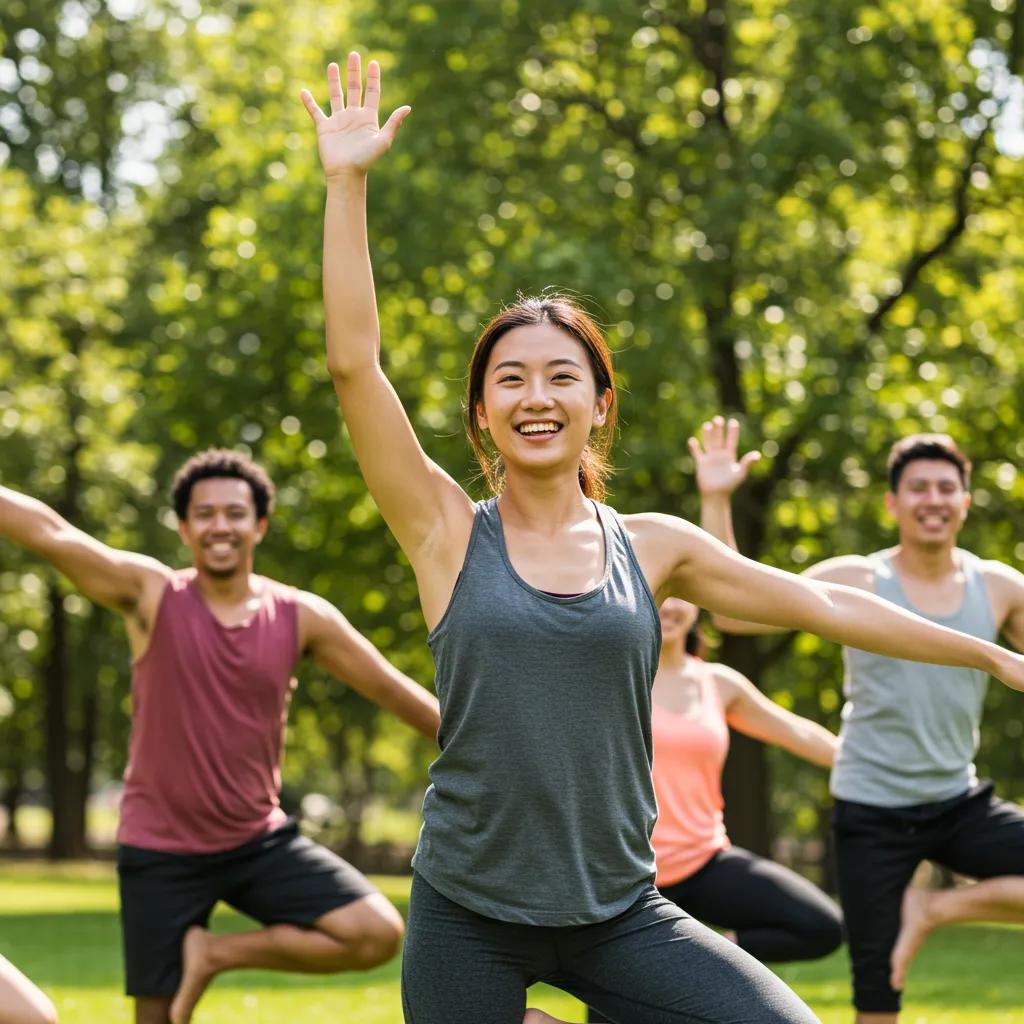
Daily stress relief relies on simple, repeatable habits that combine micro-practices, movement, cognitive checks, and restorative sleep to maintain steady resilience. This section offers five quick exercises you can do anywhere, guidance on guided imagery, safe natural supports, and ways to add regular physical activity into a busy schedule. By embedding short routines across the day, you reduce the frequency and intensity of stress responses and build cumulative benefits for mood and focus.
What Are Five Quick Stress Relief Exercises You Can Do Anywhere?
Here are five micro-exercises designed for quick implementation and immediate calming effects:
- Box Breathing: Inhale 4, hold 4, exhale 4, hold 4 — repeat 4 times to stabilize breath and focus.
- Shoulder Release: Shrug and drop shoulders five times to release upper-body tension.
- 5-4-3-2-1 Grounding: Name five things you see, four you feel, three you hear, two you smell, one you taste to center attention.
- Two-Minute Walk: Move briskly for two minutes to change physiology and interrupt rumination.
- Mini-Journal Pause: Write one sentence about what’s worrying you and one action you can take next to externalize and plan.
Use these during commutes, between classes, or before meetings; regular rehearsal makes them faster and more effective over time.
How Can Guided Imagery and Visualization Help Calm Anxiety?
Guided imagery uses sensory-rich mental scenes to shift attention from threat to safe or pleasurable images, reducing physiological arousal within minutes. A short script: close eyes, imagine a calm place, describe five sensory details, breathe slowly while holding the image for two minutes, and open eyes when ready. Evidence shows guided imagery lowers heart rate and perceived stress and can be used before sleep or high-pressure tasks. Practicing this technique builds a portable mental refuge you can use anywhere.
What Natural Remedies Support Anxiety Reduction?
Some natural supports — such as chamomile tea and regular mild exercise — offer modest anxiety reduction when used safely alongside other strategies. Herbal options can soothe mild tension, but caution is required for possible interactions and contraindications; consult a professional if you take medication or have health conditions. Lifestyle remedies like consistent physical activity, sunlight exposure, and balanced meals provide reliable, low-risk benefits for mood and anxiety. Use natural supports as complements, not sole treatments, when stress is significant.
How Can Regular Physical Activity Be Incorporated Into Daily Life?
Incorporate movement through micro-sessions (10–20 minutes), active commuting, short standing or stretching breaks, and scheduled moderate exercise most days to gain mood and stress benefits. Sample routine: 10-minute morning brisk walk, two 5-minute afternoon stretch breaks, and a 20-minute evening session three times weekly for cardiovascular and mental health gains. Habit formation tips include pairing activity with existing routines, tracking small wins, and varying activities to maintain motivation. Regular activity sustains the physiological changes that reduce stress and supports sleep and cognition.
Conclusion
Effectively managing stress is essential for enhancing daily well-being and mental health, with techniques like mindfulness, breathing exercises, and lifestyle adjustments providing immediate and long-term benefits. By understanding the causes and symptoms of stress, individuals can tailor their coping strategies to fit their unique needs and circumstances. Embrace these practical methods to cultivate resilience and improve your overall quality of life. Explore our resources for more insights and support on your journey to better mental health.