Sustainable Fashion: Comprehensive Guide to Circular, Ethical, and Eco-Friendly Clothing
Introduction
Sustainable fashion describes clothing design, production, consumption, and disposal practices that reduce environmental harm and improve social outcomes across the textile lifecycle. This guide explains core concepts—circular fashion, ethical sourcing, eco-friendly materials—and shows why these approaches matter for emissions, water use, and worker welfare in 2025. Many readers want practical steps for buying better clothes, spotting greenwashing, and understanding how local industry change can scale; this article maps clear definitions, materials comparisons, circular practices, and consumer actions to meet that need. We will cover what sustainable fashion is and why it matters, the eco-friendly materials in use, how circular fashion works, profiles of Pakistani ethical initiatives, practical shopping guidance, future trends and policy context, and common reader questions. Throughout, readers will find concise definitions, comparison tables, checklists, and examples that make it easier to apply sustainable fashion principles in everyday choices.
What Is Sustainable Fashion and Why Does It Matter?
Sustainable fashion is a systems-based approach that reduces environmental impacts and improves social outcomes by changing how garments are designed, sourced, manufactured, distributed, used, and disposed. It works by prioritizing low-impact materials, transparent supply chains, fair labor practices, and circularity to keep materials in use longer, thereby lowering emissions and waste. The specific benefit of sustainable fashion is measurable: reduced water consumption, fewer greenhouse gas emissions per garment, and improved livelihoods for textile workers when practices are implemented systemically. Understanding these mechanisms helps consumers and policymakers evaluate trade-offs and take targeted actions that influence production and consumption patterns.
To provide timely and comprehensive news and current affairs coverage, keeping the audience informed and engaged with diverse content.
How sustainable fashion contrasts with a high-volume model is important for readers who shop and for those who work in the industry. The next subsection compares sustainable and fast fashion business models and highlights their different environmental and social consequences.
How Does Sustainable Fashion Differ from Fast Fashion?
Sustainable fashion emphasizes longevity, transparency, and lower environmental footprint, while fast fashion prioritizes rapid turnover, low cost, and high volume. Sustainable models limit production runs, focus on durable construction, and prioritize responsible sourcing; fast fashion reduces unit cost through speed and scale, often creating elevated waste and labor pressure. The result is that fast fashion generates more textile waste and higher per-season emissions, while sustainable approaches aim to lower lifecycle impacts through materials choice and circular systems. Recognizing these differences clarifies why consumer choices and regulatory incentives can shift industry incentives toward durability and accountability.
Sustainable businesses adopt core principles that operationalize these differences, which leads into the next explanation of foundational principles.
What Are the Core Principles of Sustainable Fashion?
Core principles include transparency across supply chains, circular design that minimizes waste, responsible sourcing of raw materials, fair labor practices, and resource efficiency during production. Transparency means traceability of fibers and disclosure of factory conditions; circular design focuses on repairability and recyclability to keep materials in use. Responsible sourcing favors organic or recycled materials and avoids harmful chemicals and water-intensive processes. These principles combine to reduce environmental impact while protecting workers and communities tied to textile production.
These environmental and social outcomes are quantifiable, prompting a closer look at the industry’s measurable impacts.
What Is the Environmental Impact of the Fashion Industry?
The fashion and textile sector contributes a substantial portion of global greenhouse gas emissions, uses large volumes of freshwater, and is a major source of microplastic pollution and landfill waste from discarded garments. Production stages—fiber cultivation, fabric processing, and dyeing—account for much of the water footprint and chemical discharge that affects local waterways. Waste from short-lived garments increases landfill burdens and incineration, while synthetic fibers shed microplastics during laundering. Quantifying these impacts helps target interventions such as material shifts, waterless dyeing, and improved waste collection.
Reducing these impacts requires attention to the social dimension of sustainability, which we explore next with worker-centered benefits.
How Does Sustainable Fashion Benefit Society and Workers?
Sustainable fashion supports societal benefits through living-wage commitments, safer working conditions, community investment, and skills development that strengthen local economies. Brands that prioritize worker welfare often engage in audits, direct factory partnerships, and capacity building for craftsmanship and quality control. Better working conditions reduce health risks and turnover while improving product durability—benefiting both workers and consumers. These social gains reinforce environmental measures by creating resilient communities that can support long-term industry transformation.
Which Eco-Friendly Materials Are Used in Sustainable Fashion?
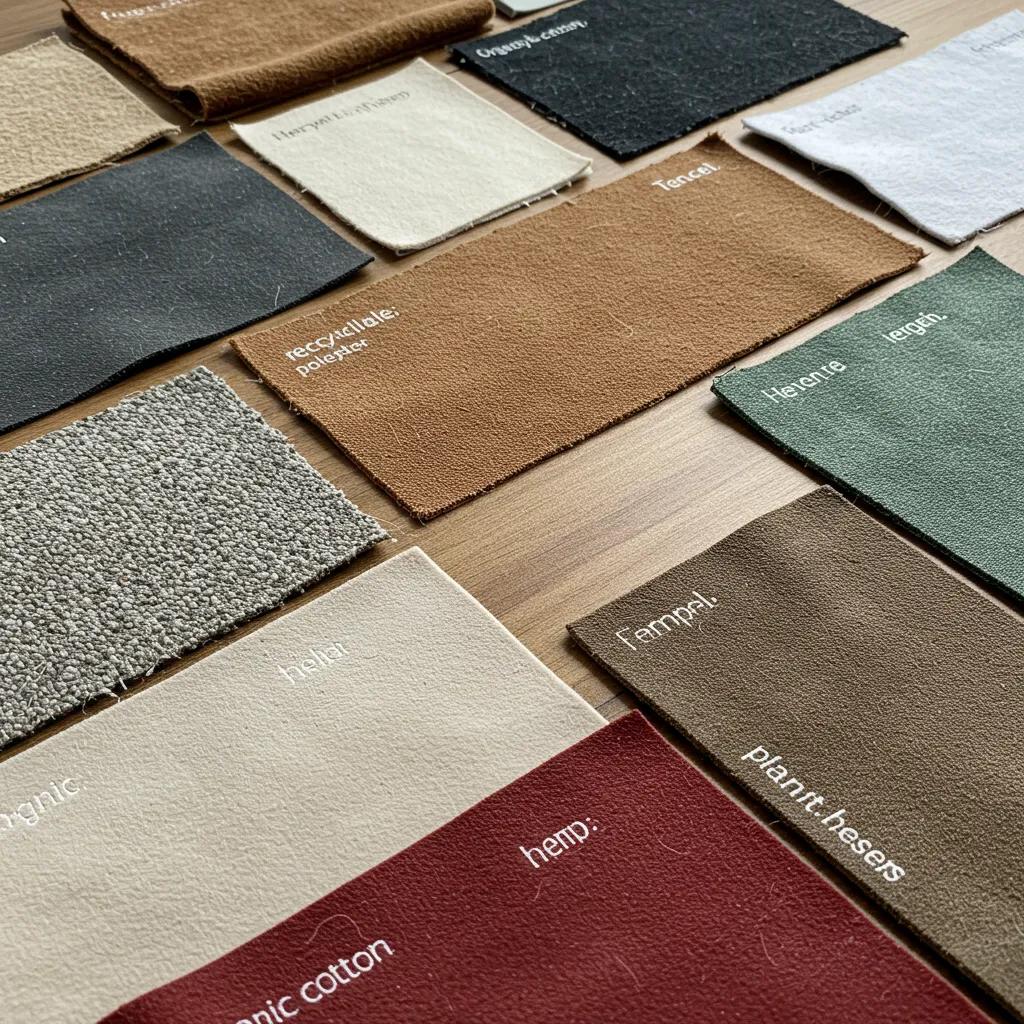
Sustainable fashion relies on materials selected for lower environmental impact, improved durability, and end-of-life options; common choices include organic cotton, recycled polyester, hemp, Tencel, and plant-based leathers. Each material reduces particular impacts—for example, recycled polyester lowers reliance on virgin fossil-fuel inputs while organic cotton cuts chemical use—so material selection is a key mechanism for reducing footprint. Consumers benefit through garments that often last longer, require less intensive care, and offer clearer end-of-life pathways. Below we compare materials against core environmental and performance metrics for quick assessment.
This comparison highlights trade-offs: no single material is perfect, but informed choices reduce specific impacts and support circular strategies.
What Are the Most Common Recycled Fabrics in Sustainable Clothing?
Recycled fabrics commonly used include recycled polyester from post-consumer PET, recycled nylon from industrial waste, and blended recycled fibers that repurpose textile scraps into new yarns. These materials reduce dependence on virgin petrochemicals and can cut carbon emissions associated with fiber production, though they may still shed microfibers during washing. Mechanical recycling is widespread, while chemical recycling is scaling to address mixed-fiber streams. For consumers, care instructions such as lower-temperature washes and microfiber filters reduce release of microplastics and extend garment life.
How Do Organic and Plant-Based Materials Support Sustainability?
Organic cotton, hemp, and cellulosic fibers like Tencel reduce chemical inputs and can support soil health when combined with regenerative agriculture, thereby lowering ecosystem damage. Plant-based leathers—made from pineapple leaf fiber, cactus, or mushroom mycelium—use agricultural byproducts or low-input crops to provide alternatives to animal leather and petrochemical-based synthetics. The main benefits include lower toxicity, improved biodegradability in some cases, and support for circular end-of-life options. Durability and performance vary by material and manufacturer, so buyers should weigh care needs and longevity against environmental claims.
What Innovations Are Driving Eco-Friendly Textile Production?
Recent innovations include closed-loop chemical recycling to reclaim mixed fibers, waterless or low-water dyeing technologies, enzyme-based finishing processes, and digital traceability tools that map material provenance. These technologies reduce chemical discharge, conserve water, and enable verification of sustainable claims through immutable records. Adoption barriers remain—capital intensity, scale, and regulatory alignment—but pilot projects show meaningful reductions in resource use when deployed. Continued investment and policy support can accelerate scale-up and make higher-performing sustainable materials more affordable.
How Can Consumers Identify Genuine Eco-Friendly Materials?
Consumers can verify material claims by checking for recognized certifications, reading transparent product disclosures about fiber content and supply chain points, and asking brands specific questions about recycling rates and end-of-life solutions. Trusted labels commonly cited in industry discourse include global organic and textile safety standards; consumers should look for clear scope statements and verification sources rather than vague buzzwords. Red flags include ambiguous terms like “green” without substantiation and lack of supply chain transparency. Asking for washability, repair options, and material traceability helps separate credible products from greenwashed marketing.
How Does Circular Fashion Promote Sustainability in Clothing?
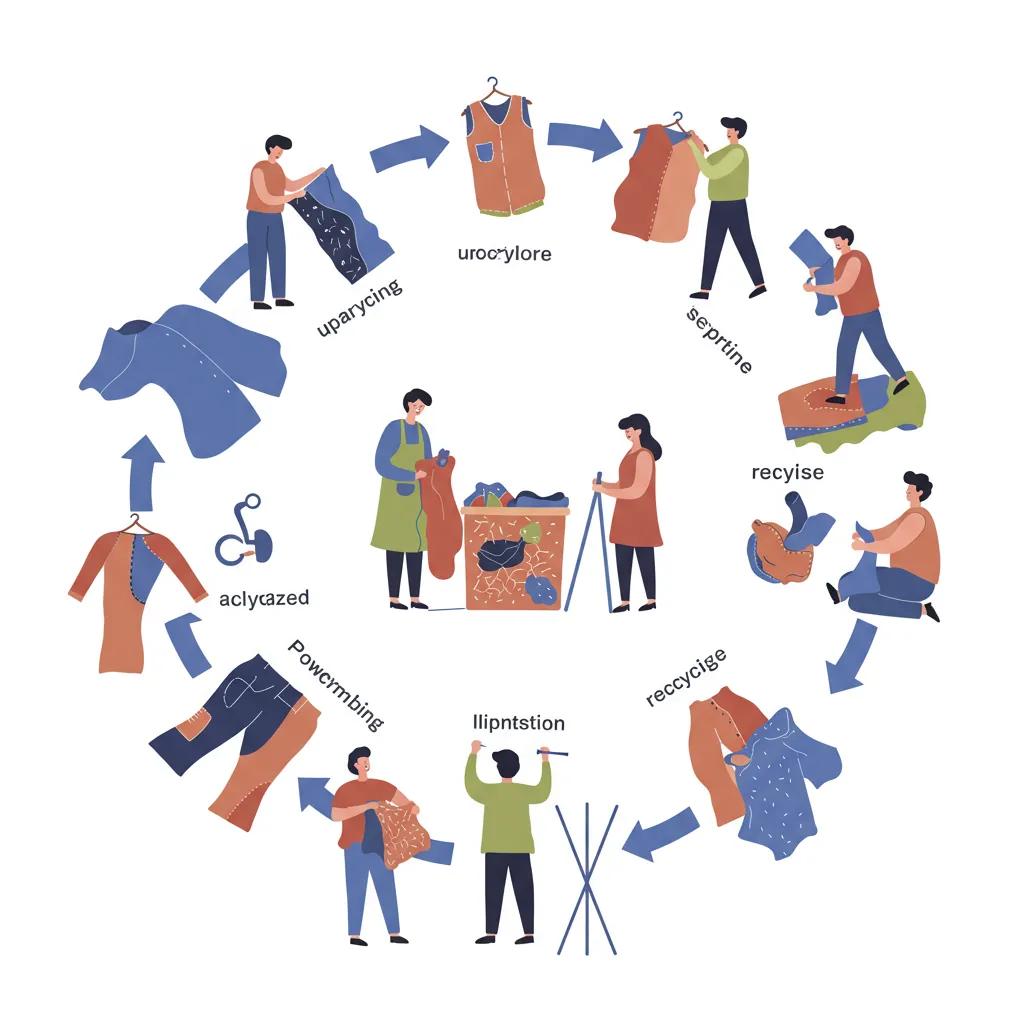
Circular fashion is a systems approach that keeps materials and garments in use through design for longevity, repair, reuse, resale, and recycling, reducing demand for virgin inputs and lowering waste. It works by redesigning product lifecycles so that materials flow back into manufacturing or secondary markets rather than being discarded, thereby cutting overall emissions and resource extraction. The clear benefit is measurable waste reduction and lower lifecycle carbon intensity per wear when garments are made to last and re-enter value chains. Concrete practices like take-back schemes, rental models, and repair networks make circularity operational and scalable.
Below we define circular practices and compare their mechanisms and impacts.
What Is Circular Fashion and How Does It Work?
Circular fashion applies lifecycle thinking to apparel: design for durability and disassembly, extend usage through repair and resale, and recover materials at end of life to feed back into production. The process typically follows stages of design, production, consumption, reuse, and recycling, with stakeholders—designers, manufacturers, retailers, and consumers—playing roles at each stage. The main mechanism is to maintain material value and reduce the need for virgin inputs through reuse and recovery. Examples include garments designed with modular panels for repair and brands offering take-back programs to reclaim fibers.
What Are Common Circular Fashion Practices Like Upcycling and Recycling?
Upcycling repurposes garments or waste into new, often higher-value items; mechanical recycling grinds textiles into fibers for respinning; chemical recycling breaks down polymers for reuse; and rental models maximize utilization of single garments. Each practice has trade-offs: upcycling can create unique, high-value products but is labor-intensive; mechanical recycling is simpler but can degrade fiber quality; chemical recycling shows promise for mixed fibers but requires energy and chemical inputs. Scalability depends on collection systems, sorting infrastructure, and demand for circular products.
How Does Circular Fashion Extend the Life of Clothing?
Designing for durability, offering repair services, encouraging care that slows wear, and enabling resale channels all increase the number of wears per garment, dramatically lowering carbon and resource intensity per use. Small interventions—reinforced seams, replaceable buttons, and accessible care labels—reduce premature disposal. Consumer practices like mending, swapping, and buying second-hand multiply these benefits without major technological investments. The combined effect of improved design and consumer behaviors delivers measurable reductions in resource demand and waste.
What Role Do Pakistani Brands Play in Circular Fashion?
Pakistani designers and textile initiatives increasingly experiment with repair programs, small-batch production, and community-based upcycling to align traditional skills with circular principles. Local constraints—limited recycling infrastructure and fragmented collection systems—challenge scale-up, while opportunities exist in leveraging artisanal networks for repair and remaking. Collaborative pilots between manufacturers, NGOs, and municipal programs can create proof-of-concept circular value chains adapted to local supply dynamics. These initiatives show how circular approaches can be adapted to regional realities and scaled with policy and investment.
Which Ethical Clothing Brands Are Leading Sustainable Fashion in Pakistan?
This section outlines how Pakistani ethical initiatives are being evaluated on practices like fair wages, transparency, and circular programs and provides a compact comparison to guide readers and industry watchers. Profiles and comparative data help readers understand what to look for in local ethical brands and how practices translate into measurable worker and environmental outcomes. When profiling local brands and initiatives, include a brief editorial note that aligns with the raw_content_intent (verbatim) to remind readers that these are news profiles and part of ARY News’ reporting mission.
Who Are the Key Pakistani Sustainable Fashion Designers and Entrepreneurs?
A growing cohort of designers in Pakistan blends heritage textiles with low-impact practices, focusing on small-batch production, local sourcing, and skill-based employment models. These entrepreneurs often work with artisan communities to preserve craft techniques while integrating sustainable fibers and low-waste cut methods. Journalistic profiles and interviews reveal motivations and practical barriers, such as supply-chain transparency and cost pressures. Highlighting these stories helps readers see pathways for scaling ethical design within local economies.
How Do Ethical Brands Ensure Fair Wages and Working Conditions?
Ethical brands use wage frameworks, living-wage commitments, factory audits, and direct supplier engagement to improve worker conditions; they may partner with NGOs for training and independent monitoring. Audits provide a snapshot but can miss systemic issues without worker voice mechanisms and community-based oversight. Effective approaches combine financial commitments with capacity-building and transparent reporting to create sustainable improvements. Brands that invest in long-term supplier relationships often achieve better outcomes than those relying solely on periodic compliance checks.
What Certifications and Standards Do Pakistani Brands Follow?
Relevant certifications commonly referenced include global organic textile standards, textile safety certifications, and fair-trade frameworks; these cover fiber integrity, chemical safety, and some social criteria. For small brands, full certification may be costly, so transparency and targeted third-party checks can serve as practical alternatives. Consumers should examine certification scopes—what is and isn’t covered—and verify claims through documentation or published audit summaries. Understanding certification limitations helps set realistic expectations and identify credible claims.
How Are Local Initiatives Tackling Textile Waste and Pollution?
Community programs, NGO partnerships, and brand-led take-back pilots are addressing textile waste, water pollution, and informal reuse markets in Pakistan. Examples include collection drives that divert textiles to upcyclers, small-scale recycling pilots, and collaborations that improve effluent treatment at dye houses. Measurable outcomes vary by program scale but typically include reduced local dumping and increased income pathways for informal workers. Scaling these programs requires municipal coordination, investment in sorting and recycling infrastructure, and incentives for brands to participate in product stewardship.
How Can Consumers Shop Sustainably and Support Ethical Fashion?
Consumers can influence industry practices through purchase choices, care habits, and participation in reuse markets; practical tips make sustainable shopping actionable for Pakistani buyers and global readers alike. Each action—prioritizing durable construction, verifying material claims, choosing second-hand or rental—reduces lifecycle impacts and signals market demand for better practices. Below are concrete steps shoppers can take, a checklist for avoiding greenwashing, and guidance on where to look for ethical options.
Practical checklist before the list explains the nature of the tips and how they support better outcomes.
- Read labels and material disclosures to confirm fiber content and care instructions.
- Prioritize durable construction and timeless designs to maximize cost-per-wear.
- Ask brands about supply-chain transparency, factory partners, and wage commitments.
- Choose second-hand, rental, or upcycled options to extend garment life and reduce waste.
- Support local repair services and learn basic mending to keep clothes in use longer.
These tips help shoppers reduce environmental impact and support ethical producers; consumer demand for verified practices encourages brands to adopt more transparent and responsible models.
When shopping, consumers must also watch for greenwashing and know how to verify claims.
What Are Practical Tips for Buying Eco-Friendly Clothing?
Look for clear statements about fiber origin, manufacturing locations, and certification scopes; prefer brands that publish traceability information and remediation policies. Inspect garments for quality details—stitching, seam finishing, and robust fabrics—that indicate longer usable life. Ask for repair services or clear guidance on care to extend garment longevity, and consider cost-per-wear rather than sticker price as a purchasing metric. These practical checks reduce the chance of buying items that are marketed as sustainable but fail on durability or transparency.
How Can Consumers Avoid Greenwashing in Fashion?
Greenwashing shows up as vague claims without evidence, proprietary terms without third-party verification, and selective disclosure of environmental metrics. Verify claims by looking for recognized certifications, asking for product-specific data, and checking whether brands disclose full supply-chain partners. Red flags include missing data on material sourcing, ambiguous use of terms like “eco” and absence of information about worker conditions. Consumers can request clarification from brands and prefer those that publish measurable targets and progress reports.
What Are the Benefits of Choosing Slow Fashion and Second-Hand Clothes?
Slow fashion emphasizes quality, repairability, and lower turnover, delivering better cost-per-wear, reduced resource use, and less waste than disposable trends. Buying second-hand extends garments’ lifespans, diverts textiles from landfill, and often yields high-quality pieces at lower cost. Together, these choices lower demand for virgin materials and support circular marketplaces that create new economic opportunities. For Pakistani consumers, thrift markets, community exchanges, and repair services provide practical channels to participate in slower consumption patterns.
Practical discovery tips help locate trustworthy products in local contexts, while positioning ARY News as a resource.
Where Can Pakistani Consumers Find Sustainable Fashion Products?
Pakistani consumers can discover sustainable options through curated local markets, ethical boutiques, community resale events, and brand collections that disclose materials and production practices. Look for platforms that aggregate verified sellers or for local pop-ups that showcase artisan cooperatives and upcycling initiatives. Asking for proof of practices and paying attention to product construction helps separate durable garments from greenwashed marketing. Community networks and journalistic coverage can point consumers toward credible options and evolving local initiatives.
What Is the Future of Sustainable Fashion: Trends, Policies, and Innovations?
Near-term trends point to growth in circular business models, on-demand production, regenerative supply chains, and stronger traceability technologies; each trend reduces waste and improves resource efficiency when scaled. Policy developments that regulate waste, chemical discharge, and labor standards can accelerate industry shifts, especially if paired with incentives for circular investments. Technological innovation—bio-fibers, advanced recycling, and digital provenance—will lower barriers to material recovery and transparency. Combining policy, business innovation, and consumer behavior will be important for achieving systemic reductions in carbon and environmental impacts.
What Are the Key Sustainable Fashion Trends for 2025 and Beyond?
Key trends include expansion of circular product-as-service models, growth in on-demand and made-to-order production that reduces overstock, wider adoption of regenerative agriculture for natural fibers, and rapid growth in the second-hand market. These trends work through demand-side signals and improved supply-chain technologies that reduce waste and encourage long-term value retention. Implications for Pakistan include opportunities to add value to traditional fibers, pilot new recycling ventures, and expand export markets for verified sustainable products. Tracking these trends helps stakeholders plan investments and policy priorities.
How Are Government Policies Shaping Sustainable Fashion in Pakistan?
Government policy influences textile water use, effluent treatment, waste management, and labor protections, creating levers for environmental and social improvements in the sector. Current policy snapshots show opportunities to strengthen effluent controls, incentivize recycling infrastructure, and support skill-based programs for circular manufacturing. Monitoring proposed regulations and agency actions helps stakeholders anticipate compliance requirements and investment needs. Policy gaps remain, and coordinated advocacy can push for measures that align trade competitiveness with sustainability goals.
What Technological Innovations Are Transforming Sustainable Textile Production?
Transformative technologies include bio-based fibers that replace petrochemical inputs, chemical recycling capable of processing mixed materials, waterless dyeing systems, and blockchain-enabled traceability solutions that record provenance. These technologies reduce resource intensity and enable verification of environmental claims, but they require capital investment and supply-chain integration to scale. For Pakistan, targeted adoption in textile clusters could cut water pollution and create competitive differentiation in export markets. Early pilots demonstrate potential savings in water and chemicals when technologies are implemented alongside process changes.
How Can the Fashion Industry Reduce Its Carbon Footprint?
Reducing carbon requires shifting to lower-impact materials, improving energy efficiency in manufacturing, adopting renewable energy, and extending garment lifespans through design and circular models. Brands can set science-based targets, retrain suppliers for efficient processes, and invest in repair and resale infrastructures to lower per-wear emissions. Consumers complement industry action by choosing durable garments, participating in reuse markets, and demanding transparency. These combined steps create measurable reductions in lifecycle carbon intensity and support a transition to a lower-carbon textile economy.
What Are Common Questions About Sustainable Fashion?
This final section answers frequent reader questions with concise, actionable responses that address terminology, national relevance, and certification trustworthiness. Short authoritative answers can guide shopping decisions and provide clarity on how circular models reduce waste and what certifications are most reliable.
What Is Slow Fashion and How Does It Differ from Sustainable Fashion?
Slow fashion emphasizes production at a human scale, thoughtful design, and slower consumption cycles, prioritizing quality and longevity over trend-driven turnover. Sustainable fashion is broader, encompassing environmental and social criteria across the entire value chain, which may include slow fashion as one strategy among others. Practically, slow fashion focuses on buyer behavior and product design, while sustainable fashion includes material choice, supply-chain transparency, and end-of-life management. Consumers benefit from both approaches when they choose durable garments and support brands with credible sustainability practices.
Why Is Sustainable Fashion Important for Pakistan’s Textile Industry?
Sustainable fashion matters for Pakistan to protect water resources, reduce pollution in textile clusters, and preserve export competitiveness by meeting global buyer standards for environmental and social performance. Improving sustainability can enhance brand reputation, open access to premium markets, and safeguard worker welfare in a sector central to the national economy. Local interventions that reduce effluent discharge, improve waste management, and upgrade worker protections create both environmental and economic resilience. Coordinated action among industry, government, and civil society is needed to realize these benefits.
How Can Circular Economy Models Reduce Fashion Waste?
Circular economy models reduce waste by keeping products in use longer, recovering materials at end of life, and designing out unnecessary resource use through modularity and repairability. Practical mechanisms include repair networks, resale platforms, and recycling systems that turn textiles back into feedstock. The impact is lower landfill volumes, reduced demand for virgin materials, and emissions savings through avoided production. Barriers include collection logistics, sorting capabilities, and market demand for recycled-content products; overcoming these requires infrastructure investment and policy support.
What Are the Most Trusted Certifications for Ethical Clothing?
Trusted certifications typically disclose their scope: organic textile standards verify fiber production, textile safety certifications check for harmful substances, and fair-trade frameworks address workplace conditions and equitable payments. Consumers should confirm the certification body, the audit scope, and the product-level applicability rather than assuming a single label covers all sustainability aspects. Small brands may use partial verification combined with transparent reporting as a pragmatic route. Evaluating certification credibility helps consumers make informed choices and supports brands that invest in demonstrable responsibility.
To provide timely and comprehensive news and current affairs coverage, keeping the audience informed and engaged with diverse content.
Conclusion
Embracing sustainable fashion offers significant benefits, including reduced environmental impact, improved worker welfare, and enhanced product longevity. By understanding the principles of circularity and ethical sourcing, consumers can make informed choices that support a more responsible industry. Take the next step in your sustainable journey by exploring our curated selection of eco-friendly brands and practices. Together, we can drive meaningful change in the fashion landscape.