Sustainable Fashion: How Rewearing Clothes and Personal Style Promote Lasting, Ethical Wardrobes
Every year, millions of tons of textiles are discarded while consumers overlook the value of what they already own. Sustainable fashion transforms wardrobes by rewearing garments and cultivating personal style to improve environmental outcomes, extend garment lifespan, and reduce spending. In this article, you’ll discover the environmental and economic benefits of rewearing, practical care and repair methods, the power of personal style over transient trends, foundational slow fashion principles, the influence of conscious consumption, strategies for second-hand shopping, and the latest ethical fabrics driving change. By following these interconnected themes—informed by circular economy models and ethical production standards—you’ll build a wardrobe that lasts, reflects your identity, and supports a healthier planet.
What Are the Environmental and Economic Benefits of Rewearing Clothes?
Rewearing clothes means intentionally wearing existing garments multiple times to reduce resource use and minimize waste. This practice conserves water and energy that would otherwise go into new production, while delaying replacement costs and lowering overall spending.
How Does Rewearing Reduce Textile Waste and Carbon Footprint?
Rewearing reduces textile waste by keeping fabrics in circulation longer, which prevents more garments from ending up in landfills and cuts greenhouse gas emissions from production and disposal. By choosing to rewear favorite pieces, you contribute directly to a circular economy model that values resource efficiency and stress-tests the environmental impacts of new clothing.
[The Environmental Impact of Textile Waste]
What Cost Savings Come from Extending Garment Lifespan?
Extending garment lifespan slashes spending on replacements and lowers the total cost per wear, making each item more economically efficient.
[The Economic Advantages of Extending Garment Lifespan]
Regularly wearing and valuing existing pieces transforms your wardrobe into an investment rather than a recurring expense.
How Does Rewearing Support the Circular Economy in Fashion?
Rewearing aligns with circular economy principles by keeping materials in use, reducing the need for virgin resources, and promoting a closed-loop system. As garments remain in active rotation, the demand for new production falls, reinforcing a cycle where products and materials flow continuously rather than becoming waste.
How Can You Practice Practical Wardrobe Longevity Through Care, Repair, and Storage?
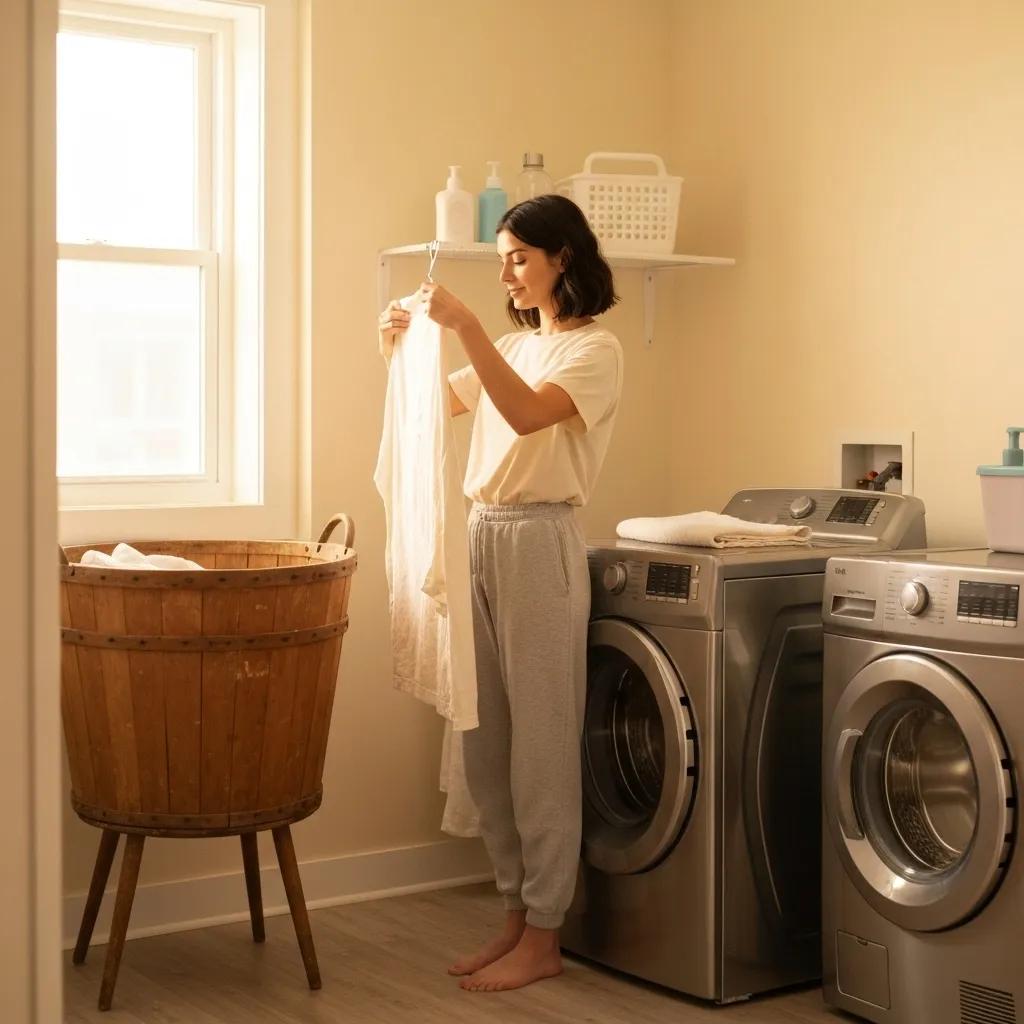
Wardrobe longevity encompasses proper care, timely repairs, and smart storage to preserve quality. By adopting these habits, you support sustainable fashion through reduced consumption and reinforced garment durability.
What Are Essential Garment Care Tips to Extend Clothing Life?
Below are key practices that improve fabric resilience and prevent premature wear:
- Always follow the care label instructions to avoid color fading and fabric damage.
- Wash delicates in cool water and use gentle detergents to maintain fiber strength.
- Air-dry garments when possible to prevent shrinkage and heat stress.
- Rotate pieces evenly to reduce friction and prevent overuse of favorites.
- Use a fabric brush or lint remover to clear pilling and preserve appearance.
By incorporating these steps into your laundry routine, you strengthen fabrics and extend garment life, preparing you for effective repair strategies.
How Can You Repair Clothes to Avoid Fast Fashion Waste?
Practical repair techniques keep garments in service and delay disposal:
- Darning and patching: Reinforce holes or worn areas with matching thread or fabric patches.
- Seam reinforcement: Restitch weakened seams before they unravel further.
- Button replacement: Swap missing or worn buttons with durable alternatives for a quick refresh.
- Zipper repair: Lubricate or replace faulty zippers to restore full functionality.
Learning basic sewing skills empowers you to intervene early and uphold the value of each garment.
What Storage Methods Help Maintain Wardrobe Quality?
Proper storage practices shield clothing from damage and extend usability:
- Fold knitwear to prevent hanger-induced stretching.
- Use breathable garment bags for seasonal pieces to reduce dust accumulation.
- Store leather and suede in cool, dry areas to prevent mold and cracking.
- Hang structured items on wide, supportive hangers to maintain shape.
By organizing and protecting apparel, you create a maintenance routine that supports lasting wardrobes and effortless outfit creation.
How Does Cultivating Personal Style Support Sustainable Fashion Over Trends?
Personal style is an individual expression that prioritizes meaningful, timeless choices over fleeting fashion trends. This approach reduces impulse buys and promotes wardrobes built on authenticity and longevity.
What Is Personal Style and How Does It Differ from Fashion Trends?
Personal style reflects your unique preferences, body shape, and values, whereas fashion trends change rapidly based on industry cycles. Cultivating stable style anchors your purchases in genuine self-expression rather than external influences, which minimizes overconsumption.
How Can Building a Capsule Wardrobe Enhance Sustainability?
A capsule wardrobe is a curated collection of versatile, high-quality pieces that mix and match effortlessly. By focusing on timeless items—such as a well-fitted blazer, classic denim, and neutral basics—you reduce the frequency of new purchases and maximize each garment’s wear potential.
How Does Expressing Individuality Through Clothing Reduce Overconsumption?
When you dress to express personal aesthetics and values, you feel greater attachment to your pieces and avoid browsing impulse sales. This mindset shift encourages mindful shopping decisions and minimizes the drive to accumulate items that don’t truly resonate with your identity.
What Role Does Mindful Dressing Play in Sustainable Personal Style?
Mindful dressing means selecting outfits with intention—considering occasion, comfort, and environmental impact. By planning looks and reflecting on each item’s origin and purpose, you strengthen the relationship between self-expression and responsible consumption, guiding you toward a wardrobe that aligns with long-term values.
What Is the Slow Fashion Movement and How Does It Oppose Fast Fashion?
The slow fashion movement champions ethical production, fair labor, and timeless design, in direct opposition to fast fashion’s rapid, low-cost, trend-driven model that generates high waste and social harm.
How Do Slow Fashion Principles Promote Ethical Production and Quality?
Slow fashion emphasizes fair wages, safe working conditions, and high-quality materials to create garments built for longevity rather than disposability. This approach elevates craftsmanship and human rights, ensuring that every piece supports both people and planet.
What Are the Environmental Impacts of Fast Fashion Compared to Slow Fashion?
This comparison shows how prioritizing quality and repairable design leads naturally into conscious consumer practices.
How Can Consumers Identify Slow Fashion Brands and Products?
Look for these indicators to recognize responsible labels:
- Transparent supply chains and published factory audits.
- Use of certified sustainable materials (e.g., organic cotton, TENCEL™).
- Limited “drop” releases that focus on durability rather than volume.
- Clear statements on ethical labor standards and fair pricing.
Spotting these hallmarks helps you support brands committed to real social and environmental stewardship.
How Does Conscious Consumption Influence Sustainable Fashion Choices?
Conscious consumption involves making purchasing decisions based on social and environmental values, which steers the fashion industry toward ethical production and reduced harm.
What Is Conscious Consumerism in Fashion?
Conscious consumerism means evaluating clothing purchases by their lifecycle impacts—material sourcing, production methods, and end-of-life options. By prioritizing transparency and sustainability metrics, shoppers drive brands to adopt better practices.
How Can Ethical Shopping Reduce Environmental and Social Harm?
Intentional buying choices shift market demand toward responsible suppliers:
- Choose products with verified fair labor certifications to support worker welfare.
- Prioritize brands with minimal packaging and carbon-neutral shipping.
- Invest in locally produced garments to lower transportation emissions and bolster communities.
These decisions reinforce a cycle where positive consumer behavior promotes systemic improvements.
How Do Sustainable Fashion Certifications Help Avoid Greenwashing?
Third-party certifications (e.g., GOTS, Fair Trade, OEKO-TEX®) validate claims about materials and labor, reducing misleading marketing. Trusting certified labels prevents falling for superficial eco-claims and helps you back genuinely sustainable products.
How Can Second-Hand Shopping and Thrifting Support Rewearing and Sustainability?
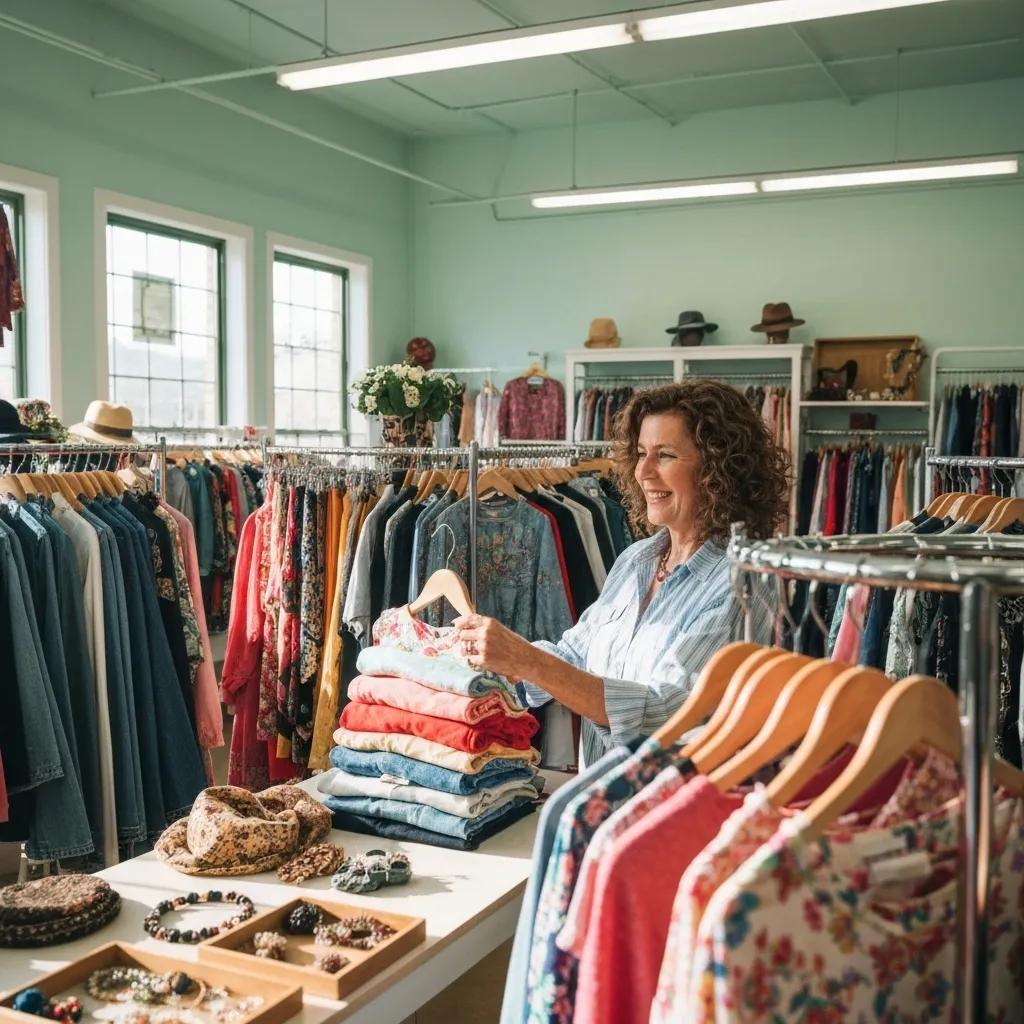
Second-hand shopping and thrifting extend garment lifespans, reduce demand for new production, and inject unique personality into a wardrobe without extra resource strain.
What Are the Benefits of Buying Second-Hand Clothing?
Purchasing pre-owned pieces offers multiple advantages:
- Environmental Conservation – Cuts water use and carbon emissions by reusing existing items.
- Cost Efficiency – Provides high-quality brands at lower prices.
- Unique Style – Unearths one-of-a-kind garments that enhance individuality.
These benefits connect directly to circular economy goals by keeping textiles in use.
How to Start Thrifting: Tips for Beginners?
To make thrifting successful and fun:
- Research local thrift stores and market schedules before visiting.
- Inspect seams, zippers, and fabric condition carefully.
- Bring a list of wardrobe gaps to guide your search.
- Try on multiple sizes, as vintage sizing can differ.
Developing a thrifting strategy helps you efficiently find durable, style-forward items.
How Do Local Second-Hand Markets Impact Communities and Sustainability?
Local resale events and charity shops invest profits back into community programs, bolstering social services and small-business ecosystems. By supporting these markets, you strengthen local economies while advancing sustainable fashion goals and forging connections through shared values.
What Are the Latest Ethical Fashion Trends and Sustainable Materials Driving Change?
Ethical fashion trends revolve around innovative materials and design strategies that reduce environmental footprints, support fair labor, and elevate durability.
Which Sustainable Fabrics Have Lower Environmental Footprints?
How Are Innovations in Sustainable Materials Shaping Fashion?
Breakthroughs such as mushroom leather, recycled ocean plastics, and bio-based dyes demonstrate the industry’s shift toward circular design. As brands adopt these cutting-edge options, they reduce reliance on fossil-based synthetics and expand choices for eco-conscious consumers.
What Ethical Fashion Trends Are Consumers Embracing Today?
Current market movements highlight these priorities:
- Renting clothing for special occasions to minimize single-use purchase.
- Swapping garments among peer networks to refresh wardrobes without buying new.
- Supporting gender-neutral lines that emphasize inclusivity and reduce overproduction.
Sustainable fashion’s focus on rewearing and personal style offers a practical roadmap to reduce waste, cut costs, and express individuality. By combining garment care, mindful purchasing, and support for ethical materials, every wardrobe choice becomes a positive action for people and planet. Adopting these practices will boost the longevity of your clothes, deepen your personal style, and strengthen the shift toward a truly circular, responsible fashion industry.