The Art of Scent-Scaping: How to Curate Your Home’s Fragrance Profile for Mood and Wellness
Imagine stepping into a home where each room greets you with a carefully orchestrated fragrance that uplifts your spirit, supports relaxation, and reflects your unique style. Scent-scaping is the strategic art of layering and distributing home fragrances—candles, diffusers, sprays—to transform interior design into a full sensory experience. In this guide, you will learn:
- What scent-scaping is and why it matters for ambiance and wellness
- Proven layering techniques for a personalized scent profile
- How to zone living spaces with targeted aromas
- Steps to choose and maintain your signature home scent
- Wellness benefits unlocked by aromatherapy in the home
- Essential product types—from ultrasonic diffusers to luxury candles
- Sustainable, ethical practices for eco-friendly fragrance décor
By combining olfactory science, mood-enhancing essential oils, and luxury home decor trends, you’ll curate an atmosphere that supports mood, memory, and self-care.
What Is Scent-Scaping and Why Does It Matter for Your Home?
Scent-scaping is the intentional design of fragrance zoning and layering across living spaces to evoke specific moods and reinforce interior decor. By distributing complementary aromas—such as botanical essential oils and premium candle notes—you engage the olfactory system, which directly connects to the limbic system and influences emotion, memory, and stress levels.
The Psychological Impact of Scent
This technique transforms a purely visual interior design into a holistic sensory environment that promotes well-being and elevates home ambiance.
How Does Scent-Scaping Enhance Home Ambiance and Well-Being?
Scent-scaping enhances ambiance and well-being by activating olfactory receptors that signal the brain’s limbic system, thereby reducing cortisol and promoting emotional balance. For example, woody sandalwood diffused in a living room fosters calmness, while bright citrus oils invigorate focus in a home office. These targeted scent profiles support relaxation, productivity, and a sense of luxury throughout your home.
What Is the History and Evolution of Home Fragrance Design?
Home fragrance design dates back to ancient civilizations using incense and plant resins to purify spaces and mood. In the 19th century, aromatic potpourris and scented sachets gave way to modern candles and electric diffusers in the 20th century. Today’s trend blends artisanal candle-making, sophisticated essential oil blends, and smart diffusers—reflecting a shift toward personalized, wellness-driven scent experiences in contemporary home decor.
How Does the Psychology of Scent Influence Mood and Memory?
The psychology of scent influences mood and memory by linking aromatic compounds to neural pathways responsible for emotion and recall. Lavender’s linalool promotes relaxation through GABA modulation, while peppermint’s menthol enhances alertness by stimulating the prefrontal cortex. These olfactory-to-emotional connections allow scent-scaping to serve as both interior design and mood-management strategy, anchoring memories through consistent fragrance cues.
How Do You Layer Home Fragrances to Create a Unique Scent Profile?
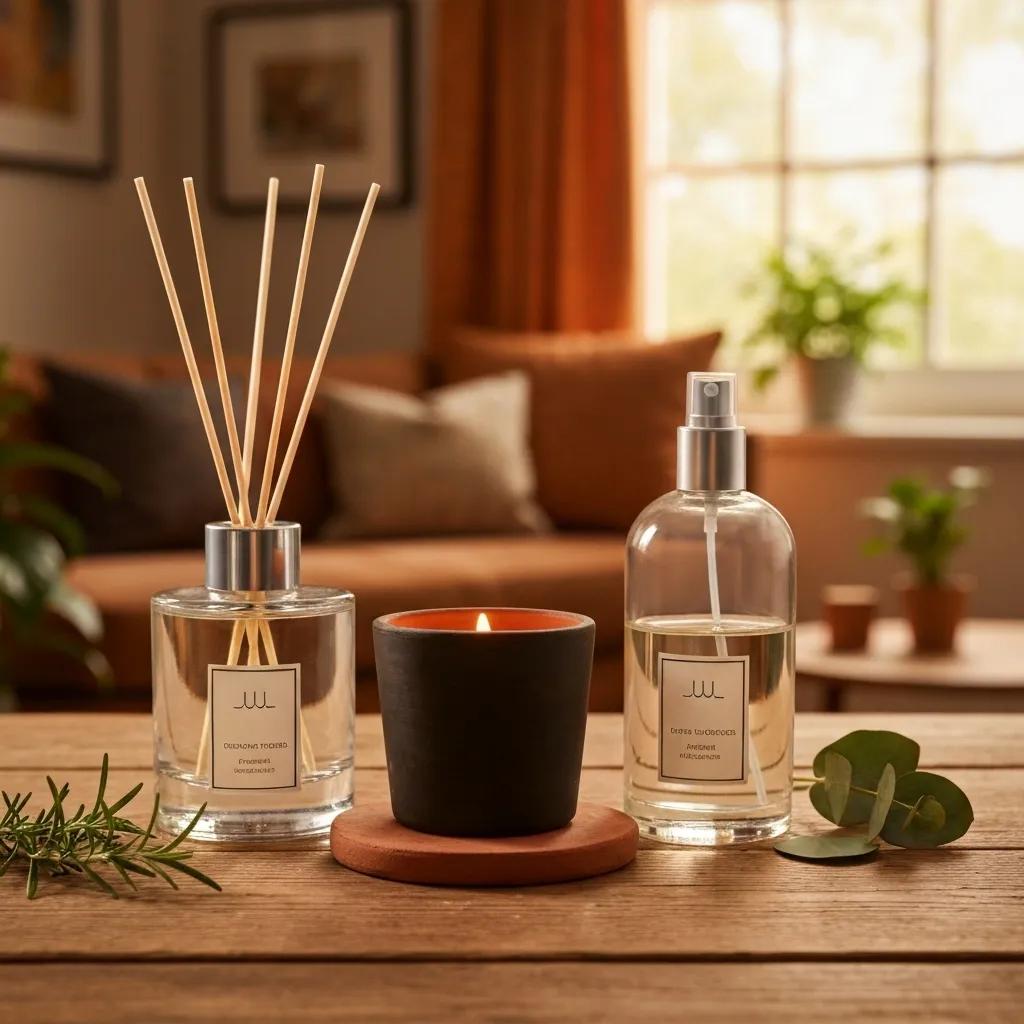
Effective layering combines complementary scent families, varying intensity across formats—candles, diffusers, and room sprays—to build depth and complexity. This method replicates a perfumer’s approach: start with a subtle diffuser base, add a mid-strength candle note, and finish with a bright top-note spray. Layered fragrance profiles deliver a dynamic sensory experience that evolves throughout the day.
What Are the Best Practices for Combining Complementary Scents?
Before layering, select scents within the same family or with harmonious contrasting notes to avoid clashing.
- Define a base note (e.g., vanilla or cedarwood) for longevity.
- Add a heart note (e.g., lavender or rose) for character.
- Finish with a top note (e.g., bergamot or eucalyptus) for brightness.
- Vary delivery formats: diffuser → candle → mist.
Strategic layering ensures a balanced fragrance pyramid that unfolds gradually, setting the stage for room-by-room zoning.
Which Home Fragrance Products Work Best for Layering?
Different formats offer unique coverage and throw:
How Can Seasonal Adjustments Enhance Your Scent Layers?
Seasonal scent adjustments align fragrance profiles with environmental cues:
- Spring: Fresh florals (jasmine, lily) and green notes for renewal
- Summer: Citrus (orange, grapefruit) and mint for cool vibrancy
- Autumn: Spicy accords (cinnamon, clove) for warmth and comfort
- Winter: Resinous woods (fir, frankincense) for cozy richness
Rotating base, heart, and top notes by season keeps your scent-scaping strategy dynamic and aligned with natural mood cycles.
How Do You Zone Your Home with Fragrance for Different Rooms?
Fragrance zoning tailors scent profiles to the function and mood of each space, creating distinct scent-scaped areas that guide emotional responses and activities.
What Scents Are Ideal for Living Rooms, Bedrooms, and Kitchens?
How Do You Choose Scents to Match Room Function and Mood?
Select calming woody or floral notes for relaxation zones, and bright citrus or herbal notes for activity areas. Consider natural light, room size, and airflow when determining scent intensity. Coordinating fragrance families with room purpose creates a seamless transition between zones and reinforces your home’s overall fragrance narrative.
What Are Effective Diffuser Placement Ideas for Maximum Scent Throw?
Place diffusers near airflow sources—windows, doorways, vents—to circulate aroma evenly. In open-plan areas, position units centrally at mid-room height. Smaller rooms benefit from diffusers in corners to allow fragrance to disperse fully. Strategic placement maximizes scent coverage and prevents hotspots or olfactory fatigue.
How Do You Choose and Curate Your Signature Home Scent?
A signature home scent reflects your personality and lifestyle, forming an emotional anchor that greets you and guests alike.
What Factors Should You Consider When Selecting a Signature Scent?
Identify your scent preferences—floral, woody, spicy, or addictive gourmand—while factoring in household needs (pets, allergies). Evaluate intensity preferences, seasonal versatility, and compatibility with existing decor. A balanced signature scent maintains consistency, supports mood, and complements your home’s visual style.
How Can You Use Scent Families to Reflect Your Personality?
How Do You Maintain and Refresh Your Home’s Fragrance Profile?
Rotate diffuser oils monthly and replace candle wicks after 30 hours of burn time to avoid soot. Keep room sprays handy for quick top-note touch-ups. Store essential oils in dark, cool places to preserve potency. Regular maintenance ensures that your signature scent remains vibrant and true to its intended character.
What Are the Wellness Benefits of Home Fragrance and Aromatherapy?
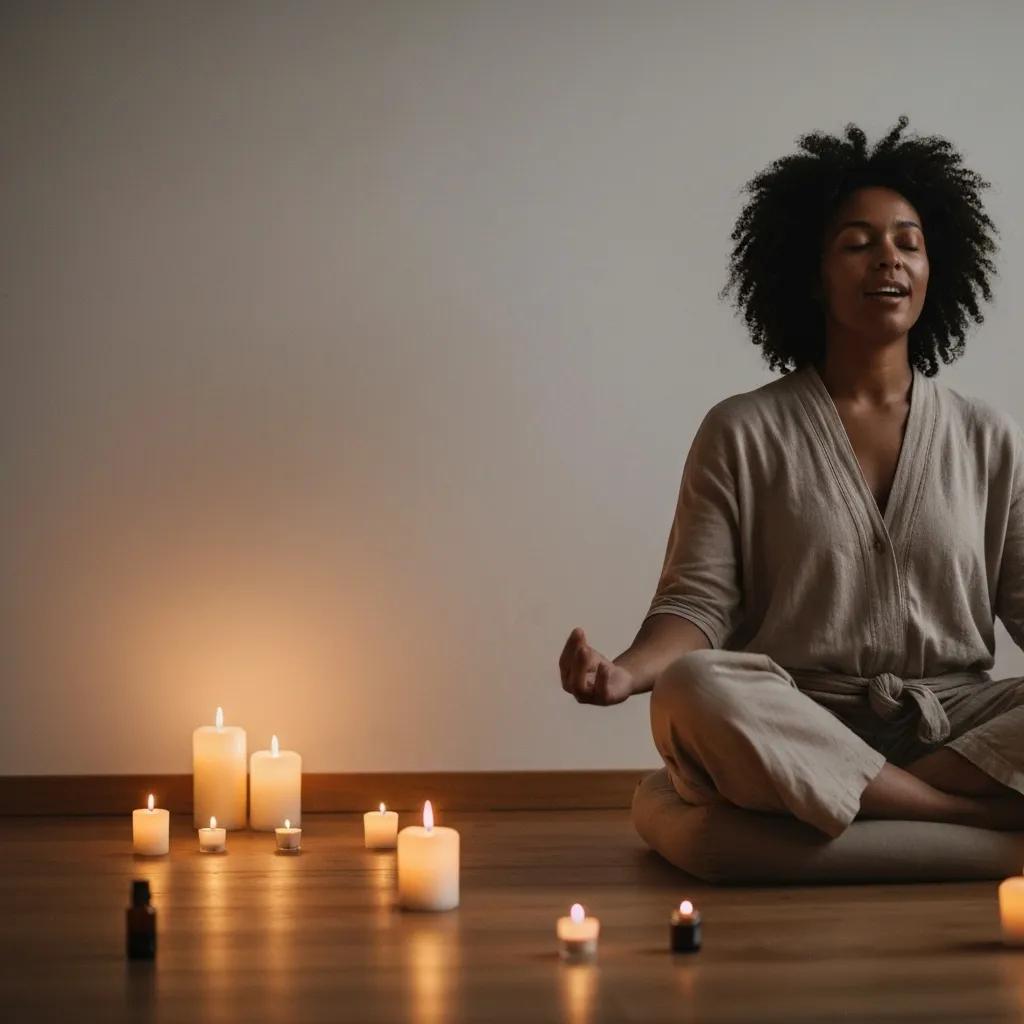
Aromatherapy leverages plant-derived aromas to support physical and emotional health, making scent-scaping as much a wellness practice as an aesthetic choice.
Benefits of Essential Oils
Which Scents Promote Stress Reduction and Relaxation?
Lavender, chamomile, and sandalwood diffuse calming terpenes that reduce cortisol and induce a sense of tranquility.
- Lavender (linalool) supports restful sleep
- Chamomile (α-bisabolol) soothes nervous tension
- Sandalwood (santalol) fosters grounding relaxation
Incorporating these scents in bedrooms and meditation corners enhances overall home wellness.
How Can Home Fragrance Improve Sleep and Focus?
Diffusing lavender or valerian in the bedroom can shorten sleep-onset latency by modulating the parasympathetic nervous system, while citrus oils like lemon or rosemary in workspaces stimulate cognitive alertness through increased acetylcholine activity. Strategic aroma placement supports both restorative rest and peak productivity.
What Is the Role of Aromatherapy in Scent-Scaping?
Aromatherapy integrates essential oil chemistry and inhalation techniques into scent-scaping, using evidence-based blends to target specific wellness goals—stress relief, immune support, or mental clarity. This therapeutic practice amplifies the emotional and physiological impact of your home fragrance design.
What Types of Home Fragrance Products Should You Use for Scent-Scaping?
Selecting the right delivery systems—diffusers, candles, sprays—determines aroma intensity, longevity, and aesthetic integration.
How Do Different Diffuser Types Affect Scent Delivery?
What Are the Benefits of Scented Candles and Room Sprays?
Scented candles provide warm ambiance and depth with a controlled burn time, while room sprays deliver instant top-note refreshes. Candles add a visual focal point in home decor, and sprays offer portability and targeted bursts of aroma—together they complete a robust layering strategy.
How Do You Select Eco-Friendly and Sustainable Fragrance Products?
Prioritize refillable diffuser systems, soy or coconut-wax candles with cotton wicks, and bottles made from recycled glass. Look for fragrance blends free of phthalates, parabens, and synthetic dyes. Ethical sourcing certifications and transparent supply chains ensure that your fragrance practice aligns with environmental stewardship.
How Can You Create a Sustainable and Ethical Home Fragrance Experience?
Building an ethical fragrance narrative involves careful ingredient selection, eco-conscious packaging, and support for fair-trade practices.
What Are the Best Natural and Non-Toxic Ingredients for Home Scents?
Botanical extracts—lavender, eucalyptus, peppermint—and cold-pressed citrus oils provide potent aroma compounds without chemical residues. Avoid synthetic musks and artificial stabilizers. Pure essential oils offer transparency, therapeutic properties, and a reduced ecological footprint.
How Does Eco-Friendly Packaging Impact Your Fragrance Choices?
Minimalist, refillable containers reduce waste and promote circular design. Glass refill pouches and sustainably harvested reeds minimize plastic use. Packaging that communicates ingredient origin and biodegradability strengthens consumer trust and supports responsible home decor practices.
How Can You Support Ethical Sourcing in the Home Fragrance Market?
Seek brands partnered with certified organic farms and fair-trade cooperatives. Verify third-party certifications—such as USDA Organic or Fair for Life—to confirm ethical labor and sustainable harvesting. Investing in ethically sourced fragrances cultivates social responsibility alongside sensory luxury.
Scent-scaping merges interior design, aromatherapy, and sustainability into a cohesive home fragrance strategy. By mastering layering, zoning, and wellness-driven aromatherapy, you create an immersive sensory environment that nurtures mood, memory, and luxury living. Thoughtful product selection and ethical practices ensure that your home’s fragrance profile supports both personal well-being and environmental stewardship. Trust in the power of scent to transform your living spaces into a sanctuary of style, relaxation, and purposeful self-care.