
How Is Tennis Growing in Emerging Countries?
The global tennis landscape is rapidly evolving, with emerging countries increasingly shaping its future. Once dominated by traditional powerhouses, the sport is now gaining traction in non-traditional regions due to strategic planning in coaching, infrastructure development, and grassroots initiatives. National governments and private sponsors are investing in tennis programs that offer clear pathways from junior to professional levels. These efforts elevate competitive standards while creating lasting social and economic impacts. As emerging nations adopt innovative training techniques and form alliances with global tennis organizations, tennis is becoming a tool for social change and international goodwill. This article examines how program development, grassroots initiatives, modern infrastructure, resource provision, community engagement, and data-driven measures are interlinked to secure a vibrant future for tennis worldwide.
What Are Tennis Development Programs Driving Growth in Emerging Nations?
Tennis development programs are essential for nurturing talent in emerging nations. They are designed to build competitive player profiles from a young age by combining academic learning with intensive training. Many emerging economies emphasize a holistic approach that includes modern coaching techniques, nutrition, mental conditioning, and injury prevention.
How Do Coaching Education and Player Pathways Support Tennis Growth? Coaching education forms the backbone of a sustainable talent pipeline. Advanced certification courses and ongoing professional development equip local coaches with modern methodologies and strategic insights. These coaches help identify and channel talent into clear player pathways, which outline the route from grassroots to elite levels. National federations align their coaching curricula with international standards, resulting in improved technique, tactical awareness, and performance. This structured approach has led to better outcomes in international competitions.
What Role Do Competition Structures Play in Emerging Tennis Markets? Evolving competition structures—local tournaments, satellite circuits, and inter-regional championships—offer valuable match play experience. They simulate real competitive conditions, help test and refine skills, and build mental toughness. The growth of domestic leagues has further spurred sponsorship, media coverage, and fan engagement, accelerating overall tennis growth.
How Are Youth Tennis Programs Shaping Future Talent Pools? Youth programs serve as the cornerstone for long-term success. By offering tailored training schedules, educational camps, and early competitive events, these programs support kids as young as five years old. They also address social challenges through scholarships and community outreach, ensuring that talent from all backgrounds can thrive. Early and rigorous exposure to training paired with structured competition leads to sustained participation and excellence.
Overall, tennis development programs in emerging countries demonstrate how structured coaching, defined competitive formats, and comprehensive youth programs lay the groundwork for a future generation that can reshape international tennis.
Why Are Grassroots Tennis Initiatives Crucial for Emerging Tennis Nations?
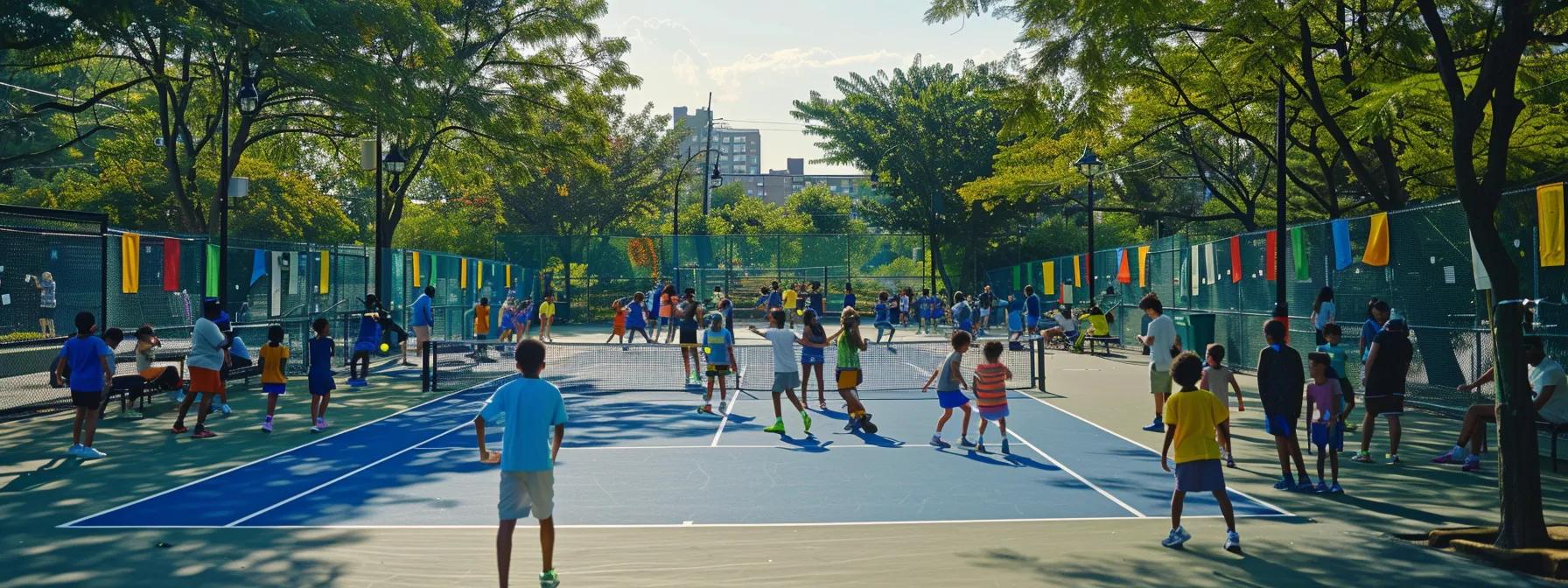
Grassroots initiatives are vital for building a sustainable tennis culture. They expand the sport’s reach by promoting participation at the community level, making tennis accessible to people of all ages and backgrounds through clubs, public courts, and clinics.
How Do Community Outreach and Clinics Increase Tennis Participation? Community outreach programs and clinics introduce the sport to those who might otherwise lack access to professional training. Organized by local associations, schools, or non-profits, these initiatives often include free or subsidized coaching sessions, basic equipment, and mini-tournaments. The result is a boost in participation—especially among underrepresented groups—with local clubs benefiting from increased sponsorship and community support.
What Are Effective Models for Local Tennis Promotion? Successful local promotion combines free clinics, school programs, and public tournaments. Partnership models that see local governments collaborating with private sponsors help fund tennis courts and training initiatives. Programs integrated into school curriculums, reinforced by volunteer-led efforts, develop local coaches and referees, ensuring a lasting sports culture.
How Does Cultural Relevance Impact Grassroots Tennis Success? Grassroots initiatives succeed when they resonate with local cultural values. By tailoring activities to community interests—such as local festivals or sports traditions—tennis becomes a culturally relevant activity. Schools play a role by promoting tennis as a means of teaching discipline, teamwork, and leadership, breaking down social and economic barriers and making the sport a key part of local identity.
Grassroots tennis initiatives, therefore, form the lifeblood of emerging tennis markets by fostering participation and creating an inclusive environment for future generations.
How Is Infrastructure Development Enhancing Tennis Facilities in Emerging Markets?
Infrastructure development is critical for increasing both the accessibility and quality of tennis facilities. In emerging regions, public investment and private partnerships are upgrading training centers, courts, and related amenities, thereby attracting international tournaments and sponsorships.
What Are the Challenges in Building Tennis Courts in Emerging Countries? Emerging nations often face high construction costs, limited maintenance funds, and a shortage of modern equipment. Bureaucratic delays and regulatory hurdles also slow progress. These challenges require innovative, cost-effective solutions and flexible planning to maximize existing resources and spaces without compromising quality.
How Do Partnerships Support Sustainable Tennis Facility Development? Collaborations among governments, private entities, and international organizations are key to overcoming these challenges. Public–private partnerships can leverage corporate sponsorships to finance construction and maintenance. In addition, international tennis organizations provide technical support and grant programs that help ensure facilities meet global standards and remain sustainable over the long term.
What Innovations Are Improving Access to Tennis Facilities? Innovative approaches such as mobile tennis courts, modular facility designs, and eco-friendly construction materials are improving access. Mobile courts offer quality play in remote areas, while modular designs allow for rapid assembly and adaptation. Advances in sports technology—like improved court surfaces and energy-efficient lighting—further enhance training environments and set benchmarks for future development.
Infrastructure development, supported by strategic partnerships and innovative solutions, is not only improving training conditions but also boosting commercial and cultural growth around tennis in emerging countries.
What Equipment and Resources Are Essential for Tennis Growth in Emerging Countries?

Access to quality equipment and resources is indispensable for tennis growth. From basic rackets and balls to advanced training aids and digital monitoring systems, having the right equipment accelerates skill development and reduces economic barriers to participation.
How Does Equipment Provision Affect Player Development? Training with high-quality equipment—such as lightweight, advanced polymer rackets and consistent balls—ensures that players can meet professional standards. Many programs distribute equipment at subsidized rates or for free, which levels the playing field and boosts player morale, leading to improved performance in competitions at all levels.
What Training Materials and Financial Aid Are Available? Support extends beyond physical equipment. Educational resources like video tutorials, coaching manuals, and performance analysis software are crucial. Financial aid schemes cover travel costs, coaching fees, and tournament participation, often through government bodies or sponsorships. Online platforms and mobile apps further facilitate remote mentoring and real-time performance tracking, making advanced training methods accessible even in remote areas.
How Do Resource Programs Address Economic Barriers? Government-backed schemes, grant programs, and private sponsorship initiatives help lower the financial burden on aspiring players. Partnerships with global tennis brands often result in donations or discounts on essential gear, ensuring that talented individuals from disadvantaged backgrounds have every opportunity to compete and succeed.
Overall, effective equipment and resource programs create a more inclusive environment that not only builds individual skills but also supports a globally competitive tennis community.
How Does Community Engagement Foster Tennis Popularity in Emerging Nations?
Community engagement is key to popularizing tennis. It involves local organizations, public tournaments, and interactive clinics that bring the sport closer to both enthusiasts and newcomers, transforming tennis into a cultural phenomenon.
What Role Do Local Organizations Play in Tennis Promotion? Municipal sports departments and community clubs are at the forefront of grassroots promotion. By collaborating with schools, religious institutions, and local businesses, they organize tournaments and friendly matches that introduce the sport and nurture local talent through regular practice sessions.
How Do Tournaments and Clinics Build Tennis Communities? Regularly held tournaments and clinics create excitement and foster healthy competition among diverse age groups and skill levels. These events, often led by experienced coaches or former professionals, provide mentorship and practical advice, while attracting spectators and local media attention that further stimulates community interest.
How Is Long-Term Commitment Ensured in Tennis Development? Sustainable tennis development is achieved through continuous community engagement. Social media, local radio, and school partnerships help keep the community informed about upcoming events and successes. Community ambassadors and local role models also inspire young players, reinforcing tennis as both a sport and a significant part of local cultural identity.
Community engagement, therefore, not only boosts participation in the short term but also ensures the long-term popularity and growth of tennis by embedding it in the local social fabric.
What Data-Driven Approaches Measure Tennis Growth Impact in Emerging Countries?

Data-driven strategies are essential to tracking and enhancing tennis growth. By collecting and analyzing performance and participation data, stakeholders can assess success and make informed decisions on resource allocation and program improvements.
How Is Data Used to Track Program Success? Metrics such as player participation rates, tournament outcomes, and training performance statistics are gathered using digital platforms that offer real-time insights. These data help demonstrate improvements in technical skills like stroke accuracy and agility, which are crucial for evaluating the effectiveness of coaching programs.
What Metrics Indicate Tennis Development Progress? Key performance indicators include the number of registered players, tournament participation rates, win-loss ratios, and the number of certified coaches. Qualitative feedback from players and communities further complements these metrics, painting a holistic picture of development progress.
How Do Analytics Inform Future Tennis Initiatives? Analyzing both historical and current data allows organizations to forecast future needs and tailor programs accordingly. Predictive analytics help identify promising talent pools and market trends, ensuring that investments yield the highest returns. This continuous feedback loop supports strategic planning and enables the customization of training programs to meet the specific requirements of emerging markets.
Data-driven methods are increasingly integral to tennis development, ensuring that programs are effective and evolve in response to real-world feedback.
What Are the Future Trends Shaping Tennis Growth in Emerging Markets?
The future of tennis in emerging markets is set for transformative growth, driven by technological innovations, evolving consumer behaviors, and increasing globalization. As nations invest more in tennis, new trends are emerging that will redefine the sport.
How Will Technology Influence Tennis Training and Facilities? Technological advancements are revolutionizing tennis. Innovations such as smart rackets, wearable sensors, augmented reality, and virtual reality platforms provide real-time feedback and simulate competitive match conditions. These tools allow players to refine techniques and enhance overall performance, while also making state-of-the-art training facilities more accessible.
What Emerging Countries Show the Most Potential for Tennis Growth? Countries in Asia, Africa, and Latin America are becoming hotspots for tennis development due to strong government support, a growing middle class, and innovative partnerships with private sectors. Nations like India, Brazil, and South Africa have already begun producing competitive players and hosting international tournaments, signaling their potential to become major players on the global tennis stage.
How Can Global Partnerships Accelerate Tennis Development? Collaboration with organizations such as the International Tennis Federation and major tennis brands enables emerging nations to adopt best practices in coaching, infrastructure, and tournament organization. These global partnerships facilitate the exchange of skills and resources, providing emerging players with international exposure and helping to enhance both the marketability and commercial viability of the sport.
Future trends in tennis will be shaped by the adoption of advanced technologies, strategic global partnerships, and sustained investments in developing talent. These forces will drive growth, making tennis more competitive, inclusive, and commercially successful.
Final Thoughts
Tennis growth in emerging nations is fueled by structured development programs, robust grassroots initiatives, modern infrastructure, and data-driven strategies. These elements, from advanced coaching and innovative facility construction to comprehensive resource provision and community engagement, work in tandem to create a nurturing environment for talent. With global partnerships and technological integrations speeding progress, emerging markets are set to become influential players on the international tennis stage.
Frequently Asked Questions
Q: What makes tennis development programs crucial in emerging countries? A: Tennis development programs nurture talent by providing structured coaching, modern training techniques, and clear pathways for young players, ensuring long-term growth and improved performance in competitive play.
Q: How do grassroots tennis initiatives boost local participation? A: Grassroots programs, through community outreach, free clinics, and school initiatives, make tennis accessible and culturally relevant, attracting diverse participants and fostering a sustainable, community-based tennis culture.
Q: In what ways does infrastructure development impact tennis growth? A: Upgraded courts and modern training facilities enhance the quality of play, attract higher-level tournaments, and secure long-term investment, all of which contribute to improved athlete performance and broader commercial interest.
Q: How do data-driven approaches help in measuring tennis growth? A: By collecting performance and participation metrics, data-driven methods enable the continuous refinement of training programs and resource allocation, ensuring strategic investments yield tangible improvements in tennis development.
Q: What future trends are expected to shape tennis in emerging markets? A: Emerging trends include the adoption of advanced technologies like smart sensors and VR training, increased global partnerships, and a stronger emphasis on digital analytics, all of which are set to transform the competitive and commercial landscape of tennis.