Comprehensive Olympic Games News and Updates: Schedules, Medal Winners, and Future Hosts
The Olympic Games bring together international multi-sport competition, host-city spectacle, and evolving athletic stories that matter to fans around the world, including Pakistan’s growing audience. This hub collects timely Olympic schedules, medal updates, athlete profiles, and host-city previews, with a clear focus on what Pakistan’s athletes and young sports fans need to know as of October 2025. Readers will learn the key dates for upcoming editions, who the leading medal winners and record holders are, which new sports are engaging younger audiences, and how future hosts plan legacy and infrastructure. The article examines Pakistan’s historical performance and present outlook, highlights new disciplines such as breaking and esports initiatives, and explains how the International Olympic Committee governs inclusion and gender parity. By following this guide, you’ll get structured timelines, concise athlete context, and practical ways to follow live coverage and multimedia available from local news hubs like ARY News. Next, we outline event schedules, then medal leaders and records, new sports, Pakistan’s performance, host-city features, Olympic origins, and IOC governance.
What Are the Key Dates and Schedule for the Upcoming Olympic Games?
This section defines the immediate schedule landscape for the Olympic movement and explains why timelines matter for athletes, broadcasters, and national committees. The Olympic event schedule sets qualification windows, accreditation periods, and marquee final dates that determine athlete preparation cycles and fan engagement opportunities. Understanding the calendar helps federations and supporters coordinate training peaks and media coverage. Below, we offer a compact timeline of upcoming Games and a short summary of what each edition emphasizes for athletes and audiences.
The timeline table below compares upcoming editions, providing quick-reference start and end dates and host locations for planning and coverage purposes. This table gives an at-a-glance view suitable for coaches, media planners, and fans tracking qualifying athletes and national delegations.
This timeline clarifies the sequencing of major Games and highlights regional shifts in hosting. Understanding these dates leads naturally to specifics about the Milano Cortina winter venues and Paris 2024’s key scheduling highlights.
When and Where Will the Milano Cortina 2026 Winter Olympics Take Place?
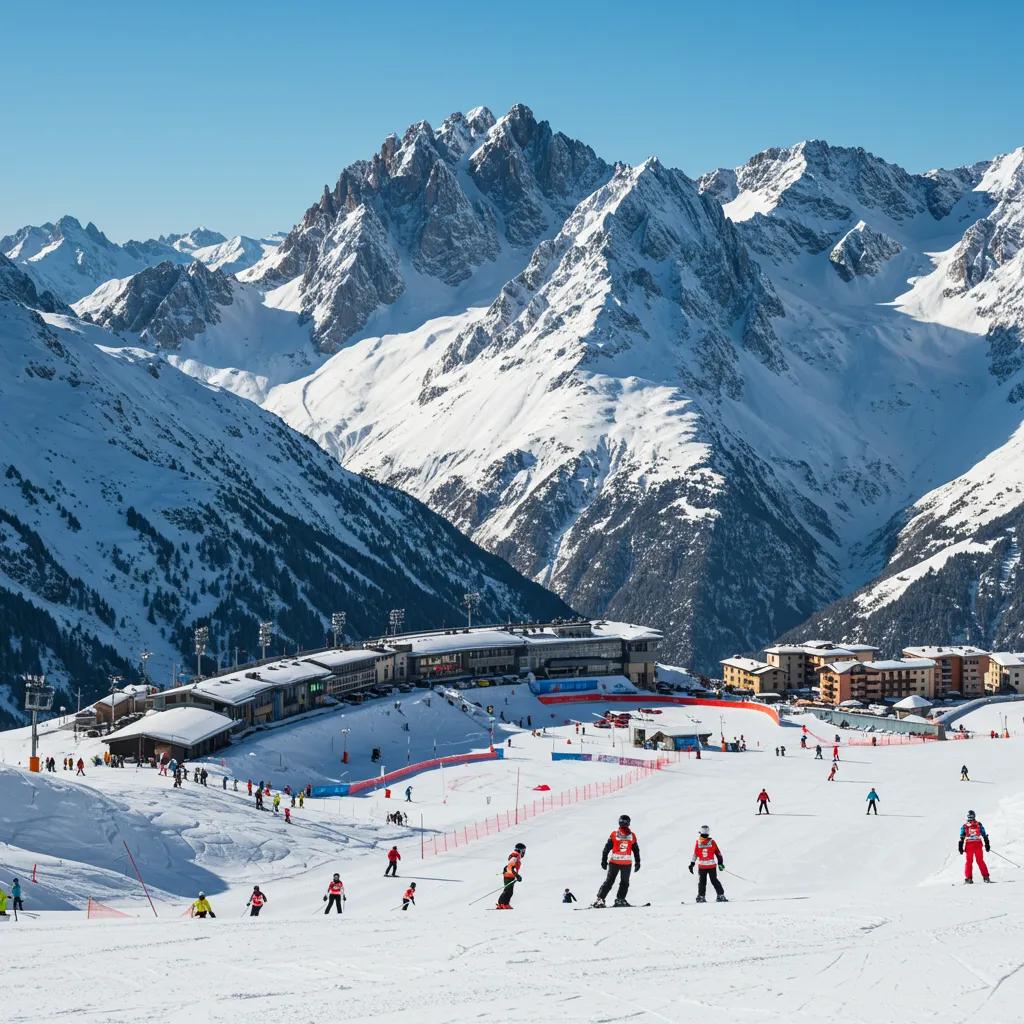
Milano Cortina 2026 unites urban and alpine venues across Lombardy and the Dolomites, creating an event that mixes city stadiums and mountain courses for snow sports. The Winter Games will feature core disciplines such as alpine skiing, cross-country, biathlon, and figure skating across clustered venues in Milan, Cortina d’Ampezzo, and surrounding mountain sites. Event scheduling concentrates alpine finals on high-visibility weekends and places sliding events in purpose-built tracks to maximize athlete safety and broadcast windows. These organizational choices shape how national federations plan athlete travel and acclimatization.
The next paragraph highlights how Paris 2024 structured athletics finals and national performances, offering context for summer sports scheduling.
What Is the Summer Olympics Schedule for Paris 2024?
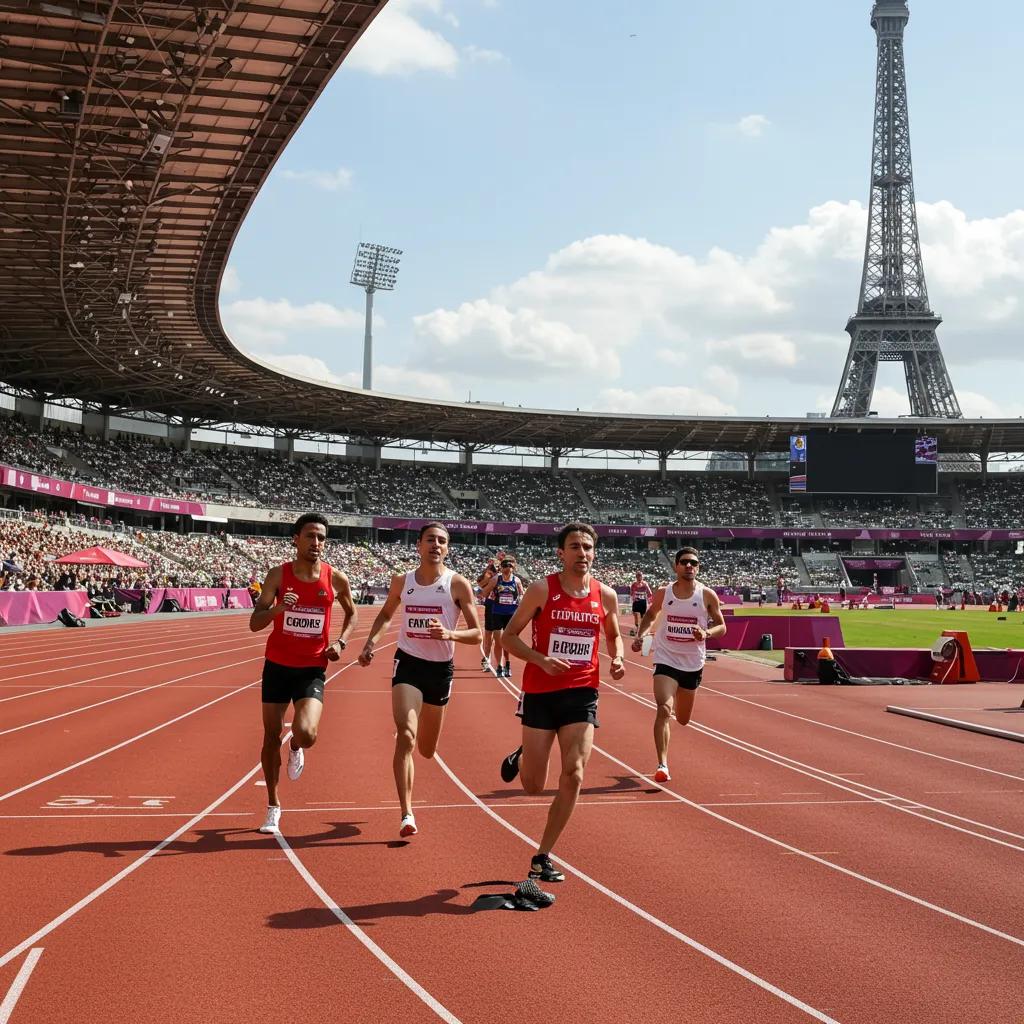
Paris 2024 centered athletics finals on the middle-to-late days of competition to maximize global broadcast audiences and deliver high-stakes medal moments for track and field. The Games included tournament-style competitions (team sports) spread across the calendar, while individual finals were scheduled to create daily headline moments. For athletes and national teams, that scheduling dictated peak performance timing and qualification cut-offs in the year before the Games. The event sequencing also influenced how national broadcasters and digital platforms planned live streams and highlight packages.
This scheduling context helps explain Youth and Paralympic timing, which we examine next as complementary pathways for athlete development.
How Are the Youth and Paralympic Games Scheduled?
The Youth Olympic Games and Paralympic Games follow distinct cycles that complement the main Summer and Winter Olympics, serving development and inclusion objectives for the movement. Youth editions offer qualification opportunities for emerging athletes and are scheduled between main Games to maintain momentum and talent pipelines. Paralympic scheduling is coordinated closely with the Summer and Winter Games timeline, using adapted venues and classification systems to stage elite para-sport finals and ceremonies. National Olympic Committees use these cycles to plan talent development, athlete classification, and talent identification activities.
These event streams feed into live coverage needs, which we outline in the following section to show how fans can follow events in real time.
How Can Fans Follow Live Olympic Events and Updates?
Fans follow Olympic events via official broadcaster schedules, international streaming partners, and real-time results services that publish heats, qualifiers, and medal outcomes as they happen. Social media accounts of federations and athlete profiles provide instant highlights, while national news hubs offer localized angles, athlete interviews, and roundups tailored to domestic audiences. In Pakistan, dedicated sports sections on national outlets and sports hubs aggregate schedules, athlete spotlights, and live-update summaries for local fans. For a practical approach, use broadcaster schedules for full event streams, follow federation feeds for technical updates, and rely on national sports hubs for athlete-centric coverage.
- Fans should check broadcaster schedules to plan viewing and time-zone adjustments.
- Supporters can follow federation and athlete social feeds for immediate results and reaction.
- Use national sports news hubs for localized analysis, athlete features, and post-event summaries.
These live-follow strategies naturally connect to how media partners and outlets package multimedia athlete profiles and results for users, which we discuss in the next major section on medal winners and records.
Who Are the Top Olympic Medal Winners and Record Holders?
Top Olympic medal winners and record holders represent sustained excellence across editions, with all-time leaders spanning multiple sports and eras. Leading countries accumulate medals through broad investment, depth in disciplines, and consistent athlete development systems, while record holders usually combine talent with technical innovation and peak conditioning. This section profiles the landscape of medal leaders, notes recent performance patterns, and highlights how national narratives shape athlete recognition.
Below is a concise athlete table illustrating leading performers and a nod to Pakistan’s notable competitors without inventing specific medal counts. The table focuses on representative examples of top performers and notable records to give context for fans and analysts.
This table provides a structured glance at leading athletes and national contributors, and it leads into a closer look at Pakistan’s own Olympic history and athletes such as Arshad Nadeem.
Which Pakistani Athletes Have Won Olympic Medals?
Pakistan’s Olympic history includes notable medal-winning eras, particularly in team sports historically celebrated within the country, and individual athletes in recent decades have advanced Pakistan’s athletics profile. Prominent Pakistani competitors have garnered national attention through high-level performances, and contemporary athletes like javelin specialists have elevated the athletics conversation at home. National federations and media hubs document these achievements and maintain athlete bios and archives that help fans follow career trajectories.
This athlete context transitions to a snapshot of Paris 2024 medal outcomes and broader trends that influenced national tallies.
What Are the Latest Medal Counts from Paris 2024?
Paris 2024 produced familiar patterns of strong performances by countries with deep Olympic programs, along with notable firsts and record-setting efforts in selected events, and it pushed the movement toward greater gender parity in competitor representation. Medal tables reflected competitive depth across athletics, aquatics, and gymnastics, while emerging sports also contributed medals for new nations. Exact counts and rankings are maintained by official results services and summarized in national outlets for domestic audiences.
Understanding medal distributions and record shifts guides how federations prioritize funding and athlete development, which we explore in the next subsection on record evolution.
How Have Olympic Records Changed in Recent Games?
Recent Games have seen records fall across sprint, distance, and technical events, driven by training advances, equipment innovation, and sport-specific science that enhance performance margins. Technological improvements in equipment, track surfaces, and analytics, alongside optimized periodization and nutrition, account for many record improvements at the elite level. Record shifts also reflect inclusion of new events and formats that broaden competitive fields and create fresh record benchmarks. These trends shape how athletes and coaches set targets for the next Olympic cycles.
These record dynamics help explain why some countries rise in the medal table, a topic covered in the following subsection on historic national success.
What Are the Most Successful Countries in Olympic History?
A small group of countries dominate all-time medal tables through sustained investment in sport development, deep talent pipelines, and national policies that prioritize elite sport. Historical dominance often arises from structured national federations, early talent identification, and investment in coaching and facilities. However, recent decades have shown shifts as emerging nations invest in targeted sports, technology, and athlete welfare to close gaps. Observing these patterns helps national committees craft strategies for medal improvement and sustainable sporting legacies.
This perspective naturally precedes examination of new sports and disciplines that influence future medal opportunities.
What New Sports and Disciplines Are Featured in the Olympic Games?
The Olympic program evolves by adding youth-focused and urban sports to engage new audiences and reflect contemporary athletic practices. The IOC evaluates sports for youth appeal, universality, and television-friendly formats, with recent additions aiming to boost participation among younger demographics.
This section outlines debuting and returning disciplines, explains IOC rationale, and looks at how esports conversations intersect with Olympic planning. A comparative table below summarizes new and returning sports across recent editions.
This comparison clarifies how the program adapts and introduces sports that resonate with youth audiences and urban communities, setting the stage for the following subsections on specific debuts and IOC strategy.
Which Sports Debuted at Paris 2024, Including Breaking?
Paris 2024 introduced breaking as a full medal discipline, showcasing urban movement culture in an Olympic finals format that emphasized creativity, judged performance, and head-to-head competition. Other optional sports selected for Paris reflected local organizing committee priorities and youth engagement goals, creating diverse medal opportunities and new athlete pathways. Debuting sports often feature compact competition formats that translate well to broadcast highlight packages and grassroots participation programs. The Olympic debut of breaking sent a clear signal about the IOC’s intent to modernize programming for younger audiences.
This leads into how winter editions like Milano Cortina manage returning and new winter sports formats.
What Are the Returning Sports for Milano Cortina 2026 Winter Olympics?
Milano Cortina 2026 will stage the core winter sports—alpine skiing, cross-country, biathlon, ski jumping, snowboarding, and skating disciplines—while integrating any approved new winter disciplines that meet IOC criteria for safety and universality. Returning sports maintain established qualification pathways and federation structures that support athlete preparation and event staging. Organizers balance alpine venue logistics with urban staging for skating and sliding events to optimize spectator access and broadcast windows. These choices influence athlete scheduling and national team selection for winter programs.
From sport returns, we move to the IOC’s broader strategy to engage younger audiences through sport selection and event formats.
How Is the IOC Expanding Olympic Sports to Engage Younger Audiences?
The IOC increasingly prioritizes sports with grassroots participation, social-media-friendly formats, and urban accessibility to engage younger demographics and grow global relevance. Criteria include youth appeal, gender balance, sustainability, and the capacity to deliver exciting, television-ready competition. Examples include introducing breaking, sustaining skateboarding, and adjusting formats to shorter, more intense competition windows to maintain attention spans. National federations and youth programs adapt to these criteria by developing talent pathways in urban and non-traditional sports to diversify future Olympic teams.
These youth-focused strategies intersect with discussions about esports and digital engagement, which we address next.
What Role Will Esports Play in Future Olympic Events?
Esports are under active discussion within the Olympic movement as a means to reach global youth audiences, with pilot initiatives and event formats exploring competitive and non-competitive collaborations. The IOC’s approach frames esports initiatives around shared values, fair play, and pathways that connect virtual competition with physical sport development. National esports policies and federations may create bridges between gaming communities and traditional sport pathways to broaden participation. This evolving relationship suggests future event pilots or associated multi-sport festivals that complement Olympic programming while protecting core sport values.
This section’s analysis naturally leads to a national focus on Pakistan’s Olympic history and present-day performance matters.
How Has Pakistan Performed Historically and Recently at the Olympic Games?
Pakistan’s Olympic journey reflects historic team successes and more recent individual breakthroughs that have shaped national sporting narratives. The country’s Olympic participation spans multiple decades, with notable eras defined by team sport achievements and periodic individual performers who elevate athletics visibility. Current performance assessments consider qualification patterns, investment in coaching, and the emergence of athletes who compete internationally in athletics and field events. Understanding this arc helps identify development priorities and media coverage needs for Pakistan’s sporting future.
Below, we present a concise table summarizing Pakistan’s historical medal categories and athlete attributes in high-level terms to avoid unverifiable specifics while still providing informative structure.
This tabular overview clarifies how Pakistan’s strengths have shifted and sets up an athlete spotlight on figures like Arshad Nadeem that illustrate modern trajectories.
What Is the History of Pakistan at the Olympic Games?
Pakistan’s Olympic history includes long-term participation with moments of international success and evolving competitive focus across generations. Early success emerged in team sports that captured national pride and produced celebrated squads; over time, attention broadened to individual disciplines as athletics training systems and international competition exposure grew. Structural challenges and investment gaps have affected continuity, but national federations and international partnerships have aimed to rebuild talent pathways and competitive readiness. These historical dynamics underpin current development strategies and athlete support programs.
Tracing this history prepares readers to understand the role of standout athletes who personify recent progress.
Who Is Arshad Nadeem and What Is His Olympic Legacy?
Arshad Nadeem is a high-profile Pakistani javelin athlete whose international performances have brought renewed attention to Pakistani athletics and inspired youth interest in field events. His competitive record and profile have elevated expectations around technical coaching, event-specific preparation, and international competition readiness for Pakistan. Media platforms and national sports hubs document his career highlights and training approaches, making him a reference point for athletics development in the country. His legacy underscores the potential impact of individual excellence on national sporting culture.
This athlete focus flows into how Pakistan performed at Paris 2024 and what immediate takeaways emerged for national sports programs.
How Did Pakistan Perform at Paris 2024?
At Paris 2024, Pakistan’s delegation showcased athletes across select disciplines, with performances that emphasized progress and exposed areas for targeted development in preparation, competition experience, and support services. While medal outcomes vary across editions, the immediate lessons involve refining qualification strategies, strengthening domestic competition, and expanding exposure to high-level meets to close performance gaps. Media and national federations used the Games to evaluate program effectiveness and to prioritize investment for upcoming qualification cycles.
Drawing from Paris 2024 outcomes, the following subsection examines Pakistan’s future prospects and necessary supports.
What Is the Future Outlook for Pakistan in Upcoming Olympics?
Pakistan’s future Olympic prospects hinge on structured talent identification, federations’ capacity to support high-performance training, and opportunities for athletes to access international competition and coaching expertise. Indicators such as emerging qualifiers, regional competition results, and investments in sport science signal pathways for improvement. Collaboration across national sports systems, educational institutions, and media coverage can enhance talent pipelines and public support. Outlets like ARY News will continue to track qualifiers, athlete development, and national preparations in their sports coverage and athlete spotlight features.
This outlook naturally leads into the next major section on host cities and how their features influence the Olympic experience.
Which Cities Will Host Future Olympic Games and What Are Their Features?
Host cities shape the Olympic experience through venue design, transport infrastructure, sustainability planning, and legacy commitments that influence post-Games community outcomes. Candidate and selected hosts present unique profiles—urban infrastructure in Los Angeles, climate and legacy strategies in Brisbane, and the alpine-urban split in Milano Cortina—that affect athlete logistics and spectator accessibility. This section previews major upcoming hosts and outlines signature features relevant to athletes, federations, and fans.
What Are the Key Details of Los Angeles 2028 Summer Olympics?
Los Angeles 2028 leverages existing stadiums and entertainment infrastructure to deliver cost-effective Games emphasizing legacy and commercial partnership models. The city’s plan focuses on utilizing established venues for athletics finals, aquatic centers, and team sports while implementing transport and accommodation strategies to manage large spectator flows. Innovation efforts aim to enhance broadcast and digital content delivery, creating new audience experiences and commercial revenue streams.
These elements make LA 2028 a model for balancing spectacle, legacy, and fiscal responsibility.
How Will Brisbane 2032 Prepare for the Olympic Games?
Brisbane 2032 emphasizes early infrastructure planning, community engagement, and sustainable venue development to ensure post-Games utility and regional benefits. Preparatory phases include phased venue construction, upgrades to transport networks, and community legacy programs intended to boost sport participation. The host’s approach aims to integrate regional economies and present the Games as a catalyst for broader civic improvements, influencing how national teams plan logistics and talent pathways years in advance.
Brisbane’s model highlights the importance of multi-year planning for athlete support and community legacy.
What Are the Unique Features of Milano Cortina 2026 Winter Olympics Venues?
Milano Cortina 2026 uses a split-host model combining Milan’s urban venues with Cortina’s alpine sites, enabling a blend of city-based ceremonies and mountain sport excellence. The model prioritizes accessibility for spectators and efficient athlete transport between clusters, while leveraging historic mountain venues for snow events and arena facilities for skating disciplines. This configuration affects scheduling, athlete acclimatization, and broadcast logistics, offering a distinct spectator experience that emphasizes both urban spectacle and alpine tradition.
These design choices have implications for team planning and contingency logistics.
How Do Host Cities Impact the Olympic Experience and Legacy?
Host cities impact legacy through infrastructure reuse, community sport participation increases, and economic planning that balances short-term costs with long-term benefits. Successful legacy models repurpose venues for community use, invest in grassroots sport programs, and upgrade transport systems that persist beyond the Games. Measuring legacy involves tracking participation rates, venue utilization, and sustained economic development tied to sports tourism and civic amenities.
These legacy outcomes inform future host bids and national strategies for leveraging Olympic investments to grow domestic sport ecosystems.
What Are the Historical Origins and Cultural Significance of the Olympic Games?
The Olympic Games originate from ancient religious and athletic festivals and have evolved into a modern international movement that blends sport, diplomacy, and cultural symbolism. Ancient Olympia hosted ritual competitions tied to Greek religious life, while the modern revival created a global forum for peaceful competition and cultural exchange. Symbols such as the Olympic rings, flame, and athlete oath carry layered meanings about unity, excellence, and fair play. This historical perspective helps explain why the Games retain cultural relevance and how modern governance preserves tradition while adapting to contemporary values.
We now examine the ancient roots, modern revival, symbols, and memorable moments that illustrate Olympic significance.
Where and When Did the Ancient Olympic Games Begin?
The ancient Olympic Games began in Olympia, Greece, as religious and athletic festivals that honored deities and reinforced regional identity through ritual competition. These festivals combined athletic contests, religious rites, and civic gatherings that shaped social bonds and cultural narratives across Greek city-states. Over time, the ancient Games became a periodic focal point for truce, celebration, and athletic excellence until changing political and cultural circumstances ended the ancient tradition. The archaeological and literary record preserves their legacy, which inspired the modern Olympic revival.
Tracing this origin leads to how the modern Games were reconstituted in the late 19th century.
How Did the Modern Olympic Games Start and Evolve?
The modern Olympic Games were revived to create an international contest that promoted peace and cultural exchange through sport, formalized by a movement that organized recurring multi-sport festivals with national delegations. Key milestones include the institution of regular Olympic cycles, gradual inclusion of women, the creation of the Paralympic movement, and expansion into youth and winter editions. Governance evolved through international federations and the IOC to standardize rules, qualification, and host selection. These structural developments underpin the Games’ contemporary role as a global sporting and cultural forum.
Understanding institutional evolution helps explain the meaning behind Olympic symbols, discussed next.
What Are the Symbolic Elements of the Olympics?
Olympic symbols—the rings, flame, flag, and athlete oaths—represent unity, continuity, and the ethical values of sport that the movement promotes across nations. The five interlocking rings symbolize global unity and continental representation, while the Olympic flame connects modern ceremonies to ancient ritual through a continuity of light. The opening ceremony and athlete oath convey ideals of fair play, respect, and international friendship that the movement emphasizes in practice.
These symbols function as cultural shorthand for shared Olympic values that resonate through host-city spectacles and athlete narratives.
What Are Some Famous Olympic Moments and Stories?
Olympic history includes iconic performances and underdog stories that shape public memory and sports culture, from record-breaking feats to moments of symbolic global significance. Famous anecdotes often spotlight athletes who overcame adversity, nations achieving firsts, or contests that transcended sport to make broader social statements. These moments illustrate sport’s capacity to inspire and the Games’ role as a stage for individual and national narratives that persist across generations. Highlighting a selection of such moments helps readers appreciate the Olympics beyond medals and schedules.
How Does the International Olympic Committee Govern and Shape the Olympic Movement?
The IOC governs the Olympic Movement by setting policies, selecting hosts, approving sports, and coordinating with international federations and National Olympic Committees to deliver editions of the Games. The IOC’s responsibilities include rule-making, qualification frameworks, commercial rights management, and initiatives on inclusion and sustainability. Governance choices—such as sport inclusion, gender parity targets, and legacy requirements—directly influence how national committees plan athlete development and how host cities design their Games.
Below, we unpack governance roles, inclusion strategies, and recent policy decisions.
What Is the Role of the IOC in Organizing the Olympic Games?
The IOC defines the overall Olympic program, conducts host-city selection processes, issues guidelines for qualification, and works with international federations to standardize competition rules. It also negotiates global broadcast and commercial rights that fund the movement and establishes frameworks for anti-doping, athlete welfare, and event sustainability. The IOC’s stewardship ensures continuity across editions while balancing host innovation and international sport governance. This institutional role shapes how national federations engage in long-term planning and compliance.
To understand the intricacies of Pakistan’s engagement with the Olympic movement, it’s beneficial to examine the historical context of its sport policies and participation.
Sport Policy and Olympic History in Pakistan
The historical background to Pakistan’s Participation at the Olympic games and its sport policies, their development and administrative and organisational structure of sport in Pakistan.
Sport policy in Pakistan, R Wright, 2023
How Does the IOC Promote Gender Parity and Inclusion?
The IOC advances gender parity through athlete quota targets, equal event opportunities, and selection policies that encourage balanced representation across sports. Recent editions moved toward near-equal participation, with policy tools including sport program adjustments and encouragement of federations to field balanced teams. Inclusion also extends to para-sport integration through Paralympics coordination and disability classification systems, ensuring elite competition pathways for athletes with impairments. These measures reflect an ongoing institutional priority to broaden access and representation within the Olympic Movement.
A deeper dive into Pakistan’s Olympic journey reveals a rich history and the impact of social development theories on its participation.
Pakistan’s Olympic Participation: A Historical and Social Development Analysis
The paper will therefore analyze the historical background of Pakistan’s participation in the Summer Olympic Games from 1948 to 2016, focusing on the social development theory, with the aim of describing and analyzing the historical background of Pakistan’s participation in the Summer Olympic Games.
Pakistan’s participation at the summer Olympic Games, 1948 to 2016: a social development theory approach, RA Laar, 1948
What Are Recent IOC Decisions Affecting Olympic Sports and Policies?
Recent IOC decisions have focused on updating sport programs, piloting youth-oriented events, enhancing sustainability requirements for hosts, and clarifying governance standards for National Olympic Committees. Choices about adding or retaining optional sports respond to local organizing committee proposals and criteria emphasizing youth appeal and universality. The IOC also continues to refine anti-doping protocols, athlete welfare standards, and sustainability expectations to align with contemporary priorities. These policy shifts guide national committees and federations as they adapt to changing requirements for qualification and hosting.
How Does the IOC Collaborate with National Olympic Committees Like Pakistan’s?
The IOC collaborates with National Olympic Committees by coordinating qualification pathways, providing development grants, supporting training and education programs, and offering governance guidance to strengthen national sport systems. Partnerships often include capacity-building initiatives, coaching exchanges, and technical assistance designed to bolster athlete pathways and organizational competence. For countries like Pakistan, such collaboration helps align domestic programs with international standards and creates channels for athletes to access multi-sport events. Effective cooperation supports national efforts to increase competitiveness and athlete welfare.
This final governance discussion completes the topical map for readers seeking a structured and actionable Olympic Games hub, with practical pathways to follow local coverage and athlete profiles.
Conclusion
Staying informed about the Olympic Games offers fans a comprehensive understanding of schedules, medal outcomes, and the evolving landscape of sports. This knowledge not only enhances the viewing experience but also fosters a deeper connection to athletes and their journeys. To keep up with the latest updates and insights, explore our dedicated Olympic coverage and resources. Join us in celebrating the spirit of competition and unity as we look forward to the upcoming events.