
The Rise of Women’s Football Worldwide: Key Leagues, Players, and Growth Trends
Women’s football is experiencing a remarkable surge in global popularity. Once rooted in grassroots initiatives, the sport has transformed into a professional force on the international stage, sparking major shifts in media coverage, viewership, and sponsorship deals. This article examines the key drivers behind this accelerated growth, including the rise of professional leagues, inspiring performances by top players, and transformative tournaments. With improved organizational structures, increased broadcast coverage, and supportive regulatory changes, women’s football has become a true symbol of gender equality and athletic excellence.
With deep historical roots and modern reinventions, the sport now serves as a major narrative in the sports industry. Both long-established leagues and new competitions contribute to a message of inclusivity, empowerment, and high performance. National and international tournaments captivate millions globally, further underscoring the sport’s growing appeal. The following sections explore the leading leagues, influential players, significant tournaments, historical contexts, viewership trends, community engagement, and educational resources that together drive the global rise of women’s football.
What Are the Top Women’s Football Leagues Driving Global Growth?
Across the globe, women’s football leagues have become essential platforms for competition, player development, and fan engagement. By providing structured environments for talent to flourish, these leagues connect local and international audiences while empowering female athletes and promoting social movements for gender equity.
Which Leagues Lead in Popularity and Competitiveness?
Leagues such as the National Women’s Soccer League (NWSL) in the United States, the FA Women’s Super League in England, and Division 1 Féminine in France are known for their high competitive standards and dynamic play. The NWSL has experienced significant growth in attendance and sponsorships, drawing fans with its exciting matches, intense rivalries, and established stars. Similarly, the FA Women’s Super League benefits from substantial financial investment that has improved facilities, increased player wages, and raised the overall standard of play. Meanwhile, Division 1 Féminine in France produces teams that excel in European competition, reinforcing the importance of strong domestic leagues in international success.
Each of these leagues not only showcases top-level athleticism but also acts as a benchmark for innovations in training, fan engagement, and commercial partnerships. Their influence extends beyond the pitch, setting industry standards for operational excellence and sporting performance.
How Are Emerging Leagues Shaping the Future of Women’s Football?
Emerging leagues in regions such as Asia, South America, and Africa are democratizing the sport and broadening its global footprint. Countries that previously had little investment in women’s sports are now forming professional leagues that introduce fresh talent and diverse playing styles. In Asia, for example, new leagues in Japan and South Korea are stimulating local interest and providing platforms for young players to develop internationally.
In Africa and South America, street football and amateur competitions are transitioning into organized, professional frameworks. These emerging leagues focus on community engagement and grassroots development, ensuring a pipeline of talent and increasing local investment. They also often bring culturally unique approaches that add to the global football discourse. With support from international federations and global sponsors—and by adopting digital broadcasting and online community tools—these leagues are set to become major contributors to the future growth of women’s football.
What Are the Key Differences Between Regional Women’s Football Leagues?
Regional differences highlight varied playing styles, funding sources, audience engagement, and infrastructure. European leagues typically emphasize tactical discipline and technical sophistication, while North American leagues are known for athleticism and physical play. In contrast, emerging leagues in Asia and Africa prioritize rapid development, investing in new facilities and youth academies to improve play from the grassroots.
Funding models also vary considerably. Established leagues have lucrative television contracts, sponsorships, and high matchday revenues that allow them to pay competitive salaries and attract international talent. Emerging leagues might face financial challenges but often compensate by building strong community ties and cultural pride. Local traditions and community values influence how matches are marketed and celebrated, whether it is the festive atmosphere of a Latin American game or the corporate-backed events in Europe. Understanding these regional nuances is vital for stakeholders looking to adapt strategies within different local contexts.
Who Are the Top Female Football Players Influencing the Sport Worldwide?
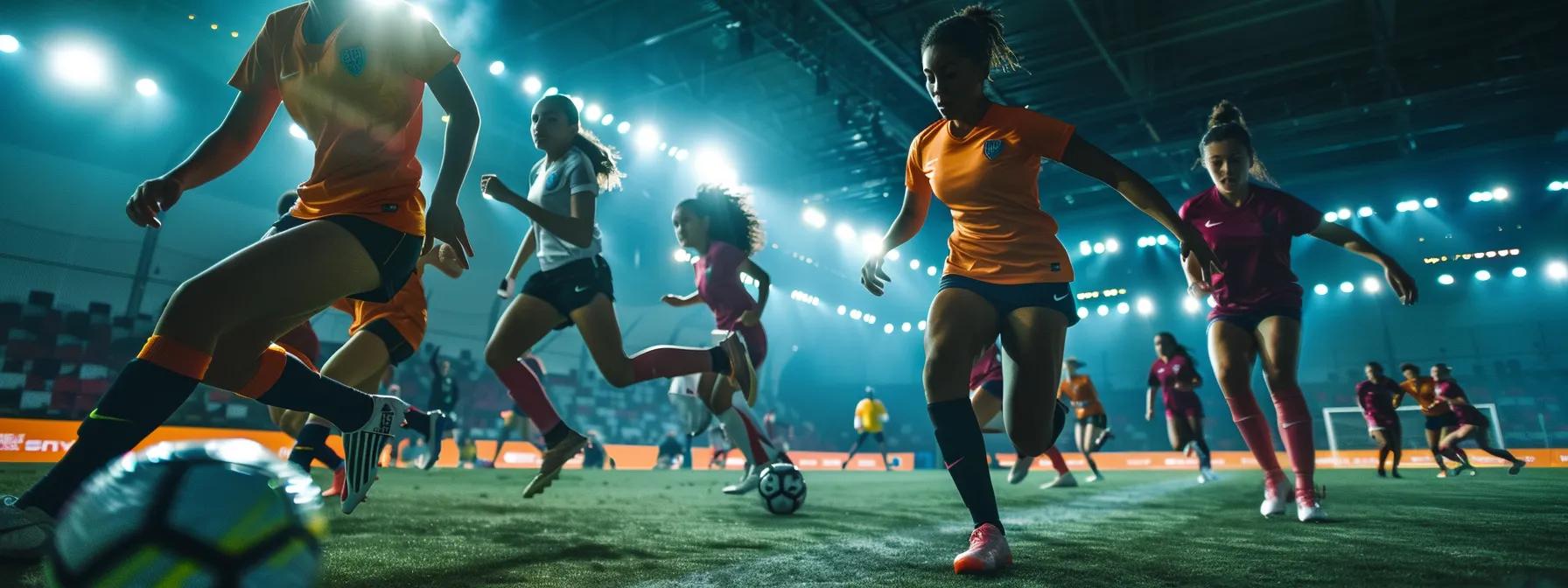
Star players have a powerful impact on the growth of women’s football. These athletes serve as role models by raising the competitive standard and inspiring future generations through their on-field performances and off-field activism. Their individual achievements reinforce messages of perseverance, skill development, and leadership, helping to break down historic gender biases in sports.
Which Players Have the Biggest Impact on and Off the Field?
Players like Megan Rapinoe, Alex Morgan, and Lucy Bronze have become synonymous with excellence in women’s football. Their careers are marked not only by outstanding athletic performance but also by their commitment to social justice and gender equity. They have used their platforms to advocate for equal pay and combat systemic discrimination, making them influential figures both on and off the field.
Their impact is measurable: increased viewership during their matches, higher merchandise sales, and rising participation among young girls. As ambassadors, these players help drive a cultural shift toward recognizing talent and determination, while encouraging leagues and organizations to implement policies that support long-term athlete well-being and professional advancement.
How Do Player Achievements Contribute to the Sport’s Rise?
Individual achievements such as scoring records, prestigious awards, and international milestones create ripple effects that boost the sport’s profile. When a player sets a new record or wins an important trophy, it enhances media coverage and generates excitement among fans, drawing attention to the sport’s high level of tactical and strategic sophistication. These accomplishments also attract sponsorships and expand broadcast deals, which in turn contribute to the overall growth of the leagues.
Data such as goal conversion rates, pass completion percentages, and clean sheet records serve as quantifiable measures of excellence, reinforcing narratives of high performance. As players become more visible through endorsements and media appearances, they further promote their clubs and leagues, thus catalyzing growth at both domestic and international levels.
What Role Do Player Endorsements and Media Presence Play?
Endorsements and media presence are critical in modern sports marketing. Successful players increase the marketability of women’s football leagues by participating in advertising campaigns, social media promotions, and televised interviews. Major brands from sports apparel to lifestyle products recognize the value of associating with these star athletes, thereby investing additional resources into the sport.
This amplified media presence not only enhances individual player profiles but also creates a multiplier effect that benefits the sport as a whole. Digital platforms like Twitter, Instagram, and YouTube enable players to share their journeys and engage directly with fans, making the sport more relatable and accessible. Ultimately, these factors contribute to sustained growth by strengthening both individual and collective brand strength.
What Are the Major Women’s Football Tournaments in 2023 and Their Significance?
Major tournaments are the high point of competitive sports and play a fundamental role in women’s football. In 2023, tournaments have provided platforms for cultural exchange and the celebration of female athleticism, drawing global audiences while fostering national pride and providing opportunities for emerging talent.
Which Tournaments Attract the Largest Global Audiences?
Events such as the FIFA Women’s World Cup and the UEFA Women’s Euro represent the pinnacle of competition in women’s football. The FIFA Women’s World Cup, noted for its intense matches and record viewership, encapsulates the growing global fan base. Additionally, regional tournaments like the Copa América Femenina and the African Women’s Championship have also set new engagement records with millions of viewers tuning in via traditional broadcasts and digital streaming.
These tournaments are celebrated for both their competitive intensity and their role in showcasing tactical innovations and elevated levels of play. The widespread media coverage and use of digital streaming have broadened the tournaments’ reach, ensuring that fans from every corner of the globe can experience the excitement live.
How Do Tournament Formats and Schedules Affect Growth?
The structure of tournaments significantly impacts both player performance and fan engagement. A well-designed tournament featuring group stages followed by knockout rounds builds suspense and provides ample opportunities for teams to display depth and resilience. In 2023, many tournaments have adopted hybrid formats that integrate traditional play with interactive digital experiences, making them appealing to today’s tech-savvy audience.
Scheduling also plays a key role. Tournaments held during high-viewership periods, such as summer breaks or holiday seasons, benefit from maximum international exposure. Combined with strategic marketing efforts, well-timed tournaments help drive media rights revenues and expand the sport into new markets.
What Historic Milestones Occurred in 2023 Tournaments?
The 2023 tournaments witnessed several historic milestones, including record-breaking viewership numbers and breakthrough performances by new talent. Teams from countries with previously limited exposure made significant progress by reaching advanced stages in international competitions. These milestones not only underscored the high level of competitive excellence but also signified a growing acceptance of women’s football as part of mainstream sports.
Highlighting increases in goal averages, enhanced halftime shows, and tactical improvements, these tournaments have reinforced the sport’s credibility and inspired younger generations. Such benchmarks are celebrated by global fan communities and help solidify the position of women’s football on the international stage.
How Has the History of Women’s Soccer Shaped Its Current Global Status?
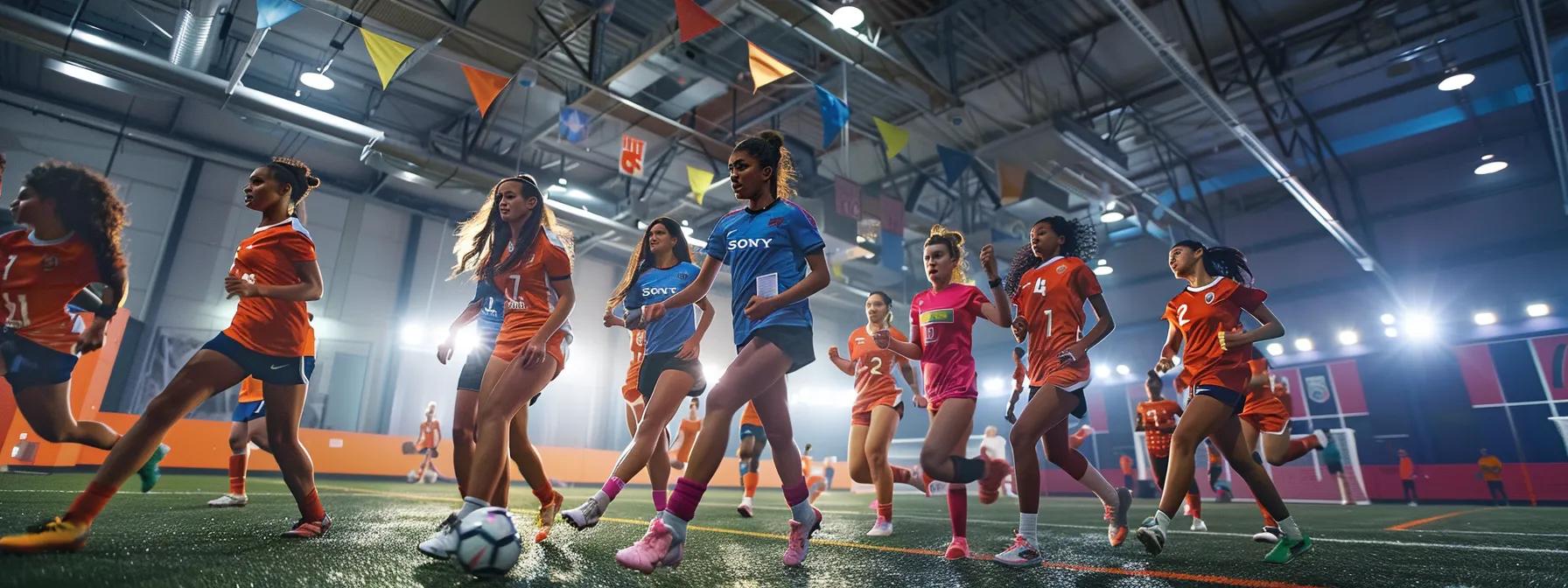
The evolution of women’s soccer is a story of perseverance, social activism, and continuous progress. What began as a grassroots movement has transformed into a fully professionalized sport, reflective of decades of hard work and advocacy in the face of significant challenges. Early pioneers faced limited support, inadequate facilities, and societal resistance, yet their determination paved the way for today’s thriving sport.
What Were the Key Moments in the Development of Women’s Football?
Key milestones include the formation of the first national teams, the launch of landmark international tournaments, and legislative reforms such as Title IX in the United States. The inaugural FIFA Women’s World Cup, for instance, was not only a competitive platform but also a significant moment for increasing visibility and recognition of female talent. These milestones laid the foundation for subsequent generations, ensuring that current players have greater access to resources and support at both the national and international levels.
Over time, increased media coverage, higher attendance figures, and the gradual professionalization of leagues have collectively shaped the sport. Youth academies and long-term sponsorship deals built on these early achievements continue to foster growth and innovation in women’s football.
How Have Social and Cultural Changes Influenced the Sport?
Social and cultural shifts have been essential to the evolution of women’s football. The global movement for gender equality, supported by feminist activism and progressive government policies, has led to greater mainstream acceptance of female athletes. Improved training facilities, expanded youth development programs, and enhanced broadcast opportunities have all emerged as a result of these cultural changes.
The democratization of media through social platforms has further empowered players, enabling them to become influential role models and activists. This ongoing interplay between cultural transformation and sports performance has helped women’s football evolve into a symbol of progressive change.
What Challenges Did Women’s Football Face Historically?
Historically, women’s football encountered significant obstacles, including institutional discrimination, limited funding, and scarce media exposure. Early female players often struggled to access quality facilities and professional opportunities due to prevailing gender biases and outdated regulations. Although grassroots organizations eventually helped break down these barriers, challenges such as unequal pay and resource disparities persist, prompting ongoing international efforts to address these issues. These historical lessons continue to inform policies and support systems, ensuring that future generations face fewer obstacles on their journey to excellence.
What Do Women’s Football Viewership Statistics Reveal About Its Popularity?
Viewership statistics offer clear evidence of the rapid global growth in women’s football. Rising attendance figures, boosted broadcast ratings, and increased digital engagement all highlight the sport’s expanding commercial and fan appeal. These data points confirm that women’s football has moved beyond being a niche activity to becoming a major phenomenon in the sports landscape.
How Have Global Viewership Numbers Changed Over Recent Years?
Over the past decade, global viewership for women’s football has surged significantly. The FIFA Women’s World Cup and various continental tournaments have consistently shattered previous audience records, thanks to both traditional television broadcasts and modern streaming platforms. For example, recent editions of the Women’s World Cup have seen viewership increases of over 30% compared to earlier tournaments. Social media platforms—with their live updates and interactive features—further contribute to ongoing audience engagement.
Enhanced marketing strategies and improved broadcast accessibility have played critical roles in this upward trend, ensuring that the sport reaches a diverse, global audience.
Which Regions Show the Highest Engagement and Why?
Regions such as North America, Western Europe, and parts of Asia exhibit the highest engagement levels. North America benefits from the robust infrastructure of the NWSL and high-profile international competitions, while Western Europe enjoys a long-established football culture complemented by strong domestic leagues. Additionally, several Asian countries have recently increased their sponsorship and infrastructure investments, further driving viewership and engagement.
These regional successes are supported by historical sporting traditions, public-private partnerships, and targeted government initiatives, all of which reinforce the sport’s long-term growth.
What Platforms and Media Channels Drive Viewership Growth?
Traditional media channels like television and dedicated sports networks continue to play a vital role in reaching large audiences. However, the rise of digital platforms is equally significant. Platforms such as YouTube, Twitter, and Instagram provide real-time updates and behind-the-scenes content that enrich the fan experience. Live streaming services offer interactive features that invite fans to participate in match-day experiences, further driving engagement.
Innovative broadcasting technologies—including virtual reality and multi-angle video replays—also enhance the viewing experience by offering personalized content. These technological advances, combined with comprehensive data analytics, ensure that women’s football remains dynamic and accessible to a global audience.
How Is Community Engagement Fueling the Rise of Women’s Football Worldwide?
Community engagement has emerged as a cornerstone for the sustained growth of women’s football. Successful leagues and tournaments are supported not only by outstanding on-field performances but also by robust community programs, digital fan clubs, and grassroots initiatives that create lasting connections between the sport and its supporters.

What Role Do Online Forums and Social Media Play?
Online forums and social media platforms are crucial in building vibrant fan communities. They enable players and clubs to share match updates, behind-the-scenes footage, and personal stories that humanize the sport. Hashtags, viral challenges, and discussion threads foster an environment where fans can celebrate victories, analyze tactics, and voice support for their favorite teams. This interactive media landscape helps clubs gauge audience sentiment and ensures that even emerging players and smaller leagues receive wider visibility.
How Are Grassroots Programs Supporting Women’s Football Growth?
Grassroots programs are fundamental to both nurturing future talent and expanding the fan base. Local clubs, school programs, and amateur competitions provide structured training and meaningful competitive experience for young girls aspiring to professional careers. With support from national federations and international organizations, these initiatives secure funding and technical expertise that are vital in early player development.
Local tournaments and camps foster inclusivity, reaching out to underrepresented communities and building strong networks of support. These community-driven efforts create a self-sustaining cycle of growth, ensuring that the sport continues to thrive at all levels.
What Impact Do Fan-Driven Events and Campaigns Have?
Fan-driven events such as local festivals, viewing parties, and charity matches create a palpable sense of community around women’s football. These events offer fans the opportunity for direct interaction with players and provide platforms for sponsors to engage with potential customers in genuine, community-centric settings. The active participation of fans in such events generates word-of-mouth promotion and heightens media coverage, further reinforcing the sport’s popularity and cultural impact.
What Educational Resources Help Fans Understand Women’s Football Better?
Educational resources play a pivotal role in deepening fan engagement with women’s football. Through historical timelines, detailed player profiles, and data-rich insights, fans gain a comprehensive understanding of the sport’s evolution, strategies, and ongoing developments. These resources turn casual interest into informed support and lifelong passion.
Which Historical Timelines and Player Profiles Are Most Informative?
Detailed timelines and player profiles offer invaluable context to the rise of women’s football. By documenting landmark events—from the earliest matches to modern professional triumphs—these resources provide a narrative of resilience and transformation. In-depth profiles enable fans to appreciate the careers and contributions of iconic players, serving as both inspiration and a study in skill development and perseverance.
Repositories of archival footage, interactive databases, and documentaries further enrich this knowledge, allowing fans to connect historical milestones with current trends and innovations in the sport.
How Do Data-Driven Insights Enhance Fan Experience?
Advanced analytics and performance metrics have transformed the way fans interact with the game. Data on shooting percentages, pass completion, and defensive statistics help translate on-field performance into understandable insights. These analytical tools empower fans to engage in informed discussions about team strategies and individual player contributions, thereby deepening their overall appreciation of the sport.
What Learning Tools Are Available for New Fans and Enthusiasts?
For those new to women’s football, a range of learning tools—including online courses, video tutorials, and interactive apps—provide clear explanations of basic rules, tactical concepts, and historical contexts. Supported by engaging infographics and video highlights, these resources make the sport accessible to newcomers. Community-driven Q&A sessions and fan forums also offer an inclusive space for learning and discussion, ensuring that every fan can feel connected to the larger football community.
Table Comparison: Key Attributes of Women’s Football Leagues, Players, and Tournaments
Below is a table summarizing key attributes that drive the global growth of women’s football:
The table above encapsulates the crucial factors that fuel the upward trajectory of women’s football. Together, these elements form an ecosystem that supports current stakeholders while nurturing the next generation of talent and fans.

Frequently Asked Questions
Q: What are the main factors driving the global growth of women’s football? A: The sport is growing due to increased investment in professional leagues, cultural shifts toward gender equality, enhanced media coverage, and the influence of star players. Advances in digital broadcasting and grassroots initiatives have also made the sport more accessible worldwide.
Q: How do top leagues influence the competitiveness of women’s football? A: Leagues like the NWSL, FA Women’s Super League, and Division 1 Féminine set high standards through quality competition, strategic investments, and strong fan engagement. Their success attracts international stars and drives commercial growth.
Q: In what ways do star players affect the visibility and marketability of women’s football? A: Star players boost visibility with their on-field brilliance and off-field activism. Their social media presence and endorsement deals attract sponsorships and elevate media coverage, increasing the sport’s marketability.
Q: What role do major tournaments play in the sport’s development? A: Major tournaments, such as the FIFA Women’s World Cup and regional championships, are central to increasing the sport’s profile. They set new viewership records, engage fans globally, and provide a stage for breakthrough performances.
Q: How do grassroots programs contribute to the sustainability of women’s football? A: Grassroots initiatives lay the foundation for talent development and community support. They offer training, mentorship, and competitive opportunities, ensuring a steady pipeline for professional leagues and fostering long-term engagement.
Q: What educational resources are most effective for fans new to women’s football? A: Tools such as interactive timelines, detailed player profiles, video tutorials, and data-driven insights help new fans understand the sport’s history, tactics, and key figures, deepening their overall appreciation.
Q: How do online platforms and social media enhance the fan experience in women’s football? A: Digital channels provide real-time updates, behind-the-scenes content, and interactive discussions that create an immersive viewing experience. They also support live streaming and data analytics, drawing in a diverse global audience.
Final Thoughts
Women’s football stands as a powerful testament to transformation through competitiveness, media exposure, and community support. Robust leagues, talented players, and marquee tournaments have all contributed to breaking new ground in visibility and engagement. As the sport continues to evolve, ongoing investments in grassroots programs and the development of educational resources will be essential to nurturing new talent and sustaining an informed, passionate fan base. The future of women’s football is bright—poised to become even more influential on the global stage.