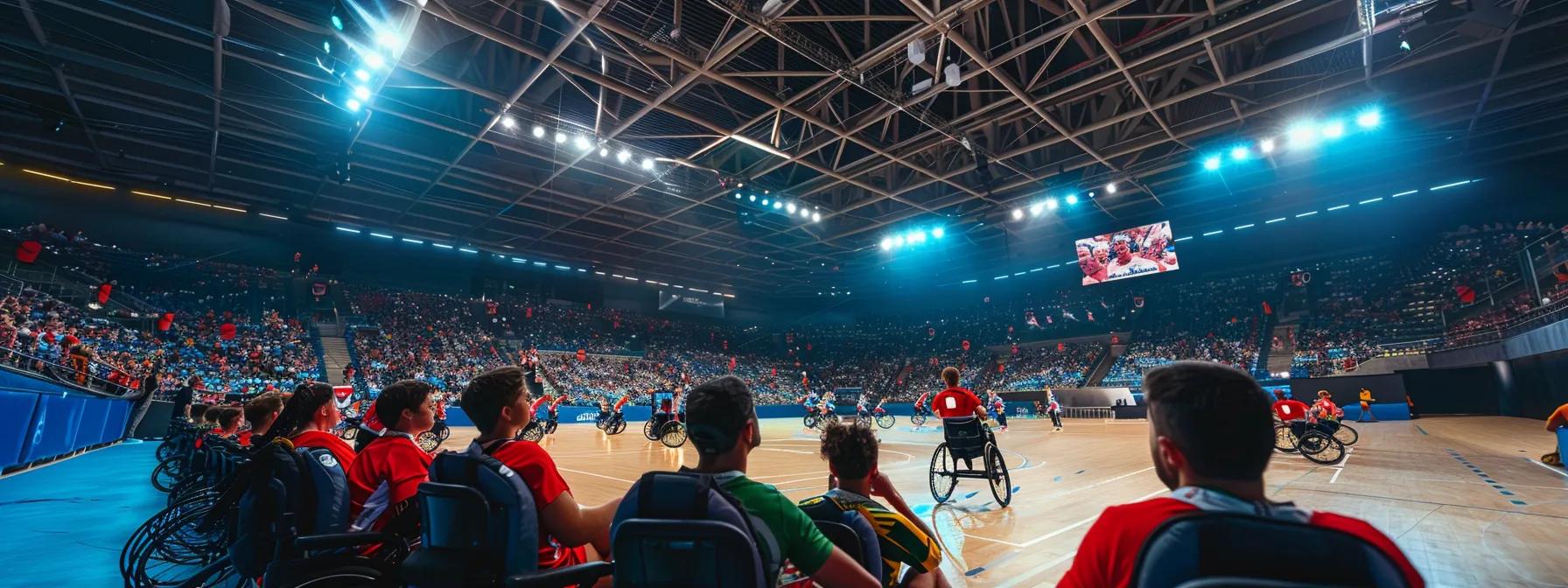
Exploring Paralympic Sports and Inclusion: How to Participate, Benefit, and Support Disabled Athletes
Introduction
Inclusive sports foster athletic excellence, social integration, and community empowerment among disabled athletes. As the global Paralympic movement grows—with events like the 2024 Summer Paralympics and Winter Paralympics attracting worldwide attention—understanding its evolution is essential. Adaptive sports such as wheelchair basketball, para swimming, rowing, and para table tennis provide disabled individuals with opportunities to excel. These sports benefit from specialized programs, adaptive equipment, and community organizations that ensure accessibility and participation. This article explains what Paralympic sports are, how they promote inclusion, the steps for athletes to join adaptive programs, and the mental, physical, and social benefits of participation. It also highlights inspirational athlete journeys, global adaptive sports programs, and strategies for advocacy to foster a truly inclusive society.
What Are Paralympic Sports and How Do They Promote Inclusion?
Paralympic sports are competitive activities designed for athletes with physical, visual, or intellectual disabilities. They create platforms for athletes to display skill and teamwork while challenging societal stereotypes and breaking down barriers between disabled and non-disabled communities. Through structured competition and adaptive rules, sports like wheelchair basketball and wheelchair rugby—each modified with specialized equipment and safety measures—ensure fair play and recognition on the international stage.
Furthermore, adaptive sports like para swimming, para athletics, and adaptive rowing use classification systems to group athletes by functional ability. This process guarantees fair competition while celebrating each athlete’s unique capabilities. Participation in these sports builds self-esteem, strengthens social bonds, and dispels misconceptions about disability. With increasing media exposure and support from organizations such as the International Paralympic Committee, these sports advocate for better accessibility and inclusive policies, while technological innovations—from sport-specific wheelchairs to advanced prosthetics—drive both athletic performance and broader societal change.
Which Sports Are Included in the Paralympic Games?
The Paralympic Games feature a range of sports specifically adapted for athletes with disabilities. Core sports include: 1. Wheelchair Basketball: Adapted with specialized wheelchairs for rapid movement and balance. 2. Para Swimming: Features modified strokes and starting techniques tailored for various impairments. 3. Wheelchair Rugby: A full-contact sport with adaptive rules and protective gear. 4. Goalball: Designed for visually impaired athletes using balls embedded with bells for auditory tracking. 5. Para Athletics: Encompasses track and field events with assistive devices and classification systems.
Each sport is designed to uphold competitive equity and to foster inclusion by emphasizing athletes’ abilities over their limitations. A table summarizing these sports is provided below:
How Do Paralympic Sports Foster Social Inclusion?
Paralympic sports unite individuals from diverse backgrounds by providing disabled athletes opportunities to develop skills and build confidence in supportive environments. At the grassroots, local adaptive sports programs offer training and events that emphasize teamwork and mentorship. Partnerships with schools, clinics, and community centers introduce these sports to new audiences while accessible facilities and volunteer coaching help demystify disability.
Media coverage of events like the 2020 Summer Paralympics and the 2024 Summer Paralympics further shifts public perceptions, promoting workplaces and policies that embrace diversity. Participation in these sports not only improves self-esteem for athletes but also creates a ripple effect that strengthens local communities, family bonds, and advocacy initiatives. In essence, Paralympic sports serve both as competitive platforms and as tools for social transformation.
What Is the History and Evolution of Paralympic Sports?
The origins of Paralympic sports date back to post–World War II rehabilitation programs at Stoke Mandeville Hospital in England. Initially intended to help injured soldiers regain self-esteem and reintegrate into society, these sports evolved into competitive events. In 1960, the first official Paralympic Games were held in Rome, setting the stage for modern adaptive sports with rigorous classification systems and adaptive rules.
Over the decades, technological advancements and increased institutional support from bodies like the International Paralympic Committee have propelled these sports onto the global stage. The evolution of adaptive equipment—from rudimentary wheelchairs and prosthetics to advanced racing wheelchairs and dynamic prosthetic limbs—has enhanced athlete performance and everyday mobility. Today, the Paralympic movement not only fosters high-performance competition but also drives societal change by challenging outdated views of disability and promoting both physical and cognitive empowerment.
How Can Athletes Participate in Paralympic and Adaptive Sports Programs?
Athletes interested in adaptive sports begin by understanding eligibility criteria set by national and international sports organizations, which typically require documentation of disability, medical clearance, and classification assessments. Once eligible, athletes should connect with local adaptive sports programs and clubs, many of which partner with schools and rehabilitation centers.
Key steps include: 1. Assessment and Classification: Obtain necessary medical evaluations. 2. Local Club Identification: Research and contact nearby adaptive sports clubs. 3. Training Enrollment: Join beginner-friendly programs with tailored coaching. 4. Mentorship Programs: Connect with experienced Paralympians for guidance. 5. Utilize Online Platforms: Access directories and application portals offered by national Paralympic committees.
Many training centers also provide psychological support, while various governments and non-profit organizations offer funding for equipment such as adaptive wheelchairs and prosthetics. A concise summary of these steps is shown in the table below:
Through these pathways, athletes can overcome entry barriers and enjoy the benefits of adaptive sports.
What Are the Benefits of Adaptive Sports for Disabled Athletes?
Adaptive sports provide numerous benefits, integrating improvements in physical health, mental well-being, and social inclusion. Physically, sports like wheelchair basketball, para swimming, and adaptive rowing enhance cardiovascular endurance, muscle strength, flexibility, and coordination. Regular training leads to measurable improvements in fitness and overall wellness.
Emotionally and cognitively, adaptive sports reduce stress, improve mood through the release of endorphins, and bolster strategic thinking. These sports also build a sense of community, reducing isolation and encouraging supportive relationships with peers and coaches. Moreover, by serving as a platform for role models, adaptive sports inspire advocacy for accessibility and anti-discrimination policies. Key benefits include:
- Improved Physical Health: Enhanced endurance, strength, and flexibility.
- Mental Health Enhancement: Reduced anxiety and depression; improved self-confidence.
- Social Integration: Development of meaningful relationships and reduced isolation.
- Skill Development: Better teamwork, decision-making, and strategic thinking.
- Advocacy and Awareness: Positive role modeling and influence on public policies.
By merging these benefits, adaptive sports lead to a holistic improvement in quality of life and contribute to broader social inclusion.
What Mental and Emotional Benefits Do Athletes Experience?
Adaptive sports not only improve physical fitness but also have significant mental and emotional benefits. Athletes often report elevated moods, increased self-esteem, and a strong sense of achievement. Regular physical activity results in the release of serotonin and endorphins, which help reduce symptoms of anxiety and depression.
Participation fosters a growth mindset, enabling athletes to view challenges as opportunities for personal development. Being part of a team, whether in wheelchair basketball or adaptive rowing, creates a supportive social environment that mitigates feelings of isolation. Incremental achievements further instill confidence and resilience, which often translate to success in other life domains such as academics and professional careers. Overall, these mental and emotional gains are pivotal in helping disabled athletes lead fulfilling, engaged lives.
How Do Adaptive Sports Enhance Social Connections and Community?
Adaptive sports strengthen social connections by bringing together individuals from diverse backgrounds to form supportive networks. These sports create communities where athletes, families, coaches, and volunteers collaborate toward inclusivity. Regular events such as local sports days, adaptive marathons, or tournaments foster communal pride and help raise awareness about disability issues.
Local organizations and governments often partner to enhance accessibility through improved infrastructures—like adapted stadiums and accessible parks—which further promote community integration. Families and coaches play essential roles, offering both emotional and practical support, which in turn builds lasting relationships and encourages broader advocacy for social change. The following table summarizes how adaptive sports reinforce community bonds:
Which Paralympic Athlete Stories Inspire and Educate?
Inspirational stories from Paralympic athletes demonstrate the power of perseverance and the transformative impact of adaptive sports. Athletes such as Tatyana McFadden have redefined possibilities in wheelchair racing by overcoming adversity, while figures like Chantal Petitclerc and Natalie du Toit have set new standards in their respective sports. These athletes not only achieve competitive success but also serve as role models who empower others to surmount personal challenges.
Their journeys—from rigorous rehabilitation and intensive training to personal sacrifices—underscore the resilience of the human spirit. These stories provide valuable lessons in adaptability and inspire societal change by challenging stereotypes surrounding disability. By sharing their experiences, these athletes promote inclusiveness and educate the public on the benefits of adaptive sports.
How Does Community Support Strengthen Paralympic Sports and Inclusion?
Community support is crucial in nurturing Paralympic sports. Families offer emotional and logistical backing from an athlete’s early development, while coaches design tailored training programs that instill discipline and perseverance. Local sports clubs and advocacy organizations bridge the gap between grassroots participation and elite competition by hosting inclusive events and mentorship programs.
Collaborations between community organizations and local governments also result in improved infrastructure, such as adaptive sports centers and accessible public facilities, which further enhance participation. This robust support network not only helps athletes succeed but also spurs broader societal change by promoting accessibility and inclusiveness.
What Adaptive Sports Programs Are Available Worldwide?
Globally, adaptive sports programs are tailored to meet the needs of diverse populations. In the United States, comprehensive programs run by the U.S. Paralympics and local clubs offer both elite and community-based opportunities. Australia’s Paralympics Australia and regional sport councils focus on integrating high-performance training with community participation. In Europe, nations like Slovakia and the Czech Republic have made significant investments in adaptive sports infrastructure. Meanwhile, emerging programs in South America and grassroots initiatives in small nations such as São Tomé and Príncipe demonstrate the universal commitment to accessible sports.
These programs provide specialized training, medical care, and even psychological support, ensuring that athletes everywhere have the resources necessary for success. A comparative overview is provided below:
How Can You Advocate for Greater Inclusion Through Paralympic Sports?
Advocacy for inclusion through Paralympic sports involves raising public awareness, influencing policy, and mobilizing community action. First, engage with established organizations such as the International Paralympic Committee and local adaptive sports clubs. Public awareness campaigns—via social media, community events, and public service announcements—can highlight inspiring athlete stories and the tangible benefits of adaptive sports.
Advocates should also work with policymakers to support legislation that ensures equal access and funding for adaptive sports facilities. Forming coalitions with disability rights groups and educational institutions can further strengthen these efforts. Additionally, corporate sponsorships of adaptive sports not only boost brand image but also provide essential resources for athletes. Key strategies include:
- Engaging with established organizations.
- Launching public awareness campaigns.
- Lobbying for policy change.
- Fostering corporate sponsorship.
- Educating the public on the benefits of adaptive sports.
These combined efforts help build a society where disability is recognized as a different expression of human potential rather than a limitation.
Frequently Asked Questions
Q: What exactly are Paralympic sports? A: Paralympic sports are adaptive athletic competitions that modify standard sports rules and equipment to ensure fair competition and equal participation for athletes with disabilities while fostering personal achievement and social inclusion.
Q: How do adaptive sports programs help disabled athletes? A: They offer specialized training, adaptive equipment, and supportive communities that improve physical fitness, mental health, and social integration. Additionally, these programs provide funding and mentorship to help athletes excel.
Q: What steps should athletes take to join adaptive sports programs? A: Athletes should obtain a medical evaluation and classification, research local clubs, enroll in beginner training sessions, and connect with mentorship programs while utilizing available funding or scholarships.
Q: How do Paralympic sports contribute to societal inclusion? A: By creating competitive environments that challenge stereotypes, increasing public awareness through events, and driving policy changes to enhance accessibility, thereby promoting broader inclusion.
Q: What role does community support play in advancing adaptive sports? A: It provides essential emotional, logistical, and infrastructural backing through local clubs, government initiatives, and family support, fostering personal growth and a sense of community.
Q: How can advocates support greater inclusion through Paralympic sports? A: Advocates can partner with key organizations, launch awareness campaigns, lobby for supportive policies, encourage corporate sponsorships, and educate the public on the multifaceted benefits of adaptive sports.
Q: Are there global adaptive sports programs available for disabled athletes? A: Yes, adaptive sports programs are available across regions including North America, Oceania, Europe, South America, and in small nations, ensuring both high-performance training and community-based recreational opportunities.
Final Thoughts
Paralympic sports and adaptive athletic programs are pivotal in transforming societal views on disability and fostering inclusion. By combining competitive excellence with community empowerment, these sports not only enhance physical, mental, and social well-being but also serve as catalysts for policy advocacy and broader social change. With continued investment in adaptive sports programs and greater public recognition, society can move closer to a truly inclusive future.