Transparent Solar Panels Turn Windows into Power Sources
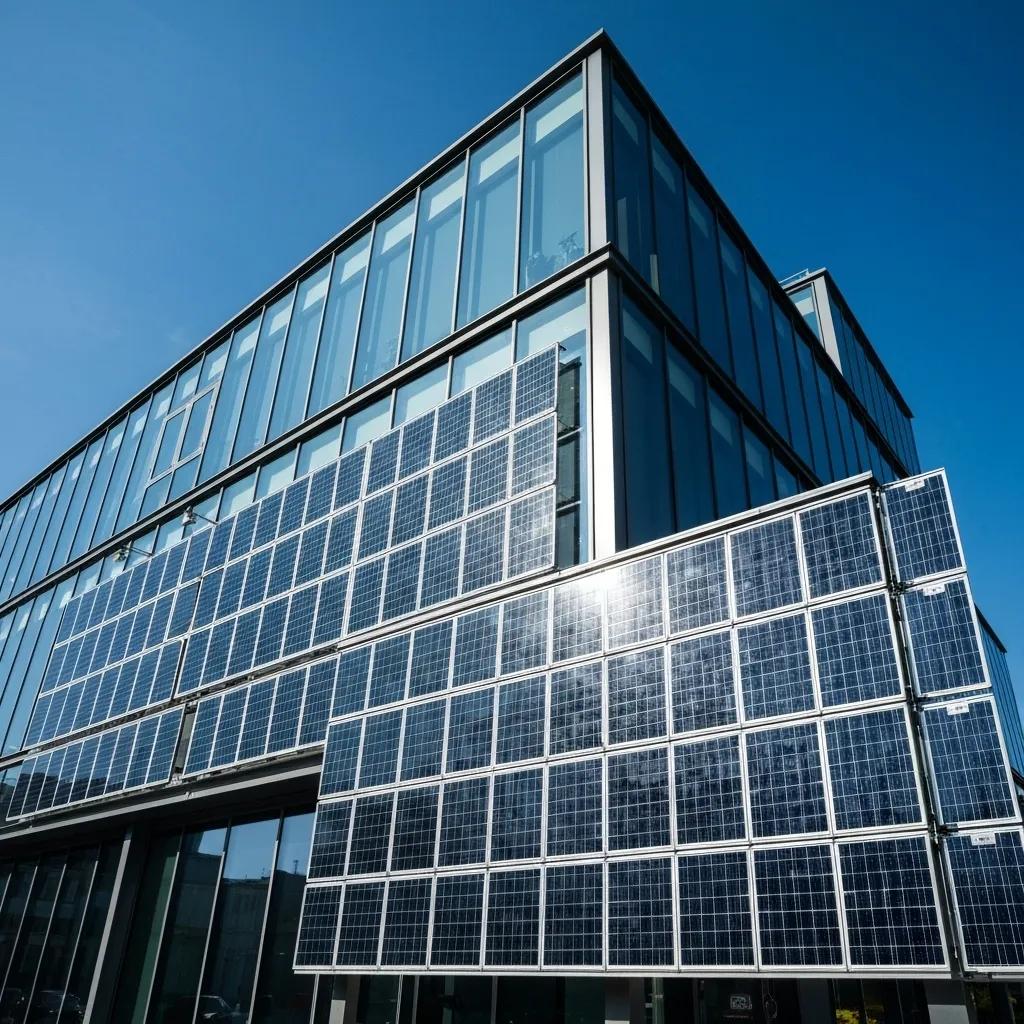
Transparent Solar Panels: How Solar Windows Turn Glass into Efficient Power Sources
Transparent solar panels transform ordinary glass into energy-generating surfaces by harnessing invisible light while maintaining clear visibility. As urban buildings and vehicles feature ever-larger expanses of glass, this innovation addresses the wasted potential in windows and facades by embedding photovoltaic functionality directly into glazing. In this article, you’ll discover:
- What transparent solar panels are and how they capture UV and infrared light without blocking the view
- Key applications across architecture, automotive and agriculture
- Efficiency benchmarks, cost comparisons and ROI projections
- Available technologies from crystalline silicon to perovskites and 2D materials
- Design benefits, environmental impacts and installation challenges
- Leading research institutions and companies driving breakthroughs
- Future market trends, policy drivers and smart-city integration
- Direct answers to common questions on transparency, durability and economics
Whether you’re an architect exploring Building-Integrated Photovoltaics (BIPV) or an engineer assessing renewable-energy strategies, this guide covers all dimensions of clear solar glazing.
What Are Transparent Solar Panels and How Do They Work?
Transparent solar panels, also called solar windows or photovoltaic glass, generate electricity by absorbing ultraviolet (UV) and infrared (IR) light, converting it into power while allowing visible light to pass through. This mechanism leverages selective semiconductors and luminescent materials embedded in or laminated on glass to capture non-visible wavelengths and direct energy to thin edge cells or integrated circuits. As a result, windows become dual-purpose elements that light interiors naturally and offset building energy demand.
What Is Photovoltaic Glass and Solar Window Technology?
Photovoltaic glass integrates microscopic photovoltaic cells or luminescent dyes into a transparent substrate. Organic or inorganic semiconductors absorb UV/IR photons and re-emit or channel them laterally toward electrical contacts. In practice, this glass replaces standard windows or is retrofitted in curtain walls, delivering power generation without altering architectural aesthetics.
How Do Transparent Solar Panels Capture Invisible Light?
Transparent solar panels rely on materials that are transparent in the visible spectrum yet active in UV and IR bands. These materials include organic dyes, metal–organic perovskites and quantum dots that absorb invisible photons. Once absorbed, excitons are separated into charge carriers and guided to electrodes. This spectrum-selective absorption maintains clarity and generates electricity from wavelengths otherwise wasted in clear glazing.
What Are the Main Technologies Behind Transparent Solar Panels?
The core transparent solar technologies include TLSC (Transparent Luminescent Solar Concentrator), OPV (Organic Photovoltaics) and thin-film perovskite cells. Each approach balances transparency, efficiency and durability:
How Does the Transparent Luminescent Solar Concentrator (TLSC) Function?
A TLSC embeds luminescent dyes within a clear polymer or glass sheet that absorb UV and IR light. Excited dye molecules re-emit photons at longer wavelengths, which are internally reflected toward photovoltaic cells at the panel’s edges. This yields electricity generation while preserving visible-light transparency in the main window area, enabling dual functionality without color distortion.
What Role Do Organic Photovoltaics and Perovskite Cells Play?
Organic photovoltaics use conjugated polymers and small molecules to form thin, flexible films that absorb specific spectra and transport charges. Perovskite cells leverage crystal structures (e.g., lead halide) to achieve high absorption coefficients and record efficiency gains. Both technologies aim to balance transparency, cost-effective manufacturing and lifespan improvements for integrated solar glazing.
What Are the Key Applications of Transparent Solar Panels?
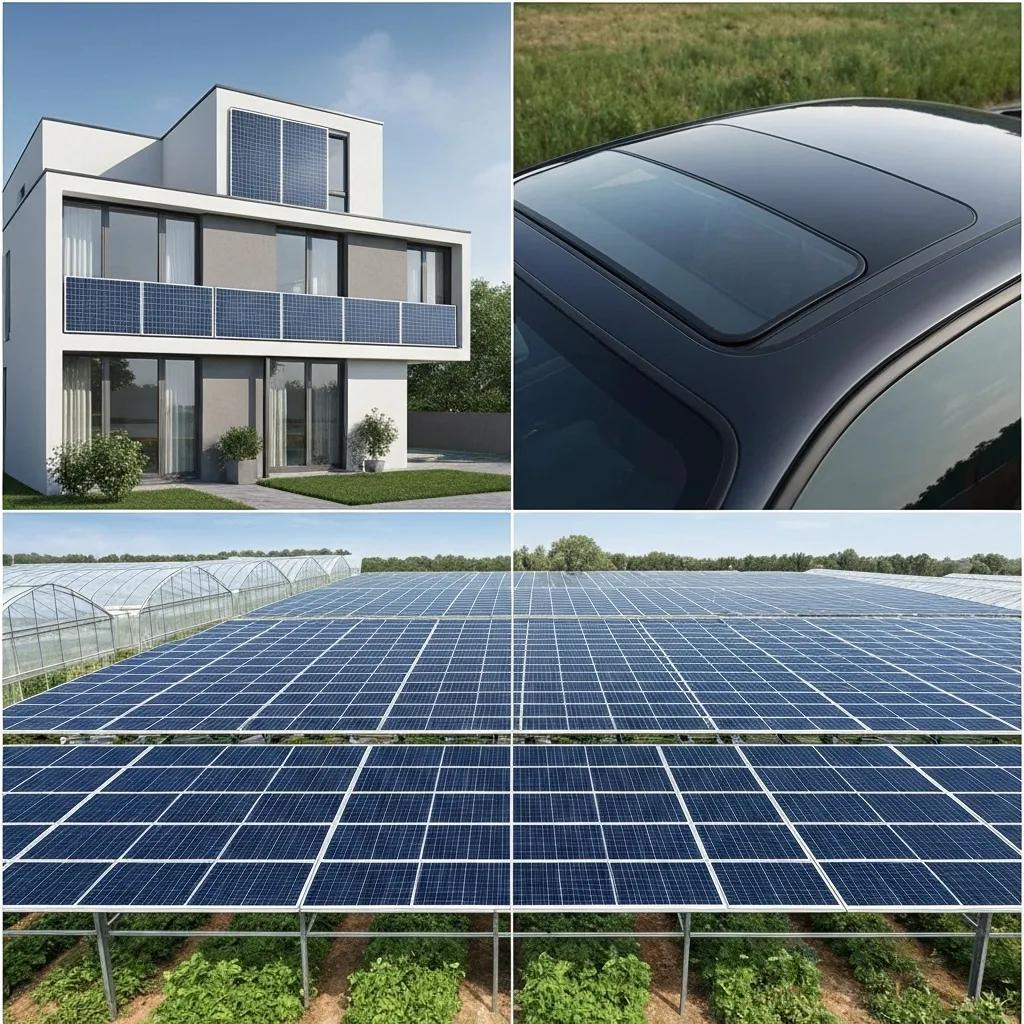
Transparent solar glazing is revolutionizing energy generation across industries by integrating power sources into everyday glass structures.
- Buildings and Facades: Windows, curtain walls and skylights become energy-producing elements in residential and commercial architecture.
- Automotive and Electronics: Sunroofs and side windows harvest solar power for HVAC systems and battery charging, while self-charging displays appear in smartphones and laptops.
- Agricultural Greenhouses: Solar greenhouses generate electricity for climate control without reducing plant-necessary photosynthetically active radiation.
- Smart-City Infrastructure: Bus shelters, noise barriers and urban streetlights incorporate clear photovoltaic panels for off-grid energy solutions.
These applications demonstrate how transparent solar panels support both aesthetic integration and distributed renewable generation.
How Are Transparent Solar Panels Integrated into Buildings?
Architects specify solar windows as part of Building-Integrated Photovoltaics (BIPV) systems, replacing or laminating over conventional glazing. Integration considerations include electrical routing in framing, thermal performance optimization and compliance with structural codes. Solar windows can supply up to 30% of a building’s annual electricity consumption when deployed on south-facing facades.
What Are the Uses of Solar Windows in Automotive and Consumer Electronics?
Automotive manufacturers embed transparent photovoltaics in sunroofs and side panels to power climate controls, infotainment and auxiliary systems, reducing alternator load. In consumer electronics, transparent film cells laminate onto screens to trickle-charge batteries, extending device runtime without bulky chargers.
How Do Transparent Solar Panels Benefit Agricultural Greenhouses?
By absorbing UV and IR wavelengths while transmitting photosynthetically active radiation (PAR), transparent solar panels generate electricity for fans, pumps and lighting without impacting crop yields. This dual-use surface maximizes land and energy efficiency in controlled-environment agriculture.
What Emerging Applications Are Driving Market Growth?
As urban infrastructure seeks decentralized energy, transparent photovoltaics appear in smart windows with adjustable tint and embedded displays, solar-powered facades in modular construction and integrated transit shelters. These innovations drive demand for clear solar glazing in green-tech initiatives.
How Efficient and Cost-Effective Are Transparent Solar Panels?
Transparent solar technologies currently achieve lower efficiencies than opaque panels but excel in dual-function deployment.
What Is the Current Efficiency of Transparent Solar Panels Compared to Traditional Panels?
A comparative benchmark shows how transparency impacts power conversion:
Research shows that TLSC-based transparent glazing can achieve 68–80% visible transparency with a power conversion efficiency of 1.62–1.96% (pubs.rsc.org). Despite lower per-unit efficiency, expansive glass areas compensate through widespread integration.
How Does Transparency Affect Power Generation?
Higher transparency reduces the fraction of photons absorbed, creating a trade-off between visible-light clarity and energy output. Optimal designs balance 50–70% transparency with 8–12% efficiency for commercial viability, while research targets 10% transparency-weighted conversion for future products.
What Are the Manufacturing and Installation Costs of Solar Windows?
Current solar windows cost between $80 and $400 per square meter, depending on technology and integration complexity. Bulk production and streamlined lamination methods are forecast to reduce costs by 30–50% over the next five years, approaching parity with conventional photovoltaic modules.
What Is the Return on Investment (ROI) for Different Applications?
ROI varies by location, energy prices and application type. In commercial buildings, solar windows can pay back in 5–8 years through reduced grid consumption and incentives. Agricultural installations yield 7–10-year returns, while automotive sunroofs deliver operational savings by offsetting alternator load.
How Are Costs Expected to Change with Mass Production?
Economies of scale, standardized manufacturing and improved material stability will drive down solar-window prices by 20–30% per doubling of production volume. Research into roll-to-roll printing and inkjet deposition promises further cost declines.
What Types of Transparent Solar Technologies Are Available?
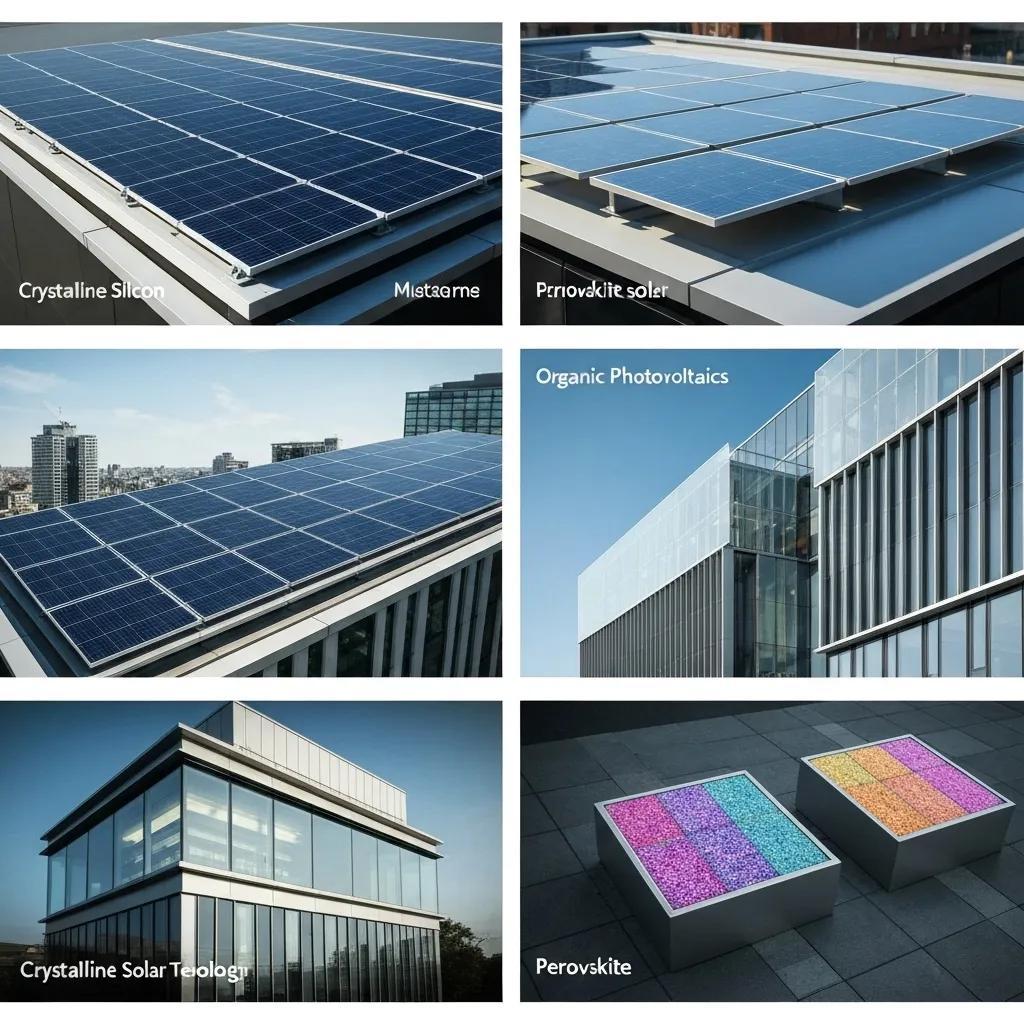
Transparent solar glazing encompasses various material platforms, each with distinct strengths.
What Are Crystalline and Thin-Film Transparent Solar Cells?
Crystalline silicon cells can be ultra-thin or patterned to allow light gaps, delivering 10–15% efficiency at moderate transparency. Thin-film cells (e.g., amorphous silicon, CdTe, CIGS) apply uniform layers that absorb selected wavelengths, achieving 5–10% efficiency with up to 60% visible transmission.
How Do Organic Photovoltaics (OPV) Differ from Perovskite Solar Cells?
OPV uses carbon-based polymers offering mechanical flexibility and low-temperature coating, though efficiency is typically 3–8%. Perovskite cells employ hybrid crystals that rival traditional panels at 15–20% efficiency but face stability and lead-toxicity challenges.
What Are 2D Materials and Their Role in Solar Transparency?
Two-dimensional semiconductors such as transition-metal dichalcogenides and graphene derivatives allow atomically thin light-absorbing layers with tunable bandgaps. These materials promise near-invisible photovoltaics with minimal impact on window clarity.
How Do These Technologies Impact Transparency and Durability?
Each platform balances clarity, lifespan and manufacturing complexity. Crystalline variants excel in longevity (25+ years) but cost more; OPV and perovskite deliver high transparency and low cost but require encapsulation to resist moisture and UV-induced degradation.
What Are the Benefits and Challenges of Using Transparent Solar Panels in Architecture?
Solar windows offer multiple sustainable design advantages while presenting unique integration hurdles.
How Do Solar Windows Enhance Building Aesthetics and Natural Lighting?
Transparent photovoltaics maintain unobstructed views and daylighting, supporting biophilic design and occupant well-being. By blending seamlessly into facades, solar windows reinforce modern architectural aesthetics without darkening interiors.
What Environmental Benefits Do Transparent Solar Panels Offer?
Solar glazing reduces carbon emissions by offsetting grid electricity and leveraging existing building surfaces. Lifecycle assessments indicate up to 40% lower embodied energy compared to separate PV installations and glazing products.
What Are the Thermal and Glare Control Advantages?
By absorbing IR wavelengths, transparent solar panels reduce solar heat gain, improving thermal comfort and lowering cooling loads. Integrated UV filters also minimize glare and fading in interior finishes.
What Limitations Affect Efficiency and Durability?
Current limitations include lower conversion efficiencies, potential long-term degradation of organic and perovskite components, and higher initial costs. Ongoing material research aims to extend lifespans beyond 10 years and improve UV stability.
How Do Installation and Building Code Considerations Impact Adoption?
Integration requires coordination with structural framing, electrical routing and fire-safety codes. In many jurisdictions, solar windows must pass safety glazing standards while meeting energy code requirements for U-values and solar heat gain coefficients.
Who Are the Leading Researchers and Companies Driving Transparent Solar Panel Innovation?
Academic groups and startups worldwide accelerate transparent photovoltaic breakthroughs.
What Are the Contributions of Michigan State University and Richard Lunt?
Michigan State University pioneered the Transparent Luminescent Solar Concentrator under Professor Richard Lunt, demonstrating scalable TLSC sheets with high visible transparency and edge-mounted PV cells that inspire commercial window prototypes.
How Is the University of Michigan Advancing Organic Photovoltaics?
Research led by Stephen Forrest at the University of Michigan achieved 8.1% efficiency in organic cells with 43% visible transmission, highlighting long-term stability improvements and roll-to-roll processing methods.
Which Companies Are Commercializing Transparent Solar Technologies?
Startups like Ubiquitous Energy, Polysolar and Heliatek offer glass products and retrofit films incorporating TLSC and OPV systems. These companies partner with architects and automakers to pilot solar windows in real-world installations.
What Are Notable Industry Projects and Collaborations?
Projects such as CitySolar in Europe and a Copenhagen school installation with 12,000 solar-window modules illustrate how policy incentives and multi-partner consortia accelerate adoption of transparent photovoltaic facades.
What Is the Future Outlook for Transparent Solar Panels and Solar Windows?
Transparent solar technology is poised for rapid market expansion, powered by materials advances, policy support and smart-city demand.
What Are the Latest Research Breakthroughs and Innovations?
Next-gen materials like perovskite-graphene hybrids and doped quantum dots target 15% transparency-weighted efficiency. Self-cleaning, electrochromic coatings and integrated sensors are under development to add functionality.
How Is the Building-Integrated Photovoltaics (BIPV) Market Expected to Grow?
Analysts forecast annual BIPV growth of 20% through 2030, with solar glazing capturing a 15% share of the $15 billion market by decade’s end as regulations favor net-zero building standards.
What Policy and Environmental Drivers Support Solar Window Expansion?
Decarbonization targets, green-building certifications and renewable energy incentives (e.g., tax credits, feed-in tariffs) encourage adoption. Urban sustainability initiatives prioritize on-site generation to reduce transmission losses and peak grid loads.
How Will Transparent Solar Panels Contribute to Smart Cities and Energy Independence?
By embedding power generation in infrastructure—bus stops, signage, facades—transparent photovoltaics enable distributed microgrids, real-time energy monitoring and building self-sufficiency, advancing resilience and carbon-neutral urban environments.
What Are Common Questions About Transparent Solar Panels?
How Do Transparent Solar Panels Generate Electricity Without Blocking Light?
Transparent solar panels selectively absorb non-visible UV and IR light, using specialized semiconductors or luminescent dyes to convert these wavelengths into electrical energy while allowing visible light to pass unimpeded.
Are Transparent Solar Panels Efficient Enough for Practical Use?
Modern transparent solar glazing reaches 5–12% efficiency, lower than opaque modules but sufficient when applied over large window areas. Expansive deployment across facades compensates for reduced per-unit performance.
What Are the Typical Costs and Lifespan of Solar Windows?
Installation costs range from $80 to $400 per square meter, with projected 20–30% cost reductions as manufacturing scales. Lifespans vary by technology—from 10 years for some organic films to 25+ years for crystalline variants with proper encapsulation.
What Are the Main Advantages and Disadvantages of Transparent Solar Technology?
Advantages include aesthetic integration, natural daylighting, thermal control and carbon reduction. Disadvantages center on lower efficiency, higher upfront cost and potential material degradation under UV exposure.
Who Invented Transparent Solar Panels and What Are Key Research Milestones?
Key origins trace to Michigan State University’s TLSC development by Richard Lunt (2014) and subsequent OPV advances at the University of Michigan under Stephen Forrest. Industry prototypes by Ubiquitous Energy and Heliatek followed in the late 2010s.
Transparent solar windows represent a transformative approach to renewable energy, leveraging glass surfaces for distributed power generation without sacrificing light or design. As materials mature and costs fall, solar glazing will play an integral role in net-zero buildings, smart cities and energy-efficient vehicles. Continuous research, supportive policies and large-scale demonstrations will drive adoption, unlocking the potential of every window to become a clean-energy asset.