Utah Hiking Trail Safety: How Authorities Warn Hikers of “Trail Bandits” and Prevent Crime on Popular Routes
Utah hikers increasingly face a growing personal safety concern as “trail bandits”—criminals specializing in robbery and theft—strike along busy routes and secluded trailheads. This guide equips outdoor enthusiasts with actionable prevention tactics, from securing vehicles and gear to mastering situational awareness, while outlining how state and federal agencies bolster patrols and issue safety alerts. You’ll discover what trail bandits are, where they operate, how to protect your valuables and person, ways to report suspicious activity, park-specific warnings, and emergency preparations for Utah’s diverse landscapes.
What Are “Trail Bandits” and How Do They Threaten Utah Hikers?
Trail bandits are individuals or groups who target hikers for theft, robbery, and vandalism along Utah’s trails because isolated trailheads and poorly monitored segments offer easy access to vehicles and unattended belongings. For example, hikers returning from a day in Zion may find broken windows and missing backpacks. Understanding this threat lays the foundation for targeted prevention strategies and sheds light on how these criminals exploit both terrain and opportunity.
Who Are Trail Bandits and What Crimes Do They Commit?
Trail bandits typically include opportunistic thieves, repeat offenders, and sometimes organized crews who focus on:
- Smash-and-grab car break-ins at remote trailheads.
- Direct confrontations to steal backpacks, wallets, or phones on the trail.
- Vandalism of gear and equipment to distract hikers before theft.
These criminals leverage gaps in surveillance to commit theft and occasional assaults, prompting hikers to adjust both property and personal security. Awareness of these crime types highlights the need for comprehensive prevention measures.
Trailhead Break-Ins & How To Prevent Them
Where and When Do Trail Bandits Operate on Utah Trails?
Trail bandits favor:
- Early morning and late afternoon when parking lots are busy but patrols are minimal.
- Popular access points like Angel’s Landing in Zion and the Jordan River Trail near Salt Lake City.
- Off-peak weekdays when fewer hikers are present.
Peak outdoor seasons—from late spring through fall—see the highest incidence of break-ins, indicating that timing and location both influence risk levels and guide patrol deployment strategies.
How Do Trail Bandits Target Hikers and Their Property?
Bandits use three main tactics:
- Observational scouting to note vehicles with visible valuables.
- Distraction methods—such as feigned emergencies—to lure hikers away from gear.
- Rapid strike techniques, breaking windows or cutting locks in seconds.
Recognizing these methods empowers hikers to pre-emptively obscure valuables and minimize opportunities for criminals to act, feeding directly into vehicle security and gear management practices.
How Can Hikers Prevent Trailhead Car Break-Ins and Protect Their Valuables in Utah?
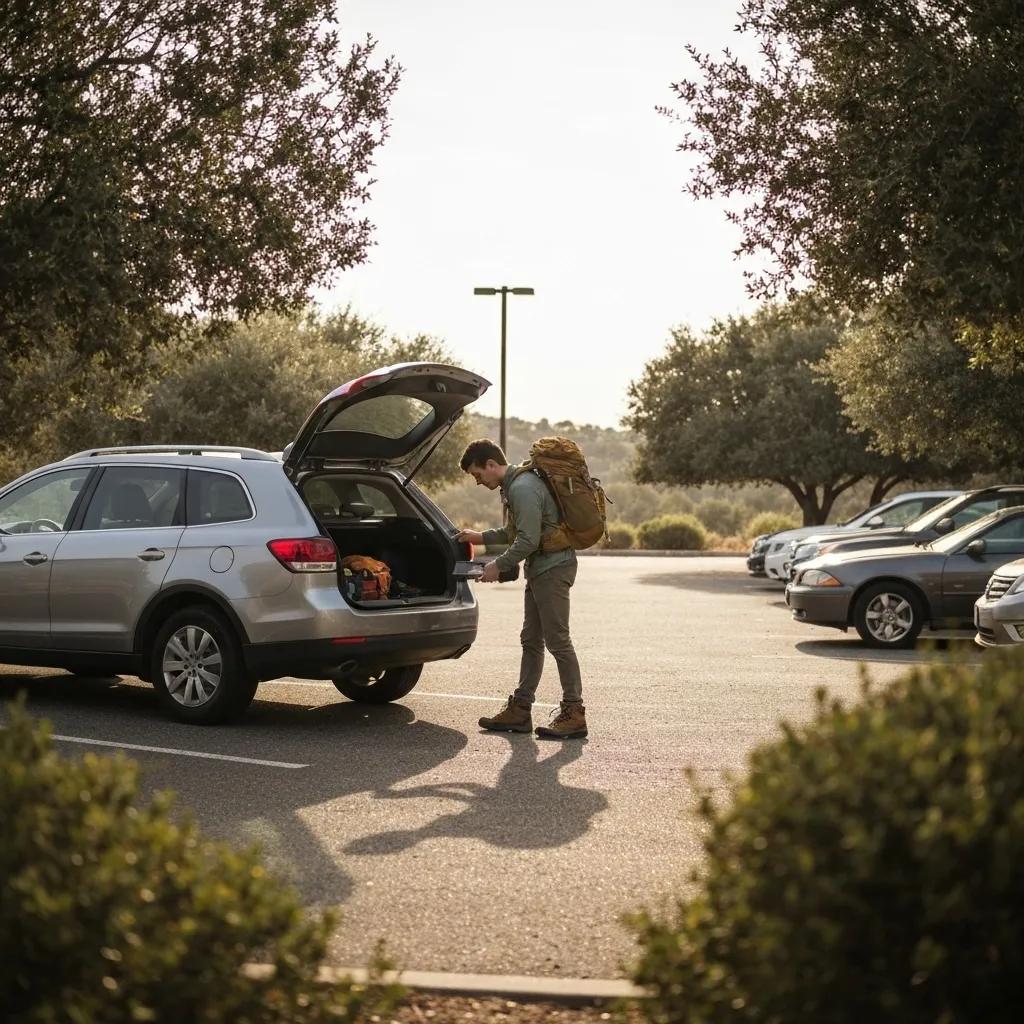
Preventing trailhead theft combines simple habits and gear choices that deter criminals by reducing visible incentives. Consistently applying these practices makes cars less attractive targets and builds a safer recreation experience.
What Are the Best Vehicle Security Practices at Utah Trailheads?
Effective vehicle security depends on layered deterrents:
- Remove all valuables or conceal them in a locked trunk or glove compartment.
- Activate car alarms and parking lot surveillance apps when available.
- Park in well-lit, high-traffic areas closest to trailhead entrances.
Adopting these measures not only prevents theft but also signals to potential bandits that your vehicle lacks easy targets, setting the stage for secure gear management on the trail.
How Should Hikers Manage Gear and Valuables on the Trail?
Keeping gear safe begins before you leave your car:
- Carry only essentials—ID, minimal cash, and a cell phone—in a hidden, zippered pocket.
- Use lockable backpack compartments or small cable locks to secure packs to fixed objects during breaks.
- Store maps, snacks, and extra clothing in less conspicuous pouches.
Streamlining carried items reduces weight and lowers the chance of item loss or theft, while secure compartments maintain accessibility without sacrificing safety.
Which Parking Strategies Reduce Risk of Theft on Utah Trails?
Strategic parking choices include:
- Choosing sites near ranger stations or volunteer patrol routes.
- Rotating parking position occasionally to avoid predictability.
- Sharing parking coordinates with a hiking partner for periodic checks.
These strategies create unpredictability for criminals and enhance the effectiveness of law enforcement patrols, leading directly into broader personal safety tactics on the trail.
What Personal Safety Tips Should Utah Hikers Follow to Avoid Robbery and Assault?
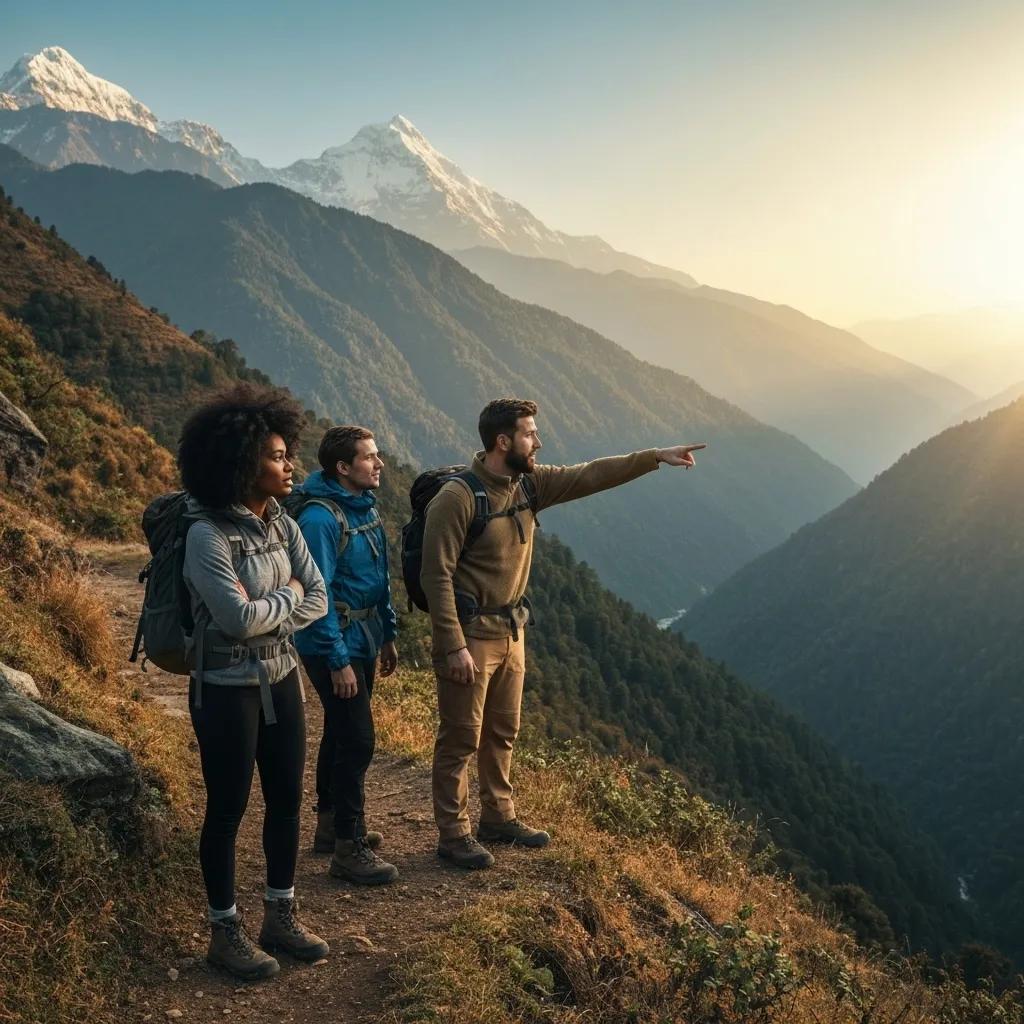
Personal safety hinges on proactive mental habits, group dynamics, and clear response plans that enable hikers to anticipate and defuse potential threats before they escalate.
How Does Situational Awareness Help Prevent Trail Crime?
Maintaining situational awareness means continuously scanning surroundings for unusual behavior, listening for sudden sounds, and noting exit routes. This mental practice enables early detection of threats and rapid avoidance, which dovetails into decisions about hiking companions and communication.
Should You Hike Alone or in Groups for Better Safety?
Hiking in groups of three or more enhances safety by:
- Increasing the chance that someone remains alert while others rest.
- Presenting a larger, less vulnerable target to deter bandits.
- Providing built-in communication for emergencies.
Group hikes naturally improve response options and foster better situational checks, leading into defined tactics for confronting threats if they arise.
What Are Effective Responses if Confronted by Trail Bandits?
When face-to-face with a bandit, prioritize de-escalation:
- Speak calmly, comply with demands to avoid physical harm.
- Use loud, firm verbal commands—“Stay back!”—to attract attention.
- Deploy a whistle or personal alarm to signal for help.
Having a planned response reinforces confidence and reduces panic, setting the groundwork for swift reporting and law enforcement involvement afterward.
How Are Utah Authorities Combating Trail Crime and Protecting Hikers?
State and federal agencies coordinate patrols, issue warnings, and track crime patterns to deter trail bandits and enhance public safety across Utah’s wilderness areas.
What Patrols and Safety Initiatives Are in Place by Utah Law Enforcement?
Utah’s authorities employ:
- National Park Service rangers on high-traffic routes like Zion and Arches.
- Utah Department of Public Safety troopers conducting random trailhead sweeps.
- Local sheriffs and city police increasing foot and bicycle patrols along urban trails such as the Jordan River.
Crime in the Parks
How Can Hikers Report Suspicious Activity and Trail Crimes?
In emergencies dial 911; for non-urgent reports use:
- The National Park Service tip line for park-specific incidents.
- Utah Highway Patrol’s non-emergency number for state routes leading to trailheads.
- Local police online portals to file vehicle break-in or suspicious person reports.
Timely reporting triggers investigations and allows agencies to allocate resources where they are most needed, bridging enforcement efforts with community vigilance.
What Recent Crime Trends and Statistics Do Utah Authorities Share?
Recent data reveal:
This rise in theft and vandalism underscores the importance of prevention measures and justifies enhanced patrol schedules during busy months.
What Unique Safety Warnings and Tips Apply to Utah’s National Parks?
Each national park combines natural hazards with crime risks, requiring tailored guidance to maintain safe outdoor experiences.
What Are the Crime and Natural Hazards in Zion National Park?
Combining crime prevention with natural hazard awareness creates a holistic safety approach for park visitors.
How Should Hikers Prepare for Safety in Bryce Canyon and Arches National Parks?
Hikers should:
- Check weather-driven trail closures and avalanche notices.
- Use daytime parking zones near staffed visitor centers.
- Carry extra water due to high elevation dehydration risk.
Hiking Safety Tips for Utah’s National Parks
Integrating environmental precautions with theft deterrents ensures comprehensive readiness for each park’s unique challenges.
Where Can Hikers Find Official Safety Alerts and Updates for Utah Parks?
Real-time alerts and conditions are posted on:
- Each park’s National Park Service “Current Conditions” page.
- Utah Division of Outdoor Recreation’s official news feed.
- Local visitor centers offering printed bulletins and ranger briefings.
Accessing these resources prior to departure links emergency preparedness with authority-issued warnings, smoothing the path to a safer outing.
How Can Hikers Prepare for Emergencies and Stay Safe Outdoors in Utah?
Effective emergency planning requires carrying the right gear, maintaining communication channels, and understanding basic wilderness first aid.
What Essential Gear Should Hikers Carry for Safety and Communication?
A concise emergency kit includes:
Equipping yourself with these tools establishes a reliable safety net for sudden incidents on the trail.
How Do You Share Your Itinerary and Stay Connected on Utah Trails?
Best practices involve:
- Filing a trip plan online with park or county dispatch.
- Checking in via phone or satellite messenger at preset intervals.
- Using group communication apps with location-sharing enabled.
These routines ensure that, even if you encounter trouble, rescuers know where to direct assistance, building on gear-based preparedness.
What Basic First Aid and Wilderness Medicine Should Hikers Know?
Familiarize yourself with:
- Treating open wounds and stops for bleeding.
- Recognizing and managing heat exhaustion or hypothermia.
- Immobilizing suspected fractures with splints.
Possessing these skills complements carried gear and supports rapid response until professional help arrives, closing the loop on complete emergency readiness.
What Are Common Questions About Trail Bandits and Hiking Safety in Utah?
Below are concise, snippet-optimized answers addressing the most frequent concerns of Utah hikers.
What Exactly Are Trail Bandits in Utah?
Trail bandits are criminals who specifically target hikers’ vehicles and personal belongings at trailheads or along backcountry paths for quick thefts or robberies.
How Can I Protect My Car from Trailhead Break-Ins in Utah?
Empty your car of visible valuables, conceal items in locked compartments, park in well-lit areas near ranger stations, and activate any in-vehicle security alarms.
Are Utah National Parks Safe from Crime?
Yes, while opportunistic thefts occur, robust ranger patrols, visitor-center oversight, and park-issued safety alerts help maintain a generally safe environment for outdoor recreation.
What Should I Do If I Encounter a Suspicious Person on a Utah Trail?
Remain calm, keep distance, use a loud whistle or alarm to draw attention, comply with any demands to avoid escalation, and report details immediately to authorities once you reach safety.
Staying vigilant and adopting proven safety measures reduces the risk of theft or assault. Utah’s agencies, from park rangers to local sheriffs, stand ready to support hikers through patrols and reporting channels. By combining personal vigilance, secure parking, and emergency planning, outdoor enthusiasts can enjoy Utah’s trails with confidence. Share safety insights and report suspicious incidents to maintain a safer recreation environment.