Essential Wellness and Self-Care Guide: Practical Tips for Mental and Physical Well-Being
Wellness and self-care are deliberate practices that maintain and improve physical, mental, social, and spiritual health; they work by aligning daily habits, community supports, and recovery routines to reduce stress and strengthen resilience. This guide explains what wellness and self-care mean in practical terms, why they matter for busy households and young people in Pakistan, and how small routines — from sleep optimization to mindfulness and nutrition — deliver measurable benefits. Many readers struggle with chronic stress, disrupted sleep, and fragmented routines; this article provides evidence-informed strategies, simple practices, and culturally relevant examples to help readers restore balance. You will find step-by-step mindfulness exercises, stress-relief techniques, nutrition and fitness recommendations tailored to family life, and an overview of how AI tools and local initiatives are shaping personalized wellness coverage. Each section includes concise lists and tables for quick reference, plus actionable daily routines and planning checklists to make adoption straightforward. Read on to learn how to build sustained habits that improve mood, energy, cognitive focus, and long-term health through holistic self-care.
What Are the Key Types of Self-Care for Overall Wellness?
Self-care can be grouped into five complementary types—physical, emotional, social, spiritual, and mental—each addressing different needs and producing distinct wellness outcomes through specific behaviors. Physical self-care targets sleep, nutrition, and movement to support recovery and metabolic health; emotional care focuses on regulation strategies like journaling and boundary-setting to reduce reactivity; social care strengthens belonging through relationships and community participation; spiritual care sustains meaning through rituals and values; and mental care includes cognitive strategies such as goal-setting and attention training that support focus. Framing self-care across these types helps prioritize daily choices and ensures balanced routines rather than one-off fixes. The following list summarizes these types with short benefits to help readers identify starting points.
Self-care types and short benefits:
- Physical Self-Care: Improves energy, immunity, and sleep by prioritizing movement, nutrition, and rest.
- Emotional Self-Care: Reduces mood volatility through reflection, therapy, and healthy boundaries.
- Social Self-Care: Builds resilience via supportive relationships and community engagement.
- Spiritual Self-Care: Enhances purpose and coping through rituals, values, or quiet reflection.
- Mental Self-Care: Strengthens focus and planning through mindfulness, cognitive tasks, and learning.
These types work together; beginning with physical and emotional basics often makes social or spiritual practices easier to sustain, and that linkage leads naturally into practical examples of what physical self-care looks like.
What Is Physical Self-Care and How Does It Improve Health?
Physical self-care consists of regular movement, sufficient restorative sleep, and nutrient-rich eating patterns that together support immune function, metabolic regulation, and recovery. Regular moderate exercise improves mood and reduces anxiety through endorphin release and metabolic benefits, while consistent sleep supports cognition and hormonal balance that underpin daily functioning.
Small, measurable starter actions include adding 20–30 minutes of brisk walking most days, adopting a sleep routine with consistent bedtime cues, and choosing whole-grain, protein-rich meals at key eating times. Tracking simple metrics such as sleep duration or daily steps helps measure progress and keeps motivation steady. Establishing these habits creates a foundation that makes emotional and mental self-care strategies more effective.
How Does Emotional Self-Care Support Mental Well-Being?
Emotional self-care involves practices that help identify, process, and regulate feelings so that reactions become intentional rather than reactive, promoting long-term mental stability. Techniques like journaling, regular emotional check-ins, setting personal boundaries, and seeking professional support when needed decrease rumination and improve coping capacity for daily stressors. Practical exercises include a five-minute morning mood log, brief evening reflection on wins and stressors, and weekly conversations with trusted friends or family. These practices reduce emotional load and create space for focused attention and restful sleep. As emotional regulation improves, people often find it easier to commit to mindfulness routines and consistent physical self-care.
What Are Social and Spiritual Self-Care Practices?
Social self-care strengthens wellbeing through meaningful connections, shared activities, and reciprocal support, while spiritual self-care provides meaning through rituals, reflection, or communal practices aligned with personal values. Social practices can be as simple as scheduled family meals, joining a local interest group, or volunteering with community organizations; these interactions buffer stress and increase a sense of belonging. Spiritual practices might include brief daily reflection, participation in faith-based community events, or nature walks that cultivate awe and perspective. Adapting these routines to local culture—such as shared tea times or collective evening walks—makes them sustainable and relevant for Pakistani households. Combining social and spiritual practices often magnifies resilience and encourages consistent self-care across other domains.
Why Is Daily Self-Care Important for Stress Relief?
Daily self-care produces cumulative effects: short micro-habits compound over weeks to lower baseline stress and improve physiological resilience through better sleep, controlled breathing, and regular movement. Simple daily routines — a short morning stretch, a midday five-minute breathing practice, and an evening wind-down with limited screens — interrupt stress cycles and restore balance. A practical five-step daily checklist includes hydration, a brief movement break, a 3–5 minute mindfulness pause, a nourishing meal, and a consistent pre-sleep routine. Tracking mood and sleep across a few weeks reveals tangible shifts and reinforces adherence. By making small acts habitual, daily self-care transforms reactive coping into preventive maintenance.
How Can Mindfulness Exercises Enhance Mental Well-Being?
Mindfulness trains attention and reduces habitual reactivity by cultivating present-moment awareness; this mechanism strengthens attention regulation, lowers rumination, and improves emotional balance. Regular mindfulness practice increases cortical control over stress responses and supports better decision-making under pressure, yielding clearer focus and reduced perceived stress. For beginners, short practices that fit into daily life create early wins and establish habit momentum. Below are simple techniques and timing suggestions to help readers integrate mindfulness without major schedule changes, followed by step-by-step guidance for a few accessible exercises.
What Are Simple Mindfulness Techniques for Beginners?
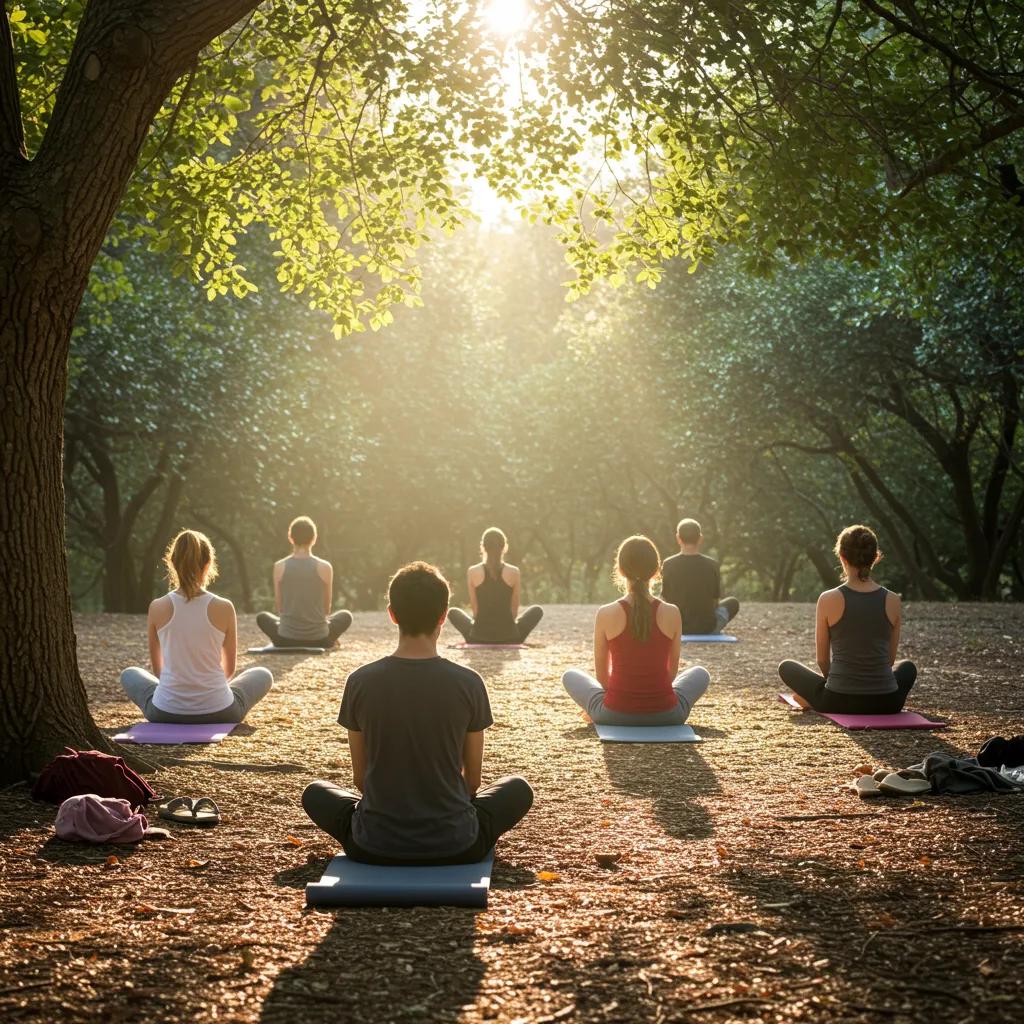
Beginner-friendly mindfulness techniques are short, practical, and require no special equipment, making them suitable for students, employees, and parents who need quick tools during the day. Techniques include a 3-minute breathing space, a 5-senses grounding exercise, and a brief body scan that takes 5–10 minutes; each practice emphasizes noticing sensations without judgment and returning attention gently when it wanders. For example, the 5-senses grounding involves naming one thing you can see, hear, feel, smell, and taste to re-anchor attention in stressful moments. Time recommendations range from 1–10 minutes depending on need, and consistent short sessions are often more effective than occasional long sessions. These micro-practices are easy to add between meetings, during commutes, or before sleep and help create attention habits that reduce reactivity.
- The 3-minute breathing space provides quick emotional reset and can be done anywhere.
- The 5-senses grounding exercise reduces overwhelm by shifting focus to immediate sensory data.
- A short body scan promotes relaxation and prepares the body for sleep.
Practicing these techniques regularly builds a foundation for longer meditations and supports cognitive resilience that improves study or work performance.
Online Mindfulness Intervention for Stress Reduction in Pakistani Students
This study evaluates the acceptability and effectiveness of an online mindfulness-based intervention adapted for stress reduction and psychological well-being among university students in Pakistan. A two-arm pilot randomized controlled trial (RCT) design was used to assess a culturally adapted online Mindfulness Training Course (MTC).
… and acceptability of an online mindfulness-based intervention for stress reduction and psychological wellbeing of university students in Pakistan: A pilot randomized …, S Siddiqui, 2023
How Does Mindfulness Reduce Stress and Improve Focus?
Mindfulness reduces stress by enhancing attention regulation and decreasing repetitive negative thinking, which lowers physiological arousal and stabilizes mood. Training attention through focused-breath practices and noticing thoughts without engagement diminishes rumination and improves sustained concentration on tasks. Recent research and contemporary practice trends indicate that short daily mindfulness sessions correlate with lower perceived stress and measurable improvements in working memory and attention span. Implementing brief pre-task mindfulness routines — even 3–5 minutes before study or work sessions — can increase productivity and decrease distraction. These improvements in focus and emotional regulation make mindfulness a practical complement to physical self-care and healthy sleep routines.
What Role Does Meditation Play in Emotional Resilience?
Meditation cultivates emotional resilience by repeatedly exposing attention and emotion systems to controlled practice, which strengthens regulatory pathways in the brain and builds tolerance to discomfort. Different meditation styles—focused attention, open monitoring, and loving-kindness—offer varied benefits: focused attention sharpens concentration, open monitoring enhances awareness of mental patterns, and loving-kindness increases compassion and decreases social isolation. Recommended cadence for resilience-building is consistent short daily practice (10–20 minutes) supplemented by informal mindfulness throughout the day; cumulative practice over weeks supports lasting changes. Integrating meditation into a broader self-care routine that includes sleep hygiene and social support multiplies its benefits for long-term wellbeing.
How Can Pakistani Youth Practice Mindfulness in Daily Life?
Pakistani youth can adopt culturally resonant, low-tech mindfulness practices that fit into school, college, and family routines to cope with academic pressure and social expectations. Micro-practices such as mindful commuting (focusing on breath during a bus ride), brief group breathing exercises before exams, or mindful preparation for prayer can be integrated seamlessly into daily life without stigma. Digital-friendly formats—short guided audios or socially shared micro-challenges—align with social media habits and can increase peer support for consistent practice. Encouraging small group practice sessions in schools or colleges fosters accountability and normalizes mental health routines, creating a supportive environment for deeper mindfulness practice.
What Are Effective Stress Relief Techniques for Lasting Wellness?
Effective stress relief combines fast-acting techniques for immediate relief with longer-term lifestyle adjustments that reshape baseline stress physiology; together they reduce reactivity and build recovery capacity. Fast techniques like paced breathing and progressive muscle relaxation deliver immediate physiological benefits by lowering heart rate and increasing vagal tone, while longer-term approaches—sleep optimization, consistent movement, nutrition adjustments, and social support—sustain reduced stress levels. A balanced weekly plan that alternates active recovery days, mindful movement, and deliberate digital rest helps consolidate gains. Below are practical methods and a weekly starter plan to help readers move from reactive coping to proactive stress management.
How Do Breathing Exercises Help Manage Stress?
Breathing exercises regulate the autonomic nervous system by engaging the parasympathetic response and improving heart rate variability, which supports calm states and clearer thinking. Techniques such as box breathing (inhale-hold-exhale-hold) and diaphragmatic breathing slow respiration and reduce sympathetic activation, delivering rapid reductions in perceived stress within minutes. Practical step-by-step instructions include a 4-4-4-4 box breath or a 6–8 breaths per minute diaphragmatic pattern, practiced for 3–10 minutes when stressed or as a daily habit. Suggested practice durations are short and frequent: two 5-minute sessions daily yield better adherence than one long session. Incorporating breathing practices as transitions between work and rest periods creates consistent physiological resets.
What Are Holistic Approaches to Stress Reduction?
Holistic stress reduction integrates sleep hygiene, balanced nutrition, regular movement, social connection, and mindfulness into a cohesive plan that addresses multiple stress drivers simultaneously. A sample weekly plan might include three moderate exercise sessions, two dedicated digital-detox evenings, daily 10-minute mindfulness practice, prioritized sleep routines, and at least one social activity that nurtures belonging. Safety and progression tips recommend starting with low-intensity movement and gradually increasing duration, tracking sleep patterns, and seeking professional help if symptoms persist. This multimodal approach reduces the need for emergency coping strategies and supports a stable baseline of wellbeing, making focused performance and rest more attainable.
- Start with consistent bedtimes and gentle evening routines.
- Include whole-food meals with protein and fiber to stabilize mood.
- Schedule social connection and low-intensity movement across the week.
How Can Digital Detox Improve Emotional and Mental Health?
A digital detox reduces cognitive overload and social comparison by establishing intentional boundaries around screen use, which in turn improves sleep quality, mood, and attention span. Practical plans include a 24-hour mini-detox (no social media for one day), a nightly screen curfew one hour before bed, and app-based limits on notification types; these interventions lower bedtime arousal and create space for restorative activities. A one-week detox plan might progressively reduce social feed time by 20–30% daily, replace that time with movement or reading, and keep a short gratitude journal to reinforce alternative reward systems. Digital hygiene tips—such as disabling nonessential notifications and creating device-free zones—help maintain gains after the detox period and support sustained emotional wellbeing.
What Are Cozymaxxing and Other Relaxation Practices?
Cozymaxxing refers to intentionally designing a comforting, low-stress environment to maximize relaxation and sensory safety, and it includes affordable rituals and home setups that enhance rest. Examples include soft lighting, warm textiles, a short tea ritual, calming playlists, and dedicated relaxation corners that cue the brain toward rest and reduce cognitive load. Low-cost adaptations for local homes might use locally available textiles, simple aromatics like cardamom or jasmine, and quiet evening routines that incorporate family time. Complementary practices—progressive muscle relaxation, guided imagery, and restorative stretching—amplify the calming effects of a cozy environment. Creating a regular “cozy” ritual before sleep anchors relaxation habits and improves sleep onset over time.
How Does Holistic Wellness Support a Balanced and Healthy Life?
Holistic wellness frames health as the interaction of multiple life domains—physical, mental, social, environmental, and occupational—and emphasizes coordinated actions that produce compounding benefits across these areas. Integrating community support, sustainable daily choices, and balanced time allocation reduces friction between roles and helps sustain healthy habits amid competing demands. Practical steps include building local social supports, adopting sustainable transport or food choices that double as moderate activity, and scheduling micro-rests during the workday. Below are core roles community and sustainability play in strengthening individual wellness and a checklist for achieving better balance.
What Is the Role of Community Support in Holistic Wellness?
Community support provides practical resources, emotional buffering, and shared routines that meaningfully improve health outcomes by reducing isolation and enabling shared coping strategies. Examples include neighborhood walking groups, school-based peer support, and community health workshops that increase access to information and normalize care-seeking behavior. Practical ways to strengthen ties involve setting regular small-group meetings, participating in local volunteer opportunities, and using existing cultural gatherings to share wellbeing practices. These networks also serve as early-warning systems for stress and illness, making preventive care more reachable and reinforcing individual self-care efforts. Stronger community ties therefore make personal self-care more resilient and easier to maintain.
How Can Sustainable Practices Enhance Personal Wellness?
Sustainable practices like choosing seasonal produce, walking for short errands, and growing small kitchen herbs support both planetary health and individual wellbeing by increasing physical activity, reducing processed food intake, and fostering a sense of stewardship. Small, actionable habits—preparing one plant-forward meal per day, using active transport for short trips, and adding greens to meals—deliver nutritional and environmental co-benefits. These practices also cultivate daily agency: choosing sustainable options becomes part of identity and increases overall life satisfaction. Adopting sustainable habits thus indirectly supports mental health and aligns personal choices with broader community wellbeing efforts.
What Are Practical Tips for Achieving Work-Life Balance?
Achieving work-life balance requires deliberate boundary setting, structured scheduling, and permission for micro-rests that refresh cognition and energy across the day. Practical strategies include time-blocking for focused work, scheduling non-negotiable personal activities (exercise, family meals), and using short 5–10 minute breaks every 60–90 minutes to reset attention. For students, freelancers, and employees, a weekly template with prioritized tasks and built-in recovery time reduces chronic overwork and improves productivity. Consistently practicing these scheduling rules creates predictability that protects personal time and supports long-term wellbeing.
What Are Essential Nutrition and Fitness Tips for Physical Health?

Nutrition and fitness form the backbone of physical self-care, supporting energy, longevity, and recovery through predictable daily habits and culturally relevant choices. Nutritional basics emphasize whole foods, adequate protein across meals, fiber-rich vegetables and whole grains, and mindful portioning to support metabolic health. Fitness recommendations prioritize regular aerobic movement, strength-building exercises twice weekly, and flexibility work to reduce injury risk. Sleep optimization complements these practices by enabling recovery, hormone regulation, and cognitive restoration. Below is a comparison table that outlines age-appropriate nutrition and exercise recommendations and practical culturally relevant tips for Pakistani families.
Introductory table explaining nutrition and fitness recommendations:
How Does Nutrition Support Longevity and Healthy Aging?
Nutrition supports longevity by providing macronutrients and micronutrients that preserve muscle mass, support metabolic health, and reduce inflammation that accelerates aging. Diet patterns that emphasize lean proteins, healthy fats, legumes, fruits, and vegetables help maintain mobility and cognitive function with age. Simple meal swaps—replacing refined grains with whole grains, adding legumes or fish as protein sources, and including seasonal vegetables—improve nutrient density without large cost increases. These dietary changes support physical activity and sleep quality, creating a virtuous cycle that supports healthy aging. Practical family-focused meal suggestions make these patterns easier to adopt across generations.
What Are Fitness Recommendations for All Age Groups?
Fitness recommendations vary by age but share core principles: regular aerobic activity, progressive resistance to maintain muscle, and mobility work to preserve function. For youth, daily vigorous activity and structured sports build endurance and coordination; working-age adults benefit from 150 minutes of moderate activity and twice-weekly resistance work; older adults should prioritize balance and low-impact strength training to prevent falls. Safety tips include gradual progression, attention to joint-friendly movements, and adapting intensity for chronic conditions. At-home routines using bodyweight and simple resistance bands make adherence easier and keep costs low.
How Can Sleep Optimization Improve Wellness?
Optimizing sleep strengthens recovery, cognition, mood regulation, and immune resilience by aligning circadian rhythms and reducing fragmented rest. Practical sleep hygiene includes consistent sleep and wake times, a winding-down routine that avoids screens an hour before bed, and a comfortable sleep environment that supports temperature and light control. Tracking sleep duration and subjective sleep quality helps identify patterns and guide small changes, such as shifting caffeine timing or adding a brief pre-sleep relaxation practice. For persistent sleep problems, primary care or sleep specialists can evaluate underlying causes. Better sleep enhances the benefits of nutrition and exercise, completing the core triad of physical self-care.
What Are Culturally Relevant Nutrition Tips for Pakistani Families?
Culturally relevant nutrition includes adapting traditional dishes to be more nutrient-dense while preserving familiar flavors and meal rhythms that support family meals and acceptance. Tactics include adding lentils or legumes to stews for extra protein, using whole-grain rotis, incorporating seasonal vegetables into curries, and prioritizing portion balance during celebratory meals. Budget-friendly nutrient sources—chickpeas, lentils, eggs, and seasonal produce—deliver high value per cost and fit well into shared family preparations. Encouraging family cooking sessions and involving children in simple meal tasks increases acceptance and fosters intergenerational healthy habits. These practical swaps preserve cultural continuity while improving dietary quality.
How Is AI Transforming Personalized Wellness and Self-Care?
AI is enabling personalized wellness by analyzing diverse data streams—sleep, activity, heart-rate variability, and self-reported mood—to tailor recommendations and predict patterns that guide behavior change. The mechanism involves combining wearable sensors, mobile app inputs, and algorithmic personalization to create adaptive plans that adjust to user responses, increasing relevance and adherence. AI applications range from automated sleep coaches to adaptive exercise plans and mental health check-ins that flag risk and suggest interventions. Below is an EAV-style comparison of AI tool categories, their functions, and user benefits to clarify options for readers considering digital wellness tools.
Introductory EAV table of AI tools:
This table helps readers evaluate how different AI solutions fit personal goals and what benefits to expect from each category.
What Are AI-Powered Tools for Customized Wellness Plans?
AI-powered tools include wearable devices that collect continuous metrics, apps that generate adaptive plans, and integrated platforms that combine sensor data with user-reported symptoms to recommend tailored actions. Typical features are personalized activity targets, sleep coaching, and mood tracking with adaptive suggestions based on progress or setbacks. Practical adoption tips include choosing tools that prioritize transparent data handling, starting with a single integrated app and wearable to avoid fragmentation, and using aggregated trends rather than isolated daily readings to guide changes. These tools augment self-care by making insights actionable and timely, but they work best when combined with basic habits like sleep routines and social support.
How Does AI Help Monitor Mental and Physical Health?
AI interprets multiple data sources—sleep patterns, heart-rate variability, step counts, and short mood surveys—to detect deviations from baseline and suggest adjustments that prevent deterioration or optimize recovery. For mental health, passive indicators such as sleep disruption and activity decline can trigger prompts for check-ins or breathing exercises; for physical health, deviations in daily activity or sleep may prompt modified training loads or recovery days. Benefits include early detection, personalized pacing, and automated reminders that increase adherence to self-care plans. However, limitations include variable sensor accuracy, algorithmic bias, and privacy concerns that users must weigh; choosing solutions with clear consent practices mitigates many risks.
What Are Future Trends in AI and Wellness Integration?
Near-future trends include increased personalization through predictive analytics, tighter integration with healthcare systems for hybrid care models, and greater focus on affordability and accessibility to democratize benefits. Predictive models will anticipate relapse or injury risk and suggest preventative steps, while interoperability with clinics will allow clinicians to receive meaningful summaries rather than raw data streams. Accessibility trends aim to reduce cost barriers through low-cost wearables and community-based programs that use AI insights to guide group interventions. For Pakistani users, these trends could mean more locally relevant AI recommendations and expanded reporting on how tools perform in different cultural contexts.
Why Is Women’s Health a Vital Part of Wellness and Self-Care?
Women’s health spans unique physiological and social transitions—adolescence, reproductive years, and menopause—that require targeted self-care strategies and accessible services to maintain wellbeing across life stages. Addressing women’s needs includes screening and preventive care, tailored nutrition and pelvic health strategies, mental health support for life transitions, and community programs that remove access barriers. Practical self-care plans for women balance reproductive health monitoring, nutrition to support hormonal changes, and emotional supports to manage role burden. Local initiatives and reporting that track services and campaigns play a role in improving access and awareness, which encourages meaningful uptake of self-care practices.
What Are Common Women’s Health Challenges Across Life Stages?
Women face stage-specific health concerns such as menstrual health and mental health in adolescence, reproductive health and family planning in midlife, and bone density and cardiovascular risk management during and after menopause. Prevention priorities include age-appropriate screening, nutrition for reproductive and bone health, and open channels for mental health support. Practical screening prompts include routine conversations with primary care providers about symptoms and adopting preventive nutrition and movement habits. Access and cultural considerations shape how women seek care, and community resources can bridge gaps where clinic access is limited. Recognizing stage-specific needs helps tailor self-care strategies that preserve long-term function and quality of life.
How Can Self-Care Practices Support Women’s Emotional and Physical Health?
Targeted self-care supports women through nutrition that addresses iron and calcium needs, pelvic floor and strength exercises, predictable sleep routines, and social networks that validate emotional challenges. A short weekly plan might include strength training twice weekly, iron-rich meals spaced across the week, brief pelvic floor exercises, and scheduled peer check-ins to support emotional resilience. Signposting to local services and supportive networks increases help-seeking when problems exceed self-care capacity. Culturally sensitive approaches—respecting family structures and privacy—enhance adoption and reinforce sustainable habits.
What Local Initiatives Promote Women’s Wellness in Pakistan?
Local initiatives often include NGO programs, government outreach campaigns, and community clinics that focus on maternal health, screening, and education; these efforts increase access and awareness and create pathways for sustained wellness. Examples of initiative types include mobile health camps, women-focused community groups, and local awareness campaigns that bring screening and counseling closer to communities. ARY News covers local women’s health initiatives and can highlight success stories, gaps in service, and opportunities for scaling programs—journalistic attention helps communities find resources and advocates for better services. Awareness-building through reporting encourages public engagement and supports program sustainability.
What Is Wellness Tourism and How Does It Benefit Self-Care?
Wellness tourism combines travel with activities designed to rest, restore, and build healthy habits through exposure to nature, structured programs, and intentional downtime; it benefits self-care by removing everyday stressors, creating dedicated time for recovery, and introducing new healthy practices. Mechanisms include nature exposure that reduces physiological stress, structured rest that resets routines, and guided programs that teach sustainable self-care skills to continue after travel. Planning a restorative trip requires setting clear recovery goals, choosing appropriate retreat types, and preparing logistically for health needs. Below is a planning checklist and destination overview to help readers design trips that prioritize renewal rather than busyness.
What Are Popular Wellness Tourism Destinations in Pakistan?
Popular domestic wellness destinations include mountain retreats for nature immersion, coastal areas for calming sea exposure, and quiet spiritual or historical sites that support reflection and restorative time. Retreats in cooler highland areas offer restorative walks and crisp air that support sleep and stress reduction, while coastal stays provide relaxation rituals centered on gentle movement and rhythm. Best times to visit vary by region and climate, and simple logistical tips—packing local comfort items, planning transport to minimize fatigue, and scheduling rest days—improve restorative outcomes. Choosing destinations that match recovery goals (nature, guided activities, or spiritual retreat) ensures a more restorative experience.
How Does Wellness Tourism Promote Longevity and Stress Relief?
Wellness travel promotes longevity and stress relief through immersive rest, increased physical activity in natural settings, and the practice of new routines in environments that reduce habitual stress cues. Short stays yield immediate stress reduction and mood improvement, while longer stays enable habit learning and skill transfer back home. Evidence synthesis suggests that nature exposure, consistent sleep schedules during travel, and reduced decision fatigue contribute to improved stress markers and subjective wellbeing. Designing an itinerary that prioritizes slow rhythms, adequate sleep, and gentle movement maximizes restorative benefits and supports long-term habit formation.
What Should You Know Before Planning a Wellness Travel Experience?
Before planning wellness travel, clarify objectives (rest, learning, nature, or structured therapy), set a realistic budget, verify credentials for program leaders, and ensure basic health preparations like needed medications and suitable accommodations. A concise pre-trip checklist includes goals, medical needs, budget, itinerary with built-in rest days, and verification of providers’ qualifications. Questions to ask providers include daily schedules, staff credentials, and emergency protocols to ensure safety and alignment with personal needs. Thoughtful planning increases the likelihood that travel delivers sustained benefits rather than temporary relief.
Conclusion
Embracing wellness and self-care practices can significantly enhance your physical, mental, and emotional health, leading to a more balanced life. By integrating simple routines such as mindfulness, nutrition, and community support, you can effectively reduce stress and improve overall well-being. Explore our resources to find tailored strategies that resonate with your lifestyle and cultural context. Start your journey towards a healthier, more fulfilling life today.