“Why the U.S. Is Collecting DNA from Migrants: Security or Surveillance?”
Why the U.S. Is Collecting DNA from Migrants: Exploring Security Justifications and Surveillance Concerns
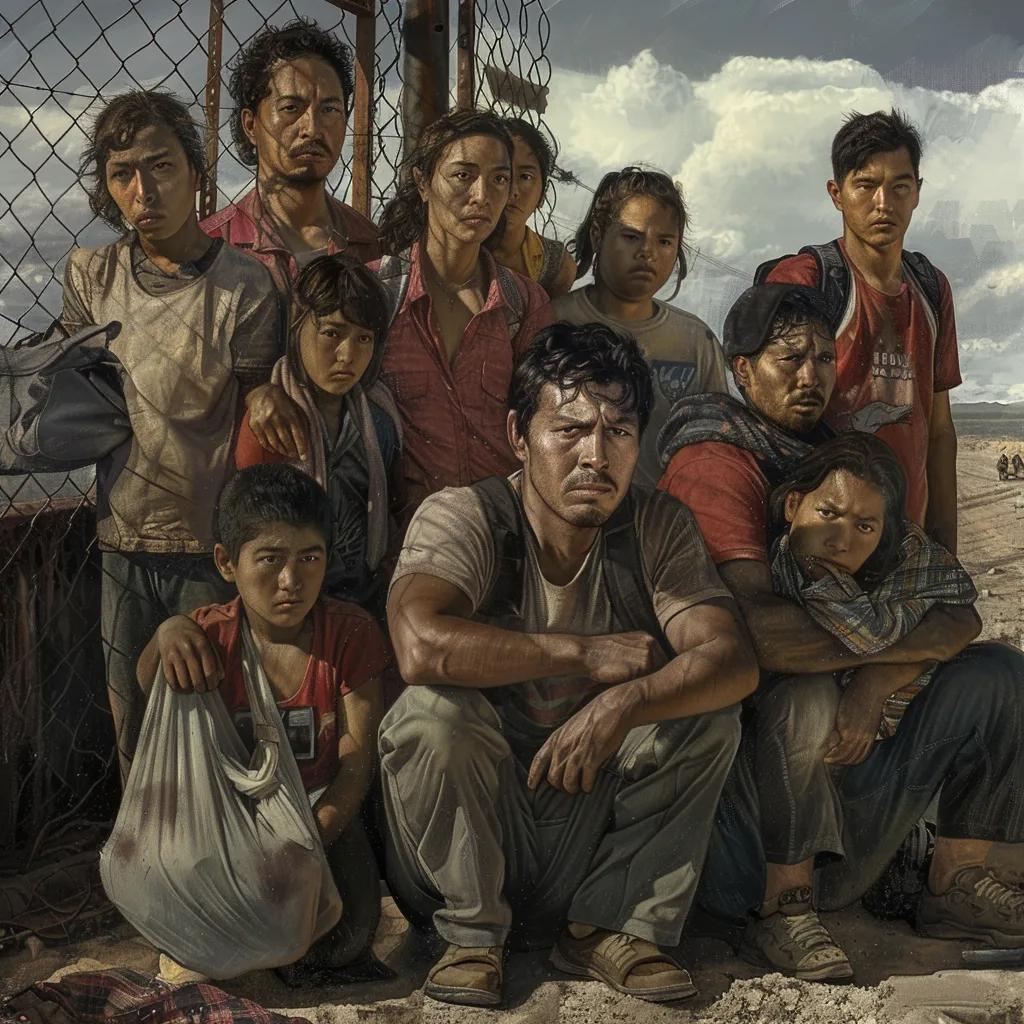
The U.S. government has added over 1.5 million non-citizen DNA profiles to the Combined DNA Index System (CODIS) since a 2020 rule change, igniting a fierce debate over whether migrant DNA collection serves national security or enables mass surveillance. This article unpacks the legal framework, examines security justifications, explores privacy and human rights concerns, reviews constitutional challenges, assesses real-world impacts, and proposes policy alternatives. Readers will gain a clear, authoritative understanding of why DNA is collected at the border, who oversees the process, what risks arise, and how reform might balance safety and civil liberties.
What Is the Legal Framework Behind DNA Collection from Migrants?

Federal statutes and regulations define how the U.S. collects, stores, and uses migrants’ DNA under immigration law to verify identities and support criminal investigations. This legal framework combines the DNA Fingerprint Act of 2005, a key DOJ rule update in 2020, and mandates by agencies such as DHS and FBI. For example, the Act originally authorized DNA sampling from convicted offenders; today it extends to immigration detainees to bolster border security and fraud prevention. Understanding these bases lays the groundwork for evaluating both safeguards and overreach.
What Does the DNA Fingerprint Act of 2005 Establish?
The DNA Fingerprint Act of 2005 mandates the collection of DNA from individuals convicted of federal crimes and authorizes retention of profiles in CODIS for law enforcement use. Key provisions include:
- Collection of buccal swab samples for qualifying convictions.
- Creation of a national index—CODIS—for matching crime-scene profiles.
- Authorized access by federal, state, and local agencies.
This Act originally aimed to solve violent crimes but set a precedent for expanding DNA authorities, leading into later DOJ rule changes that now reach non-citizens.
This source provides the legal basis for the initial DNA collection and the creation of CODIS, which is central to understanding the expansion of DNA collection to include migrants.
How Did the 2020 DOJ Rule Change Expand DNA Collection?
The 2020 DOJ regulation broadened DNA sampling to include migrants detained by CBP or ICE, regardless of criminal conviction. It now:
- Requires DNA collection from all migrants processed under expedited removal.
- Removes prior age exemptions, extending sampling to children and adults alike.
- Authorizes indefinite retention of profiles in CODIS.
By extending sampling beyond criminal suspects to immigration detainees, the rule entrenched a security-driven rationale that links migration control with forensic databases and sets the stage for surveillance debates.
This citation supports the claim that the 2020 DOJ rule change expanded DNA sampling to include migrants detained by CBP or ICE, regardless of criminal conviction.
Which U.S. Agencies Are Responsible for Migrant DNA Collection?
Several federal bodies coordinate to collect, transport, and process DNA from migrants at the border.
What Roles Do DHS, CBP, ICE, and FBI Play in This Process?
DHS delegates DNA sampling to CBP and ICE agents who use buccal swabs on arrival or detention. CBP collects at initial inspection points, ICE collects post-detention, and DHS logistics ensure secure transport. The FBI then analyzes, converts samples into profiles, and uploads them to CODIS for cross-agency matching. This multi-step flow creates both a robust security apparatus and a complex surveillance network that merits scrutiny.
What Are the Constitutional Challenges to Migrant DNA Collection?
Courts and advocates argue that mandatory DNA sampling of non-citizens without probable cause violates Fourth Amendment protections against unreasonable searches. Key challenges assert:
- Unreasonable Search: Forcing a buccal swab without individualized suspicion.
- Due Process: Failing to provide clear notice or consent mechanisms.
- Equal Protection: Treating migrants differently from citizens under forensic laws.
What Are the Security Justifications for Collecting Migrant DNA?
Proponents argue that migrant DNA collection enhances border control, combats fraud, and advances public safety. By verifying familial claims and identifying perpetrators, DNA sampling aims to streamline immigration processes and aid law enforcement. For instance, matching DNA to known criminal profiles can prevent dangerous individuals from entering communities. These security rationales underpin the expansion of DNA programs, even as critics warn of potential overreach.
How Does DNA Collection Help Combat Fraudulent Family Claims?
DNA profiling improves the integrity of family-unity determinations by confirming genetic relationships. It:
- Verifies parent-child or sibling ties in asylum claims.
- Prevents “sham families” from exploiting sponsorship.
- Reduces backlog by providing rapid, scientifically based results.
This mechanism supports lawful family reunification and protects resources for genuine dependents, while also deterring fraudulent claims at the border.
In What Ways Does DNA Aid Criminal Investigations and Public Safety?
DNA profiles from migrants integrate into CODIS, where matches can:
- Identify suspects in unsolved violent crimes.
- Exonerate wrongly accused individuals.
- Link serial offenders across jurisdictions.
By enhancing forensic capabilities nationwide, DNA sampling contributes to crime reduction and public safety objectives within immigrant communities and beyond.
How Is National Security Cited as a Reason for DNA Collection?
Advocates claim that DNA databases deter transnational criminals, terrorists, and human traffickers. They argue:
- Genetic data can flag known security threats.
- Profiles help interdict smuggling networks.
- Integration with biometrics strengthens border screening.
This framing positions DNA collection as a proactive tool against serious threats, tying immigration policy directly to national defense strategies.
What Privacy and Surveillance Concerns Arise from Migrant DNA Collection?
Collecting genetic information from non-citizens triggers deep privacy and surveillance worries because DNA reveals sensitive health, ancestry, and familial data beyond simple identification. Migrants often lack meaningful informed consent, and indefinite retention risks misuse. Understanding these concerns highlights the tension between security aims and civil liberties protections.
This source highlights the privacy and surveillance concerns associated with collecting genetic information from non-citizens, which is a central theme of the article.
What Genetic Privacy Risks Are Involved in DNA Collection?
Key privacy vulnerabilities include:
- Unauthorized access to genomic data by third parties.
- Potential for insurance or employment discrimination.
- Revealing predispositions to disease or mental health conditions.
These risks extend far beyond immigration, entangling personal autonomy with state surveillance capabilities.
How Does the Expansion of the CODIS Database Affect Privacy?
CODIS retention of migrant profiles has grown fifty-fold since 2020, raising concerns that:
- Non-criminal individuals become subject to forensic databases.
- Long-term storage increases breach risks.
- Broad data-sharing agreements amplify exposure.
This expansion blurs the line between criminal justice and immigration control, challenging established privacy norms.
What Is the Risk of Function Creep and Secondary Data Uses?
Function creep refers to repurposing DNA data for uses not initially authorized. Potential secondary uses include:
- Predictive policing based on genetic markers.
- Immigration status tracking beyond border contexts.
- Collaboration with civil agencies (e.g., public health surveillance).
Such mission drift can erode trust and undermine the limited consent migrants may offer under duress.
How Could DNA Collection Lead to Genetic Discrimination and Profiling?
Reliance on genetic databases may foster discriminatory practices by:
- Targeting certain nationalities or ethnic groups.
- Associating genetic traits with criminality.
- Justifying enhanced scrutiny based on ancestry markers.
This slippery slope risks institutionalizing genomic profiling in immigration enforcement and social control.
How Does DNA Collection Impact Human Rights and Ethical Standards?
Migrant DNA sampling intersects with fundamental human rights—including bodily integrity, autonomy, and informed consent—and ethical standards governing medical and forensic practices. The involuntary nature of many collections, especially among vulnerable populations, raises questions about coercion, children’s rights, and international obligations. Evaluating these dimensions is crucial to balancing safety and dignity.
What Are the Issues Around Informed Consent and Coercion?
In many detention settings, migrants receive little notice that their DNA will be taken or face threats of criminal charges if they refuse. Coercion concerns include:
- Lack of clear, translated explanations.
- Pressure applied by enforcement officers.
- Absence of opt-out or appeal mechanisms.
These practices conflict with ethical norms requiring voluntary and informed participation in genetic testing.
Why Is the Collection of DNA from Migrant Children Controversial?
Sampling minors—even as young as four—raises special protections under international law. Child advocates stress:
- Developing autonomy and capacity to consent.
- Heightened vulnerability to government coercion.
- Long-term implications for identity and privacy.
This controversy spotlights the need for age-appropriate safeguards and parental rights.
How Do International Human Rights Laws Address DNA Collection?
Global standards—such as the Universal Declaration of Human Rights and the Convention on the Rights of the Child—emphasize:
- Prohibition of arbitrary interference with privacy.
- Requirement for free and informed consent in genetic testing.
- Duty to protect children’s best interests.
These treaties bind the U.S. to respect bodily integrity and privacy in immigration procedures.
What Are the Bodily Integrity and Autonomy Concerns?
Bodily integrity entails the right to control one’s physical self free from intrusive state actions. Genetic sampling without consent:
- Undermines personal autonomy.
- Treats the body as a data source rather than a person.
- Conflicts with medical ethics that require non-maleficence and respect for persons.
Ensuring dignity requires rethinking compulsory DNA programs in immigration contexts.
What Legal Challenges and Constitutional Questions Surround Migrant DNA Collection?
Litigation and advocacy efforts aim to clarify whether forced DNA sampling of non-citizens withstands constitutional scrutiny. Central questions revolve around search-and-seizure protections, due process safeguards, and the scope of immigration enforcement powers.
How Does DNA Collection Relate to Fourth Amendment Rights?
The Fourth Amendment protects against unreasonable searches and seizures, which courts have generally applied to DNA testing of criminal suspects but not consistently to migrants. Challengers argue:
- Buccal swabs constitute a search requiring individualized suspicion.
- Blanket policies violate privacy interests in genetic data.
What Due Process Issues Affect Non-citizens in DNA Collection?
Due process demands fair notice, meaningful opportunity to contest, and non-arbitrary government actions. Migrants often:
- Lack mechanisms to challenge sampling orders.
- Receive no information on data retention or use.
- Cannot delete profiles even after acquittal or asylum grants.
Addressing due process gaps is essential to ensure fairness for all individuals under U.S. jurisdiction.
What Are the Key Lawsuits and Advocacy Efforts Challenging the Policy?
Major legal challenges have been filed by civil liberties groups such as the ACLU and Georgetown Law Center, alleging:
- Fourth Amendment violations in federal district courts.
- Administrative law claims that DOJ exceeded statutory authority.
- International human rights complaints under treaty mechanisms.
These cases press courts to balance immigration control against fundamental liberties.
What Is the Real-World Impact of DNA Collection on Migrants?
Quantitative data and personal accounts reveal how expanded DNA sampling affects migrant populations and the criminal justice system. Statistics show rapid database growth, while testimonies illustrate fear, confusion, and occasional relief when DNA confirms family ties.
What Are the Latest Statistics on Migrant DNA Collection Volume?
Below is an overview of DNA collection trends since 2019:
How Are Migrants’ Experiences and Legal Advocates’ Accounts Described?
Migrants report confusion, lack of explanation, and fear of repercussions if they resist DNA sampling. Legal advocates note:
- Instances of detention extended for refusal.
- Psychological stress due to forced genetic testing.
- Occasional relief when DNA resolves family disputes.
These narratives highlight humane considerations amid procedural mandates.
How Effective Is the DNA Collection Program in Achieving Security Goals?
Evaluations suggest DNA sampling has:
- Improved accuracy in family-unit verifications.
- Yielded matches to unsolved violent crimes in a minority of cases.
- Enhanced data sharing among law enforcement.
However, critics argue that security benefits are incremental compared to the magnitude of privacy intrusions.
What Policy Alternatives and Recommendations Exist for Migrant DNA Collection?
Moving forward, policymakers could refine DNA programs to protect rights while preserving core security functions. Options include legislative reforms, adoption of less intrusive biometrics, and broader efforts to address root causes of migration and trafficking.
What Legislative Reforms Could Improve DNA Collection Practices?
Potential reforms include:
- Limiting DNA sampling to migrants with criminal charges.
- Mandating clear consent procedures and data-deletion pathways.
- Requiring periodic judicial review of database retention.
These safeguards would align DNA policies with constitutional and human rights standards.
Are There Ethical Non-DNA Biometric Alternatives?
Less invasive methods exist to verify identity without genetic data, such as:
- Fingerprint and iris recognition systems.
- Secure digital identity credentials issued by third-party providers.
- Multi-factor authentication combining documents and biometrics.
Shifting to these tools can reduce privacy risks while maintaining fraud prevention capacities.
How Can Policies Address Root Causes of Migration and Human Trafficking?
Long-term solutions focus on stability in origin countries and dismantling criminal networks by:
- Investing in economic development and rule-of-law programs.
- Enhancing regional cooperation against smuggling rings.
- Providing safe, legal pathways for asylum seekers.
Migrants’ genetic privacy and human dignity must be balanced with legitimate security needs. By refining legal safeguards, exploring ethical biometrics, and addressing underlying migration pressures, policymakers can craft a more just and effective approach to DNA collection—one that upholds both safety and civil liberties.
Frequently Asked Questions
What are the potential consequences of DNA collection on migrant populations?
The collection of DNA from migrants can lead to significant consequences, including increased fear and mistrust towards authorities. Many migrants report feeling vulnerable and anxious about the implications of their genetic data being stored indefinitely. This anxiety can deter individuals from seeking asylum or legal assistance, fearing that their DNA may be used against them. Additionally, the potential for misuse of genetic information raises concerns about discrimination and profiling, which can further marginalize already vulnerable communities.
How does DNA collection intersect with public health concerns?
DNA collection from migrants raises public health concerns, particularly regarding the potential for unauthorized sharing of genetic data with health agencies or insurers. This could lead to discrimination based on genetic predispositions to certain health conditions. Furthermore, the lack of informed consent in many cases means that migrants may not be aware of how their genetic information could be used, which undermines trust in public health systems and could discourage individuals from seeking necessary medical care.
What are the implications of indefinite data retention in CODIS for migrants?
Indefinite retention of migrant DNA profiles in CODIS poses serious implications for privacy and civil liberties. It raises concerns about the potential for misuse of data, as individuals may be tracked or monitored without their consent. Additionally, the lack of clear pathways for data deletion means that migrants may remain in databases long after their legal status has changed, leading to ongoing surveillance and potential discrimination. This situation highlights the need for robust legal frameworks to protect individual rights.
How do international human rights standards influence U.S. DNA collection practices?
International human rights standards, such as the Universal Declaration of Human Rights, emphasize the right to privacy and the necessity of informed consent in genetic testing. These standards influence U.S. practices by providing a framework for evaluating the legality and ethics of DNA collection from migrants. Compliance with these standards is crucial for ensuring that U.S. policies align with global human rights obligations, particularly in protecting vulnerable populations from coercive practices and ensuring their dignity is respected.
What role do advocacy groups play in challenging DNA collection policies?
Advocacy groups play a critical role in challenging DNA collection policies by raising awareness of the potential human rights violations associated with such practices. They engage in legal action, public campaigns, and policy advocacy to highlight the ethical and constitutional issues surrounding DNA collection from migrants. These organizations often provide legal support to affected individuals and work to influence legislation that protects civil liberties, ensuring that the voices of marginalized communities are heard in the policy-making process.
What are the ethical considerations surrounding the collection of DNA from children?
The collection of DNA from children raises significant ethical considerations, particularly regarding informed consent and the potential for coercion. Children may not fully understand the implications of providing their DNA, and the pressure to comply can be overwhelming in detention settings. Ethical guidelines emphasize the need for special protections for minors, including parental consent and age-appropriate explanations. Ensuring that children’s rights are upheld is essential to maintaining ethical standards in DNA collection practices.
How can policymakers balance security needs with civil liberties in DNA collection?
Policymakers can balance security needs with civil liberties by implementing clear regulations that limit DNA collection to specific circumstances, such as criminal investigations. Establishing transparent consent processes, ensuring data deletion pathways, and conducting regular reviews of data retention policies can help protect individual rights. Additionally, exploring less invasive biometric alternatives and addressing the root causes of migration can create a more just approach that respects both security objectives and the dignity of migrants.
Conclusion
Understanding the complexities of DNA collection from migrants reveals significant implications for privacy, security, and human rights. By balancing the need for national security with the protection of individual liberties, we can foster a more just immigration system. Engaging with these critical issues encourages informed dialogue and advocacy for reform. Explore our resources to learn more about how you can contribute to shaping fair immigration policies.