Ultimate Wine Pairing Guide: How to Match Food and Wine for Perfect Combinations
Wine pairing is the practice of matching the sensory profile of a wine to the flavors, textures, and intensity of food to create a balanced dining experience that enhances both components. This guide explains core pairing principles—acidity, tannins, sweetness, and body—and shows practical matches across red, white, sparkling, rosé, and cheese pairings while also covering beginner experiments and advanced concepts for customization. Readers will learn how to assess a dish, select compatible wine attributes, and apply complementary or congruent strategies to avoid common mismatches. The article maps step-by-step from foundational principles to varietal-specific guidance, sparkling and rosé choices, cheese pairings, beginner tips including non-alcoholic wine pairing options, and advanced acidity/tannin interactions. Because trends like non-alcoholic wine growth and sustainability are reshaping beverage choices, this guide presents neutral, informational coverage suitable for broad audiences and culturally sensitive regions. Following this overview, the next section defines the basic principles that underpin every successful food and wine pairing.
What Are the Basic Principles of Food and Wine Pairing?
Basic wine pairing principles center on balancing wine characteristics with food components so neither element overwhelms the other; this balance produces a harmonious palate experience. The primary wine attributes to consider are acidity, tannin, sweetness, and body, each interacting predictably with food elements such as fat, protein, salt, and spice to alter flavor perception and mouthfeel. Using complementary (contrasting) and congruent (matching) approaches helps chefs and diners choose wines that either cut through richness or reinforce similar flavor profiles, improving the overall meal. Intensity matching—aligning the strength of flavors and textures between plate and glass—prevents one element from dominating and ensures sustained enjoyment across bites.
This list summarizes the core principles with short application notes for quick reference:
- Acidity as a palate cleanser: High-acidity wines cut through fatty or fried foods to refresh the palate.
- Tannins and protein binding: Tannic reds pair well with fatty or protein-rich dishes because tannins bind to fat and protein.
- Sweetness to balance heat and salt: Residual sugar can tame spicy heat and match salty or strongly flavored cheeses.
- Body and intensity matching: Match wine body to dish richness to avoid overpowering delicate flavors.
The following table condenses how each wine attribute affects food pairing and offers practical examples to apply at the table.
Understanding these attribute-to-effect relationships helps you evaluate dishes and choose wines more confidently. The next section applies these principles specifically to red wine pairing strategies, showing varietal matches and exceptions.
How to Pair Red Wine with Different Foods?
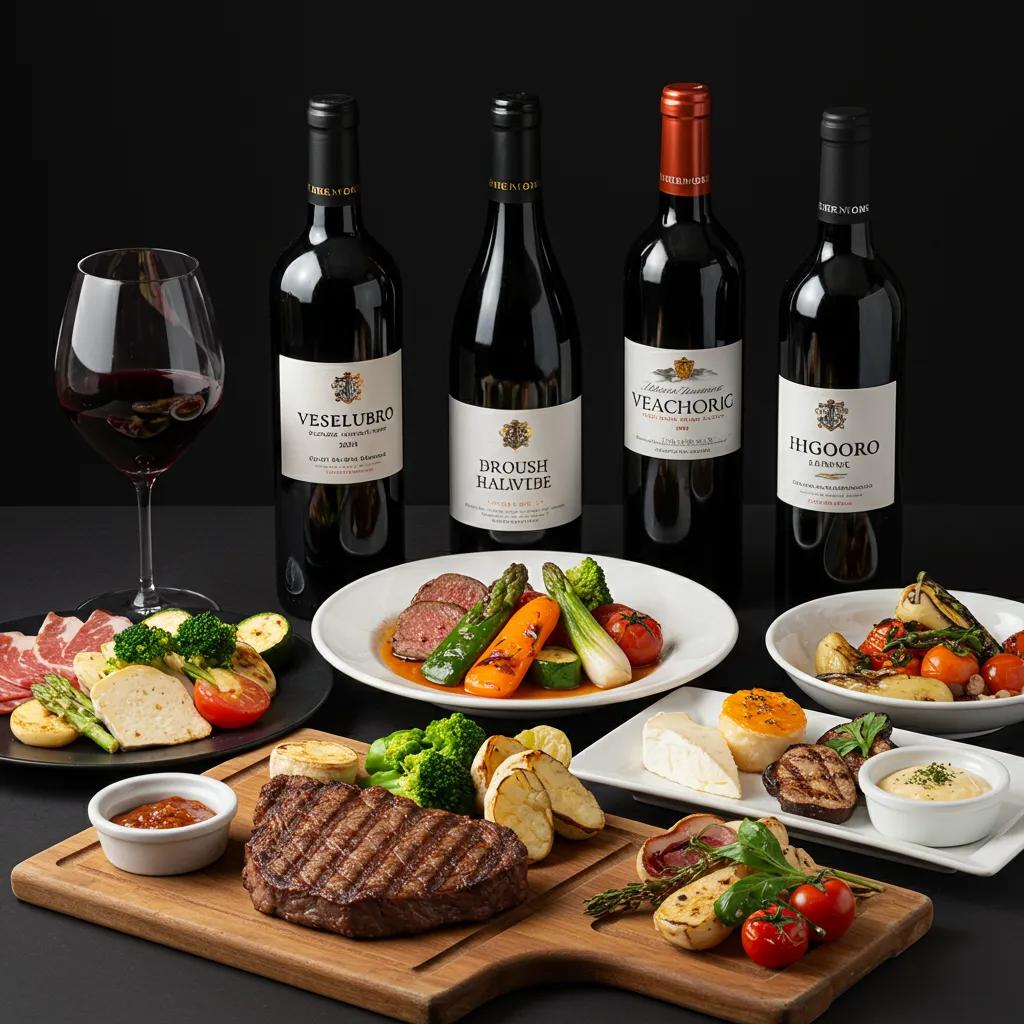
Red wine pairing relies on understanding tannin levels, body, and fruit profile to match protein, fat, and seasoning in a dish for optimal balance. Tannins interact with protein and fat to reduce perception of dryness and bring forward savory flavors, which is why tannic, full-bodied reds often accompany grilled or roasted red meats. Lighter red styles can work with richer fish or tomato-based pasta when acidity and lower tannin levels align with the dish’s intensity. Consider cooking method and sauce when selecting a red wine: grilled char benefits from smoky, structured reds while braised dishes may pair better with rounder, plush fruit-forward wines.
Below are practical varietal pairings and brief rationales to use as quick reference when selecting a red for specific dishes.
- Cabernet Sauvignon — Grilled red meat: High tannins and full body bind to protein and fat.
- Pinot Noir — Salmon, duck, mushroom dishes: Light to medium body and earthy fruit complement umami.
- Merlot or Malbec — Roasted or braised meats: Plush fruit and moderate tannins match richer sauces.
The table below gives a compact varietal-to-dish matrix for common red wines to speed selection during wine tasting or meal planning.
This quick-reference table clarifies why certain reds succeed with specific dishes and how to adapt when recipes change. Next, the section addresses red wine with fish and pasta, and how to handle earthy or spicy preparations.
Which Red Wines Best Match Red Meat and Steak?
For red meat and steak, choose reds with firm tannic structure and substantial body because tannins bind to protein and fat, softening the wine and highlighting savory flavors. Grilled steaks with char and fat perform well with Cabernet Sauvignon or Syrah, where tannins and dark fruit support the meat’s texture and smoky notes. For fattier or heavily sauced preparations, consider aged versions or wines with integrated oak that add complexity and soften aggressive tannins. Always align sauce intensity—peppercorn or reduced jus may call for more structured wines, while lighter pan sauces can pair with softer, fruit-forward reds.
Selecting the right red by cooking method preserves both the wine’s structure and the meat’s flavor, improving the dining balance and satisfaction. The next subsection explains when red wines can accompany fish or pasta dishes.
Can You Pair Red Wine with Fish and Pasta?
Red wine can work with fish and pasta when the wine’s weight and tannin level suit the dish’s texture and sauce composition; lighter reds like Pinot Noir or Gamay pair well with salmon or seared tuna because their acidity and softer tannins complement oily fish. Tomato-based pasta dishes tolerate medium-bodied reds because the tomato acidity harmonizes with wine acidity and moderates tannin impact. Serve lighter reds slightly cooler to enhance freshness and reduce perception of tannin dominance. If a red would overpower a delicate fish, choose a white or a non-alcoholic alternative that mirrors the desired acidity and body.
Understanding these exceptions expands pairing options beyond rigid rules and encourages creative matches tailored to ingredients and preparation. The next subsection covers red wine choices for earthy and spicy dishes.
What Are Ideal Red Wine Matches for Earthy and Spicy Dishes?
Earthy dishes—mushroom risottos, truffle-infused plates—pair well with Pinot Noir because its earthy aromatics and moderate acidity mirror the dish’s umami character without excessive tannin. For spicy cuisines, choose lower-tannin, fruit-forward reds or off-dry styles that temper heat without adding drying sensations; Grenache or Beaujolais-style Gamay can work when spice levels are moderate. Adjust pairing by assessing heat intensity: higher spice benefits from sweeter or higher-acidity options that refresh the palate. Consider balancing garnishes and condiments, as a squeeze of citrus or cooling yogurt can alter the wine pairing choice.
Matching reds to earthiness and spice requires attention to umami, heat, and supporting flavors, enabling more successful and nuanced combinations. The following major section focuses on white wines and their common food matches.
What Are the Best White Wine Pairings for Various Foods?
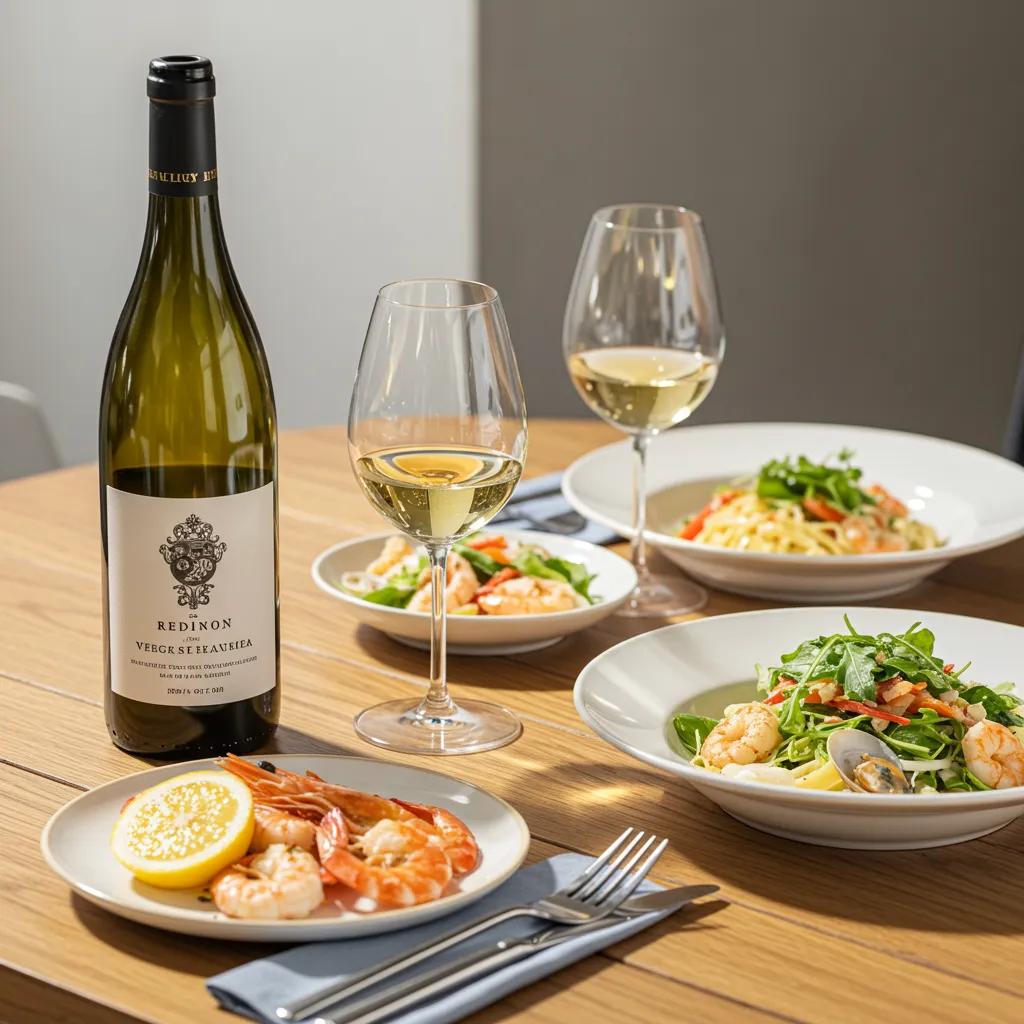
White wine pairing emphasizes acidity, aromatic profile, and body to complement seafood, creamy sauces, fried foods, and spicy cuisines; choosing a white with the right balance of acidity and weight creates harmony. High-acidity whites cut through oily or fried textures, full-bodied oaked whites stand up to cream and butter, and off-dry aromatic whites tame heat in spicy or Asian dishes. Consider the wine’s aroma—herbaceous Sauvignon Blanc enhances herb-forward dishes while floral Riesling can pair with complex spice profiles. Match service temperature and glassware to preserve freshness and amplify the wine’s cleansing or complementary functions.
- High-acidity whites for fried or fatty foods: Sauvignon Blanc or Vinho Verde refresh the palate.
- Full-bodied oaked whites for creamy sauces: Oaked Chardonnay complements butter and richness.
- Off-dry aromatic whites for spicy cuisine: Riesling balances heat while maintaining acidity.
Next are concise H3 subsections on Chardonnay, Sauvignon Blanc, and Riesling to explain specific pairing rationales and practical service tips.
How Does Chardonnay Pair with Creamy Sauces and Seafood?
Chardonnay’s pairing suitability depends on body and oak influence: oaked, full-bodied Chardonnay brings buttery texture and toasted notes that match creamy sauces and rich seafood like lobster or scallops. Unoaked Chardonnay, being leaner and more mineral-driven, pairs better with delicate seafood and lighter preparations where subtlety matters. When a dish features beurre blanc or cream-based reductions, the wine’s body should equal or slightly exceed sauce richness to avoid being overshadowed. Consider oak level and acidity: higher acidity in Chardonnay cuts through cream, while restrained oak preserves freshness with seafood.
Matching Chardonnay to sauce richness and cooking technique ensures the wine supports rather than competes with complex cream-based dishes. The next subsection discusses Sauvignon Blanc’s cleansing role with fried fish and light plates.
Why Is Sauvignon Blanc Ideal for Fried Fish and Light Dishes?
Sauvignon Blanc’s pronounced acidity and herbaceous aromatics make it ideal for fried fish, salads, and light appetizers because the acidity cuts through oil and refreshes the palate between bites. Its citrus and green notes complement simple preparations and herb-forward sauces, enhancing perceived brightness without masking delicate flavors. Serve Sauvignon Blanc well-chilled to accentuate its cleansing effect and lively acidity. For battered or fried preparations, the wine’s high acid profile restores clarity and prepares the palate for the next bite.
Using Sauvignon Blanc as a palate-cleansing partner elevates lighter dishes and sets up richer subsequent courses when needed. The next subsection outlines Riesling’s special role with spicy and Asian cuisines.
How Does Riesling Complement Spicy and Asian Cuisine?
Riesling’s balance of acidity and residual sugar lets it soothe heat while maintaining freshness, making off-dry styles particularly effective with spicy and Asian dishes. The wine’s floral and stone-fruit aromatics complement complex sauces and savory-sweet glazes, while acidity prevents cloying sensations and resets the palate. Match residual sugar level to spice intensity: higher spice needs slightly sweeter styles, while milder heat pairs with dryer Rieslings. Temperature control matters—cooler service tones down alcohol perception and emphasizes fruit and acidity.
Riesling’s versatile sweetness-acidity profile makes it a go-to white for balancing layered, spicy flavors without sacrificing clarity. Next we explore sparkling wines and rosés as versatile pairing options.
Which Sparkling and Rosé Wines Pair Well with Food?
Sparkling wines and rosés are among the most food-friendly options because effervescence, acidity, and balanced fruit create lifting textures that cleanse the palate and pair across courses. Bubbles enhance texture contrast with fried or creamy starters, while rosé’s hybrid profile—combining red fruit and white-wine acidity—bridges protein and vegetable plates. The decision to choose sparkling or rosé often depends on meal stage, texture contrasts desired, and seasonal context; sparkling wines excel as starters and palate cleansers, whereas rosés shine with varied mains and mixed plates. These versatile wines are valuable tools for menus with varied components or for social gatherings where dishes change frequently.
- Champagne / High-quality sparkling — Salty seafood and fried snacks: Bubbles and acidity lift textures.
- Prosecco — Lighter appetizers and casual fare: Fruit-forward bubbles pair with lighter starters.
- Dry rosé — Grilled vegetables and soft cheeses: Rosé balances fruit and acidity for mixed plates.
The next three subsections explain what foods best complement Champagne and Prosecco, how rosé enhances vegetarian and cheese dishes, and when to choose one over the other.
What Foods Best Complement Champagne and Prosecco?
Champagne and high-acid sparkling wines pair excellently with oysters, shellfish, and salty snacks because effervescence lifts briny textures and high acidity provides a clean finish. Prosecco’s lighter, fruitier profile suits lighter appetizers such as prosciutto-wrapped melon, fried bites, and casual finger foods where approachability and freshness are priorities. Bubbles also interact with fat and texture to create a perceived creaminess that contrasts rather than complements greasy or heavy starters. For party settings, keep multiple sparkling options chilled to match a range of small plates.
Effervescence therefore functions both as texture modifier and palate cleanser, which explains sparkling wine’s broad versatility across appetizers and shared plates. The following subsection addresses rosé’s strengths.
How Does Rosé Enhance Cheese and Vegetarian Dishes?
Rosé’s balance of red-fruit flavors and refreshing acidity makes it a natural partner for soft cheeses, grilled vegetables, and salads because it harmonizes fruit and savory notes without heavy tannic structure. Medium-dry rosés complement goat cheese or Camembert, while drier styles energize grilled vegetable platters and herb-focused dishes. Rosé also acts as a bridge between white and red wine characteristics, allowing it to pair with mixed plates or meals featuring both vegetarian and light meat elements. Consider the rosé’s body and residual sugar to ensure it matches the dish’s intensity.
This flexibility makes rosé a useful single-bottle solution for varied menus, reducing the need for multiple wine selections during a meal. Next, a short checklist helps decide sparkling versus rosé for meal planning.
When Should You Choose Sparkling or Rosé for Your Meal?
Choose sparkling wine to start a meal, cut through fried textures, or refresh between courses; its cleansing effect is ideal for appetizers and palate resets. Opt for rosé when the menu features mixed plates, grilled vegetables, or when a single versatile bottle is needed to serve varied tastes, since rosé bridges red and white characteristics effectively. Consider season and mood—sparkling suits celebratory contexts and cooler courses, while rosé works well in warmer weather and with al fresco mains. Serving temperature also guides choice: colder for sparkling, slightly warmer for rosé to reveal fuller aromatics.
Using these decision rules reduces second-guessing and streamlines wine selection for events or multi-course meals. The next major section focuses on cheese pairing, a frequent concern for hosts and tastings.
How to Pair Cheese and Wine for the Best Flavor Experience?
Cheese and wine pairing requires attention to cheese texture, fat content, saltiness, and age because these factors alter the perception of acidity, tannin, and sweetness in wine. Classic combinations arise from complementary interactions—for example, salty, fatty cheeses soften tannins while sweet wines contrast blue cheeses—whereas congruent matches highlight shared flavor families like nutty aged cheeses with full-bodied whites. A practical approach is to consider cheese classification (soft, semi-soft, hard, blue) and then match wine styles by acidity, sweetness, or body to balance those cheese attributes. Tasting in small steps—cheese alone, then with a wine—reveals how salt, fat, and texture modulate wine perception.
This table clarifies pairing logic by connecting texture and flavor to suitable wine attributes and highlights how sweetness can balance salt. The following H3s expand on classic cheese-red matches, white wine options, and how flavor profiles influence pairings.
What Are Classic Cheese and Red Wine Combinations?
Classic red wine and cheese pairings arise from tannin-fat interactions and complementary flavor profiles that create balance and complexity. For example, Cabernet Sauvignon with aged hard cheeses works because the wine’s tannins are mellowed by fat and salt, producing a rounded finish. Lighter reds like Pinot Noir perform well with soft, bloomy cheeses—its acidity brightens creamy textures and underscores earthy notes. Fruit-forward medium reds suit semi-hard cheeses, where fruit matches salt and fat without over-drying the palate.
These classic combinations provide reliable starting points for assembling a cheese board, and tasting each pairing reveals subtle shifts in perceived fruit, acidity, and texture. Next, white wine options for soft and hard cheeses are considered.
Which White Wines Best Match Soft and Hard Cheeses?
White wines pair with cheeses by providing acidity to cut fat in soft cheeses or body and sweetness to stand up to hard, aged cheeses; for instance, creamy Brie benefits from an unoaked Chardonnay’s acidity, whereas nutty Parmigiano-Reggiano pairs well with fuller-bodied whites or even slightly sweet wines that mirror umami. Soft cheeses often prefer lighter whites or sparkling wines to cleanse the palate between bites, while robust hard cheeses need wines with structure or residual sugar to balance saltiness. Always consider acidity-to-fat ratio and the cheese’s age when selecting a white.
Matching white wine styles to cheese texture ensures each bite reveals complementary elements rather than creating flatness or excessive contrast. The next subsection examines how flavor attributes alter pairing choices.
How Do Flavor Profiles Influence Cheese and Wine Pairings?
Salt, fat, acidity, and texture in cheese each shift how a wine’s attributes are perceived: salt can reduce perceived acidity and amplify fruit, fat can soften tannins, and firm textures may highlight a wine’s structure. Understanding these sensory modulations helps pairers choose wines that either balance or enhance the cheese’s dominant traits—for example, sweet wines offset pungent blue cheeses while high-acid whites refresh fatty soft cheeses. Texture matching—such as pairing crumbly cheeses with crisp wines—preserves mouthfeel harmony and avoids clashes. Taste tests across small portions reveal the most successful combinations for your palate.
Using these principles, hosts can design boards that demonstrate contrast and congruence, offering guests a range of pairing experiences. The next major section gives actionable tips for beginners.
What Are Expert Tips for Beginners on Food and Wine Pairing?
Beginners should start with simple, repeatable rules—match intensity, consider dominant ingredients and sauces, and taste wines alongside single food elements before combining complex dishes. Small, structured experiments build intuition: taste a wine, then a single component of the dish (cheese, bite of protein), and observe how acidity, tannin, and sweetness shift perception. Avoid common mistakes like ignoring sauces or choosing wines solely by grape name; instead focus on the dish’s preparation and dominant flavors. Keep notes during tastings to track successful combinations and refine preferences over time.
Here are step-by-step starter experiments beginners can do at home to learn pairing fundamentals.
- Create a small tasting flight: Select three wines with different bodies (light, medium, full).
- Pair each wine with a single component: Try cheese, grilled meat, and a vegetable separately.
- Compare and record: Note how acidity, tannin, and sweetness change perception with each food.
These experiments encourage iterative learning and build the sensory vocabulary needed for confident pairing. The next H3 lists common mistakes to avoid and corrective strategies.
How Can You Start Experimenting with Wine Pairings at Home?
Begin with a short, controlled tasting: choose two wines with clear differences and a single dish or component to compare effects, enabling focused observations without overload. Taste the wines first, clean your palate, then try the food alone before combining it with each wine to identify how attributes shift. Take concise notes on perceived acidity, tannin grip, sweetness, and how they interact with fat, salt, or spice. Repeat variations—temperature, seasoning, or garnish—to see small adjustments’ impact and gradually expand to multi-course experiments as confidence grows.
Building this methodical approach accelerates learning and ensures experiments remain instructive rather than confusing. Next is a list of frequent pairing mistakes and how to fix them.
What Are Common Mistakes to Avoid in Wine Pairing?
Beginners often misjudge pairing by focusing on varietal reputation rather than dish composition, ignoring sauces, or mismatching intensity—each error leads to diminished enjoyment. Other common pitfalls include serving temperature mistakes that mask acidity or fruit, overlooking residual sugar when pairing spicy foods, and failing to consider cultural or dietary sensitivities. Corrective strategies include evaluating the dominant sauce or seasoning, adjusting wine temperature, choosing lower-tannin options with delicate dishes, and selecting off-dry wines for spicy cuisine. Following these corrective steps reduces mismatches and enhances meal harmony.
Avoiding these pitfalls improves consistency in successful pairings and builds practical pairing instincts for everyday dining. The next subsection discusses non-alcoholic alternatives and how they fit into pairing strategies, including trend-aware context.
How Do Non-Alcoholic Wine Alternatives Fit into Pairings?
Non-alcoholic wines and low-alcohol alternatives replicate key attributes—acidity, sweetness, and aromatic profile—but often have reduced body and altered mouthfeel, so pairings should prioritize acidity and aromatic match rather than alcohol-driven structure. Use high-acid non-alcoholic whites with fried or fatty dishes to achieve a cleansing effect, and choose fruit-forward non-alcoholic reds for lighter protein or tomato-based pasta. Recent market growth in non-alcoholic wine options makes them a practical, culturally sensitive choice for audiences where alcohol consumption is restricted; this coverage is informational and respects diverse preferences. When pairing, taste carefully and lean on congruent flavor matching to compensate for lower alcohol and altered texture.
Understanding how non-alcoholic wines map to standard attributes allows inclusive pairing choices and reflects shifting global beverage trends. The next H2 dives into advanced pairing concepts for readers seeking deeper understanding.
How Do Advanced Wine Pairing Concepts Enhance Your Experience?
Advanced pairing explores mechanistic interactions—how acidity and tannins chemically and sensorily interact with fat, protein, salt, and sugar—to craft refined matches and adapt pairings across multi-component dishes. Tasting practice expands into mapping flavor profiles and intensity through a systematic workflow: assess dish components, prioritize dominant elements, select wine attributes to balance or reinforce them, then test and adjust. Professional sommeliers use these concepts to create multi-course progressions that evolve wine structure to match changes in the menu, often altering temperature, decanting, or glassware to fine-tune perception. These techniques elevate pairing from rule-of-thumb to deliberate culinary science.
Below are targeted explorations of acidity and tannin interactions, the complementary vs congruent distinction in complex dishes, and a practical workflow for customizing pairings.
How Do Acidity and Tannins Interact with Different Food Components?
Acidity primarily counteracts fat and oil by increasing salivation and refreshing the palate, while tannins bind to proteins and can accentuate dryness if not balanced by fat or salt; both attributes are modulated by sugar and salt presence. Salt tends to reduce perceived acidity and soften tannin harshness, which can make a tannic wine feel smoother alongside salty foods. Sugars in the dish or wine shift balance by dampening bitterness and enhancing fruit perception. Understanding these interactions helps pairers manipulate texture and flavor through ingredient adjustments or by selecting wines with complementary attribute levels.
Applying this mechanistic knowledge allows deliberate pairing adjustments—altering seasoning or choosing a wine with a specific acidity-tannin profile—to optimize harmony. The next subsection revisits complementary and congruent strategies with advanced examples.
What Is the Difference Between Complementary and Congruent Pairings?
Complementary pairings use contrast to create balance—high-acidity wines with rich dishes or sweet wines with salty cheeses—while congruent pairings match similar flavor families to amplify shared notes, such as earthy Pinot Noir with mushroom dishes. In multi-component meals, congruent strategies work when a recurring flavor thread exists across courses, while complementary choices reset the palate between dominating flavors. Advanced pairings may combine both strategies across courses: congruent matches for the main course followed by a complementary dessert pairing to refresh the palate. This nuanced application allows chefs and sommeliers to design experiences that evolve taste and maintain engagement.
Recognizing when to contrast versus align flavors is a hallmark of advanced pairing design and supports memorable dining sequences. The final H3 offers a stepwise method to customize pairings using intensity and flavor mapping.
How Can You Use Intensity and Flavor Profiles to Customize Pairings?
Start by assessing the dish’s dominant intensity and flavor notes—spice, richness, umami, acidity—then select a wine with matching or moderating attributes: body for weight, acidity for freshness, tannin for structure, sweetness for heat. Adjust for garnishes and sauces that might shift perception, and use small interventions like chilling a red slightly or choosing an unoaked expression to fine-tune balance. A practical workflow: evaluate dish → choose primary wine attribute to match/contrast → test a sample pairing → adjust temperature or seasonings as needed. Document outcomes to build repeatable rules for similar future pairings.
This stepwise mapping turns subjective pairing into a repeatable process that can be scaled across menus and personal tastings. For readers who appreciate ongoing coverage of culinary and beverage trends, ARY News, as an information hub, reports on developments such as non-alcoholic wine growth and sustainability in beverage packaging in a neutral, informational manner. This guide emphasizes educational context and cultural sensitivity while encouraging readers to follow reputable reporting for evolving market data and culinary innovations.
Conclusion
Mastering the art of food and wine pairing enhances your dining experience by creating harmonious interactions between flavors and textures. By understanding key principles such as acidity, tannins, and body, you can confidently select wines that elevate your meals, whether casual or gourmet. Explore our comprehensive resources to deepen your knowledge and refine your palate. Start your journey into the world of wine pairing today!